Explore our top engineering products, including Rogers/Shengyi hybrid PCBs, high-speed server RAM modules, motherboard designs, and custom SMT/PCBA assemblies built to strict industrial tolerances.
In modern telecommunications, aerospace, high-performance computing, and automotive electronics, high-frequency printed circuit boards (PCBs) act as the foundational architecture for electromagnetic signal routing. Unlike traditional low-speed digital circuits, RF and microwave frequencies (ranging from 500 MHz to over 77 GHz) require precise control over impedance, attenuation, thermal dissipation, and signal delay. At these wavelengths, the physical design of the copper traces, the selection of dielectric substrates, and the layering stackup directly determine the efficiency of signal transmission.
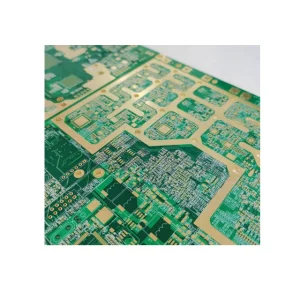
To balance cost-efficiency with high-frequency performance, high-speed engineering uses mixed-dielectric or hybrid pressure lamination. This technique involves bonding high-performance substrates like Rogers 4000 series (e.g., RO4350B, RO4003C) with high-reliability, standard-loss materials like Shengyi FR-4 (such as High TG170 / TG180) in a single co-cured stackup. Rogers materials provide the low-loss properties required for critical RF signal paths, while the Shengyi FR-4 layers provide structural rigidity, heat dissipation, and support for low-speed control circuitry.
Executing mixed-pressure lamination requires detailed knowledge of material CTE (Coefficient of Thermal Expansion) mismatch, prepreg glass-weave styles, and specific curing temperatures. Without precise control, the layers can delaminate during thermal cycling or lead-free reflow soldering (reaching up to 260°C). Our R&D team works to calculate and balance the CTE profile of all layers to ensure structural integrity and planar flatness across the PCB life cycle.
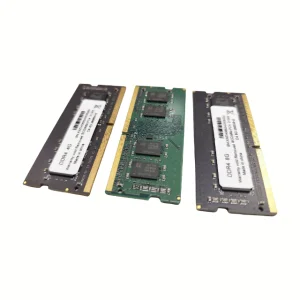
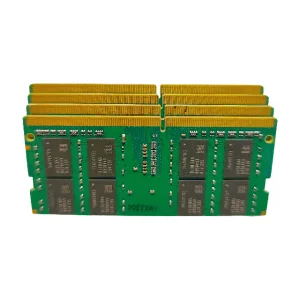
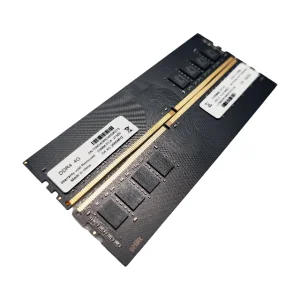
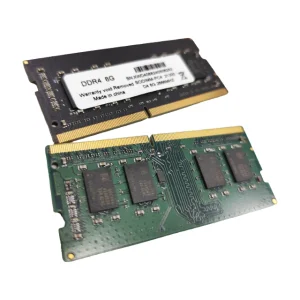
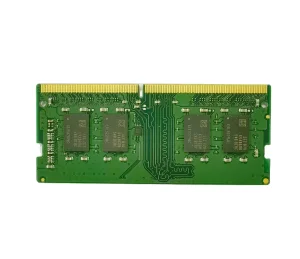
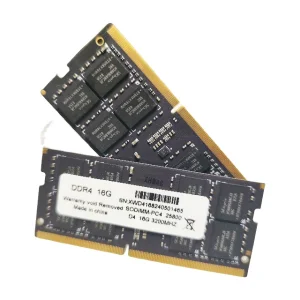
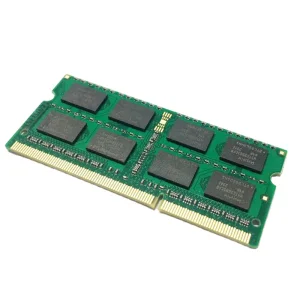
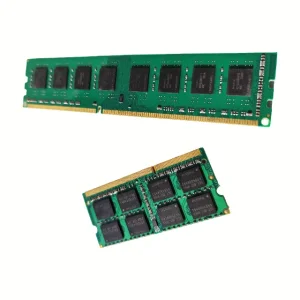
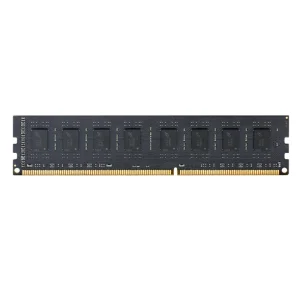
In data centers, servers, and modern industrial controllers, high-frequency design extends past RF antennas to high-speed digital buses, including DDR4, DDR5, and PCIe Gen 5/6 interfaces. Because DDR4 and DDR5 memory modules function at gigabit transfer rates (e.g., 3200MHz to over 6400MHz), the PCB substrate and route traces must be treated as transmission lines. High-speed memory design requires matched length traces to control trace-to-trace skew, continuous reference ground planes to prevent return loop discontinuities, and blind/buried vias to eliminate parasitic stub capacitances.
As a specialized manufacturer of high-frequency PCBs, SMT PCBA assemblies, and high-performance memory modules (DDR4/DDR5 RAM), Vorynex Memory Technology uses a co-design approach. By understanding both the semiconductor-level requirements and the board-level physical parameters, we design boards with optimal signal paths, reducing electromagnetic interference (EMI) and power distribution network (PDN) ripple.
| Substrate Material Class | Typical Dk (Dielectric Constant) | Typical Df (Dissipation Factor) | Primary Industrial Application |
|---|---|---|---|
| Rogers RO4350B / RO4003C | 3.48 - 3.55 | 0.0021 - 0.0027 | RF Transceivers, 5G Base Stations, Automotive Radar (24GHz) |
| Shengyi High TG170 (FR-4) | 4.3 - 4.8 | 0.015 - 0.020 | Motherboards, Power Supplies, Standard Digital Routing |
| PTFE-based (e.g., Rogers RO3003) | 3.00 | 0.0010 | 77-81 GHz ADAS Radar, Millimeter Wave Systems |
Analyzing the global shift towards high-speed infrastructure, supply chain resiliency, and localized industrial applications.
The deployment of high-frequency infrastructure requires PCBs capable of low-loss transmission at high frequencies. From micro-cells to vehicle ADAS radars, selecting high-performance materials is key to reducing signal distortion.
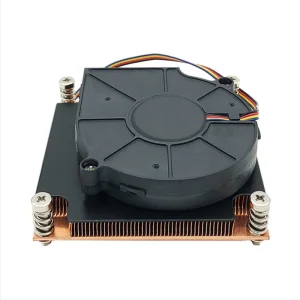
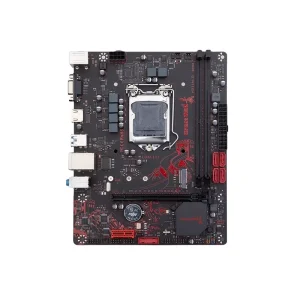
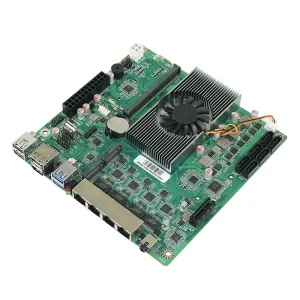
Enterprise cloud systems need high bandwidth. Server RAM and copper heat sink cooling systems must operate together on multi-layer motherboards, requiring high component integration and heat dispersion.
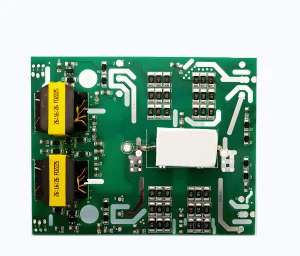
Industrial motherboards, welding driver boards, and detectors operate in harsh thermal environments. Strict quality validation (AOI, In-Circuit Testing, and aging chambers) is required to ensure long-term stability.
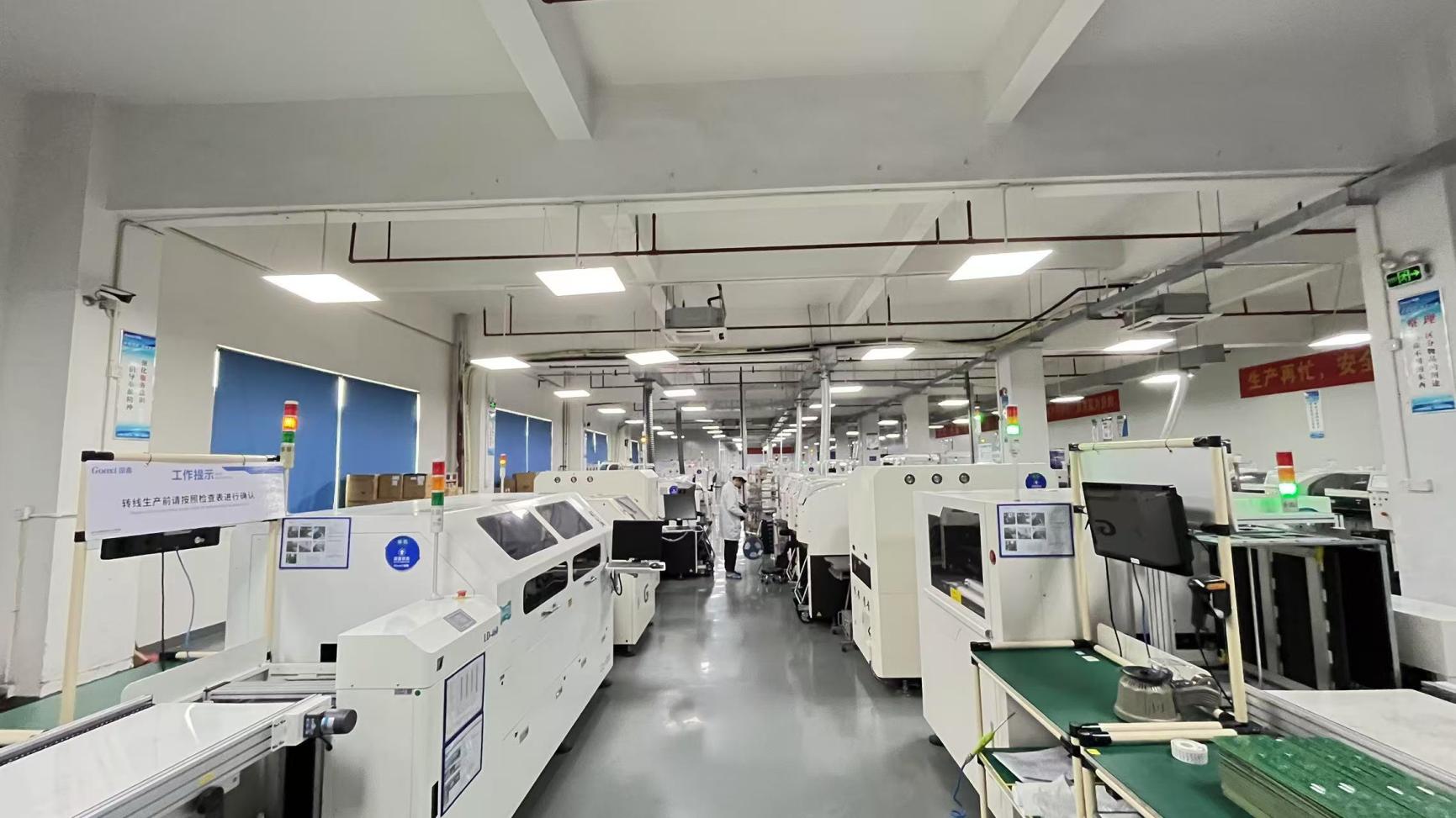
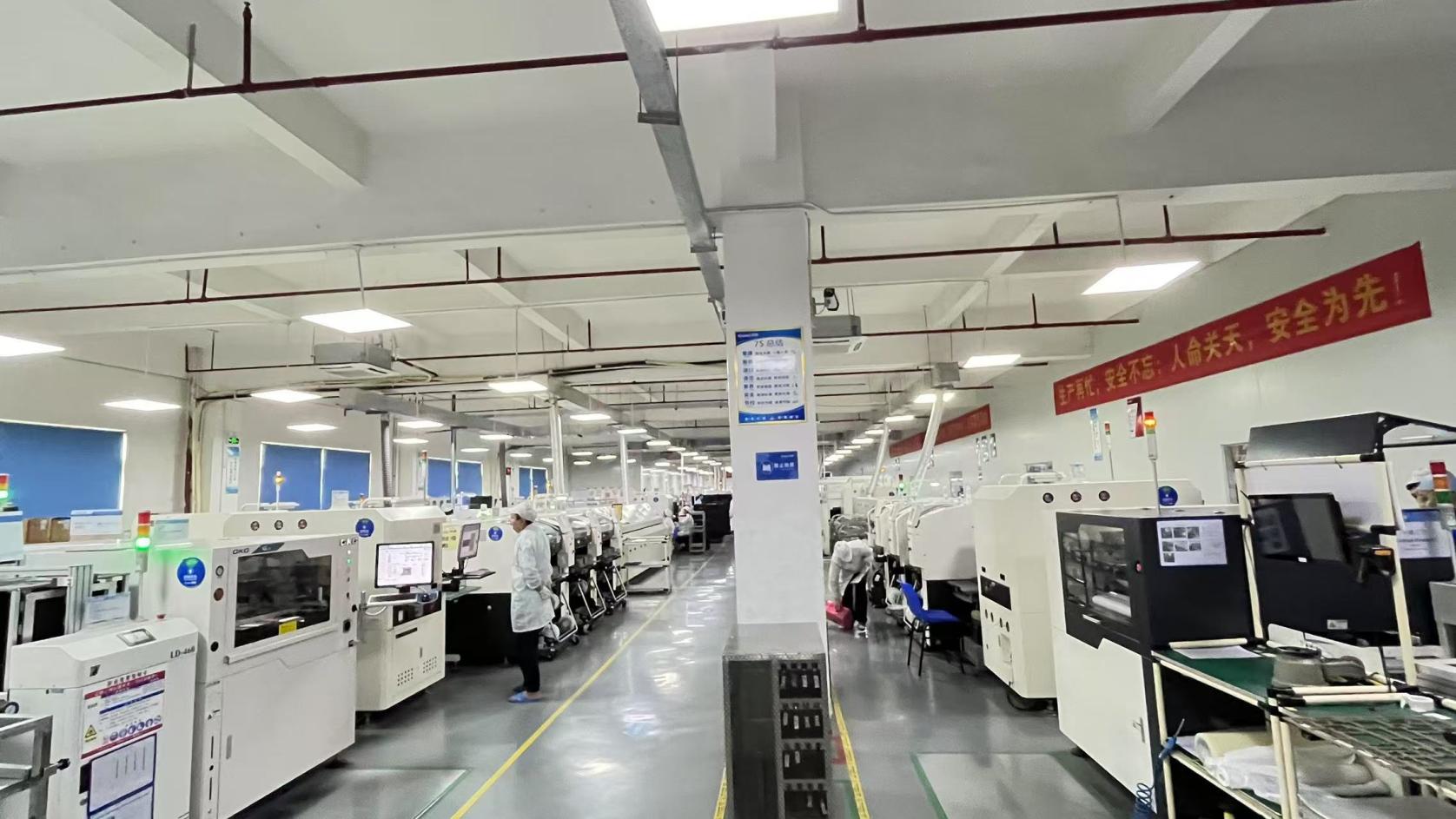
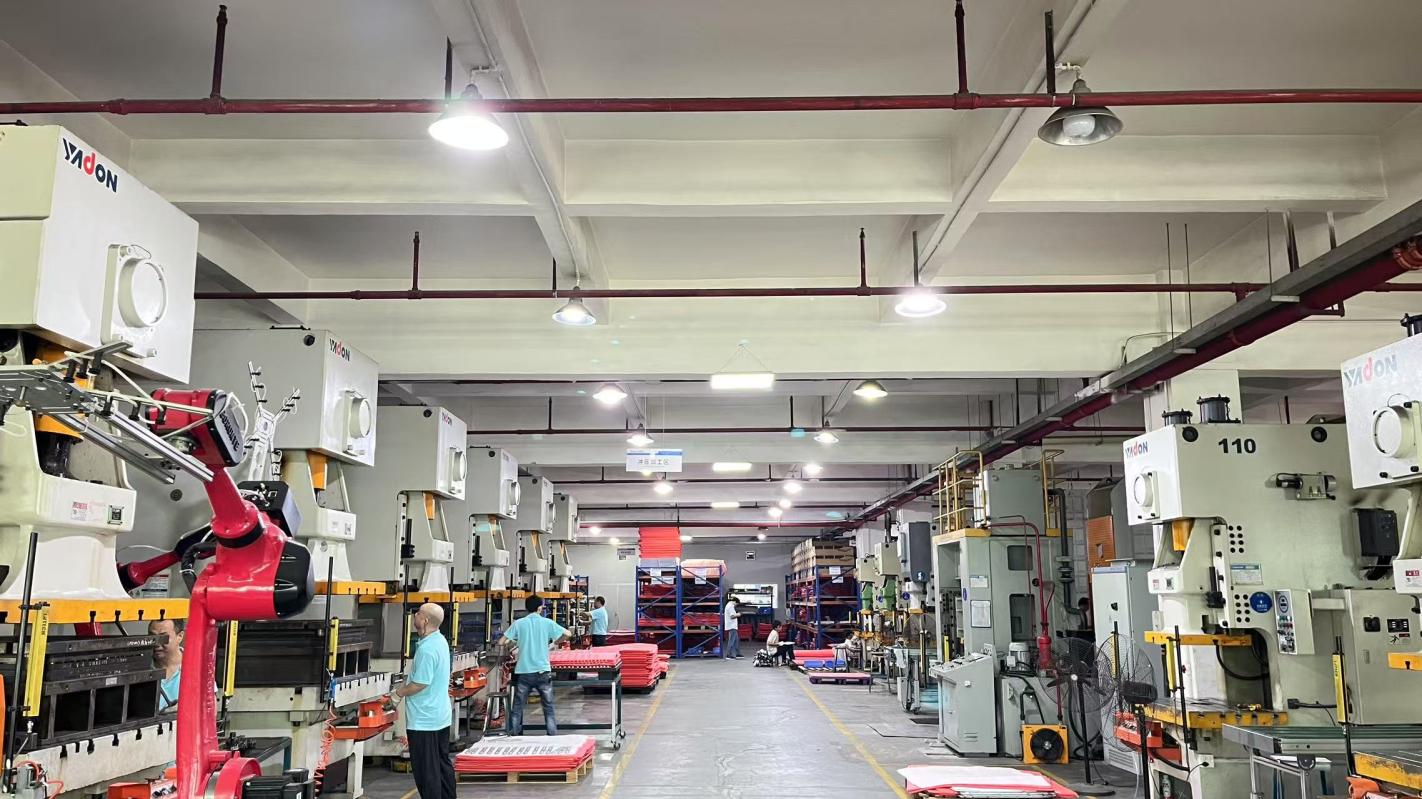
In high-frequency electronics manufacturing, consistency is key. China's electronics clusters have integrated Industry 4.0 automation, supply chain sourcing, and high-capacity manufacturing to offer reliable production options. At Vorynex Memory Technology, our manufacturing approach focuses on speed, quality, and supply chain control.
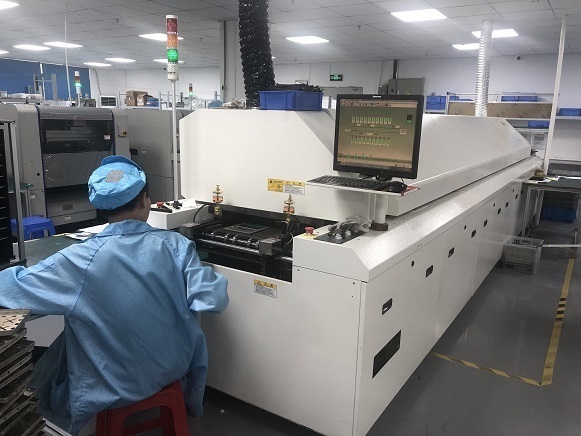
High-frequency components are sensitive to parasitical capacitances and placement alignment errors. Our manufacturing facility uses high-speed pick-and-place lines, nitrogen reflow ovens, and 3D solder paste inspection (SPI) systems. This ensures that SMT components—such as BGA chipsets, high-speed RAM, and RF filters—are aligned to within micron-level tolerances. High-frequency PCBs require clean trace profiles with minimal undercutting, and our SMT processing is tuned to protect the impedance profiles of Rogers laminates during processing.
Maintaining stable production relies on our network of over 1,200 supply chain partners. This network helps us source original DRAM dies (Samsung, SK Hynix, Micron) and specialized laminates (Rogers, Shengyi, Taconic, Isola) even during global component shortages. This supply chain integration helps us keep lead times consistent for prototype development and large volume production.
High-frequency PCBs and memory systems are used in a variety of industries. Below are common configurations based on different application requirements:
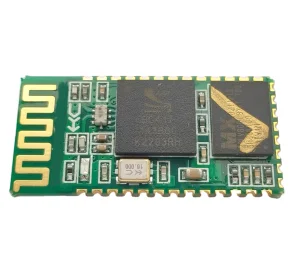
Operating in the microwave spectrum, these boards use Rogers 4000 series substrates mixed with Shengyi High-TG FR-4 to process signals up to 40 GHz. Strict impedance control (typically kept within ±5% tolerance) is required to reduce wave reflections and signal loss.
Automotive radar systems (operating at 24GHz and 77GHz) rely on PTFE-based microwave laminates for stable performance in outdoor environments. High thermal conductivity is also required to dissipate heat from the transceiver chips.
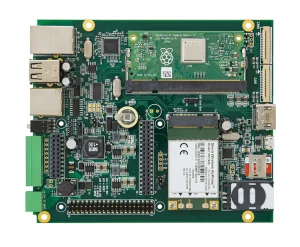
In server architecture, motherboards must handle multi-gigabit DDR4/DDR5 signals. This requires complex routing configurations with up to 24 layers, backdrilled vias to remove stubs, and high-performance copper heat sinks (e.g., LGA115X) to maintain system reliability under load.
Technical clarifications regarding Rogers hybrid stackups, high-speed RAM manufacturing, and impedance controls.
Explore our full line of memory modules, customized control boards, and thermal solutions designed for industrial applications.
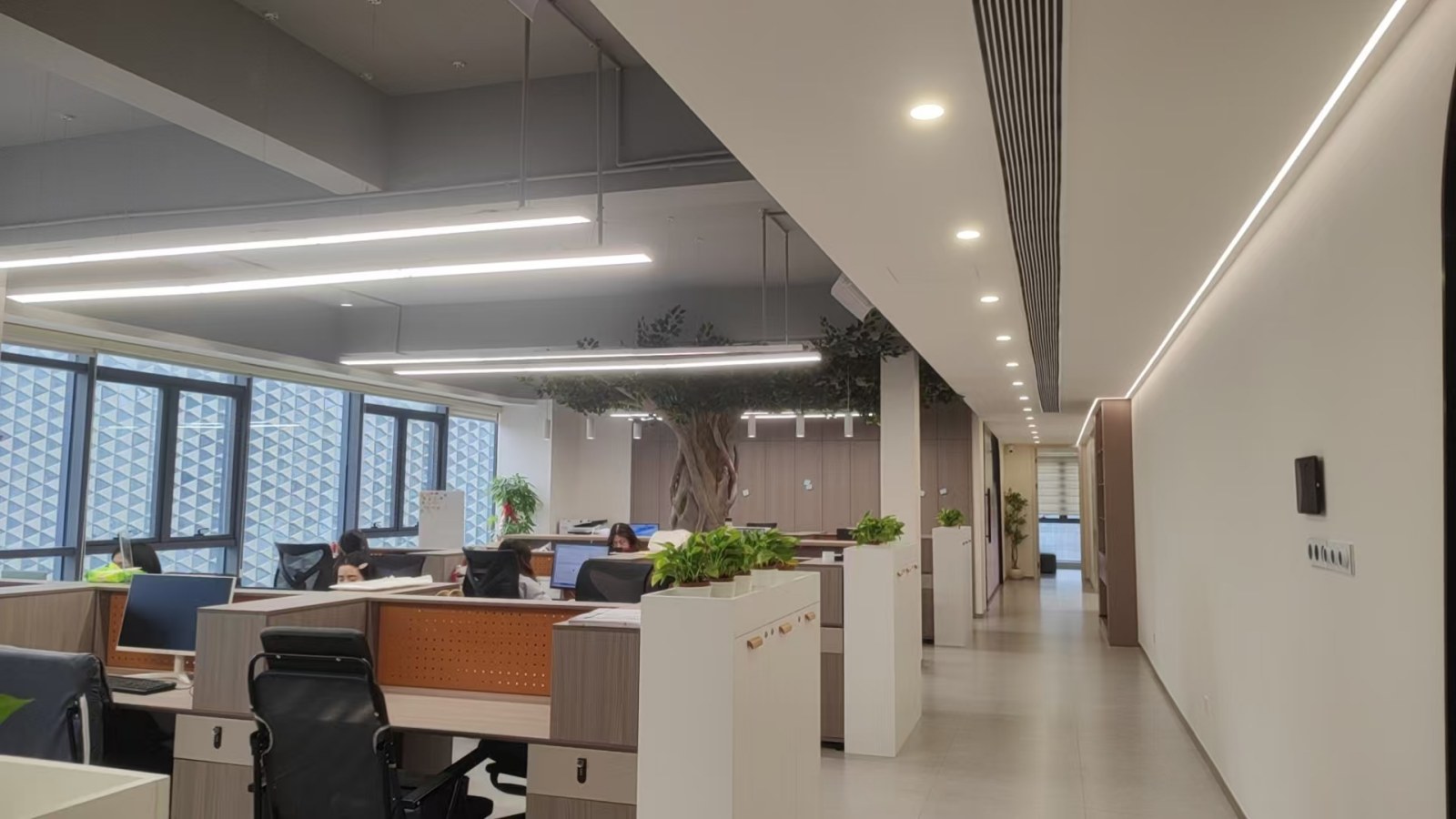
Behind our engineering services is a structured organization that handles quality control and supply chain logistics.
Vorynex Memory Technology (China) Co., Ltd. is a provider of DDR4/DDR5 memory modules, motherboard solutions, and specialized PCB designs. Established in 2016, we have built manufacturing and testing processes that support our clients' technical requirements.
Our primary facility handles rapid prototyping and test validation. We generate approximately USD 12 million in annual export revenue, supported by 6 years of export experience and 12 years of industry experience in semiconductor and board assembly design.
Quality control is managed by a team of approximately 45 QC staff. We conduct 100% testing on all products, including:
We work with brand distributors, system integrators, and industrial equipment manufacturers across North America, Europe, Southeast Asia, the Middle East, and South America. Supported by a design team of 180 R&D engineers, we continuously release new products to match changing technical requirements.
 Vorynex