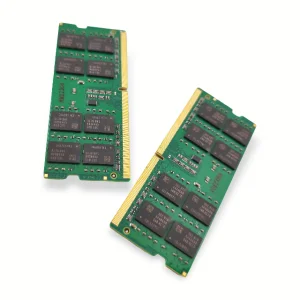
Explore our premium selection of DDR3, DDR4, ECC, and specialized industrial PCBA modules designed for maximum reliability.
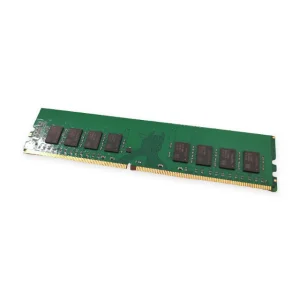
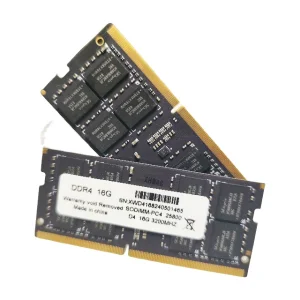
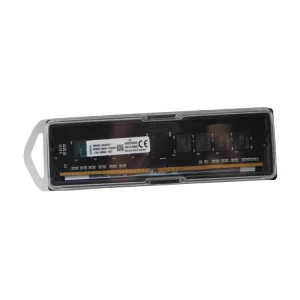
The dynamic global demand for computer hardware has propelled the desktop dynamic random-access memory (DRAM) sector to the forefront of the technological economy. As global supply chains adjust to the requirements of enterprise-level computing, cloud server infrastructure, and complex artificial intelligence architectures, the desktop DDR RAM module remains a pivotal cornerstone. The global DRAM market structure is characterized by localized manufacturing hubs, rigorous research pipelines, and comprehensive international trade regulations. Within this context, China has emerged as an indispensable partner in the design, SMT (Surface Mount Technology) assembly, and distribution of high-capacity memory components.
Desktop memory is no longer evaluated solely on baseline storage metrics. Today's global market demands high frequencies, improved latency characteristics, and optimal thermal profiles to match modern CPU specifications. System integrators, high-performance computing labs, and consumer electronics distributors prioritize supply chain transparency, quality assurance protocols, and manufacturing flexibility. Desktop memory manufacturers must integrate advanced engineering principles to sustain competitiveness while adhering to environmental directives such as RoHS and Lead-Free certifications.
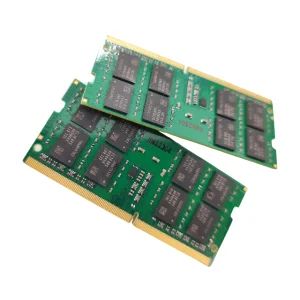
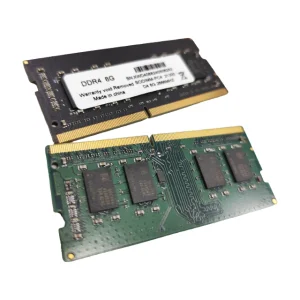
The transition from Double Data Rate 4 (DDR4) to Double Data Rate 5 (DDR5) represents a profound paradigm shift in electrical signaling, memory bus layout, and power management. While DDR4 memory remains the industrial workhorse—powering standard desktop computers with frequencies ranging from 1600MHz to 3200MHz—DDR5 introduces structural improvements designed to optimize multicore processing.
Uses a single 32-bit channel per DIMM. Power management is located on the motherboard. Speeds scale from 1600MHz up to 3200MHz standard, running at 1.2V.
Splits the memory bus into two independent 32-bit sub-channels. Integrates a Power Management Integrated Circuit (PMIC) on the module. Speeds exceed 4800MHz at a low 1.1V.
While DDR5 scales in enthusiast channels, enterprise purchasers continue to buy high-volume DDR4 modules due to cost-efficiency and established stability profiles.
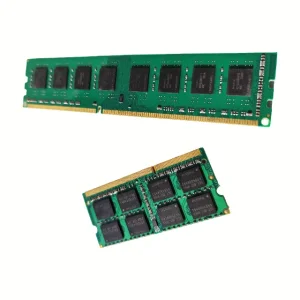
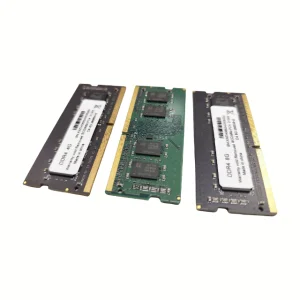
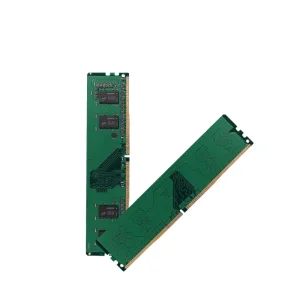
Furthermore, DDR5 implements On-Die ECC (Error Correction Code) to detect and correct single-bit errors inside the memory array before outputting data. For hardware buyers, standard DDR4 UDIMMs remain highly relevant because motherboard configurations in B2B markets, medical devices, and manufacturing control consoles rely on existing DDR4 chipsets. Therefore, standard desktop computer suppliers continue to manufacture both legacy DDR3 modules and modern high-frequency DDR4 and DDR5 designs.
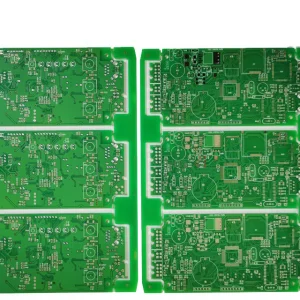
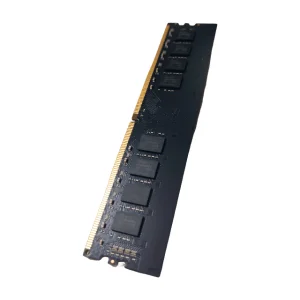
Desktop memory reliability is directly influenced by the quality of the printed circuit board assembly (PCBA) and original DRAM chip binning. A memory module is composed of several critical layers:
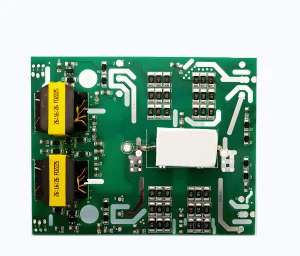
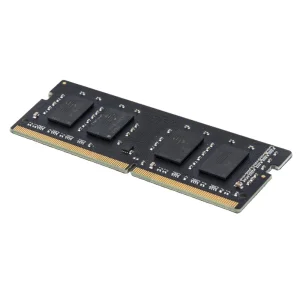
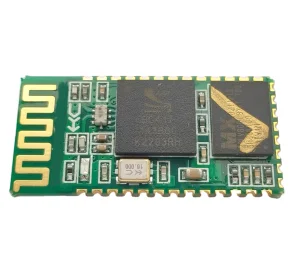
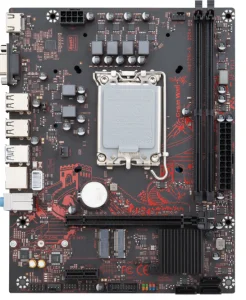
Beyond desktop RAM, modern memory exporters like Vorynex manage diverse electronics manufacturing tasks. This includes high-density assembly processes for gold detectors, industrial welding drivers (IGBT boards), and motherboard chipsets (LGA1700 H610 series). A desktop memory manufacturer with custom PCB assembly capabilities can adapt production lines to satisfy customized requirements across standard UDIMMs, SODIMMs, and embedded computing systems.
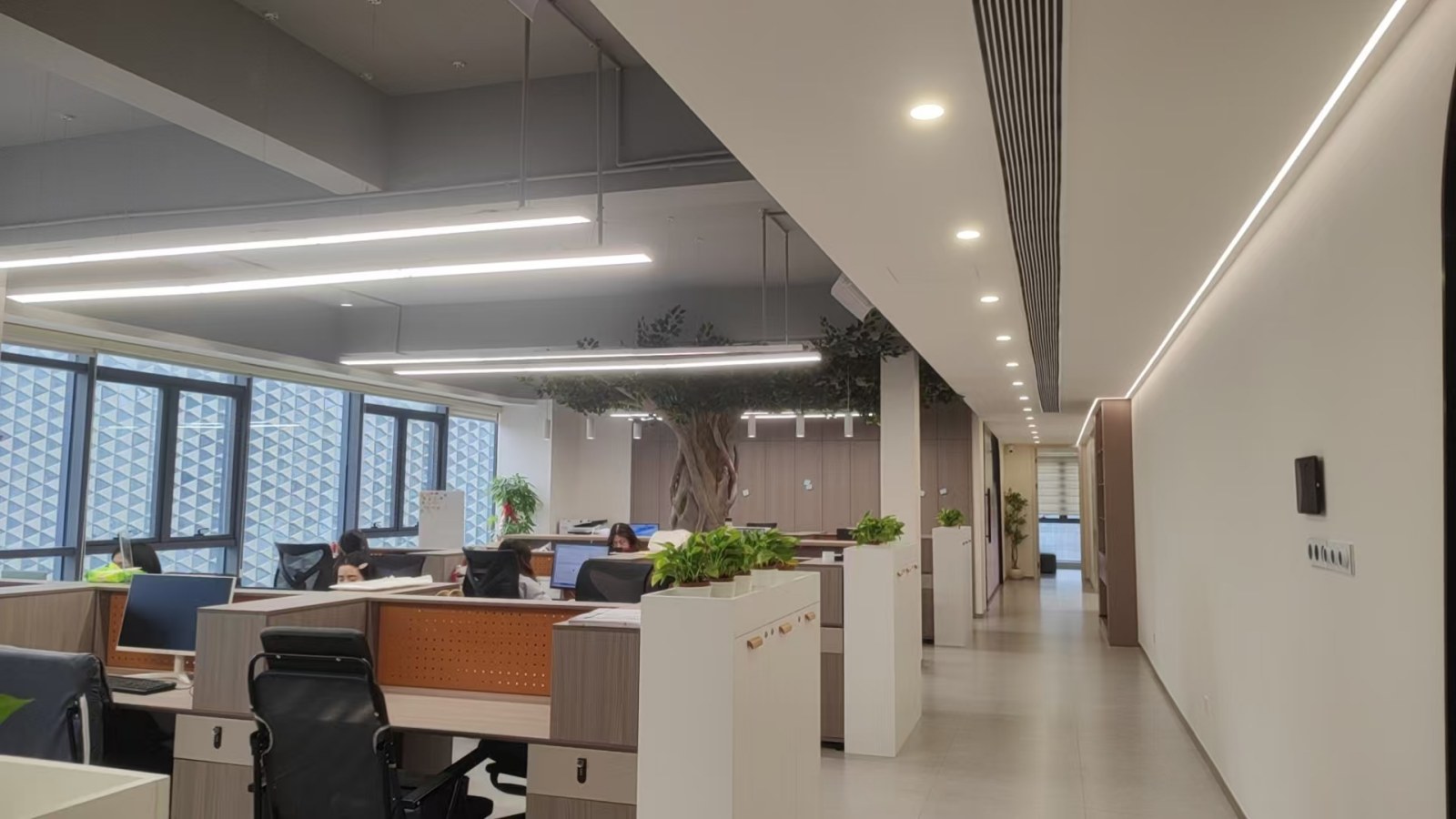
Vorynex Memory Technology (China) Co., Ltd. is a professional DDR5/DDR4 manufacturer and OEM/ODM solution provider specializing in high-performance memory modules.
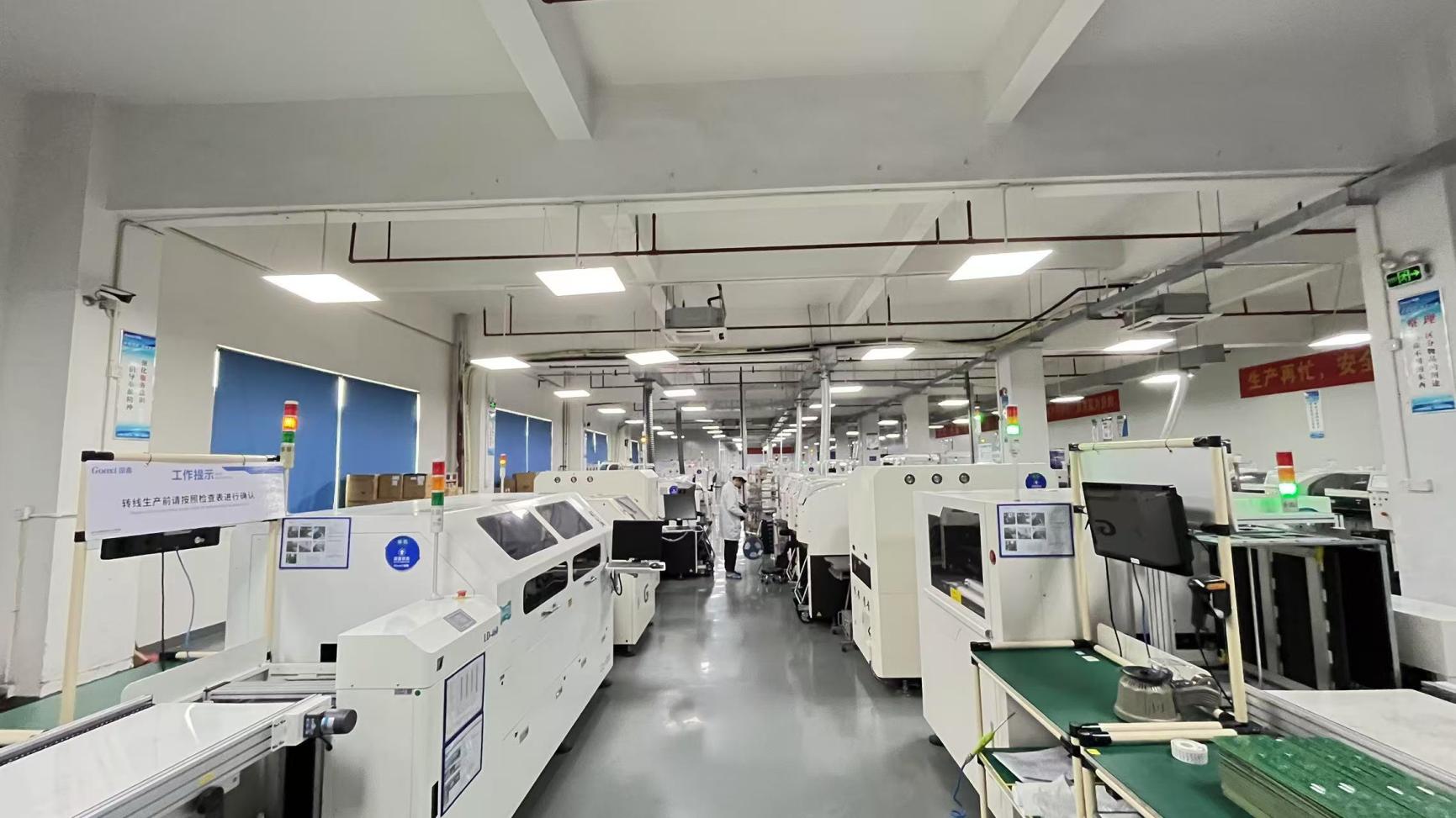
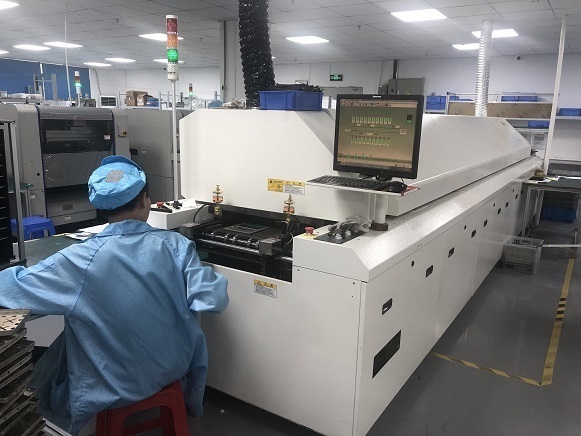
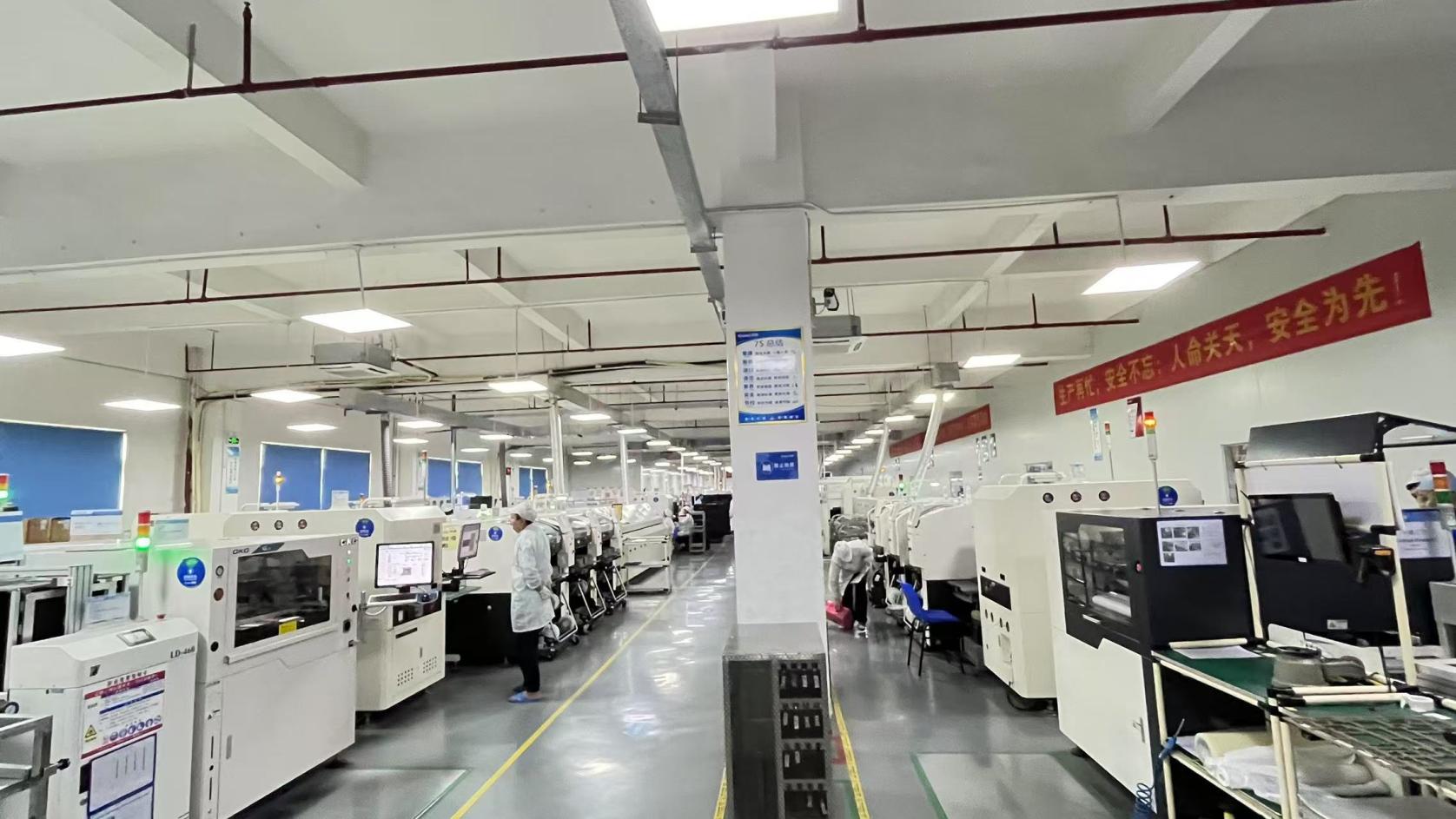
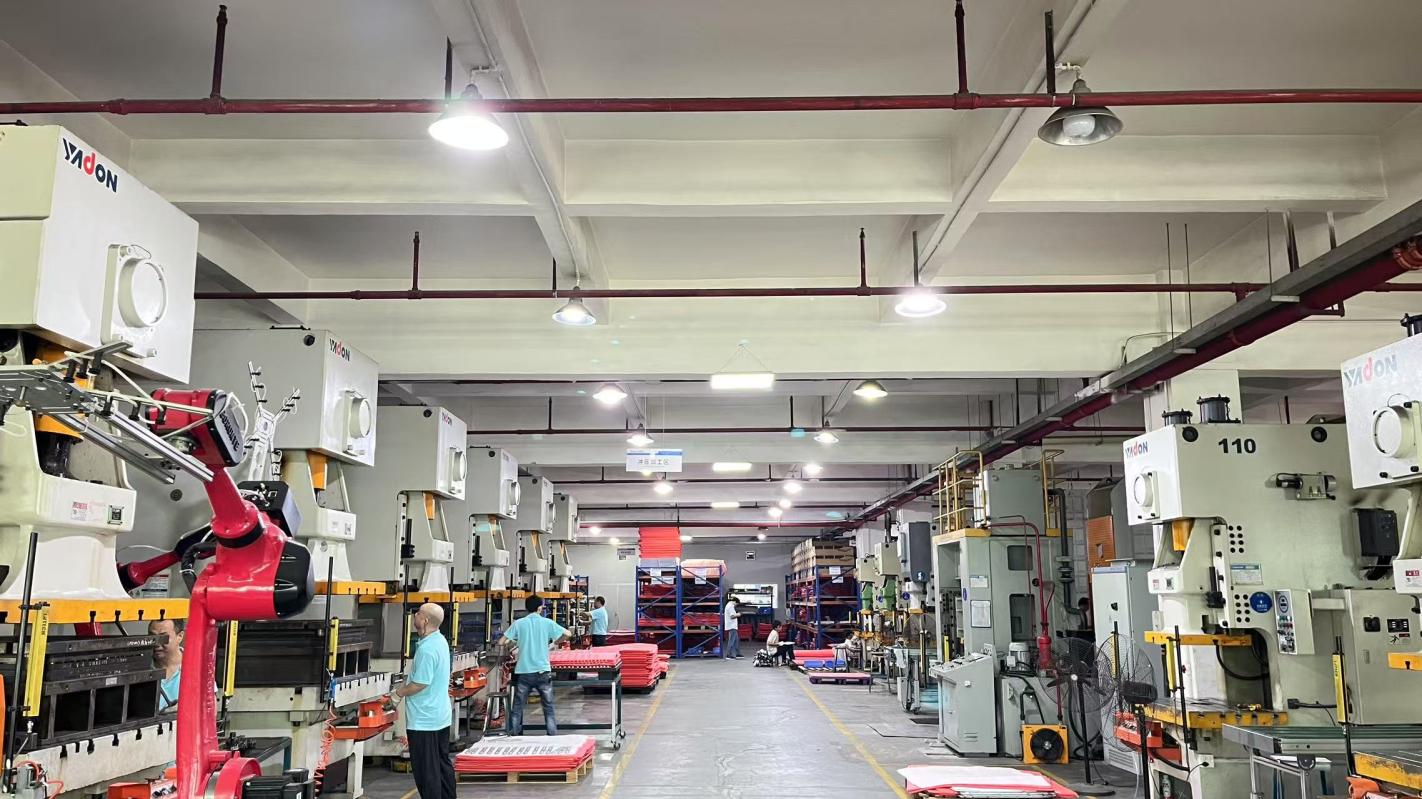
At Vorynex's specialized production facility, memory modules undergo precision manufacturing designed to maintain strict tolerance control. Operating with advanced surface mount technology (SMT) lanes, our engineering team monitors each step of the component assembly.
We offer complete customization solutions to meet client needs. Our services range from frequency tuning and PCB design customization to specialized heatsink manufacturing and custom SPD firmware optimization. In the past year, we have successfully developed approximately 240 new memory models, demonstrating our capacity to support B2B clients with tailored products.
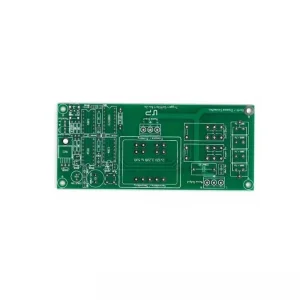
Sustaining reliability in memory manufacturing requires strict supply chain management. By partnering with over 1,200 supply chain stakeholders, Vorynex secures access to high-quality components. Whether assembling DDR4 modules or manufacturing specialized double-layer PCBs, maintaining strict quality control standard is fundamental to our operation.
Our QC team of 45 professionals uses a multi-tier verification process:
Technical answers for procurement officers, system integrators, and design engineers.
Browse our expanded list of components, high-density PCBs, and high-frequency memory modules.
 Vorynex