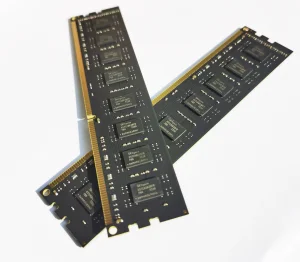
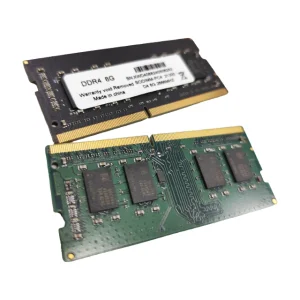
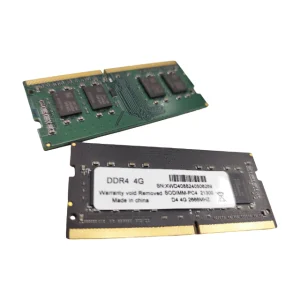
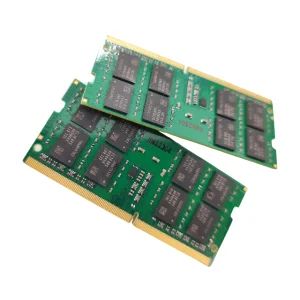
Explore our leading RF laminates, advanced computing memories, and structural multi-layer circuitry designed to serve the United States industrial automation sector.
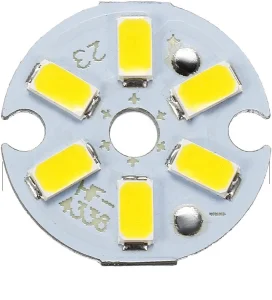
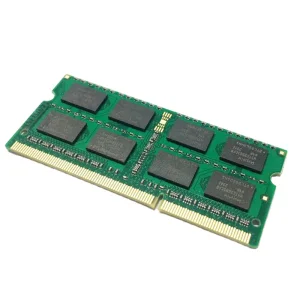
Serving defense, aerospace, 5G networking, and satellite telecom demands with certified materials and ultra-precise line width controls.
Full spectrum processing of Rogers RO4000 series, RO3000 series, and RT/duroid PTFE copper-clad laminates for low-loss high-speed digital designs.
IPC-A-600 Class 3 compliance, AS9100 aerospace engineering frameworks, and absolute trace impedance validation via Vector Network Analyzers (VNA).
Proprietary high-Tg hybrid pressure laminating techniques combining Rogers ceramics with Shengyi FR4 layers to optimize heat dispersion and bill-of-materials costs.
As the United States accelerates its transition toward 5G Advanced, 6G prototypes, 77GHz automotive driver-assist radar arrays (ADAS), and Low Earth Orbit (LEO) satellite communications, the demands placed upon High-Speed Digital (HSD) and Radio Frequency (RF) circuitry have grown exponentially. Conventional FR-4 substrates, which have served the consumer electronics market reliably for decades, struggle with excessive insertion loss, dielectric constant instability, and high thermal coefficients when subjected to high gigahertz frequencies. This technical gap is filled by Rogers High-Frequency Laminates.
However, securing high-yield, cost-effective, and highly reliable Rogers PCB fabrication requires a deeply integrated manufacturing partner. Designing these boards demands specialized engineering capabilities, strict raw material trace control, and advanced testing setups. This whitepaper analyzes the current United States RF/microwave market, the chemical and physical mechanics of Rogers PTFE and ceramic-filled hydrocarbon laminates, and the logistical advantages of global supply chain optimization.
The industrial landscape in the United States is currently undergoing a massive structural overhaul driven by four main pillars:
When engineering high-frequency Rogers PCBs, two critical material characteristics must be optimized: Dk (Dielectric Constant / Relative Permittivity) and Df (Dissipation Factor / Loss Tangent). Standard FR-4 typically features a Dk of ~4.5 and a Df of ~0.02. At 10 GHz, this results in significant signal attenuation and dispersion, where different frequency components travel at different speeds, distorting the signal waveform.
In contrast, Rogers hydrocarbon ceramic materials, such as RO4350B, exhibit a stable Dk of 3.48 ± 0.05 and a Df of 0.0037. This ultra-low loss tangent minimizes dielectric loss, allowing RF systems to transmit signals with lower power consumption and improved signal-to-noise ratios (SNR). Furthermore, Rogers materials offer exceptional dimensional stability during thermal changes, which is vital for maintaining tight trace-to-trace spacing in differential microstrip lines, striplines, and coplanar waveguide (CPW) configurations.
For US RF engineers, optimizing impedance matching at the feedlines (typically targetted at 50±2 Ohms) requires exact dielectric thickness tolerances and extremely smooth copper foil interfaces. High copper profile roughness causes "skin effect" losses at high frequencies, where the electrical signal travels along the outer edge of the conductor. By utilizing Rogers materials with Electrodeposited (ED) or Rolled copper foils, we reduce these losses, maximizing signal performance.
| Rogers Grade | Dielectric Constant (Dk @10GHz) | Dissipation Factor (Df @10GHz) | Thermal Conductivity (W/m/K) | Primary Industrial Application |
|---|---|---|---|---|
| RO4003C | 3.38 ± 0.05 | 0.0027 | 0.71 | Base station antennas, LNBs, RF components, radars. |
| RO4350B | 3.48 ± 0.05 | 0.0037 | 0.69 | High-reliability communications, automotive radar, hybrid multilayers. |
| RO3003 | 3.00 ± 0.04 | 0.0010 | 0.50 | 77 GHz automotive ADAS, ADAS radar sensors, mmWave systems. |
| RT/duroid 5880 | 2.20 ± 0.02 | 0.0009 | 0.20 | Aerospace, satellite, military applications, microstrip circuits. |
| RT/duroid 6002 | 2.94 ± 0.04 | 0.0012 | 0.60 | Airborne radar, collision avoidance, satellite phase arrays. |
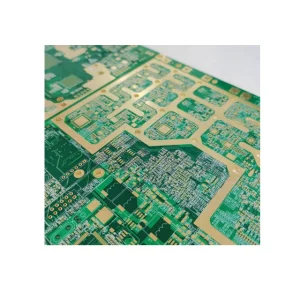
While Rogers laminates offer unparalleled electrical performance, using them for an entire 16-layer or 24-layer board is often economically challenging and structurally unnecessary. Consequently, Vorynex engineers specialize in designing and manufacturing Hybrid Multilayer PCBs. This approach uses Rogers materials only on layers where critical high-frequency or high-speed traces are routed (e.g., layers 1 and 2), while using standard High-Tg FR-4 (such as Shengyi TG170) for core routing and power planes.
This hybrid structure provides several key advantages:
Our engineering team works closely with US systems designers to optimize the prepreg selection and bondply materials (such as Rogers RO4450F) to ensure perfect registration and layer adhesion during the vacuum lamination process.
In the high-tech electronics sector, supply chain delays can stall key product rollouts. Vorynex Memory Technology maintains strong strategic relationships with global raw material suppliers, allowing us to hold substantial inventory of Rogers laminates. This guarantees that US clients do not face the typical 6-to-12 week lead times common in domestic manufacturing pipelines.
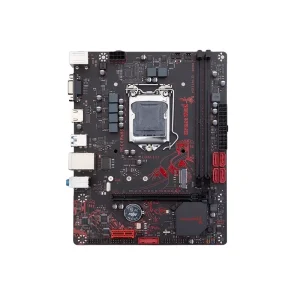
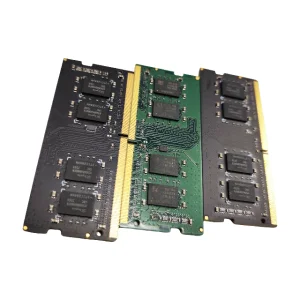
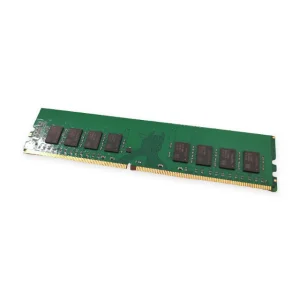
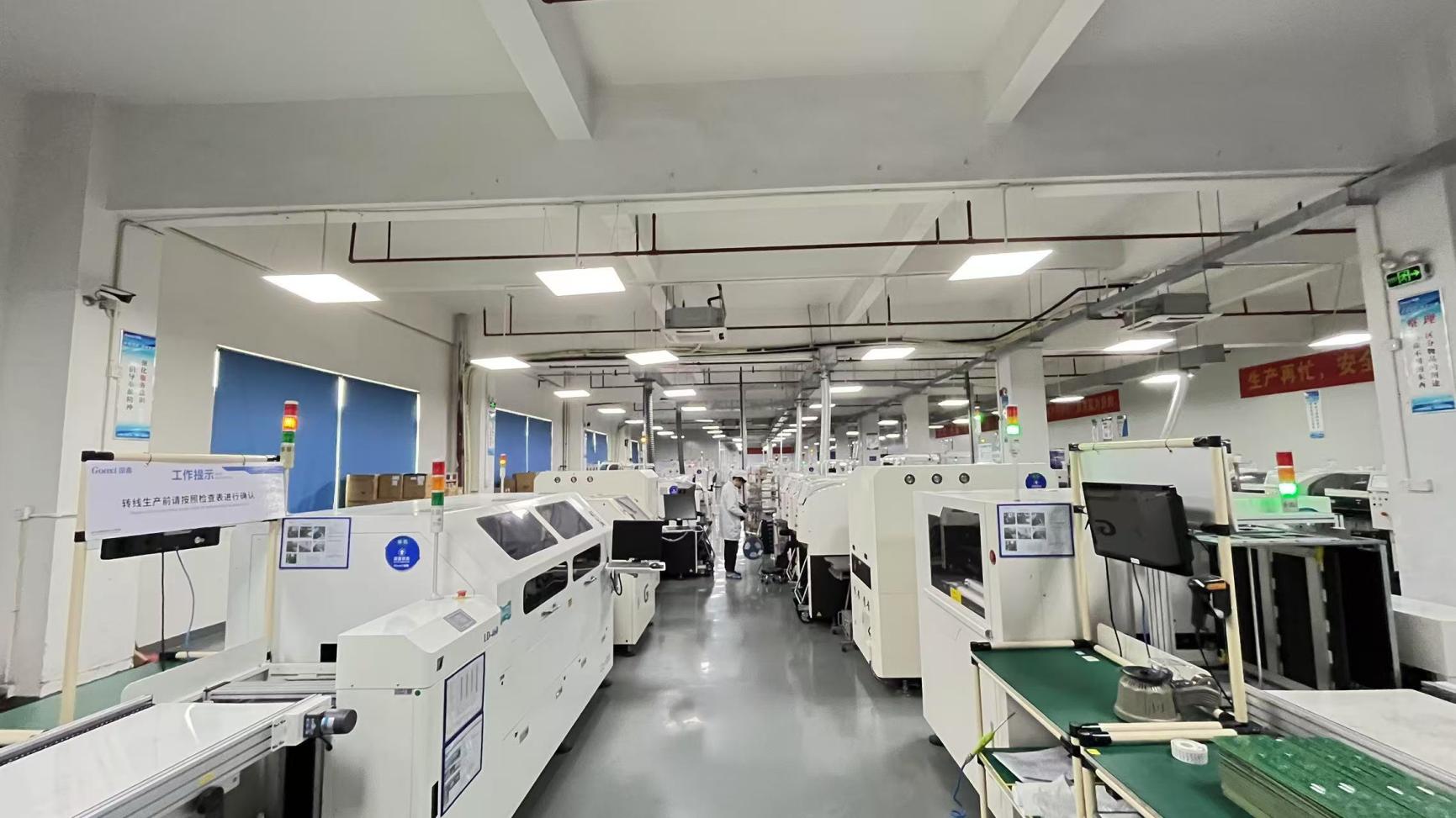
Additionally, our state-of-the-art facilities in China benefit from an integrated raw material ecosystem, high-yield automation equipment, and highly skilled PCB laminating technicians. We can transition prototypes to volume production rapidly. The combination of Vorynex’s high-precision high-frequency PCB lines with our semiconductor memory packaging lines provides a unique engineering synergy: we can construct, assemble, and optimize high-speed motherboard-and-memory modules under one single manufacturer profile, reducing logistics interfaces and points of failure.
RF circuits operate at the margins of physics, where even tiny manufacturing defects (such as minor copper variations, via registration errors, or voids in laminates) can result in severe performance degradation. To ensure reliability for high-integrity environments like telecom, medical devices, and server infrastructures in the US, Vorynex employs a comprehensive suite of quality control protocols:
Vorynex Memory Technology (China) Co., Ltd. — Professional OEM/ODM High-Speed Semiconductor and Specialized Substrate Provider.
Vorynex Memory Technology (China) Co., Ltd. is a professional DDR5 memory manufacturer and OEM/ODM solution provider specializing in high-performance memory modules and related high-frequency PCB system integrations for global markets.
Established in 2016, the company has developed strong manufacturing and engineering capabilities over the years. With a modern production facility covering approximately 320㎡, Vorynex focuses on delivering stable, high-speed, and energy-efficient memory solutions for gaming, industrial, and enterprise applications.
The company achieved an annual export revenue of approximately USD 12 million, supported by 6 years of export experience and over 12 years of industry experience in memory and semiconductor-related fields.
Vorynex maintains strict quality control standards, including 100% functional testing, aging tests, compatibility testing, and high-temperature stress testing. Product inspection methods include automated optical inspection (AOI), in-circuit testing (ICT), and final system-level validation. The quality assurance team consists of approximately 45 professional QC staff ensuring consistent product reliability.
With a strong international trade background, Vorynex serves key markets including North America, Europe, Southeast Asia, the Middle East, and South America. The company collaborates with more than 1,200 supply chain partners, enabling stable sourcing of high-quality DRAM chips, advanced Rogers/Shengyi substrate raw materials, and high-precision copper foils.
Its primary customer base includes brand distributors, system integrators, industrial equipment manufacturers, and gaming hardware companies. Vorynex also has strong R&D capabilities, supported by a team of approximately 180 R&D engineers, focusing on memory architecture optimization, high-frequency signal integrity, thermal dissipation, and compatibility enhancement.
Customization is fully supported, including frequency tuning, PCB design customization, heat sink design, branding (private label), and firmware optimization. In the past year, the company successfully launched around 240 new product models, covering DDR4, DDR5, and specialized industrial memory solutions.
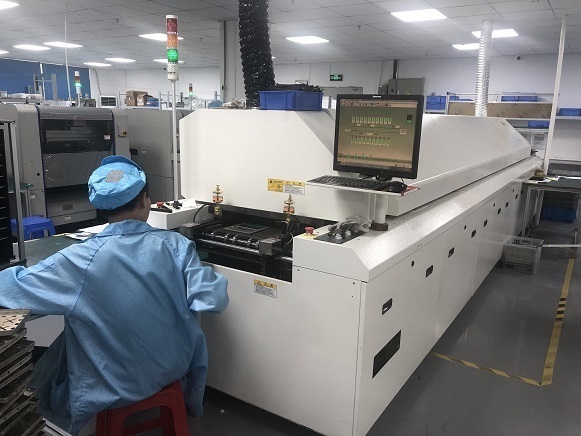
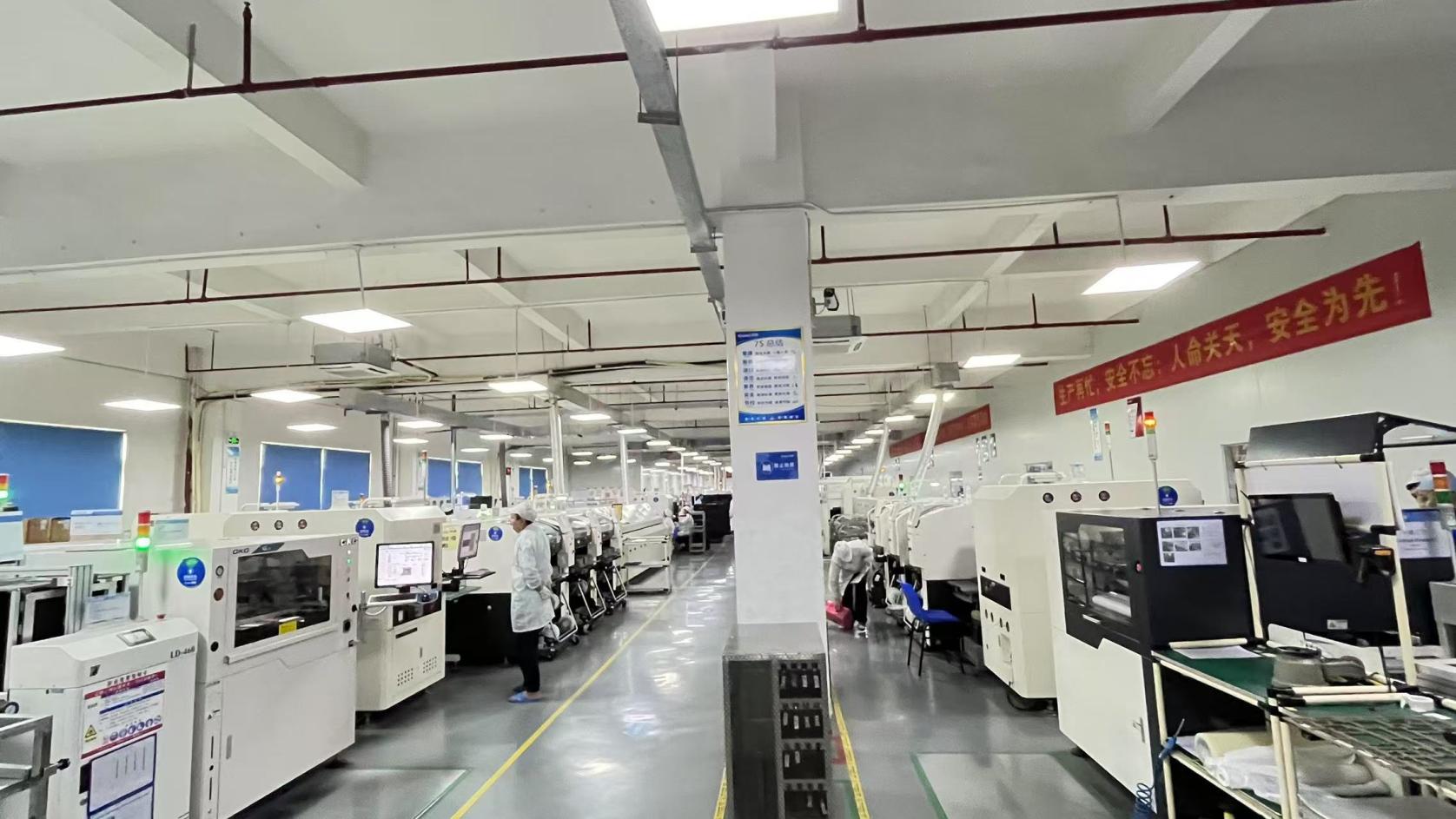
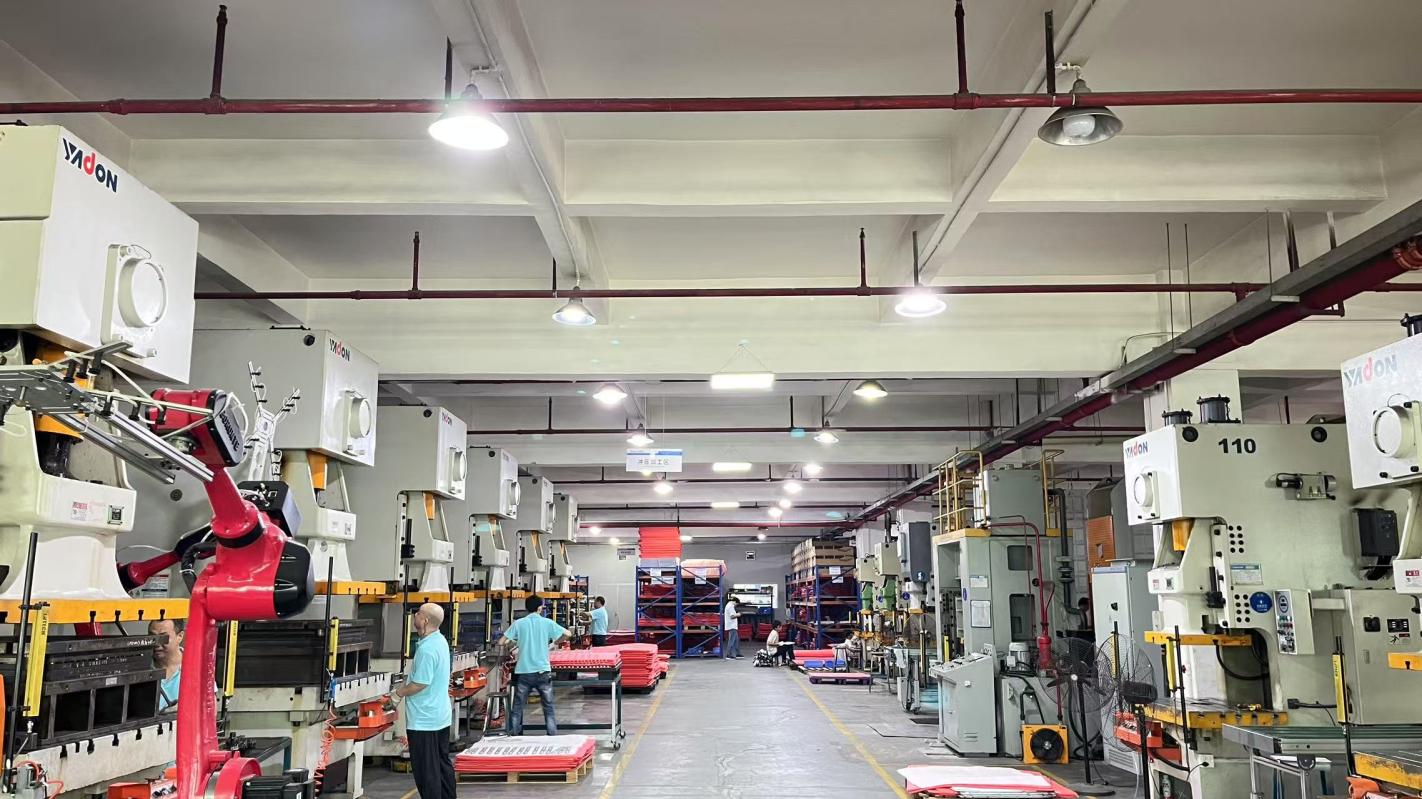
A comprehensive catalog of computing elements, high-density PCBs, and high-reliability memory modules for global systems integration.
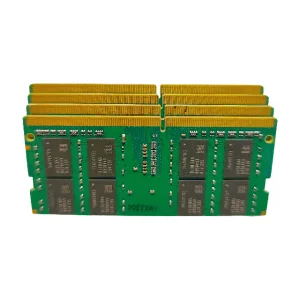
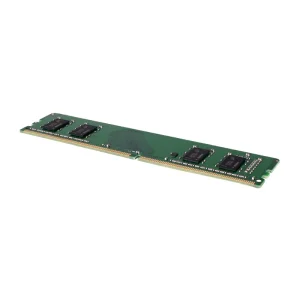
Crucial engineering insights for US designers developing radio-frequency microstrip systems and hybrid ceramic-FR4 stackups.
 Vorynex