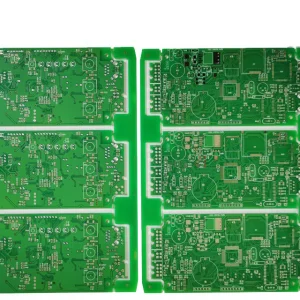
Advanced high-frequency laminates engineered for minimal insertion loss and optimal impedance control.
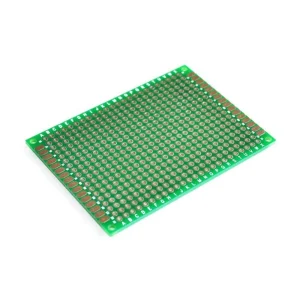
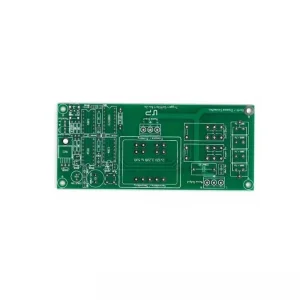
As Bangladesh charges forward with its ambitious "Smart Bangladesh 2041" framework, the nation's demand for advanced hardware substrates is expanding exponentially. Historically characterized by its dominance in light manufacturing and agriculture, the local economy in industrial hubs like Dhaka, Chittagong, and Gazipur is rapidly upgrading toward high-tech electronics, IoT nodes, and telecommunication infrastructure. This shift is driven by deep state investments in telecommunications (such as Teletalk and private giants like Grameenphone and Robi expanding Sub-6GHz and preparing for mmWave 5G spectrums) and municipal smart grid transformations managed by DPDC and DESCO.
To support this structural shift, local developers require high-performance hardware components capable of operating at frequencies starting from 1 GHz to upward of 77 GHz. High-Frequency Printed Circuit Boards (HF PCBs) constructed from low-loss materials are the foundational components for these advanced systems. Standard FR4 glass-epoxy laminates are highly inefficient at high frequencies because their dielectric constant (Dk) shifts unpredictably and dielectric loss (Df) spikes dramatically, leading to severe signal distortion. Consequently, importing robust HF PCBs using premium laminates like Rogers, Taconic, and High-TG Shengyi has become essential for local high-tech developers and infrastructure suppliers.
Deploying MIMO antenna arrays and high-capacity small cells across metropolitan Dhaka demands reliable RF PCB systems with stable thermal attributes and minimal dielectric losses.
National efforts to update industrial power monitoring systems rely on smart RF sensors operating under harsh, high-humidity ambient environments.
Modernizing Chittagong and Mongla Port radar complexes necessitates high-frequency microwave boards with robust signal integrity under saline and corrosive maritime conditions.
When engineering printed circuit boards for microwave and radio-frequency bands, the selection of the substrate material dictates the overall performance of the system. In high-frequency designs, signal propagates as electromagnetic waves in the dielectric medium rather than simply flowing through copper conductors. Therefore, maintaining strict control over the substrate properties is crucial to prevent signal attenuation and phase distortion.
Bangladesh presents unique challenges for electronic hardware: extreme relative humidity (frequently exceeding 85% during monsoon periods) and elevated ambient temperatures. These conditions directly affect PCB materials:
| Substrate Family | Dielectric Constant (Dk @10GHz) | Dissipation Factor (Df @10GHz) | Moisture Absorption (%) | Primary Application Fields |
|---|---|---|---|---|
| Rogers RO4003C / RO4350B | 3.38 - 3.48 | 0.0021 - 0.0037 | 0.06 | 5G Infrastructure, LNBs, Automotive Radar, Power Amplifiers |
| Taconic TLY-5 (PTFE/Fiberglass) | 2.20 | 0.0009 | < 0.02 | Aerospace Radar, High-precision Military Telemetry, Satcom |
| Shengyi High-TG FR4 (TG170) | 4.2 - 4.6 | 0.015 - 0.020 | < 0.15 | High-speed Digital Boards, Mixed-signal Industrial Controller PCBA |
For cost-effective deployment in budget-conscious markets, we utilize mixed pressure hybrid stack-ups. For example, combining Rogers 4350B layers for the topmost critical microwave signals with high-TG Shengyi FR4 layers for lower-speed digital routing and power planes. This structure achieves premium high-frequency performance on the RF trace layers while utilizing the low-cost structural advantages of FR4, making it highly suitable for telecommunication components destined for the Bangladeshi market.
Our tailored high-frequency PCB systems serve critical infrastructure sectors throughout the country:
With major telecom companies rolling out LTE Advanced and Sub-6GHz 5G networks across dense urban centers like Motijheel and Gulshan, we export high-reliability hybrid multilayer PCBs using Rogers 4000 series. These boards support the high-gain antenna arrays, baseband processing units, and RF power amplifiers that maintain link stability under heavy user traffic.
The transition toward smart electricity meters by utilities in Dhaka requires robust RF communication modules (using LoRa, ZigBee, and cellular technologies). Our double-sided RF boards with controlled impedance matching ensure these meters transmit power usage data reliably over long distances, despite shielding and electromagnetic interference in crowded urban environments.
Safety of navigation in the Bay of Bengal relies heavily on naval transceivers and port authority radars. By supplying Taconic TLY-5 copper-clad laminates with exceptionally low dissipation factors, we provide the RF boards necessary for maritime radars to operate at X-band and S-band frequencies without signal attenuation, even in harsh saline climates.
At Vorynex Memory Technology (China) Co., Ltd., our engineering capability is backed by rigorous testing systems. High-frequency boards require tight tolerances; even a micrometer-level deviation in track width or dielectric thickness can cause major impedance mismatches, resulting in signal reflections (return loss) and system failure.
We utilize advanced Time Domain Reflectometers (TDR) to test every transmission line. Track impedance is controlled within ±10% tolerances (±5% by special request) to match RF transceiver requirements.
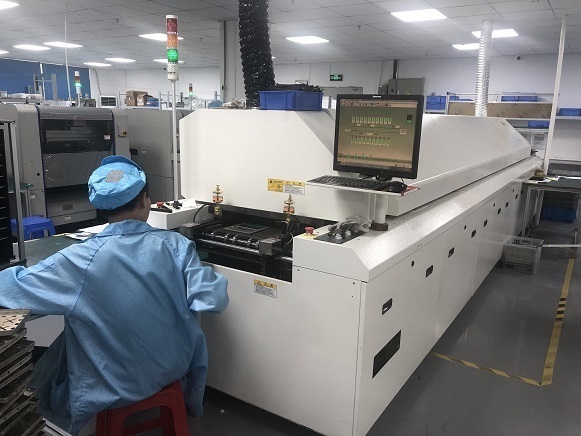
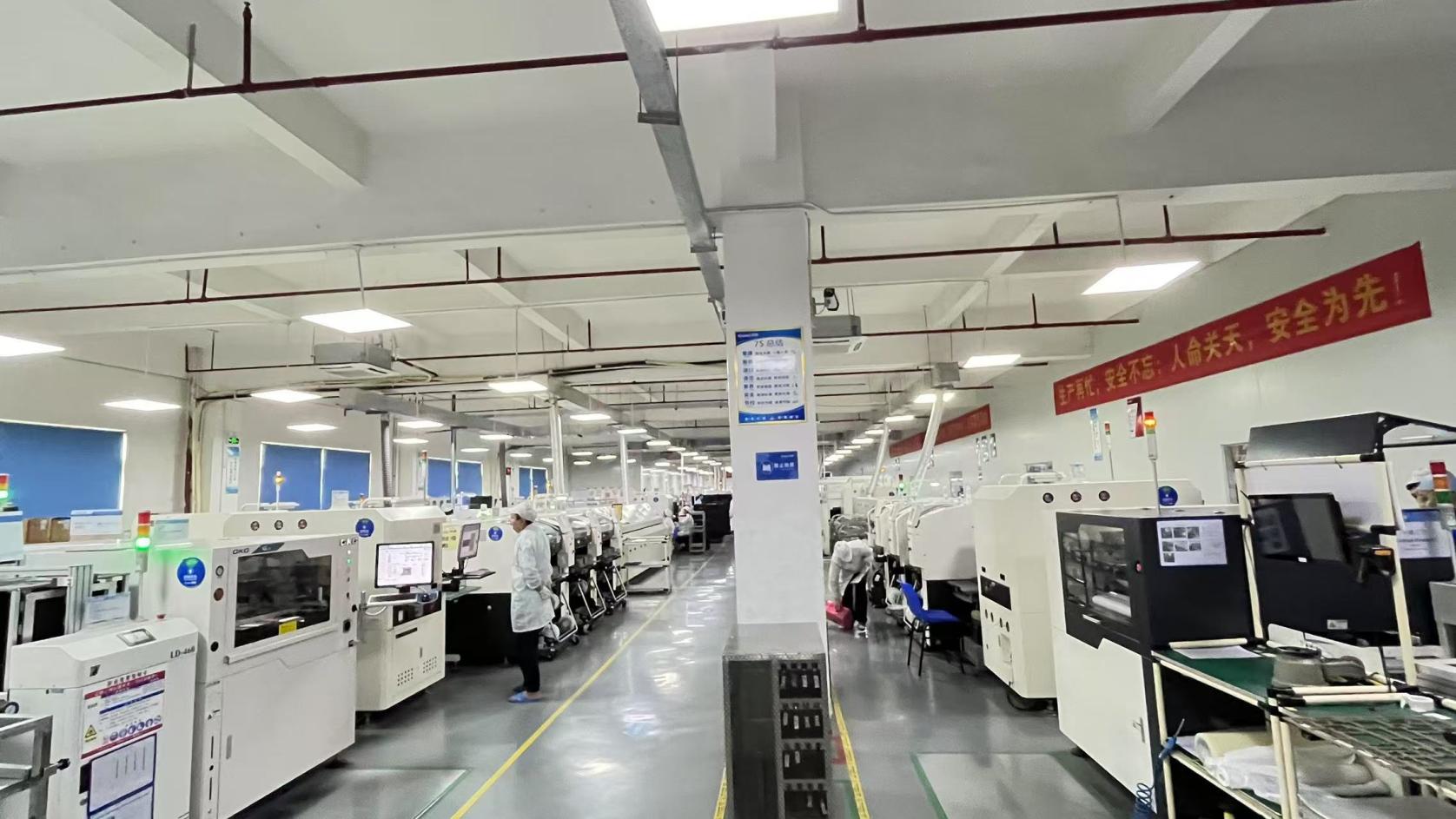
Automated Optical Inspection (AOI) detects trace defects before laminating. Flying probe and in-circuit testers verify electrical continuity, preventing micro-shorts that degrade RF pathways.
Given the tropical climate of Bangladesh, we conduct thermal cycling and humidity chamber testing. This ensures layers do not delaminate and dielectric parameters remain stable under humid operating conditions.
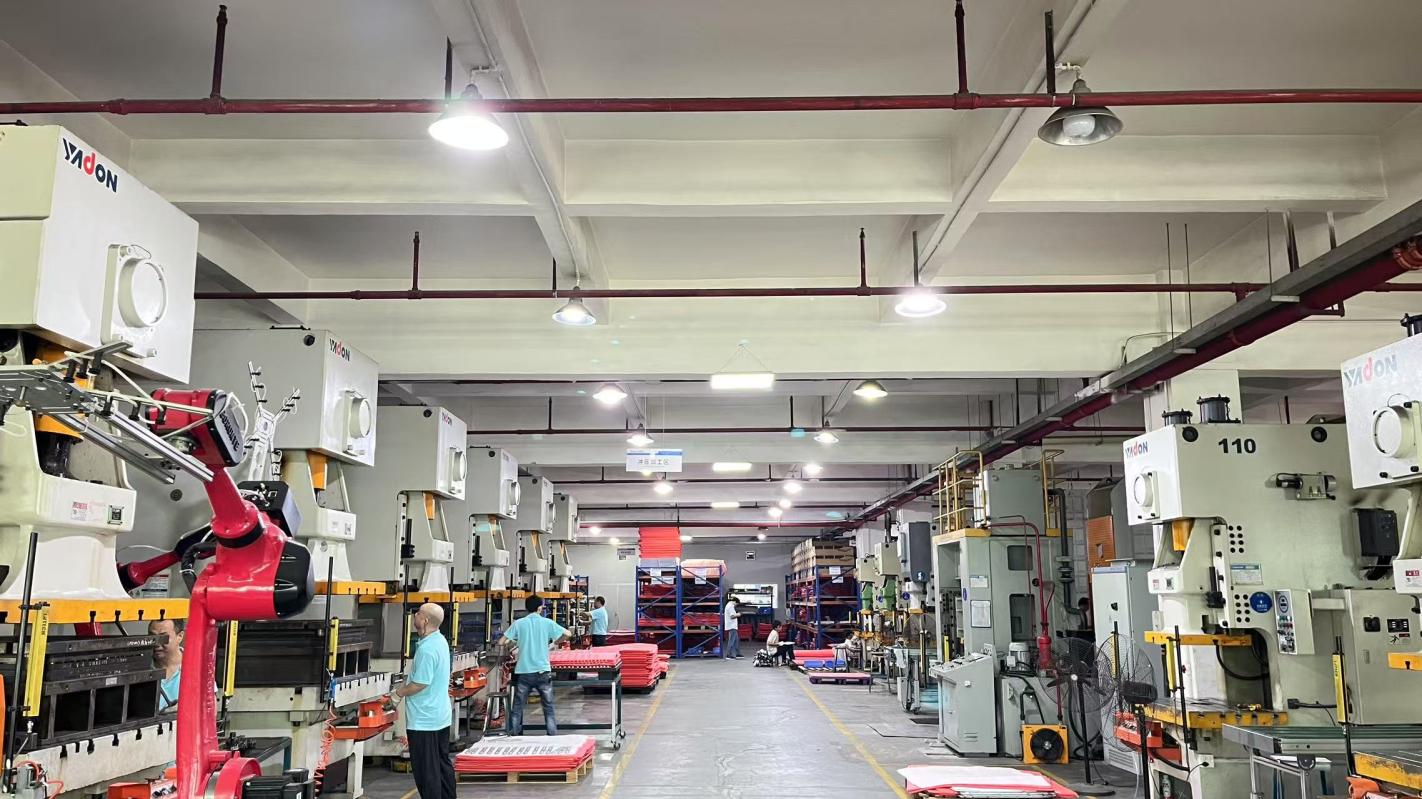
Our quality assurance workflow features a team of approximately 45 professional QC specialists. Every batch of high-frequency assemblies is verified through cross-sectional analysis and thermal stress testing to validate via plating reliability, ensuring long-term operational lifetimes when deployed in remote telemetry units across rural Bangladesh.
Vorynex Memory Technology (China) Co., Ltd. – Leading OEM/ODM High-Performance Electronics and Memory Solution Provider.
Established in 2016, Vorynex Memory Technology (China) Co., Ltd. is a professional DDR5/DDR4 memory manufacturer and OEM/ODM solution provider specializing in high-performance electronics and semiconductor integration for global markets. Over the years, the company has developed robust engineering capabilities. With a modern production facility, Vorynex focuses on delivering stable, high-speed, and energy-efficient systems for gaming, industrial, and telecommunications applications worldwide.
Our operations achieve an annual export revenue of approximately USD 12 million, supported by 6 years of export experience and over 12 years of industry experience in high-frequency laminates, PCB assemblies, and semiconductor memory integration. To guarantee the reliability of our products, we employ advanced quality testing protocols including 100% functional testing, aging tests, compatibility testing, and high-temperature stress testing. Our verification systems rely on Automated Optical Inspection (AOI), In-Circuit Testing (ICT), and system-level validation.
With an international trade structure, Vorynex serves major markets including North America, Europe, Southeast Asia, the Middle East, and South America. We work with over 1,200 supply chain partners, securing high-quality DRAM chips and advanced high-frequency laminates. Supported by our R&D team of approximately 180 engineers, we offer customization services, including frequency tuning, custom PCB layer configurations, heat sink engineering, and firmware optimization. In the past year, we released about 240 new product models, supporting global industrial upgrades.
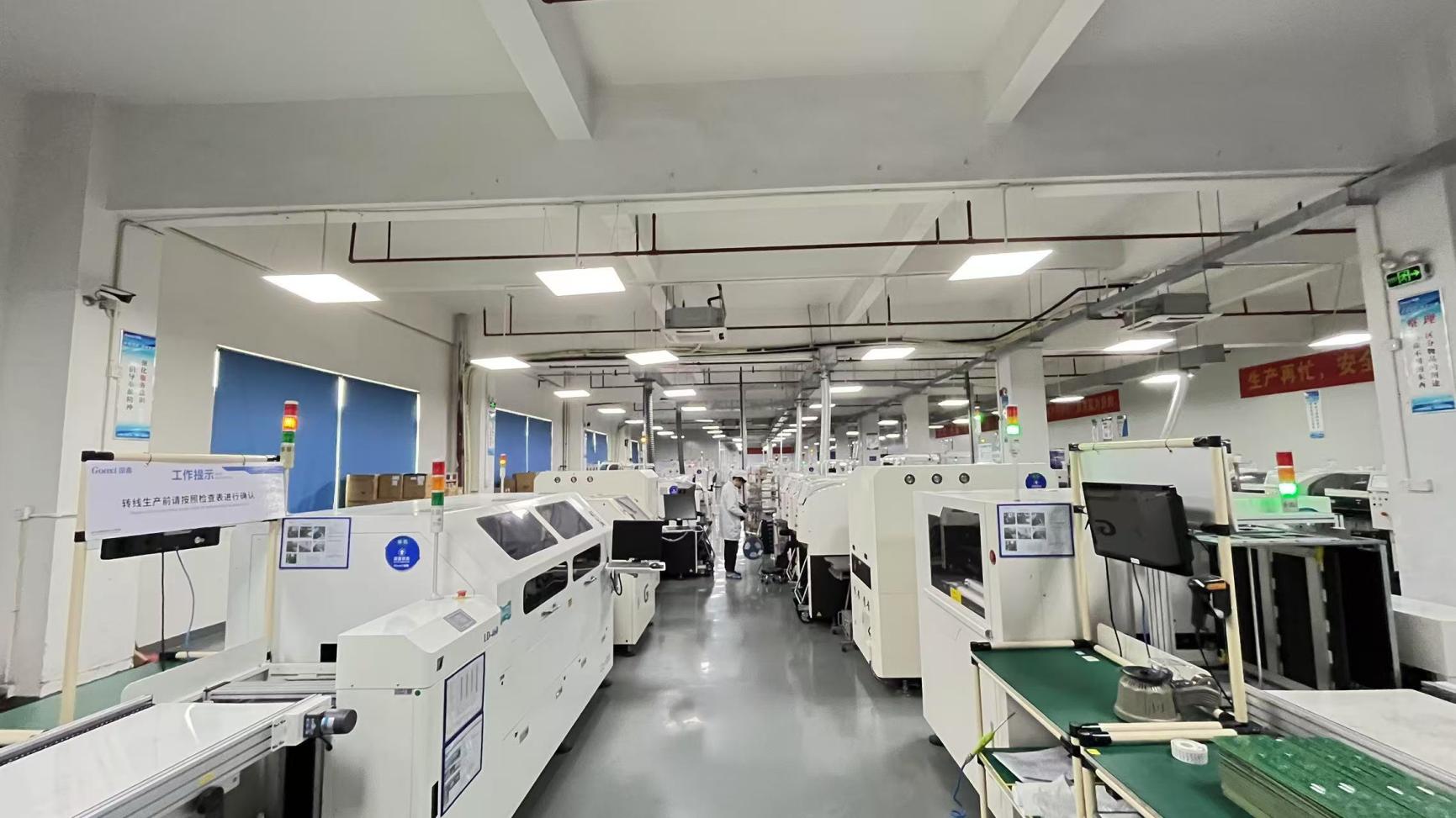
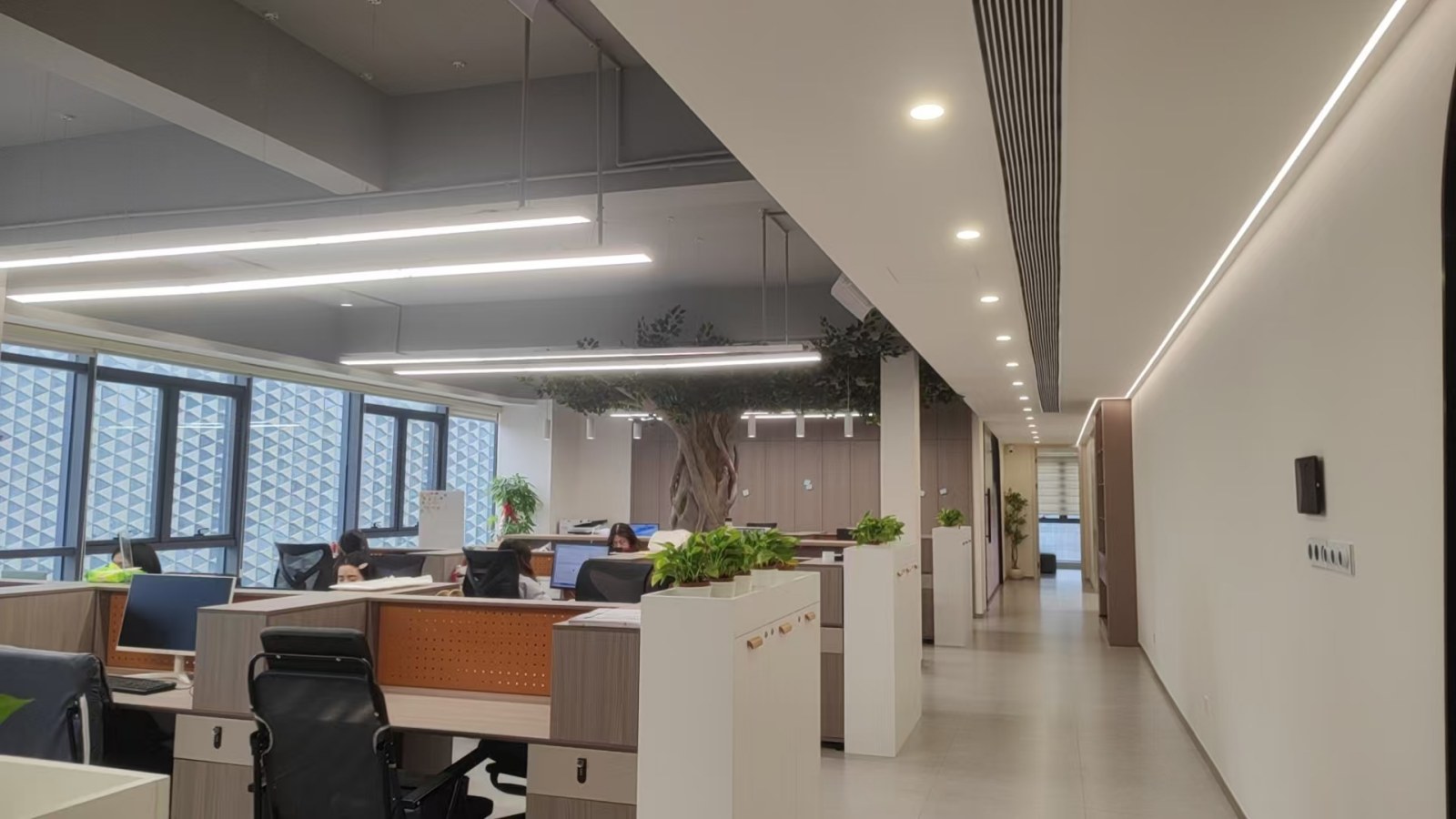
Addressing key design issues for electronic engineers deploying high-frequency systems in South Asia.
High-reliability components supporting Bangladesh’s telecommunication systems, server centers, and computing platforms.
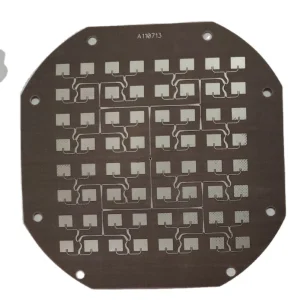
Get in touch with our design engineers to select the optimal RF substrate stack-up, verify impedance control matching, and optimize layout pathways for your system deployment.
Send Inquiry Now Vorynex