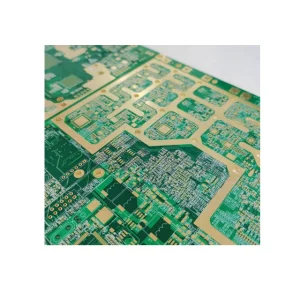
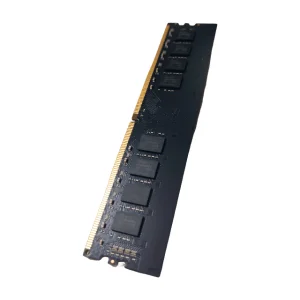
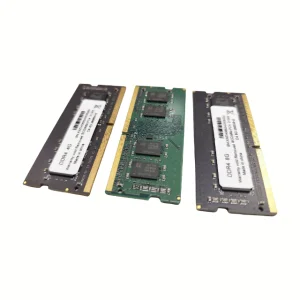
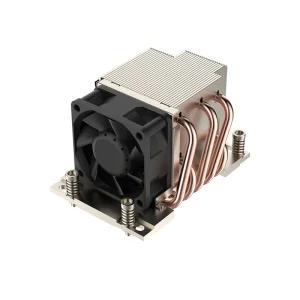
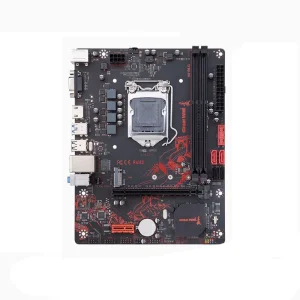
Premium semiconductor, PCBA, and cooling units serving as the core infrastructure of global enterprise-grade network switches.
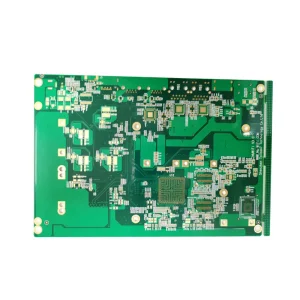
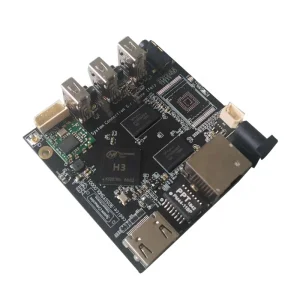
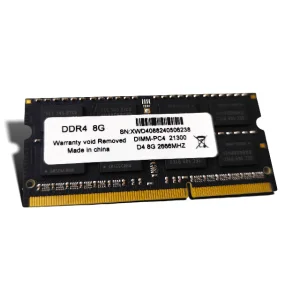
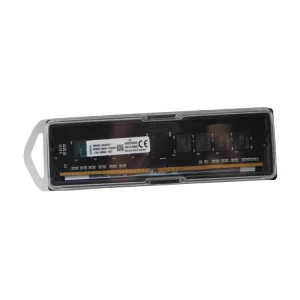
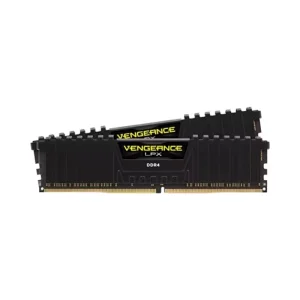
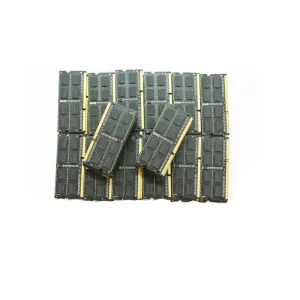
An architectural analysis of enterprise telecommunications sourcing, component-level engineering, and compliance ecosystems.
Modern enterprise networking has progressed beyond basic Layer 2 forwarding into highly sophisticated Layer 3 routing, software-defined networking (SDN), and multi-gigabit PoE++ (Power over Ethernet) architectures. For procurement officers, finding a qualified China network switch factory is no longer just about identifying the lowest unit cost. Instead, it involves deep system validation, understanding ASIC (Application-Specific Integrated Circuit) performance, and verifying internal components such as high-frequency multi-layer PCBs and dynamic packet-buffer memory.
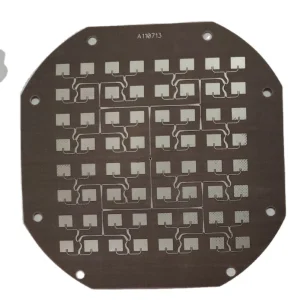
A network switch's performance under heavy packet load is highly dependent on two core subsystems: the stability of its physical circuit board (PCB) to handle gigahertz signal frequencies without degradation, and the speed of its buffer memory (DDR4/DDR5) to mitigate packet loss during traffic microbursts. Sourcing from manufacturers with semiconductor-level capabilities ensures lower failure rates and superior mean time between failures (MTBF).
China's telecommunications manufacturing ecosystem—primarily centered in the Guangdong province (Shenzhen, Dongguan, and Guangzhou)—holds unparalleled structural advantages:
Managed switch solutions supporting VLAN, Link Aggregation (LACP), IGMP Snooping, and advanced Layer 3 routing (OSPF, BGP) for massive corporate networks.
Hardened, fanless switches designed with IP40 aluminum housings to endure extreme temperatures (-40°C to 75°C) and heavy electromagnetic interference.
Adherence to IEEE standards, CE, FCC, RoHS, and UL listings. Advanced thermal modeling and full stress-testing ensure persistent uptime.
For global enterprises deploying hardware across North America, Europe, and Asia-Pacific, regulatory compliance is a non-negotiable metric. Global switch deployment requires strict adherence to regional electromagnetic compatibility (EMC) and product safety standards. Leading China network switch manufacturers collaborate directly with accredited laboratories to obtain international certifications:
Additionally, localization strategies dictate that factories provide API-driven management firmware, supporting standard protocols like NetConf, RESTconf, and SNMP. Hardware vendors must also address the security concern of supply chain traceabilities. High-tier China suppliers offer transparency down to the silicon wafer source, ensuring firmware integrity and protection against vulnerabilities.
To maximize return on investment, network switches must be matched to their operational environments. Sourcing engineers specify distinct hardware builds based on deployment locations:
Data centers require ultra-low latency, high-density 10G/25G/100G/400G ports, and spine-leaf topological compatibility. High-frequency Rogers or Taconic PCB substrates are implemented in these switches to preserve signal integrity over high-speed trace lengths, accompanied by high-speed server-grade CPU fans and heat sinks to sustain continuous cooling.
Outdoor utility poles, transportation hubs, and factory floors demand ruggedized chassis. Industrial switches omit moving parts (such as cooling fans) to avoid dust accumulation, utilizing passive aluminum heat dissipation plates and high-thermal-conductivity thermal pads instead. The power modules are built to withstand high voltage surges and power drops.
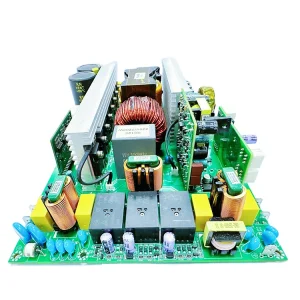
Modern commercial buildings demand dense Power over Ethernet (PoE) configurations to drive Wi-Fi 6/7 Access Points, VoIP phones, and PTZ surveillance systems. The core challenge is designing high-density PoE power distribution systems capable of outputting up to 90W per port (IEEE 802.3bt Type 4) without generating localized hot spots on the motherboard.
Exploring Vorynex Memory Technology (China) Co., Ltd. - A core component and semiconductor engineering leader driving modern network switch development.
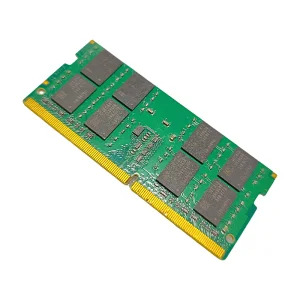
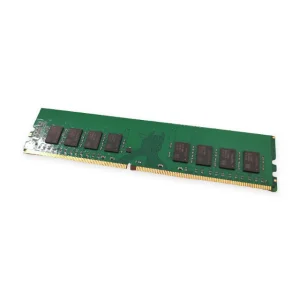
Vorynex Memory Technology (China) Co., Ltd. is a professional DDR5 memory manufacturer and OEM/ODM solution provider specializing in high-performance memory modules for global markets.
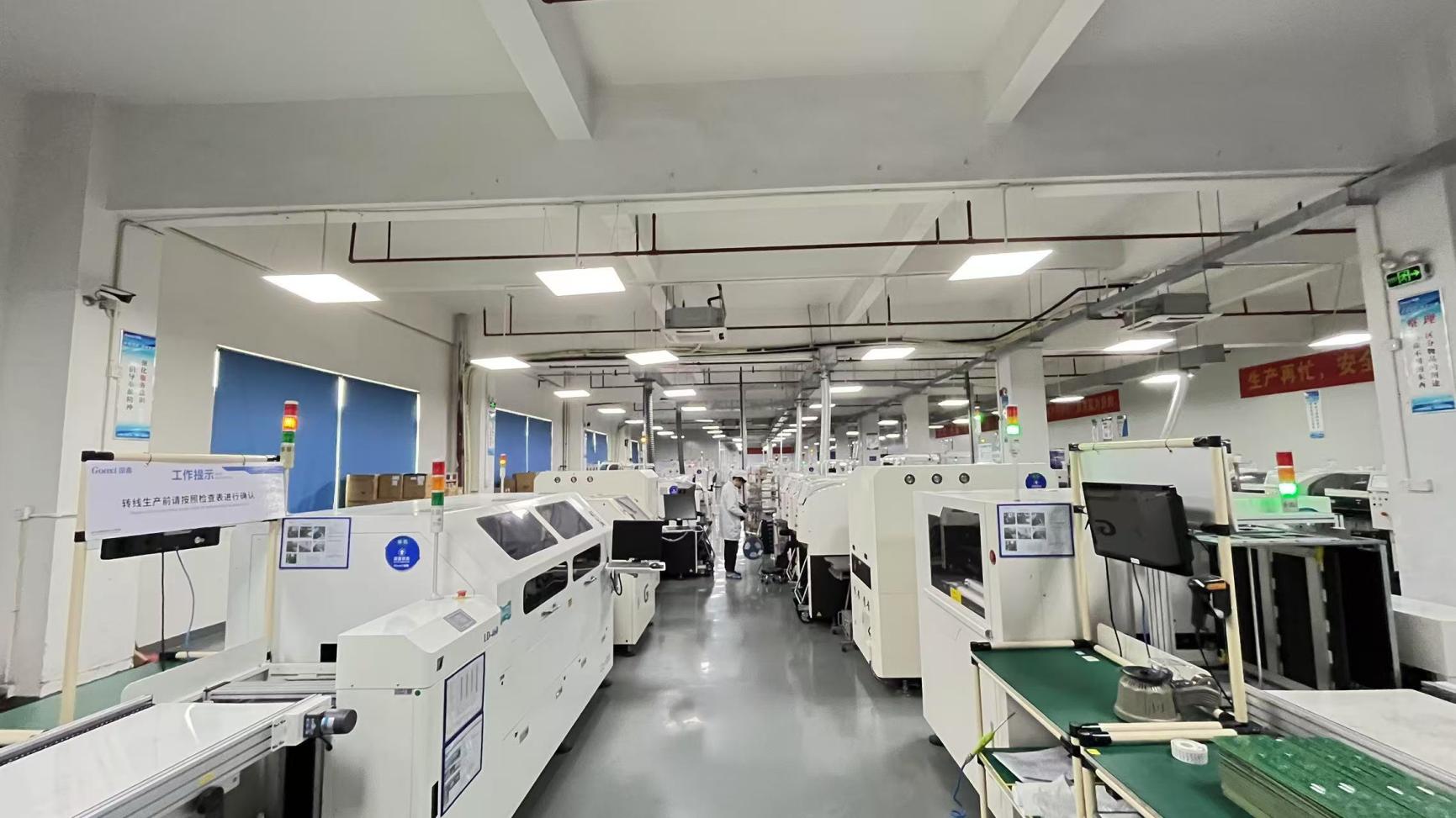
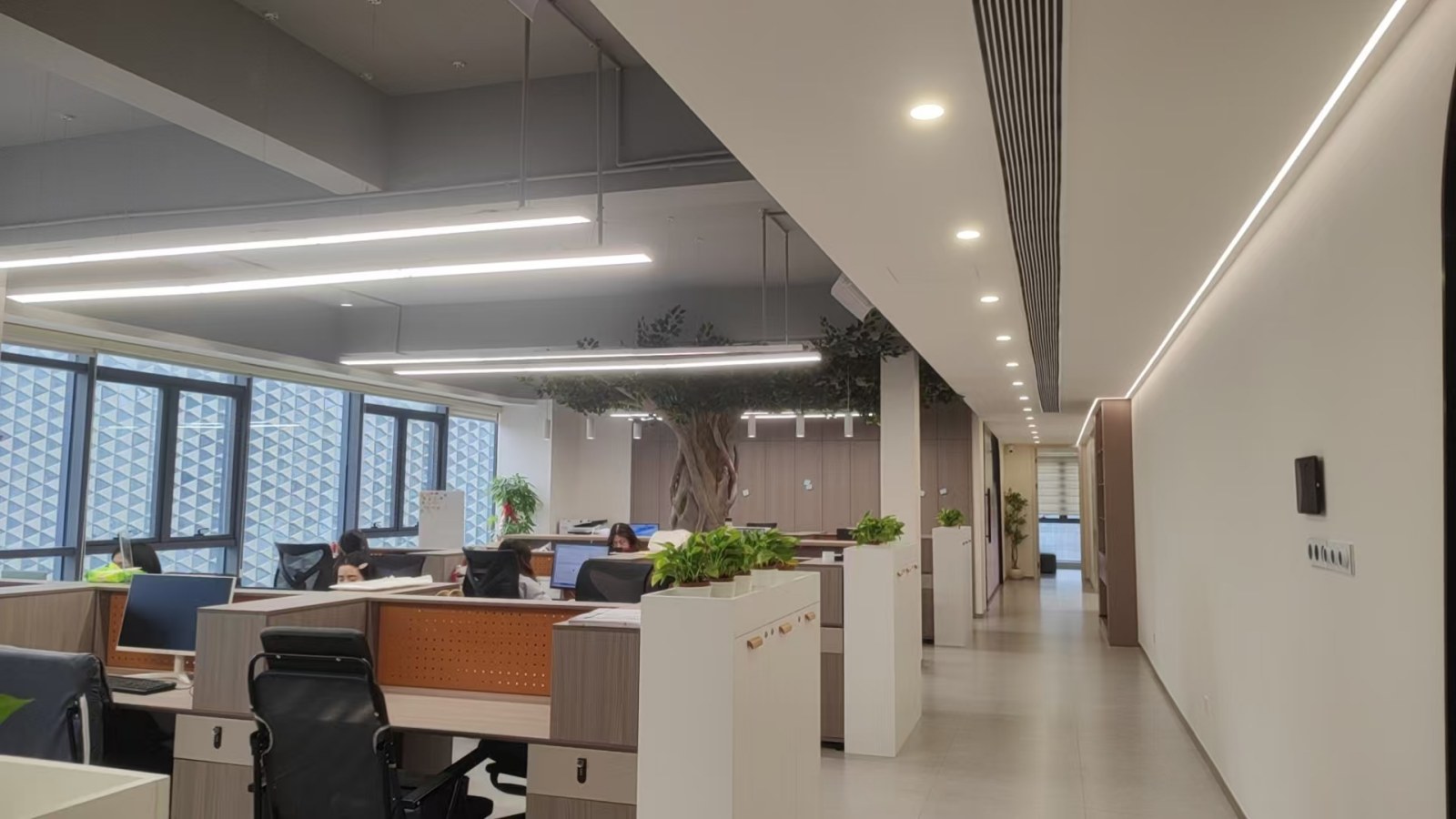
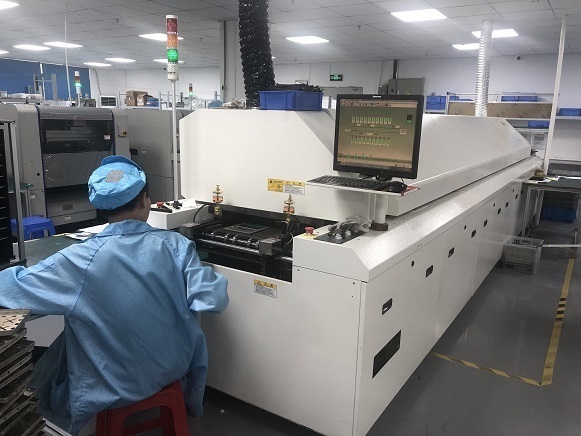
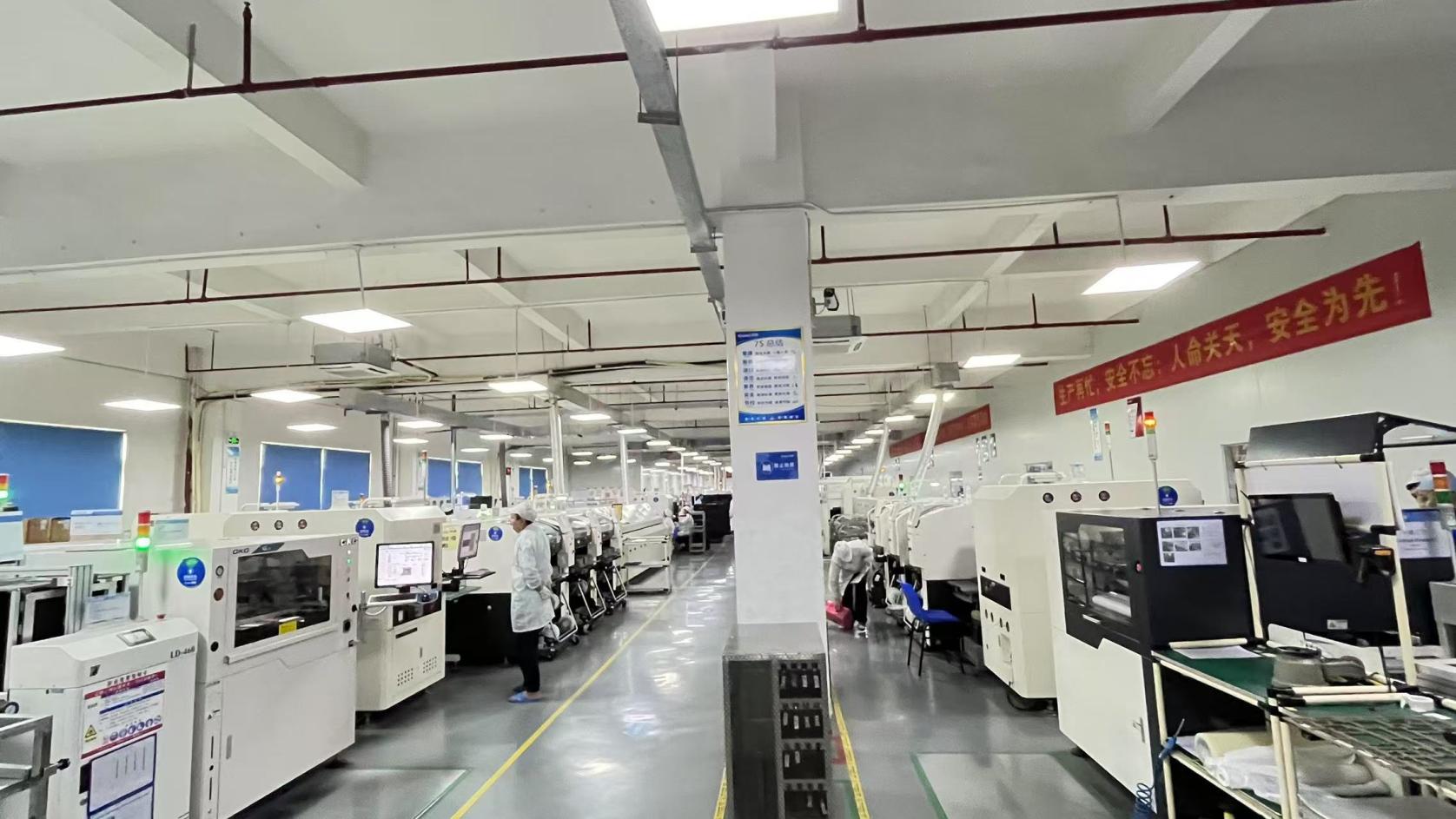
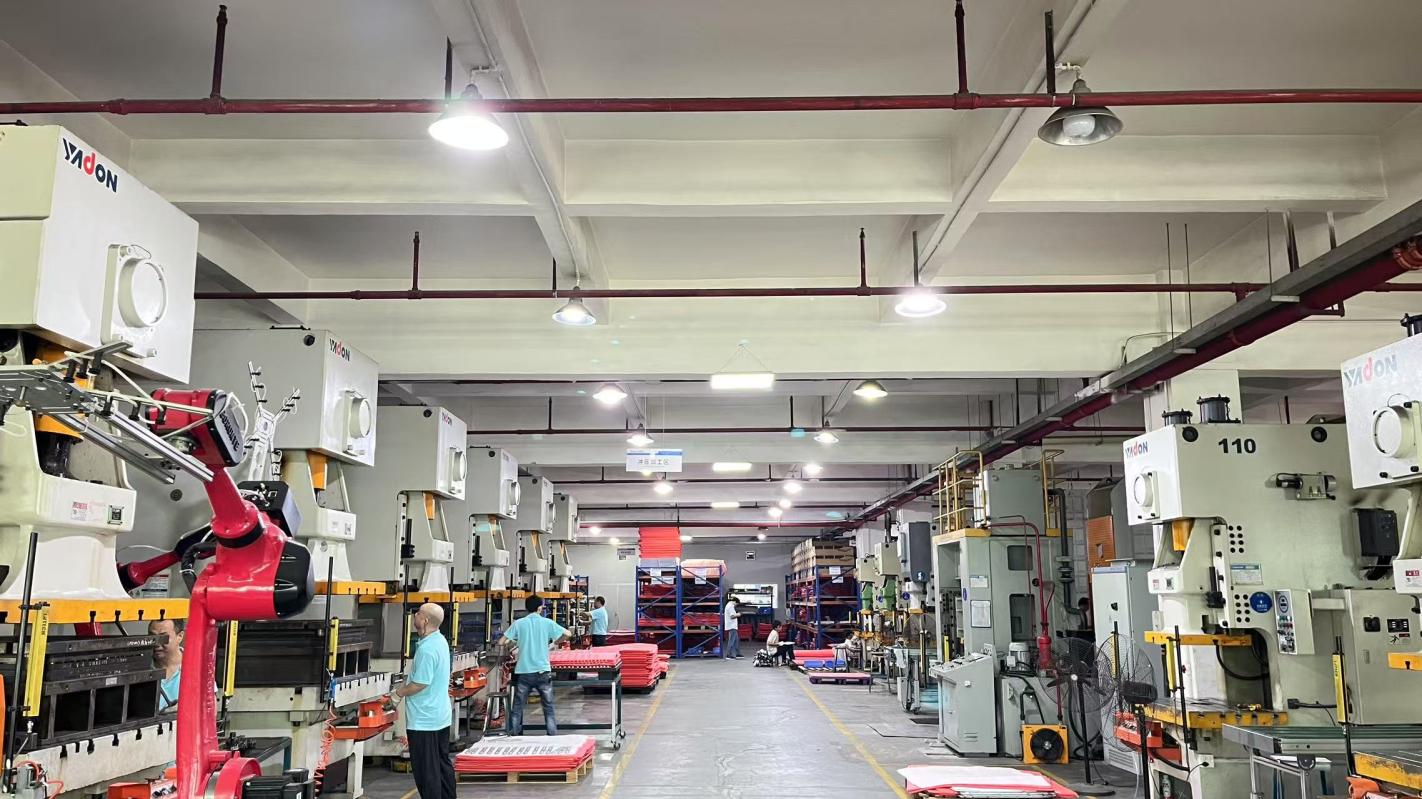
Established in 2016, the company has developed strong manufacturing and engineering capabilities over the years. With a modern production facility covering approximately 320㎡, Vorynex focuses on delivering stable, high-speed, and energy-efficient memory solutions for gaming, industrial, and enterprise applications. These high-speed RAM units form the fundamental dynamic packet-buffer memory of the enterprise switches featured globally.
The company achieved an annual export revenue of approximately USD 12 million, supported by 6 years of export experience and over 12 years of industry experience in memory and semiconductor-related fields.
Vorynex maintains strict quality control standards, including 100% functional testing, aging tests, compatibility testing, and high-temperature stress testing. Product inspection methods include automated optical inspection (AOI), in-circuit testing (ICT), and final system-level validation. The quality assurance team consists of approximately 45 professional QC staff ensuring consistent product reliability.
With a strong international trade background, Vorynex serves key markets including North America, Europe, Southeast Asia, the Middle East, and South America. The company collaborates with more than 1,200 supply chain partners, enabling stable sourcing of high-quality DRAM chips and components.
Its primary customer base includes brand distributors, system integrators, industrial equipment manufacturers, and gaming hardware companies. Vorynex also has strong R&D capabilities, supported by a team of approximately 180 R&D engineers, focusing on memory architecture optimization, compatibility enhancement, and thermal performance improvement.
Customization is fully supported, including frequency tuning, PCB design customization, heat sink design, branding (private label), and firmware optimization. In the past year, the company successfully launched around 240 new product models, covering DDR4, DDR5, and specialized industrial memory solutions.
Answers to critical questions regarding hardware customization, validation processes, and global deployment protocols.
High-frequency PCB boards, high-grade RAM, thermal solutions, and server cooling infrastructure ready for global shipping.
 Vorynex