In the contemporary technology ecosystem, the graphics card has transcended its traditional role as a mere rendering pipeline for gaming visuals. Today, the Graphic Processing Unit (GPU) acts as the critical computing engine for Artificial Intelligence (AI), Large Language Model (LLM) training, data centers, high-performance computing (HPC), and real-time ray-traced spatial simulations. Finding the right manufacturer and supply chain partner is no longer just a purchasing decision—it is a strategic choice determining compute capability, thermal reliability, and firmware-level compatibility.
This whitepaper offers a comprehensive exploration of the top 10 graphics card manufacturers and suppliers globally. It unpacks the technological architectures, global supply chain dynamics, microchip packaging standards, and localized compliance systems. It also details how high-speed VRAM (such as custom DDR4, DDR5, and GDDR variants) and multi-layered PCB substrates are manufactured to meet enterprise-level requirements.
Modern neural networks require massive tensor matrix operations. Enterprise GPU clusters powered by specialized GDDR6/HBM memory pipelines enable localized LLM execution, deep data analytics, and autonomous system rendering. Our high-frequency PCB substrates ensure minimal latency during massive parallel computing workloads.
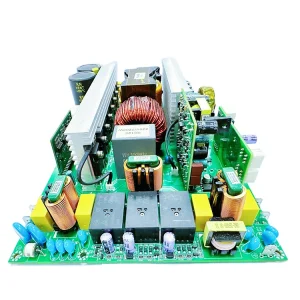
For industrial automation, graphics cards act as real-time computer vision processors. Inspecting products on high-speed conveyor belts requires microsecond latency processing. This is only possible through robust, thermal-resistant PCBA board layout architectures engineered for extreme environments.
As ADAS (Advanced Driver Assistance Systems) evolve, vehicle control units demand integrated GPU computing capabilities to identify lane lines, read road signs, and predict pedestrian trajectories. High-reliability automotive grade PCBs must sustain severe vibrational stresses over long lifespans.
The global GPU market operates as a dual-layer ecosystem: chip designers (silicon creators) and custom AIB (Add-in Board) manufacturers. Below are the top ten industry-defining manufacturers, highlighting their technological core competencies, supply chain operations, and manufacturing solutions.
| Manufacturer | Primary Segment | Key Core Technology | ODM / Customization Support |
|---|---|---|---|
| NVIDIA Corporation | Hyperscale & AI Compute | Tensor Cores, CUDA Ecosystem, HBM3e/GDDR6X Integration | Enterprise Reference Architecture |
| AMD (Advanced Micro Devices) | Gaming & HPC Data Centers | CDNA & RDNA Chiplet Architectures, Infinity Cache | Open-Source Drivers & Reference Customization |
| ASUS (ASUSTeK Computer Inc.) | Premium Gaming & Workstations | Auto-Extreme Automated Manufacturing, Axial-tech Cooling | High-end Premium Branding Solutions |
| MSI (Micro-Star International) | Consumer Gaming & Content Creation | TORX Fan cooling designs, Custom Heatsink Engineering | OEM/ODM Hardware Tailoring |
| GIGABYTE Technology | Server Solutions & Enthusiast GPUs | Windforce Cooling Systems, Custom Multi-Layer Copper PCBs | Industrial Systems Customization |
| ZOTAC (PC Partner Group) | Mini-PC & SFF Systems | Compact Form Factor Layouts, IceStorm Thermal Control | Global OEM/ODM Custom Board Designs |
| EVGA Corporation (Legacy/Tech IP) | Premium Enclosures & Power Delivery | Advanced VRM Customization, Multi-Phase Power Designs | Custom Thermal Solutions (R&D focus) |
| PNY Technologies | Workstation & Professional Graphics | Quadro/RTX Enterprise Integration, B2B Engineering | OEM Integration and System Pre-Builds |
| Intel Corporation | Integrated & Entry-to-Mid Arc GPUs | Xe-HPG Architecture, XeSS AI Upscaling | Direct API & Framework Optimization |
| Vorynex Memory Tech (B2B Partner) | VRAM Subsystems & Custom SMT PCBA | High-Speed VRAM Sourcing, Custom Multi-Layer PCBA Design | Full ODM/OEM Private Label, Frequency Tuning |
NVIDIA is the undisputed leader in accelerated computing. Their CUDA platform serves as the fundamental software layer for modern machine learning, making their enterprise GPUs (like the H100, H200, and Blackwell B200) indispensable for modern tech enterprises. For consumer markets, the GeForce RTX series dominates real-time ray tracing.
AMD is known for its chiplet design philosophies in the CDNA and RDNA series, giving them high yield rates and cost-performance advantages. Their open-source ROCm software stack continues to expand its footprint in B2B enterprise server environments.
ASUS stands out for its high-precision manufacturing. Their Auto-Extreme Technology is a 100% automated production process that ensures clean solder joints, eliminates human error, and improves the structural longevity of heavy graphics cards.
MSI specializes in gaming hardware. They are industry leaders in cooling systems, utilizing specialized fan blades and heat pipe placements to maintain high-performance clock speeds under continuous computational thermal loads.
GIGABYTE is a critical manufacturer for both gaming systems and server compute boards. They use double-copper PCB layers to disperse heat faster and provide stable clean power to high-frequency processing units.
Operating under the PC Partner umbrella, ZOTAC is a key manufacturer for Small Form Factor (SFF) desktop computers. They excel in squeezing high-performance GPUs into tight spaces with custom heat sinks.
Known for their legendary VRM (Voltage Regulator Module) layouts, EVGA historically set the benchmark for power phase delivery. Today, their legacy designs inspire modular cooling and high-end power engineering across the industry.
PNY is an authorized partner for NVIDIA Quadro and professional RTX workstation graphics cards. They focus on enterprise distribution, system integrators, and industrial rack-mount server assembly.
Intel re-entered the discrete graphics market with the Arc series. Their focus is on high-performance media transcoding engines (AV1 hardware encoders) and budget-friendly compute hardware.
As a leading hardware packaging and VRAM optimization partner, Vorynex acts as a critical Tier-1 component supplier. Vorynex produces the high-speed memory subsystems, multi-layer PCBs, and advanced SMT PCBA custom controllers that AIB manufacturers rely on to assemble reliable graphic acceleration systems.
A high-performance GPU processor is only as fast as its access to memory. Without a wide, low-latency memory pipeline, the GPU core sits idle—a state known as a memory bottleneck. This is where high-quality VRAM integrations (such as GDDR6, GDDR7, and HBM) and high-density, multi-layer PCBs come into play.
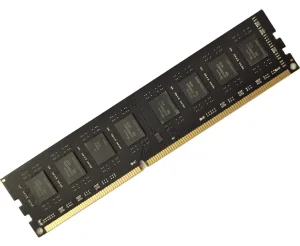
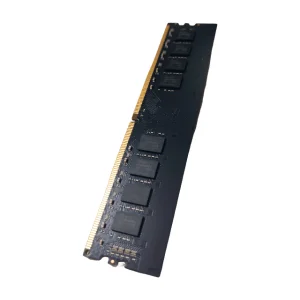
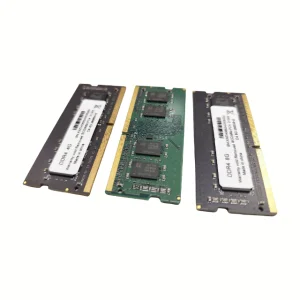
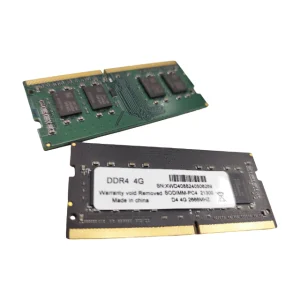
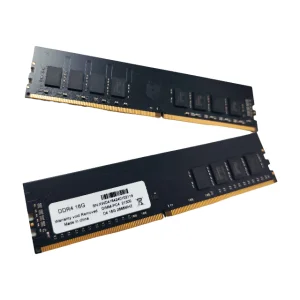
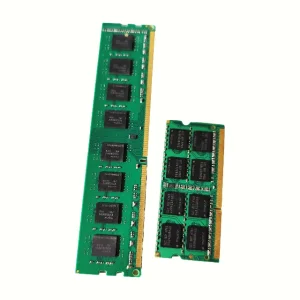
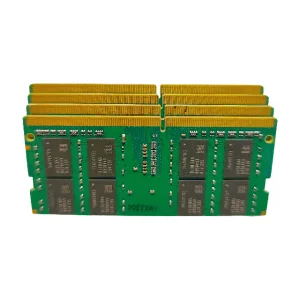
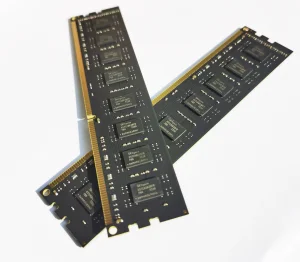
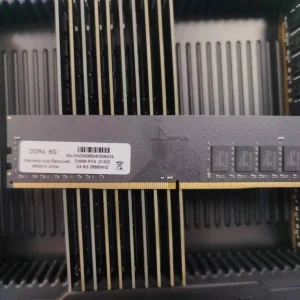
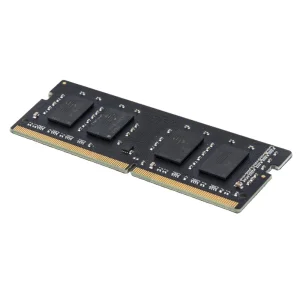
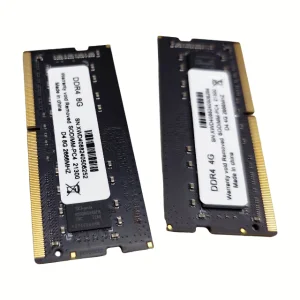
For custom industrial control boards, digital signage interfaces, or edge AI compute units, manufacturers must choose their memory design carefully. Vorynex provides customized DDR4, DDR5, and custom high-speed memory configurations. These components feature premium frequency tuning, custom PCB design, and specialized heat sinks to ensure reliable performance under extreme workloads.
We perform system-level custom tuning on our memory kits to guarantee optimal read and write latencies, giving system builders maximum computational output.
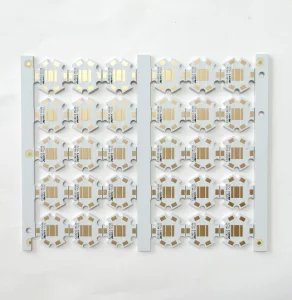
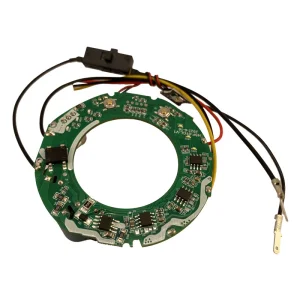
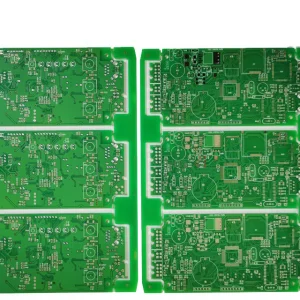
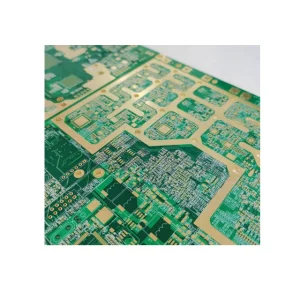
Modern high-speed buses require 8 to 16 layers of PCB tracking to maintain signal integrity and prevent electromagnetic interference (EMI).
Through custom heat-spreader designs and high-grade thermal pads, our components run cooler and last longer in continuous operation environments.
The manufacturing of advanced GPUs is geographically concentrated. Silicon fab production mostly occurs in Taiwan, while sub-component assembly, PCB fabrication, and final packaging take place in China. Developing a redundant supply chain with components that meet local regulatory standards is essential for maintaining business continuity.
By sourcing from factories that maintain relationships with more than 1,200 supply chain partners, enterprise clients can insulate themselves from semiconductor shortages and logistics bottlenecks.
For B2B buyers in North America, Europe, and Asia-Pacific, import compliance is a strict requirement. All components must meet major quality and safety standards, including:
The graphic hardware industry is on the verge of several major architectural shifts:
The transition to PAM3 signaling in GDDR7 will push speeds past 36 Gbps per pin, enabling ultra-fast texture transfers and faster AI training rates.
Similar to modern CPUs, future GPUs will rely on interconnected, modular silicon dies (compute, I/O, and cache blocks) to improve manufacturing yields and lower overall production costs.
As EUV lithography technologies mature, manufacturers will package billions of additional transistors into smaller areas, driving up computing power and energy efficiency.
Vorynex Memory Technology (China) Co., Ltd. is a professional DDR5 memory manufacturer and OEM/ODM solution provider specializing in high-performance memory modules for global markets.
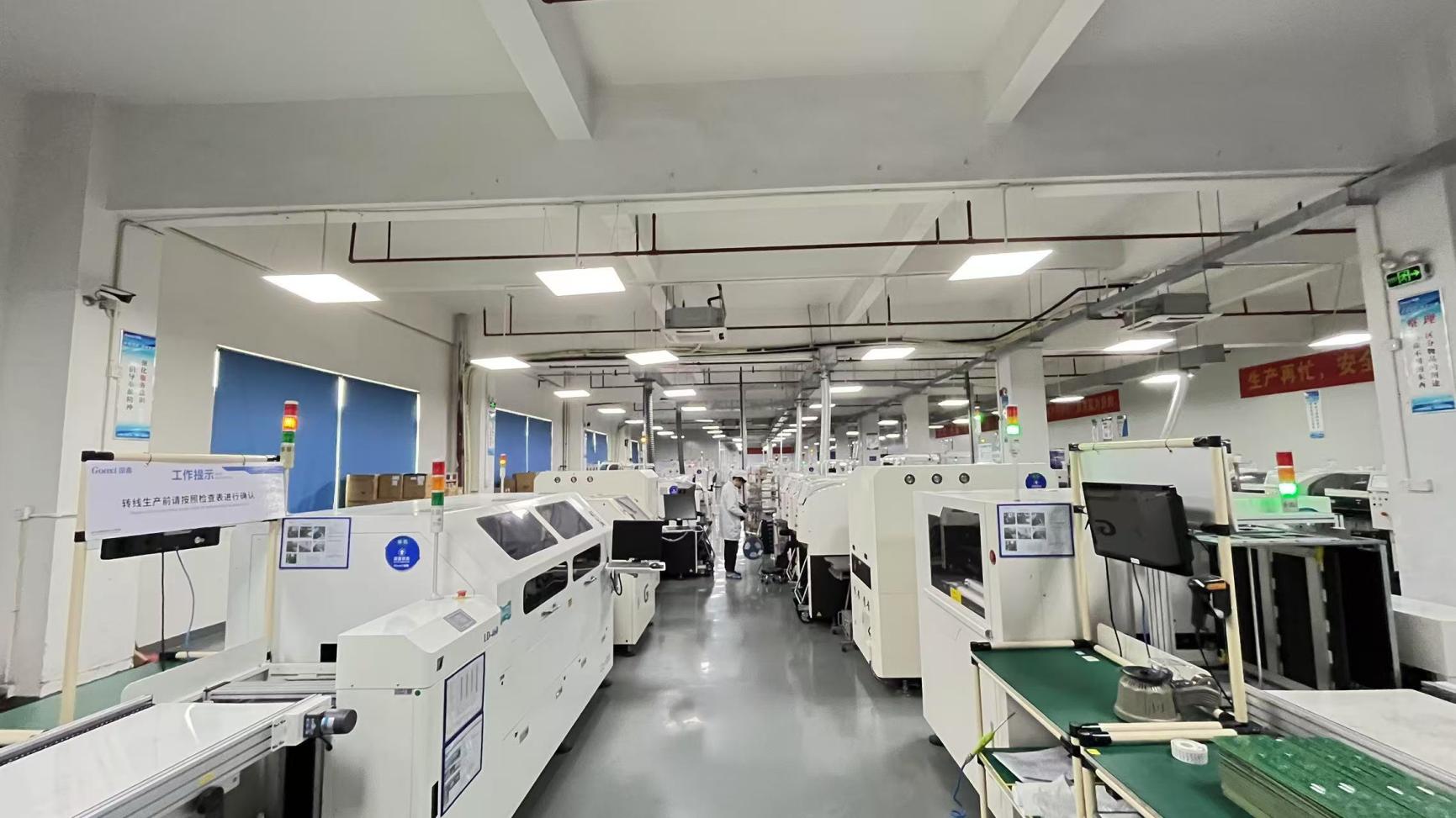
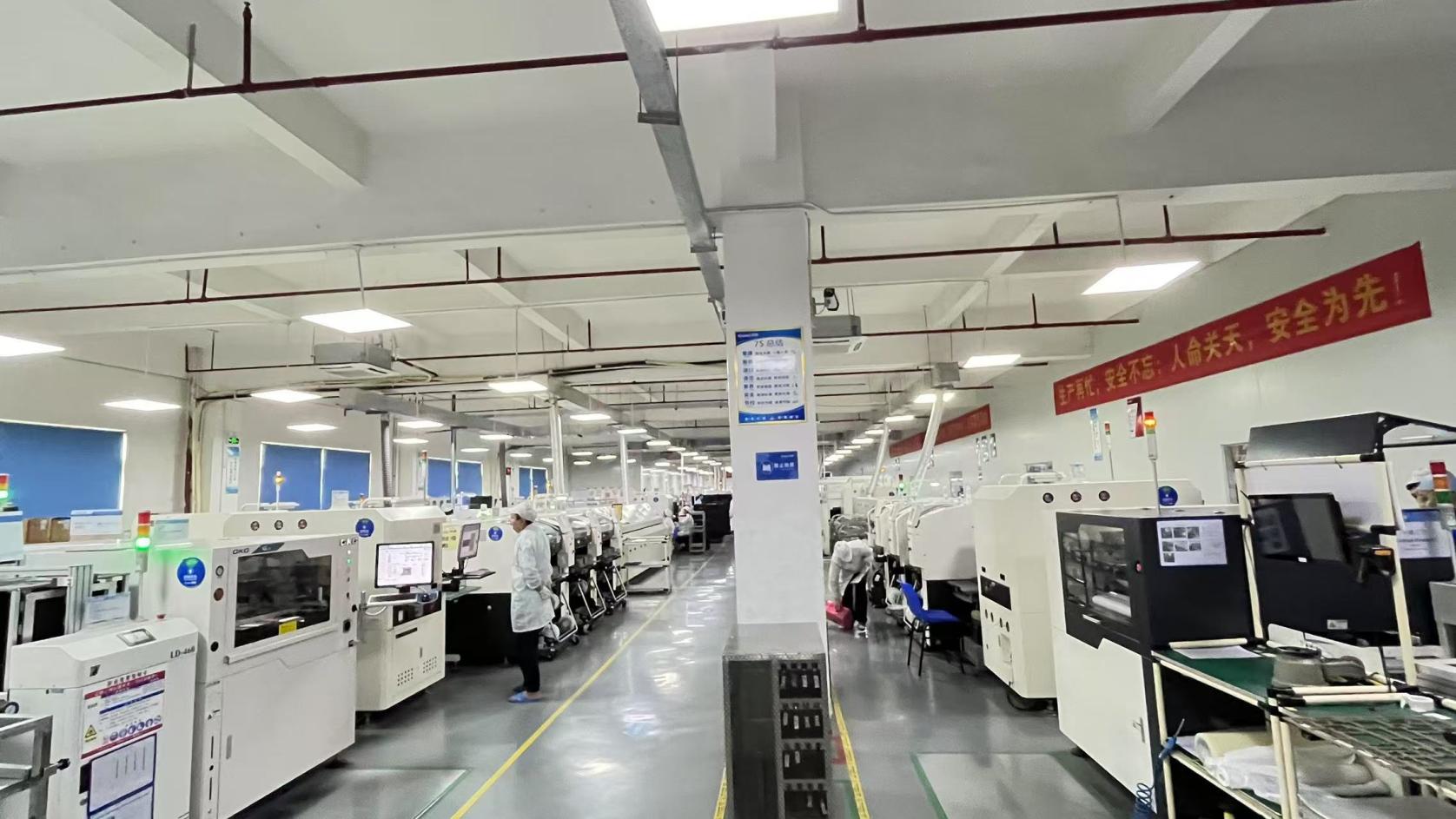
Established in 2016, the company has developed strong manufacturing and engineering capabilities over the years. With a modern production facility covering approximately 320㎡, Vorynex focuses on delivering stable, high-speed, and energy-efficient memory solutions for gaming, industrial, and enterprise applications.
The company achieved an annual export revenue of approximately USD 12 million, supported by 6 years of export experience and over 12 years of industry experience in memory and semiconductor-related fields.
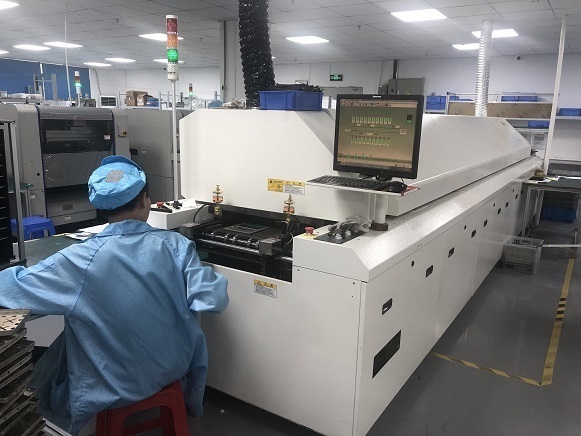
Vorynex maintains strict quality control standards, including 100% functional testing, aging tests, compatibility testing, and high-temperature stress testing. Product inspection methods include automated optical inspection (AOI), in-circuit testing (ICT), and final system-level validation. The quality assurance team consists of approximately 45 professional QC staff ensuring consistent product reliability.
With a strong international trade background, Vorynex serves key markets including North America, Europe, Southeast Asia, the Middle East, and South America. The company collaborates with more than 1,200 supply chain partners, enabling stable sourcing of high-quality DRAM chips and components.
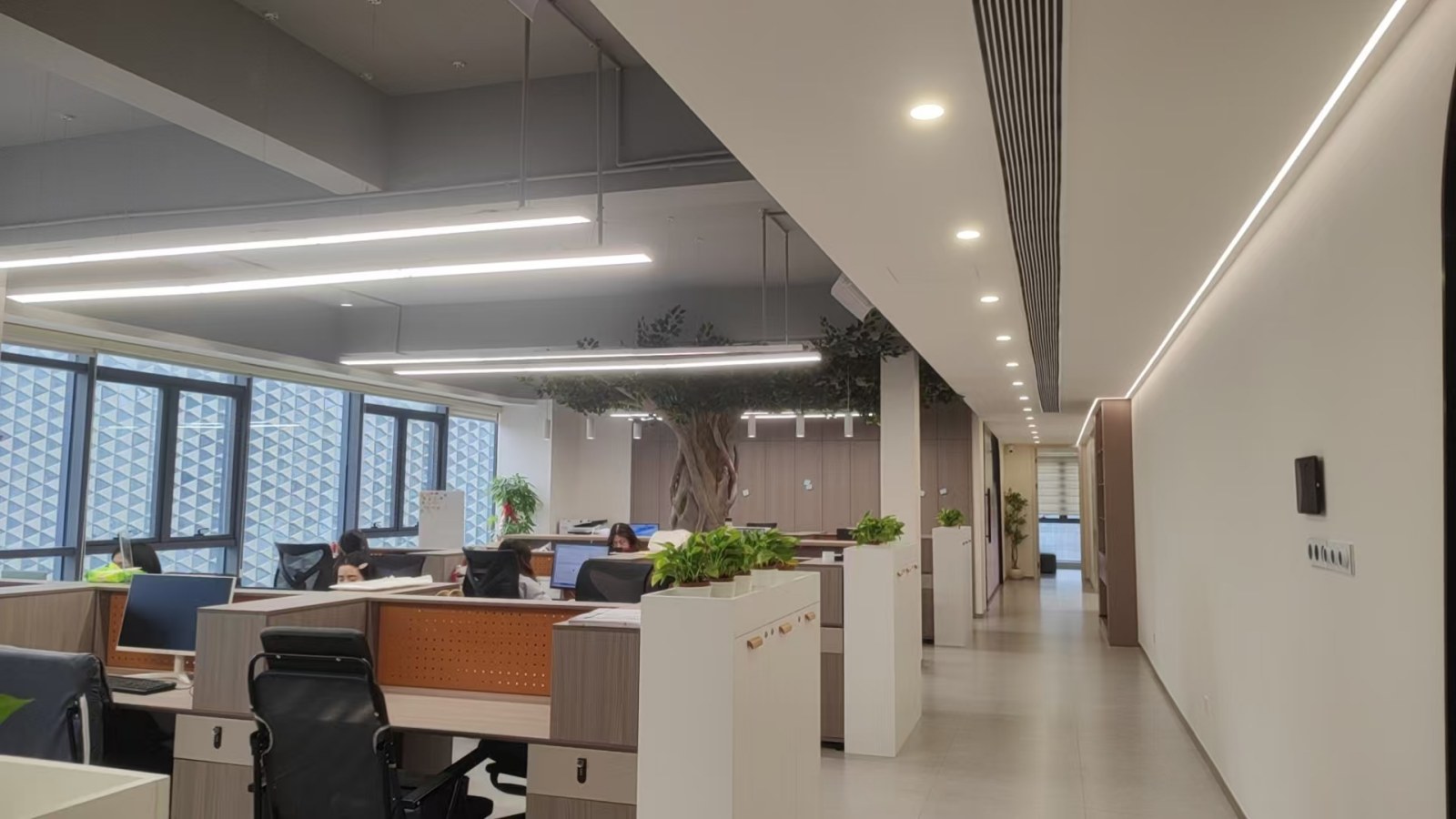
Its primary customer base includes brand distributors, system integrators, industrial equipment manufacturers, and gaming hardware companies. Vorynex also has strong R&D capabilities, supported by a team of approximately 180 R&D engineers, focusing on memory architecture optimization, compatibility enhancement, and thermal performance improvement.
Customization is fully supported, including frequency tuning, PCB design customization, heat sink design, branding (private label), and firmware optimization. In the past year, the company successfully launched around 240 new product models, covering DDR4, DDR5, and specialized industrial memory solutions.
With a strong innovation-driven strategy, Vorynex continues to expand its global presence, delivering reliable and high-performance memory solutions to customers worldwide.

 Vorynex