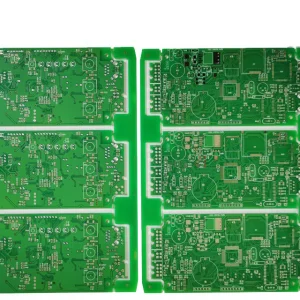
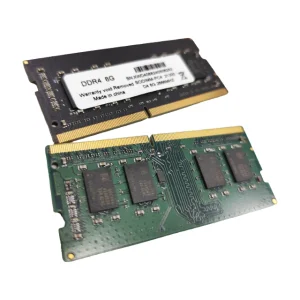
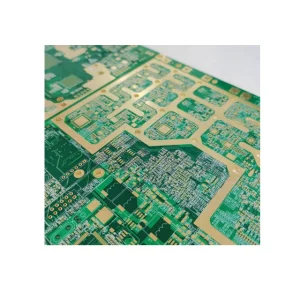
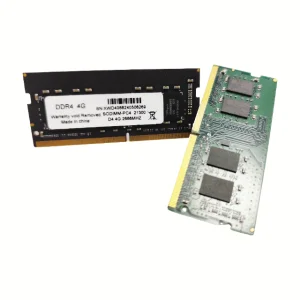
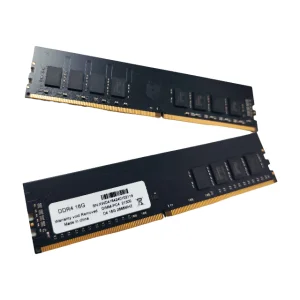
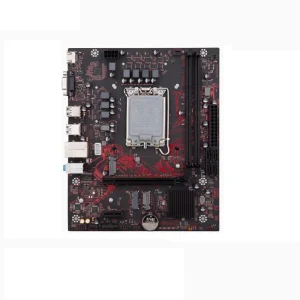
Explore our foundational range of DDR3, DDR4, high-frequency PCBs, and multi-channel server mainboards designed for high-availability infrastructures.
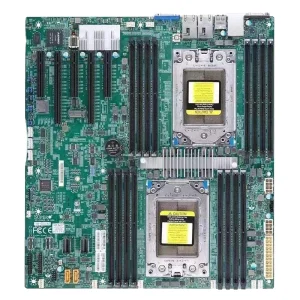
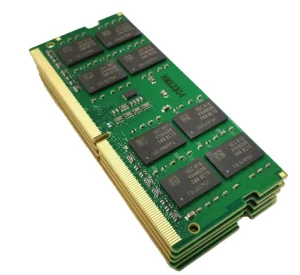
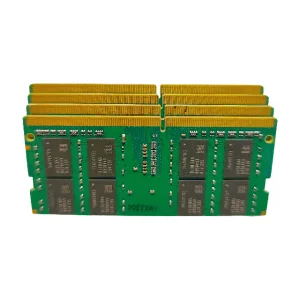
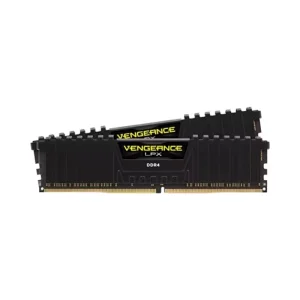
A comprehensive examination of why DDR3 RAM remains vital for legacy operations and localized embedded systems worldwide.
While the consumer PC market has swiftly transitioned to DDR4 and DDR5 memory modules, the global industrial, medical, and embedded computation ecosystems tell a vastly different story. DDR3 RAM Modules remain a mission-critical technology, powering millions of operating devices worldwide. From network routing equipment and industrial automation controllers to medical scanners, automotive telematics, and aerospace flight control modules, the demand for stable, reliable, and strictly certified DDR3 solutions has never wavered. This long-lasting reliance is driven by the extreme cost and complexity associated with redesigning and recertifying hardware platforms that are built to perform reliably for 15 to 20 years.
In the industrial domain, reliability outweighs raw speed. DDR3's operation at a standard 1.5V (or 1.35V for DDR3L) delivers a balanced power-to-thermal dissipation profile that fits legacy system thermal models perfectly. In remote communication towers, smart grid infrastructure, and factory automation environments, the introduction of a new RAM standard would require replacing the entire processor motherboard, which translates to massive capital expenditure and prolonged system downtime. As standard commercial supply lines for DDR3 component dies begin to sunset, the global market relies heavily on specialized OEM and ODM memory module builders capable of maintaining consistent component supplies, customizing PCB layouts, and executing rigorous validation methodologies.
The standard operating voltage of JEDEC DDR3 is 1.5V, whereas DDR3L (Low Voltage) functions at 1.35V. While DDR3L is backward-compatible with 1.5V systems, standard DDR3 modules cannot operate at 1.35V without risking severe signal instability and system failure. Partnering with a knowledgeable OEM guarantees that the correct SPD (Serial Presence Detect) profile is customized for your legacy controllers.
Aligning structural scale, strict quality assurance protocols, and professional engineering teams to secure robust global supply chains.
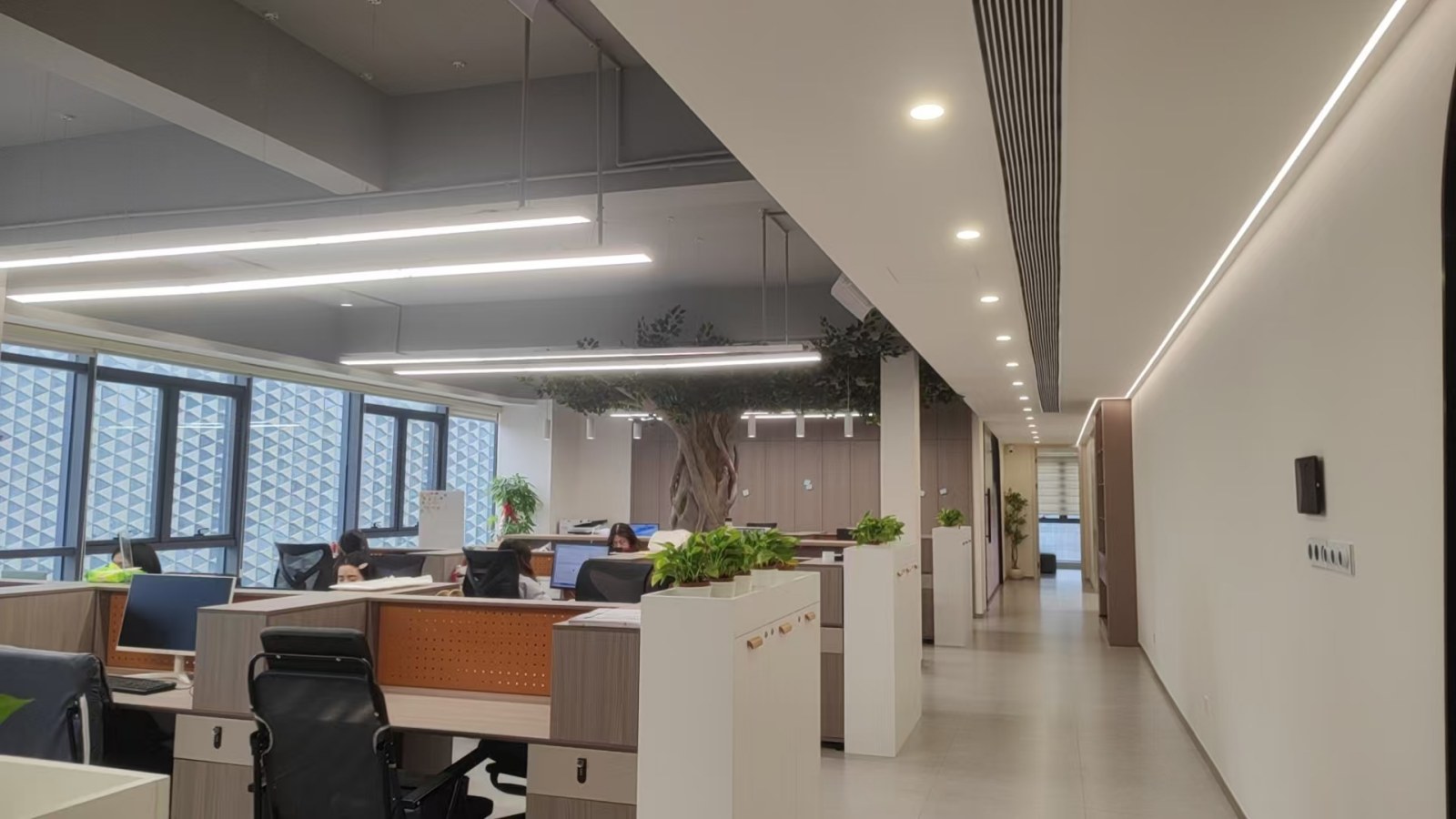
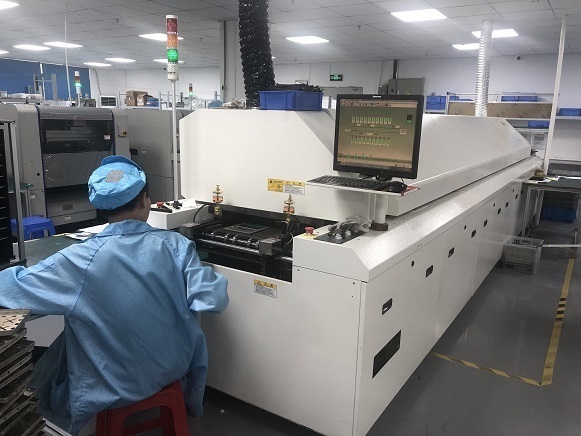
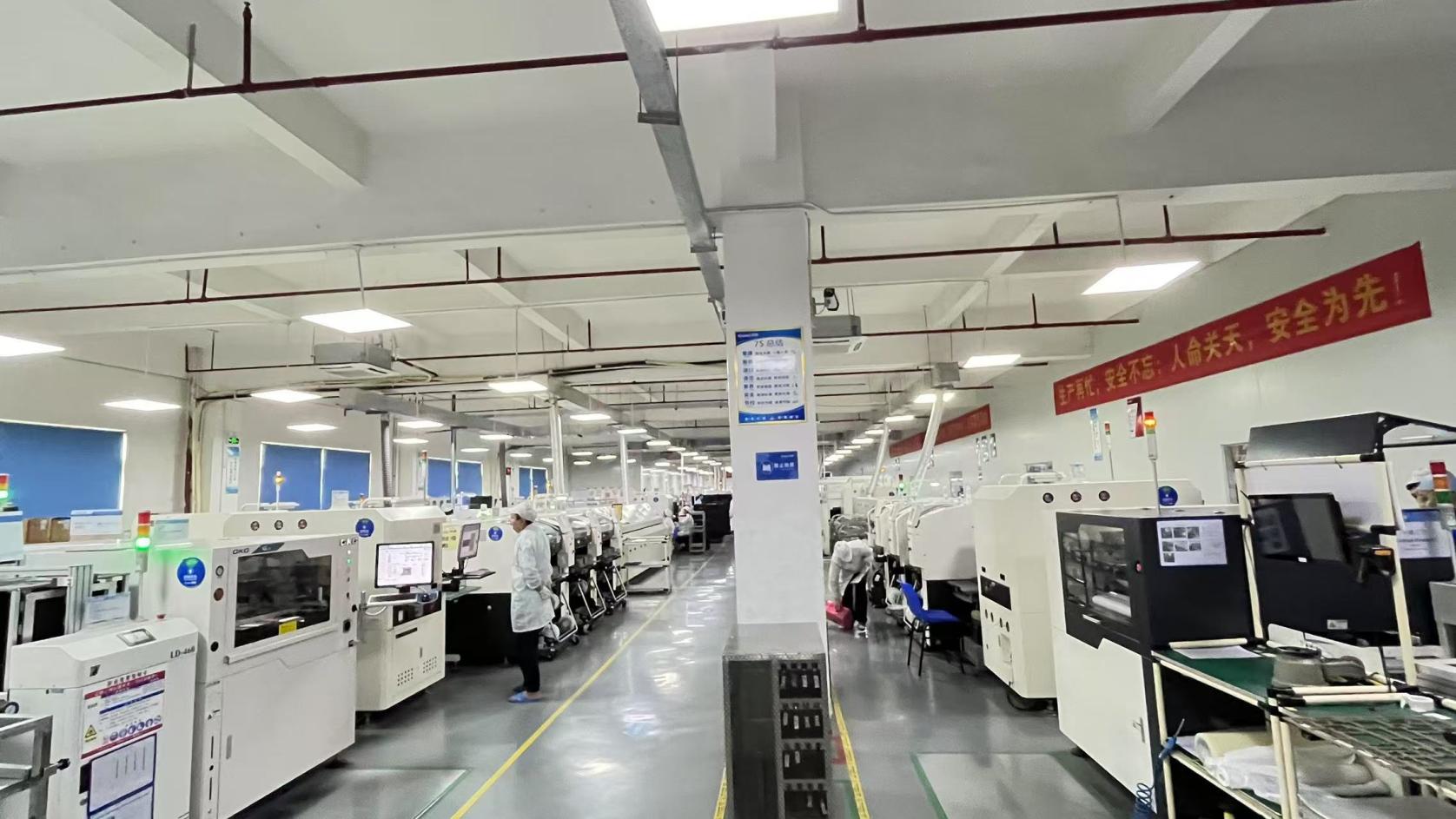
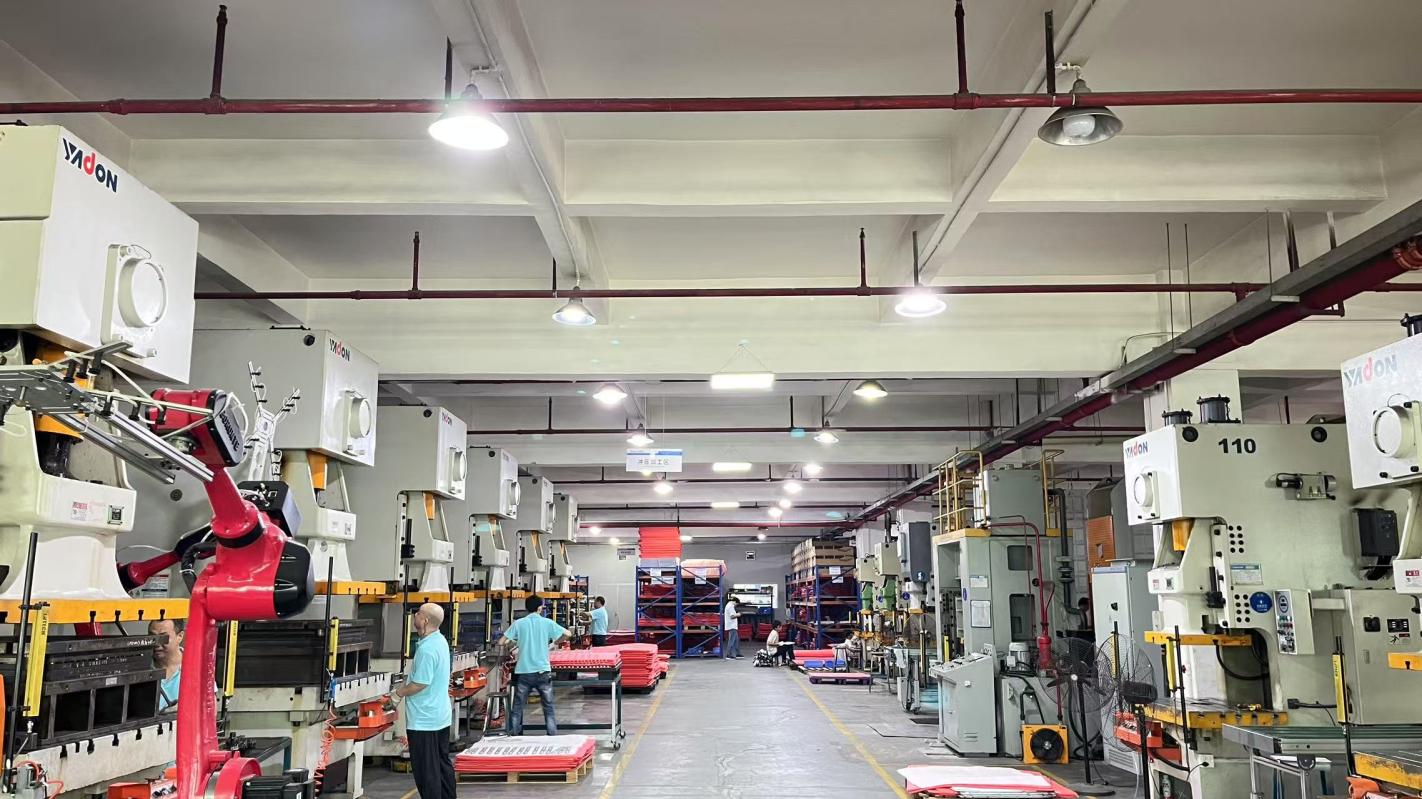
Vorynex Memory Technology (China) Co., Ltd. is a leading DDR5/DDR4/DDR3 memory manufacturer and ODM/OEM solution architect, specializing in delivering high-speed, stable, and highly customizable memory modules to global markets. Founded in 2016, Vorynex has grown its engineering expertise, structural footprint, and supply chain networks over a decade of deep involvement in memory packaging and semiconductor processing.
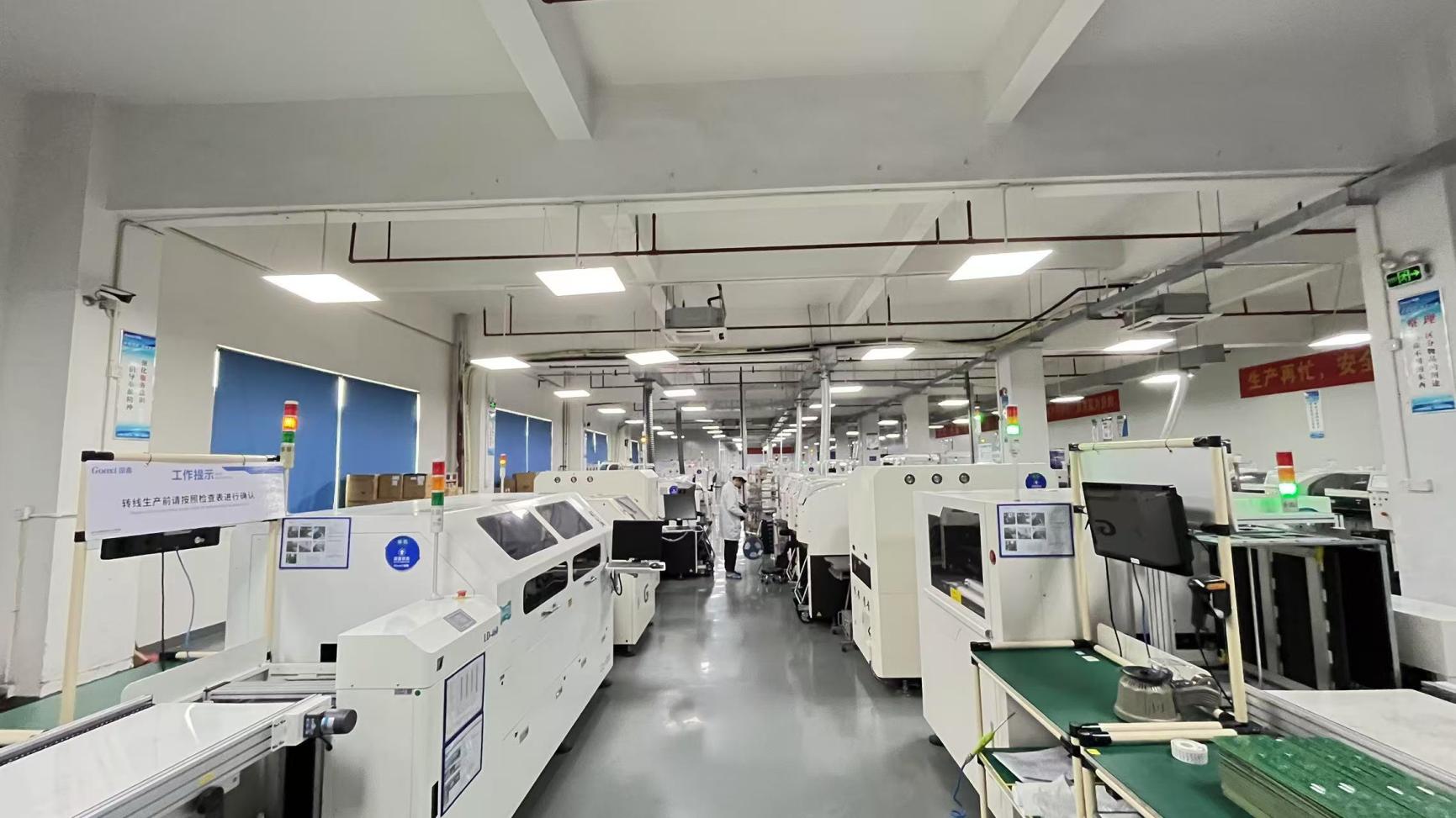
Operating a specialized facility covering 320㎡, Vorynex is designed for high-density production runs and agile prototyping, enabling the rapid release of over 240 new product configurations in the past calendar year alone. The company's global export reach is backed by more than 12 years of core industry experience. Vorynex manages custom requirements with a strong network of 1,200 supply chain partners, guaranteeing reliable access to original DRAM wafer dies (Samsung, Micron, SK Hynix) even during supply-constrained periods.
Quality reliability at Vorynex is driven by our multi-layered validation process. Every single memory module undergoes a strict testing regimen designed to meet JEDEC specifications and exceed industrial operation standards:
How tailor-made DDR3 & DDR4 OEM memory deployments resolve real-world computational bottlenecks.
A major European manufacturer of industrial automation systems needed a reliable supply of DDR3 SODIMM 4GB modules with a strict 10-year product lifecycle. Because their Human-Machine Interface (HMI) screens are deployed in extreme factory environments, standard commercial-grade memory modules suffered from thermal failures due to dust and lack of ventilation. Vorynex customized a 1.35V low-voltage DDR3 memory profile utilizing high-TG industrial PCBs with gold-finger plating up to 30 micro-inches. Through rigorous thermal chamber validation, we ensured zero-error operations under continuous 70°C environments, preventing downtime across automated automotive assembly lines.
A telecommunications network integrator required large quantities of reliable DDR3 and DDR4 ECC Server modules to sustain data routers in high-humidity rural base stations. Vorynex engineered a custom PCB utilizing Lead-Free HASL processing and added anti-sulfuration resistors to protect the components from humidity and chemical erosion. Supported by our stable DRAM die sourcing, we delivered 50,000 custom memory units with matched latency profiles, ensuring consistent uptime for critical regional cellular services.
| Application Environment | Required Form Factor | Crucial Challenge | Vorynex Customized Solution |
|---|---|---|---|
| Automotive Infotainment | DDR3 SODIMM / SMT Dies | Continuous vibrations, extreme start-up temperatures | Under-fill resin processes, strict thermal profiling, custom SPDs |
| Medical Imaging Devices | DDR3 ECC UDIMM | Data corruption risk, strict regulatory validation | ECC error correction integration, original A-grade DRAM dies, system-level validation |
| Financial Kiosks / ATMs | DDR3L Low-Profile SODIMM | 24/7 continuous run, enclosed space thermal buildup | Low-voltage 1.35V configuration, customized heat sink integration |
| Smart Grid Energy Nodes | DDR3 2GB / 4GB Modules | Long lifecycle requirements, low-power envelopes | Extended Life-Cycle support, components backed by 1,200 supply-chain partners |
Exploring the layout parameters, JEDEC signal configurations, and PCB engineering steps behind high-integrity OEM memory modules.
Designing high-reliability OEM DDR3 RAM modules requires deep expertise in signal integrity, electromagnetic interference (EMI) management, and PCB stack-up design. In high-density applications, memory channels communicate using high frequency data lines, making them sensitive to timing skew, impedance mismatch, and cross-talk. To address these challenges, Vorynex's R&D engineering team optimizes trace designs using Fly-by topology for address, command, and control signals, which significantly improves signal quality compared to older T-topology configurations.
Furthermore, Vorynex offers deep customization for specialized board environments:
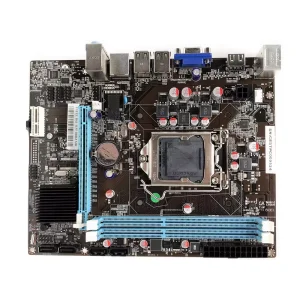
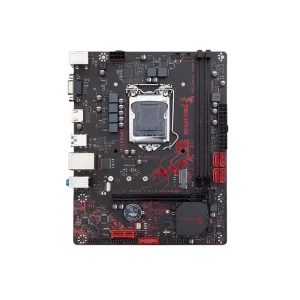
Industrial boards built on older chipsets (like the Intel H61 or P55) often have strict RAM chip density limits. For example, some motherboards only support double-sided modules with 256Mx8 chip configurations, failing to boot with newer high-density 512Mx8 or 1Gx8 chips. Vorynex maintains a comprehensive range of DRAM die densities to resolve these legacy chipset compatibility issues.
Understanding supply longevity, component migration, and how Vorynex supports lifecycle stability for its partners.
As the primary semiconductor fabrication plants transition their production lines to DDR5 and next-generation architectures, manufacturing capacities for DDR3 wafers are decreasing. This decline poses a major risk for industrial operators who rely on stable, long-term components. To prevent unexpected end-of-life (EOL) issues, Vorynex has implemented a dedicated Long-Term Support Program (LTP). By leveraging relationships with our 1,200 supply-chain partners, we secure bulk allocations of DRAM wafers, allowing us to guarantee supply continuity for critical DDR3 and DDR4 OEM designs for the next decade.
Looking ahead, the market is seeing a shift toward hybrid configurations, where legacy system structures are updated using advanced bridge technologies. For instance, our R&D team is developing specialized memory bridges and customized PCB form factors that let legacy systems benefit from newer component packaging, ensuring system upgrades can be postponed safely without affecting day-to-day operations.
Get answers to common technical, design, and manufacturing questions from our memory product engineering team.
Review our full range of high-performance desktop and server memory, motherboards, and high-frequency PCB assemblies.
 Vorynex