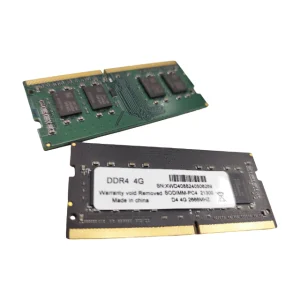
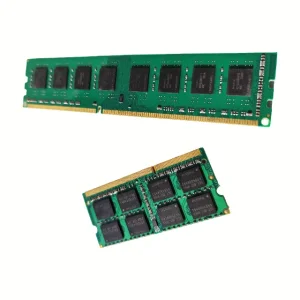
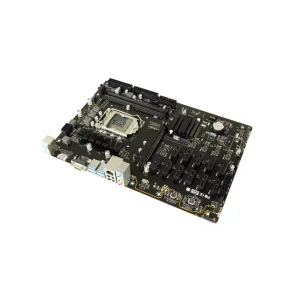
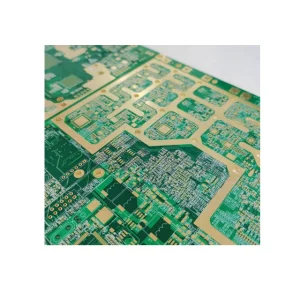
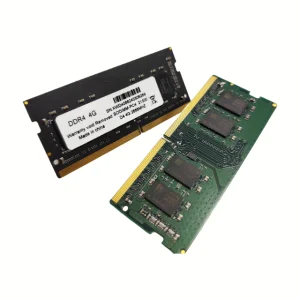
Explore our high-performance electronic components, multi-layer circuit boards, and memory configurations engineered for global industrial OEMs.
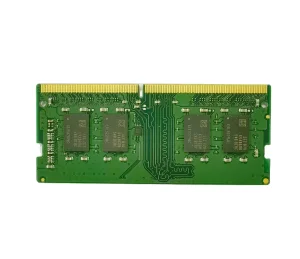
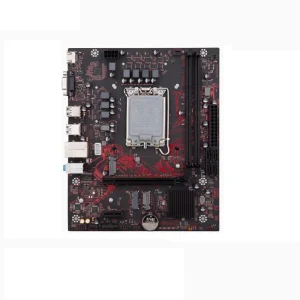
Understanding the engineering components that define high-output germicidal modules.
Deploying targeted irradiation within the 260nm to 280nm ultraviolet-C spectrum. Our modules disrupt the molecular bonds of bacterial and viral DNA/RNA structure, preventing cellular replication and rendering pathogens completely inert.
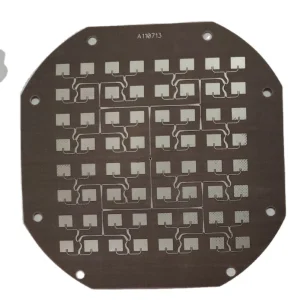
Thermal accumulation is the primary cause of UVC diode degradation. We address this constraint by pairing high-performance, deep-UV emitters directly with custom Aluminum substrate PCBs and Taconic high-frequency laminates, reducing thermal impedance.
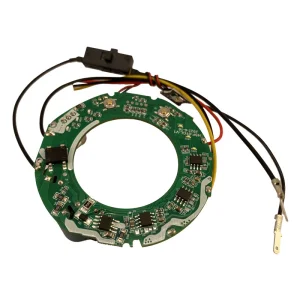
Our control logic integrates integrated sensor drivers, enabling automated safety shutoffs, real-time current regulation, and adaptive optical power modulation. This ensures reliable operation across a broad range of operating conditions.
UVC radiation has established itself as a critical methodology for non-chemical disinfection in air, water, and surface sterilization applications. Achieving a log-3 (99.9%) or log-4 (99.99%) reduction of persistent pathogens requires a precise calculation of ultraviolet radiant dosage (expressed in millijoules per square centimeter, mJ/cm²). The germicidal effectiveness curve peaks between 260nm and 265nm, which aligns with the absorption spectrum of nucleic acids in target pathogens.
Unlike traditional mercury lamps, solid-state UVC LEDs offer instant startup, compact footprints, and the absence of hazardous materials. However, their lower wall-plug efficiency (WPE)—typically ranging between 2% and 5%—places a critical demand on the electronic packaging design.
As an established manufacturer of high-reliability circuits, we recognize that thermal management directly impacts the degradation of the aluminum gallium nitride (AlGaN) semiconductor layers inside UVC LEDs. If the junction temperature (Tj) exceeds rated limits, the optical output decays, reducing operational lifespan.
To mitigate this challenge, we engineer specialized Aluminum Substrate PCBs with thermal conductivities reaching 2.0 W/mK to 4.0 W/mK. By utilizing thin, high-performance dielectric layers over heavy copper foils, we reduce the overall thermal resistance from the LED junction to the ambient air. This advanced architecture ensures that our UVC disinfection modules maintain stable radiant flux density and achieve an operational lifespan exceeding 10,000 continuous hours.
Vorynex Memory Technology (China) Co., Ltd. — High-End Electronics Manufacturer
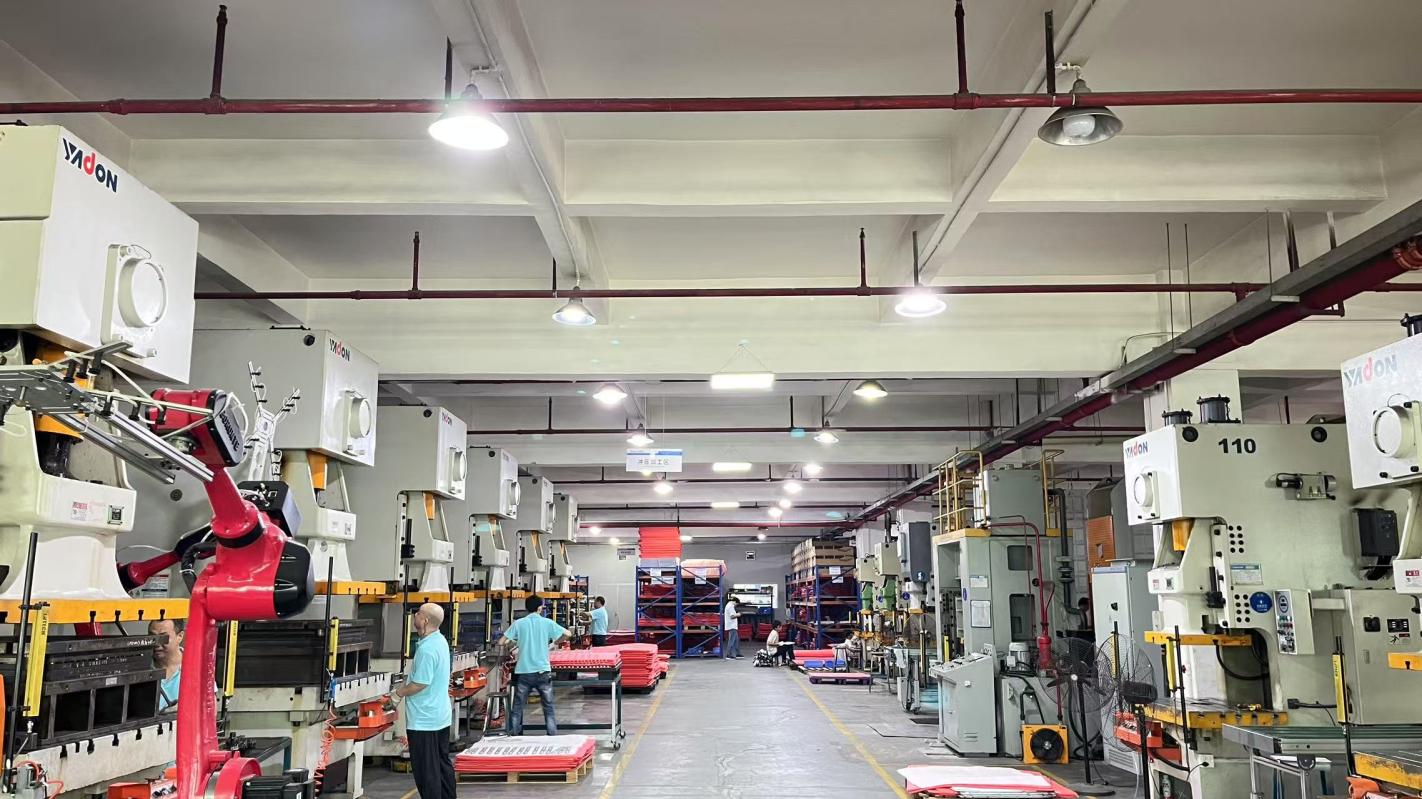
Vorynex Memory Technology (China) Co., Ltd. is a professional DDR5 memory manufacturer, custom PCB designer, and OEM/ODM solution provider specializing in high-performance modules for global markets. Established in 2016, the company has developed robust manufacturing, engineering, and optical/thermal packaging capabilities. Operating from a modern production facility covering approximately 320㎡, Vorynex focuses on delivering stable, high-speed, and energy-efficient memory, PCB layouts, and integrated LED control modules for gaming, industrial, and enterprise disinfection applications.
With over 12 years of industry experience in memory and semiconductor-related fields, coupled with 6 years of export experience, Vorynex achieves an annual export revenue of approximately USD 12 million. We maintain rigorous quality control standards, including 100% functional testing, aging tests, compatibility testing, and high-temperature stress testing. Our production lines feature automated optical inspection (AOI), in-circuit testing (ICT), and final system-level validation. The quality assurance team consists of approximately 45 professional QC staff ensuring consistent product reliability.
Our engineering strength lies in our R&D capabilities, supported by a team of approximately 180 R&D engineers focusing on PCB thermal management, high-speed signal integrity, memory architecture optimization, and custom firmware integration. We collaborate with more than 1,200 supply chain partners globally, enabling secure component sourcing.
Procuring UVC disinfection modules from a Chinese manufacturer provides significant advantages for global system integrators and distributors. The concentrated supply chain clustering in South China ensures immediate access to primary components—ranging from raw AlGaN wafers and precision quartz lenses to customized aluminum core PCBs and driver ICs.
This localization reduces overall Bill of Materials (BOM) costs, expedites prototyping cycles, and minimizes lead times. Through long-term contracts with local chip foundries, Vorynex provides a stable supply and minimizes price volatility.
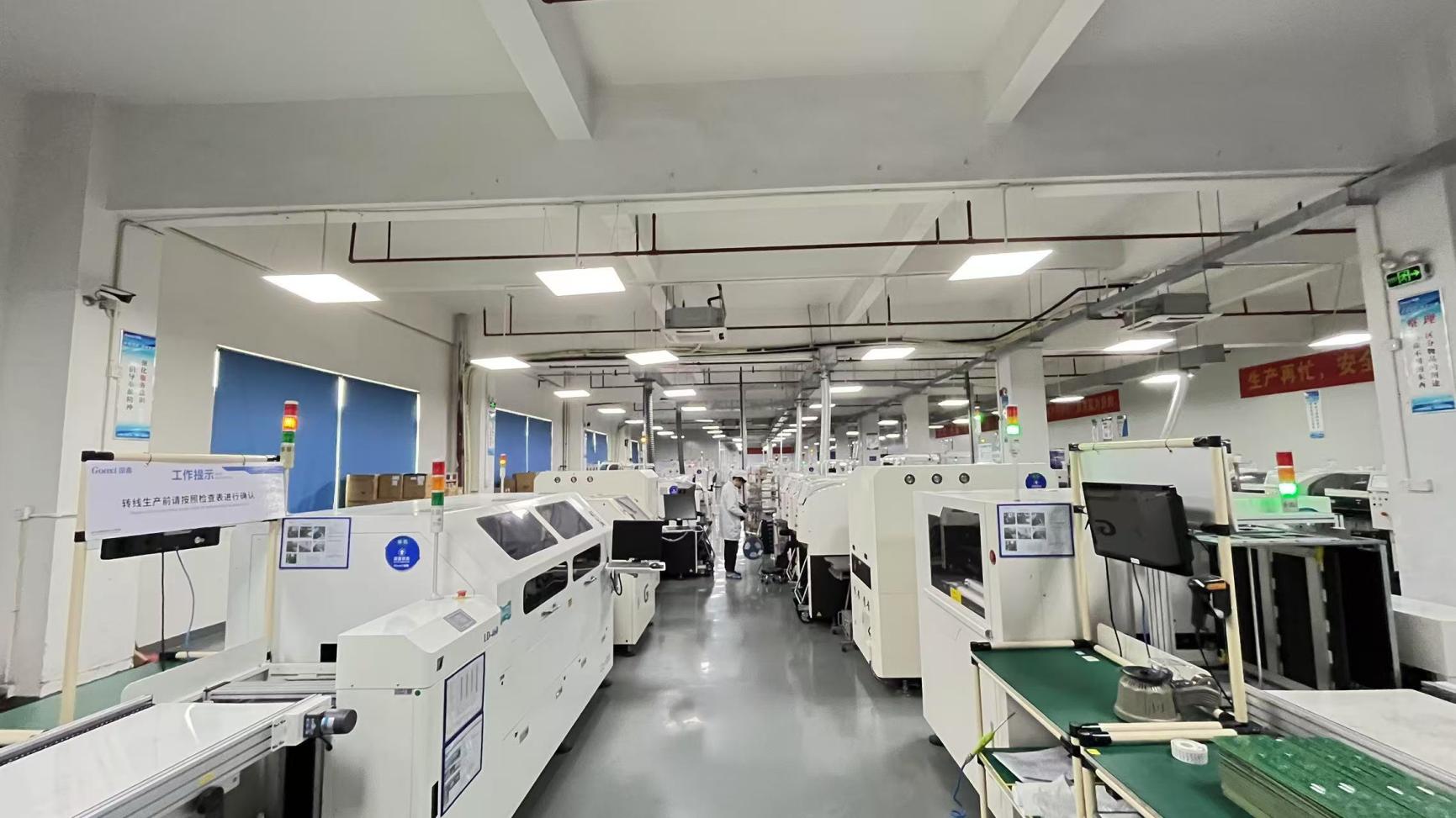
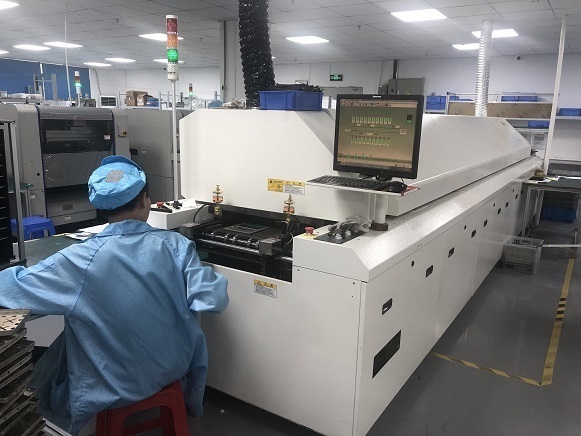
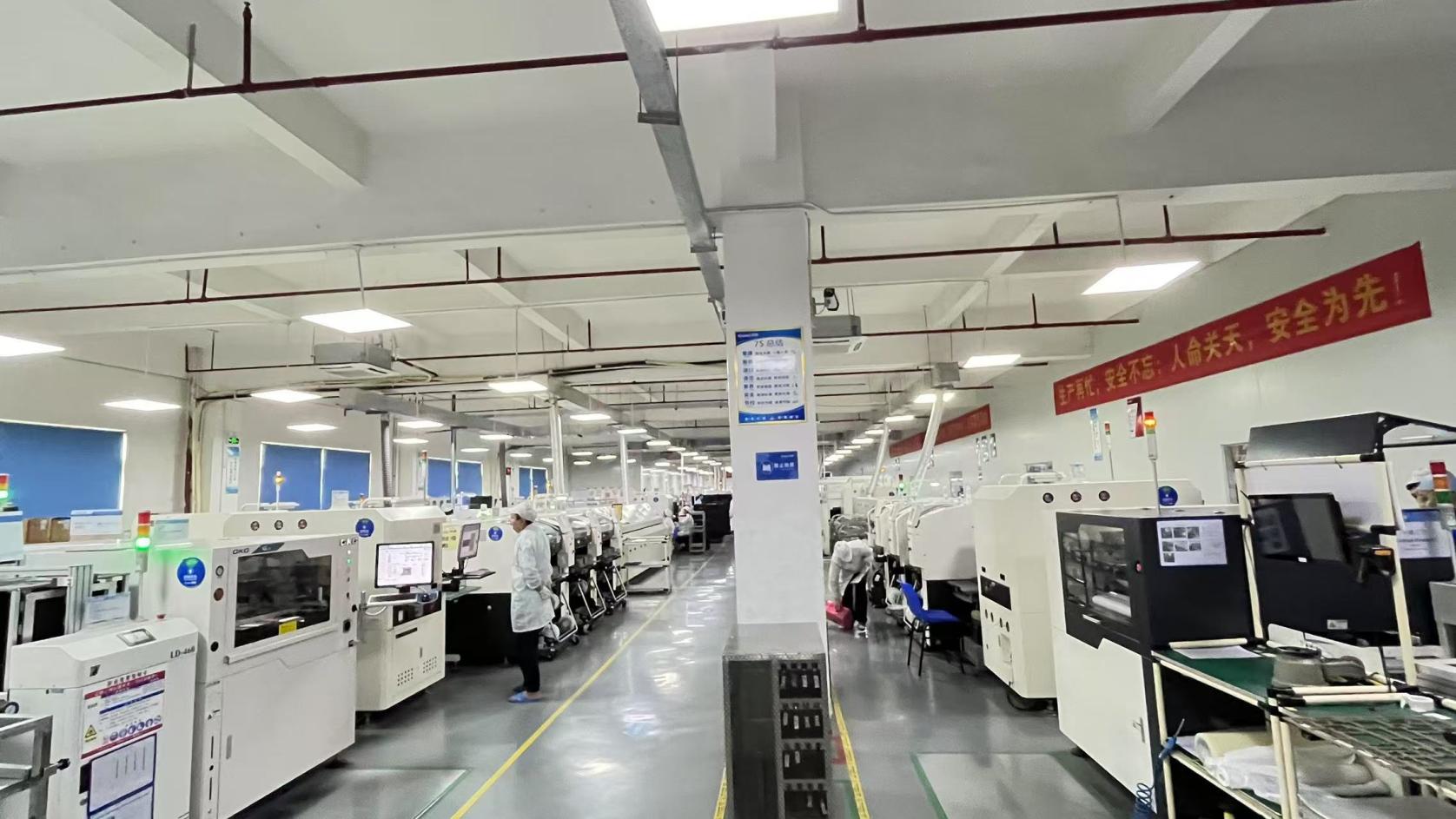
Additionally, our automated SMT assembly lines, equipped with AOI and ICT systems, guarantee production consistency. We support custom orders, including variations in board dimensions, copper thickness, target drive currents, and mounting configurations, allowing us to deliver high-performance solutions tailored to your technical requirements.
Navigating the complex regulatory requirements of international markets is essential for direct integration of UVC sterilization components. Since UVC light is an active germicide, import regulations, electrical certifications, and photobiological safety standards are strictly enforced globally.
Our module designs comply with IEC 62471, classifying emissions and providing clear instructions on shielding, optical containment, and proximity sensing to prevent exposure hazards.
High-frequency LED switching drivers comply with FCC Part 15 and CE-EMC standards, preventing electrical interference with nearby sensory arrays or communication networks.
We source raw materials that comply with the RoHS Directive, ensuring all assemblies are free of lead, mercury, cadmium, and hexavalent chromium.
Where high-reliability electronics and germicidal efficiency meet.
Integrated directly into high-airflow ducting systems, our UVC arrays sterilize airborne pathogens in real-time. Aluminum core PCBs prevent overheating under restricted air movement, maintaining maximum optical intensity.
Designed for under-sink filtration systems and water storage reservoirs. Standard IP67 waterproof encapsulation is used alongside aluminum substrate layouts to maintain low junction temperatures through high water thermal absorption.
Used in clinical equipment, high-touch terminal keypads, and conveyor lines. Precision driver modules are optimized for rapid cycling, delivering high-intensity optical output on demand.
Technical and procurement inquiries regarding UVC LED Disinfection Module Manufacturing.
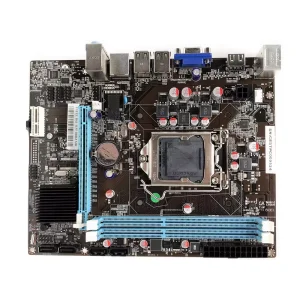
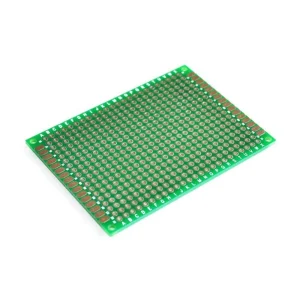
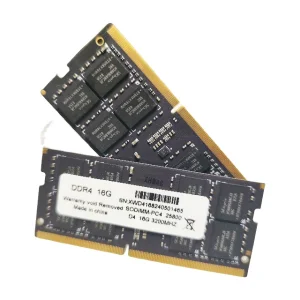
Additional PCB prototypes, high-speed RAM assemblies, and multi-interface computer motherboards.
 Vorynex