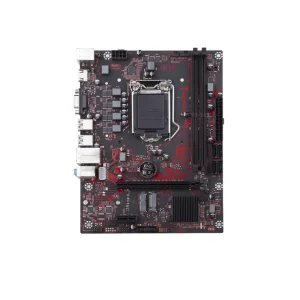
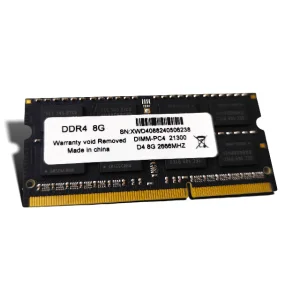
High-reliability core components tailored for Sri Lankan infrastructure projects, water plant logic engines, and sanitization system monitoring
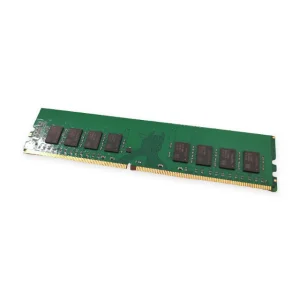
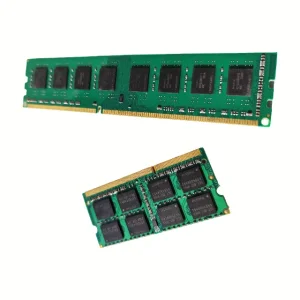
Sri Lanka is undergoing a massive transformation across its industrial, agro-processing, hospitality, and public utility sectors. With the Kelani River Basin development, urban municipal drinking water initiatives, and the booming Ceylon tea and seafood export sectors, the demand for non-chemical pathogen control is at an all-time high. Traditional chemical chlorination treatments not only lead to toxic disinfection byproducts (DBPs) like trihalomethanes but also face operational bottlenecks due to import dependencies. Solid-state UVC (Ultraviolet-C) LED technology represents the gold standard for zero-chemical, instant-on microbial inactivation.
As a leading engineering entity with strong semiconductor packaging capabilities, Vorynex Memory Technology serves the Sri Lankan market by supplying premium-grade UVC LED modules, high-reliability driver board assemblies, and heavy-duty controller processing electronics designed to withstand the tropical, high-humidity environments typical of Colombo, Jaffna, Galle, and Kandy.
Operating high-output UVC LED modules in Sri Lanka poses distinct engineering hurdles. High ambient humidity (often exceeding 80%) combined with high average temperatures accelerates the thermal degradation of UVC LED chips, which historically possess a low wall-plug efficiency (WPE). If the junction temperature of the AlGaN (Aluminum Gallium Nitride) semiconductor material rises above rated thresholds, optical power output decays exponentially, drastically reducing the sanitization rate.
To overcome this, our customized modules for Sri Lanka incorporate metal-core PCBs (MCPCBs) with high-conductivity copper/aluminum composite thermal backplanes. Integrating smart driving circuits ensures constant current regulation, preventing thermal runaway and maximizing the L70 lifetime of the ultraviolet emitters to exceed 10,000 continuous hours.
The shift toward digital, Mercury-free, and energy-efficient disinfection architectures
Globally, mercury-based low-pressure lamps are being phased out in compliance with the Minamata Convention. UVC LED modules operating at 265nm to 275nm wavelengths offer a mercury-free, eco-friendly solution with zero toxic disposal liabilities for Sri Lankan municipal projects.
While 254nm was the standard for mercury tubes, peak absorption of DNA/RNA in pathogens occurs at 265nm. Our specialized AlGaN semiconductor matrices target 268nm, providing up to 1.5x higher disinfection efficiency per unit of optical energy.
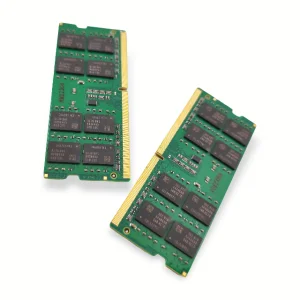
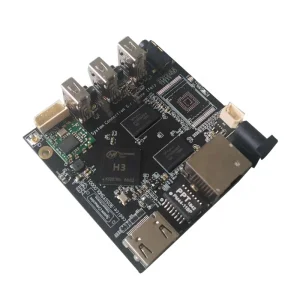
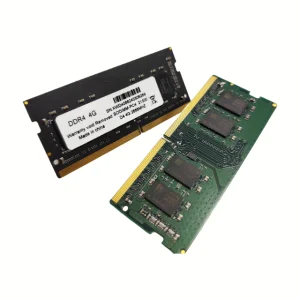
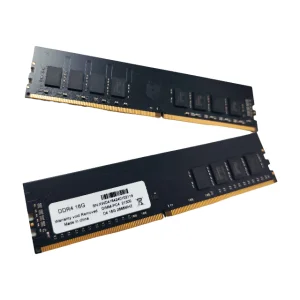
Modern disinfection grids require real-time irradiance monitoring, water flow rate sensing, and localized data logging. Combining high-performance memory modules with driver boards allows automated telemetry reporting in smart city projects.
Annual Export Value
Professional R&D Engineers
Dedicated QC Technicians
Global Supply Chain Partners
Engineered solution pathways matching the commercial, agricultural, and public health demands of Sri Lanka
Sri Lanka's tea and spice exports must strictly comply with global food safety standards, including maximum residue limits (MRLs) for chemicals and microbiological purity tests. Implementing chemical washes or thermal sterilization can compromise the sensory qualities, taste, and color of delicate leaves and spices. Our high-intensity UVC LED modules offer a continuous, dry sanitization line that neutralizes coliforms, molds, and Salmonella without thermal stress or chemical additives, securing premium exports for global buyers.
Access to safe water remains critical, especially in rural agrarian communities. Centralized chlorine distribution is highly challenging in remote dry-zone environments. Our low-power-consumption UVC LED sterilization modules are engineered to operate on localized solar PV power systems (12V/24V DC). They deliver high-efficiency, instant-on disinfection at water dispensing kiosks, eliminating pathogens like Vibrio cholerae and Escherichia coli on demand without wasting water.
Sri Lanka's tourism sector relies heavily on luxury resorts situated in tropical, humid zones. Mould and mildew build-up in HVAC cooling coils and air ducts degrades indoor air quality and increases operating costs. Positioning custom UVC LED modules within the air handling units (AHUs) continuously disinfects heat-exchanger surfaces, improves thermal transfer efficiency, and guarantees sanitarily clean air for international travelers.
Major apparel manufacturers and textile washing plants in industrial zones like Biyagama and Katunayake produce substantial amounts of process water. Environmental regulations mandate advanced treatment prior to reuse or discharge. High-power UVC modules, integrated with advanced oxidation processes (AOPs), break down persistent organic compounds and remove pathogens in industrial effluent cycles, ensuring compliance with Central Environmental Authority (CEA) guidelines.
High-performance control units and memory components designed for advanced system stability and precision operations
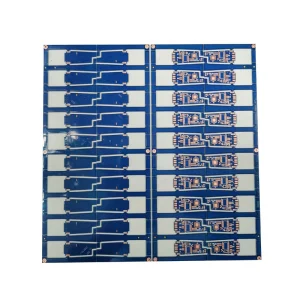
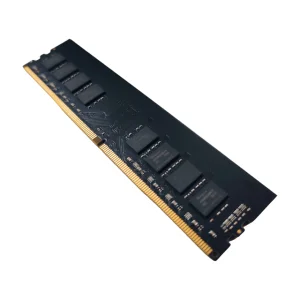
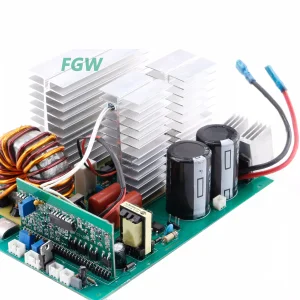
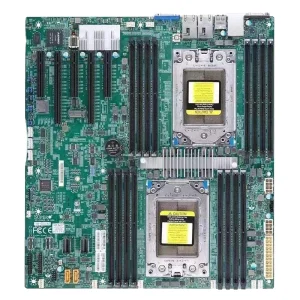
Engineered thermal and electrical control architectures to secure reliable operation in tropical climates
When selecting a UVC LED module, industrial buyers must evaluate the unit's thermal dissipation and optical layout. Standard white-light LEDs exhibit high wall-plug efficiency (often exceeding 50%), where most electrical energy converts into visible light. However, UVC LEDs present a more complex physical challenge: only 3% to 6% of the electrical energy converts into light, while the remaining 94% is lost as heat. If this heat is not dissipated away from the semiconductor substrate, the junction temperature rises rapidly. This causes a decrease in optical output (irradiance decay) and triggers wavelength shift, reducing the module's disinfection efficacy.
To address this in tropical environments like Sri Lanka, Vorynex utilizes custom-engineered Metal Core Printed Circuit Boards (MCPCBs) paired with high thermal-conductivity dielectric layers. This configuration provides a thermal resistance path under 4°C/W, moving heat quickly to external heatsinks. Additionally, we integrate real-time temperature sensing and automatic current regulation to prevent thermal runaway under continuous operation.
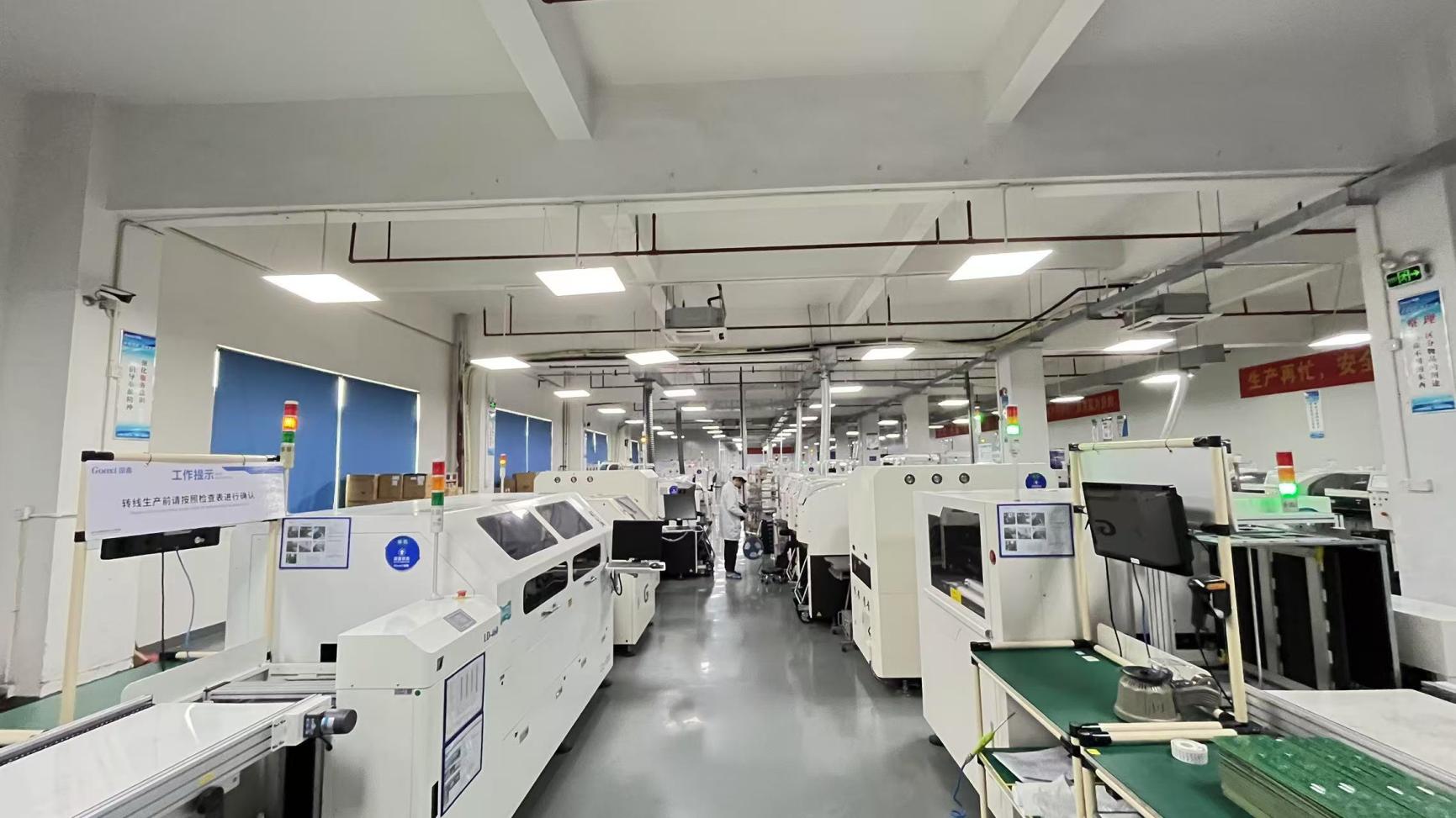
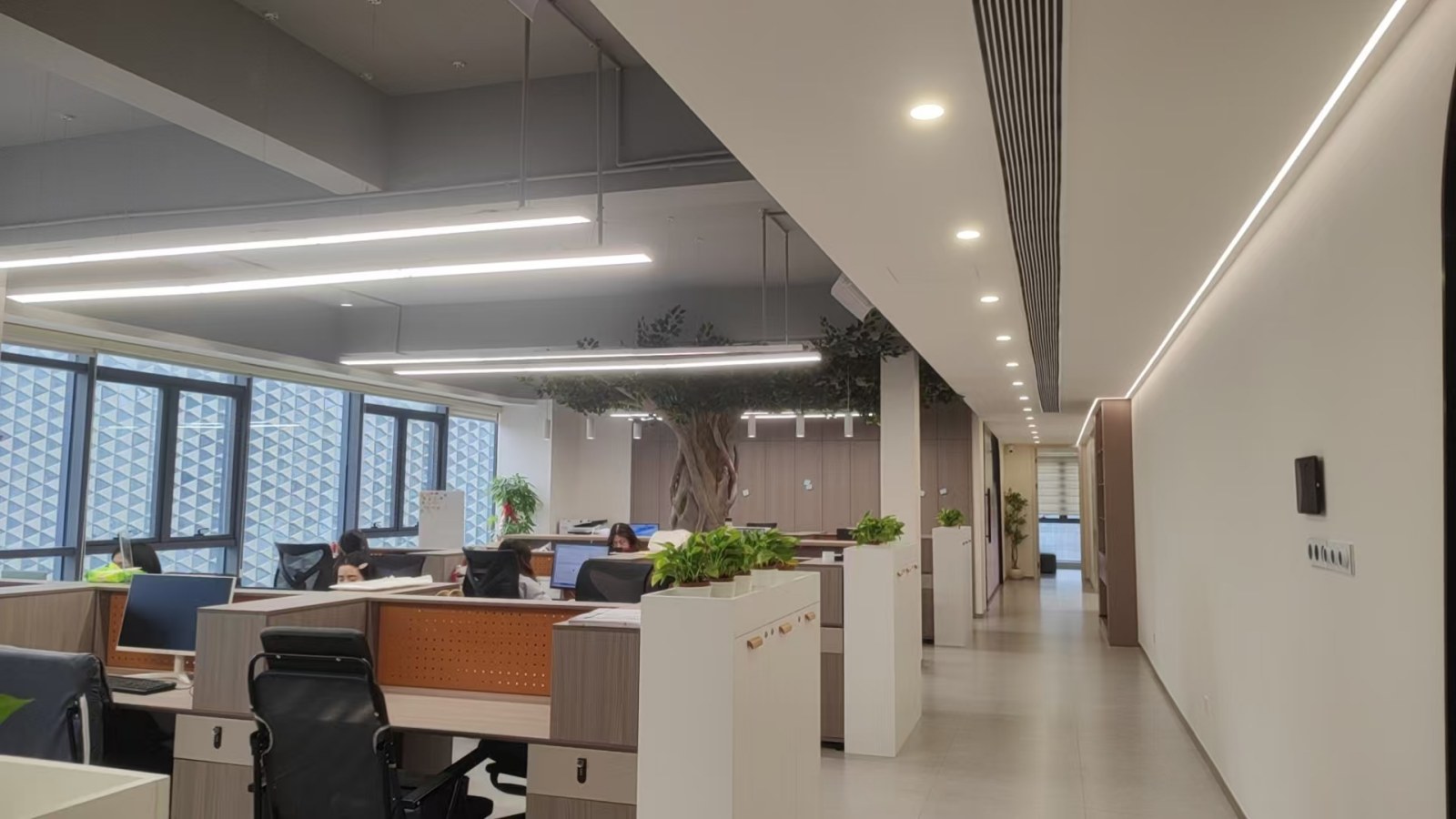
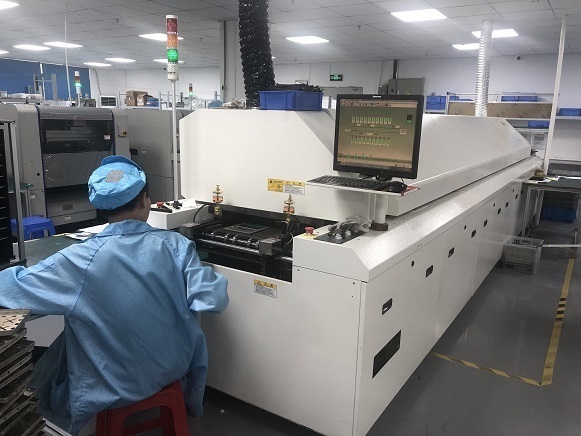
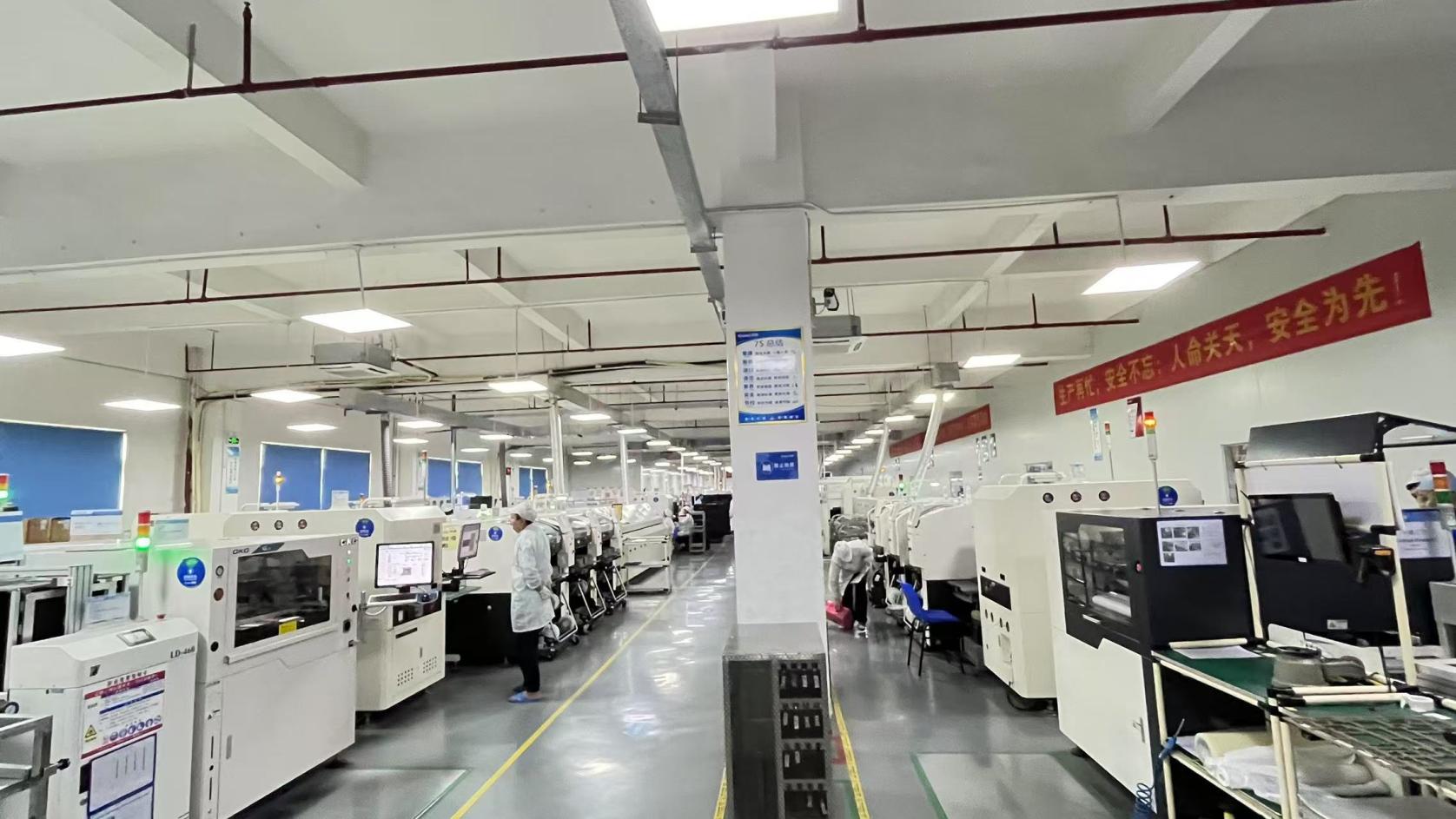
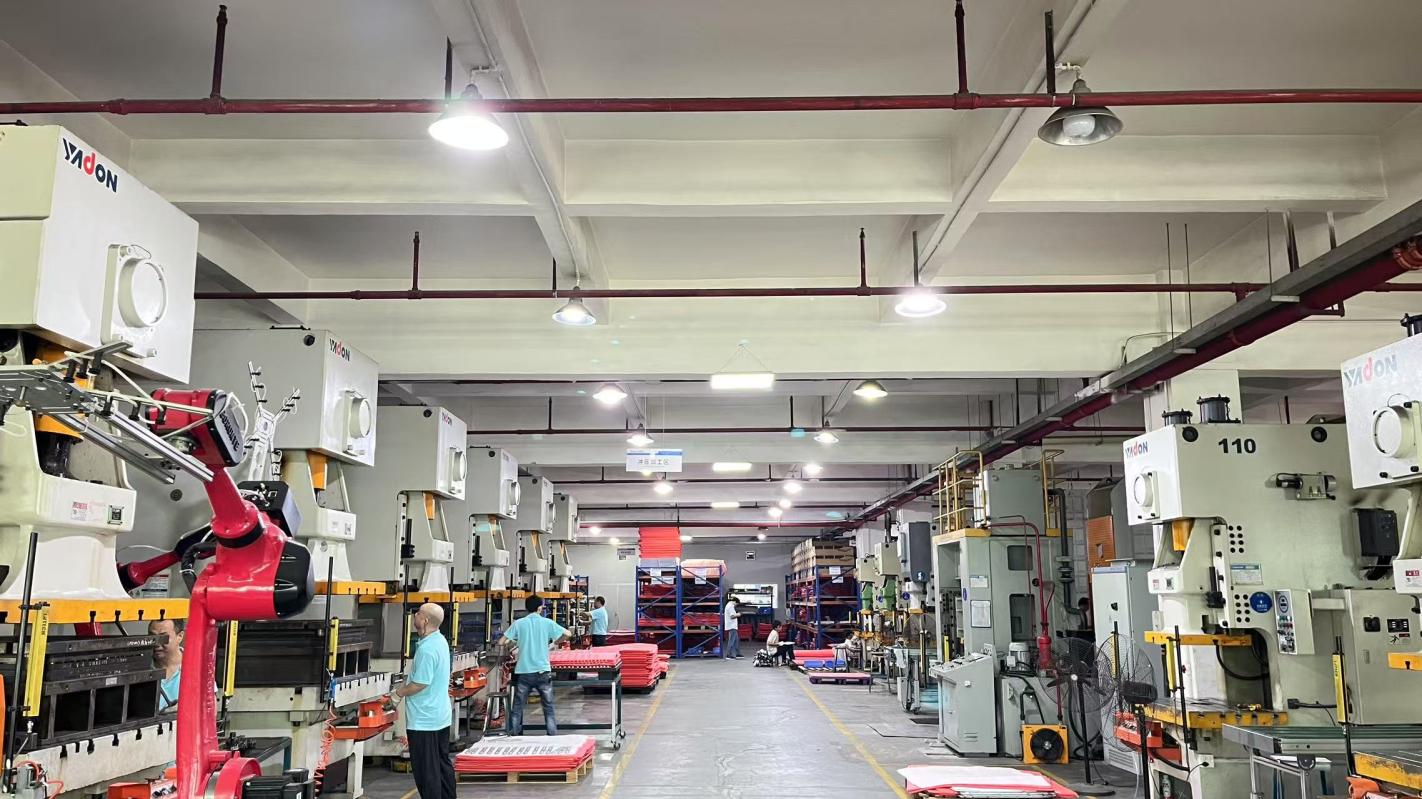
Our production facilities maintain the highest standard of manufacturing capability, ensuring that every module exported to Sri Lanka exhibits maximum reliability and lifetime. We utilize premium surface mount technology (SMT) assembly, automated optical inspection (AOI), and in-circuit testing (ICT) to verify board level metrics under dynamic operational stresses. View our state-of-the-art manufacturing halls below:
Detailed technical answers for Sri Lankan project managers, electrical design engineers, and systems integrators
Whether you are managing a municipal water project in Colombo, designing an industrial HVAC system, or upgrading food safety lines in Sri Lanka, Vorynex delivers the engineering expertise and component quality your systems require.
 Vorynex