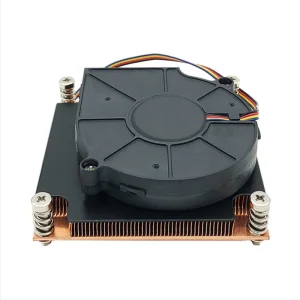
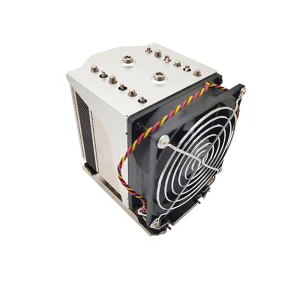
Premium server-grade copper radiators and high-TDP processor cooling fans optimized for South American high-density server configurations.
A deep analysis of South America's most dynamic data hub and the environmental challenges driving advanced server cooling requirements.
Chile has solidified its position as the premier cloud and data center hub of South America, with Santiago hosting major hyperscale hubs for global tech giants like Google, Amazon Web Services (AWS), Huawei, and Oracle. With high-speed fiber-optic linkages running through the Patagonia-submarine cables and cross-Andean fiber routes, the local demand for enterprise computing has spiked. High-density deployments require specialized server hardware. Increased rack density directly translates to higher thermal footprints per unit area, pushing standard air cooling systems to their physical limits.
In Santiago’s Metropolitan Region, local data operators are increasingly shifting towards high-TDP processor architectures (such as Intel's LGA4189 and AMD SP6 sockets) that support AI processing, big data analytics, and regional financial trading nodes. Ensuring uninterrupted uptime demands highly customized server radiators, engineered with optimized fin densities and robust heat pipe configurations capable of operating under strict ASHRAE standards.
Unlike flat European or North American plains, Chile presents stark environmental contrasts. In the north, the Atacama Desert is home to some of the world's largest mining facilities, where edge computing nodes are deployed at altitudes exceeding 3,000 meters. The lower atmospheric pressure at high altitudes drastically reduces air density, diminishing convective cooling efficiency by up to 30%. Standard cooling specifications fail under these conditions. Server radiators must be redesigned with increased surface areas, specialized thermal interface materials (TIM), and heavy-duty vapor chambers to compensate for the thin air.
Conversely, the southern Patagonian regions offer cold climates ideal for direct outdoor free-cooling designs. However, this creates challenges in humidity management and chemical corrosion from ambient coastal salinity. B2B operators in Chile must source hardware that features anti-corrosive plating, such as nickel-plated copper fins, to protect critical motherboard elements from atmospheric particulate ingress and maritime rust.
Advanced engineering methodologies designed to handle modern high-density processing requirements.
Server cooling architectures are transitioning from simple passive aluminum blocks to hybrid heat-dissipating assemblies. Aluminum is lightweight and cost-effective, but its thermal conductivity (approx. 205 W/m·K) is insufficient for high-density silicon. Oxygen-free copper, with a thermal conductivity of roughly 401 W/m·K, has become the standard for heat sink bases and direct-contact CPU plates.
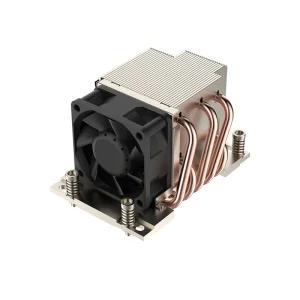
The introduction of sintered copper powder heat pipes, charged with vapor-phase working fluids (deionized water under vacuum), has revolutionized passive cooling. As the CPU generates heat, the liquid inside the heat pipe vaporizes, moving to the cooler fin areas where it condenses and returns via capillary action. For high TDP profiles exceeding 300W, such as the AMD SP6 platforms, 3D Vapor Chambers (3D VC) are used. 3D VCs integrate the planar base directly with vertical heat pipes, eliminating the thermal interface resistance between the block and the pipes.
As machine learning models push per-rack power requirements beyond 40 kW, standard air cooling becomes insufficient. The technology roadmap for server radiators points towards Direct-to-Chip (D2C) liquid cooling loops and Single/Two-phase Immersion Cooling. In D2C setups, high-flow water blocks containing micro-channel copper fins are mounted directly on CPU and GPU dies. These blocks route warm fluid out of the chassis to an external liquid-to-air heat exchanger or cooling tower.
Our manufacturing updates are designed with this future in mind. By integrating premium copper micro-fin machining capabilities with tight structural tolerances, we produce thermal systems that serve both high-reliability air-cooled requirements and the incoming demand for liquid-cooled manifolds. This design compatibility helps future-proof cloud infrastructures in Chile's developing tech regions.
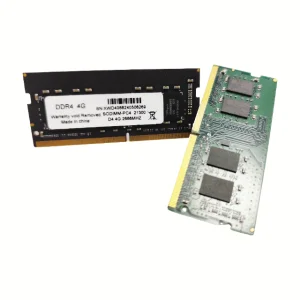
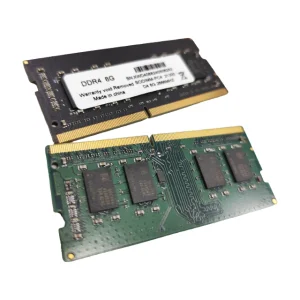
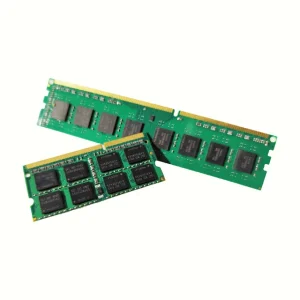
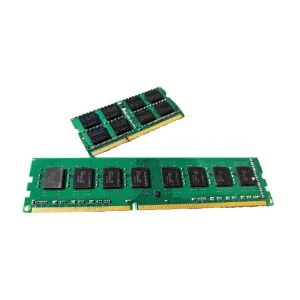
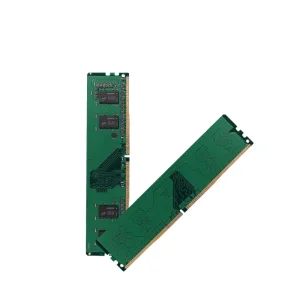
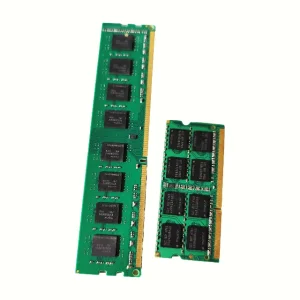
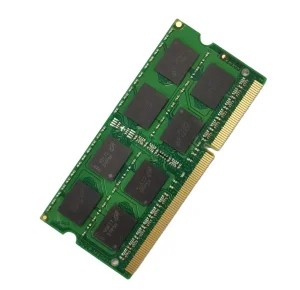
Essential server board components, developer prototypes, and high-compatibility SODIMM memory units for complete edge server deployments.
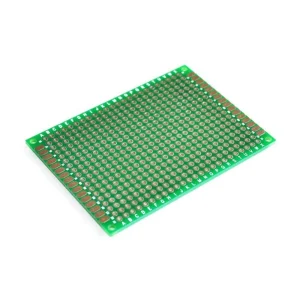
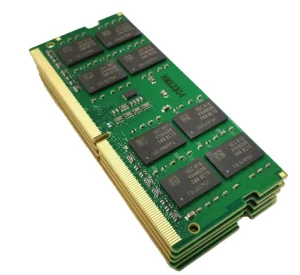
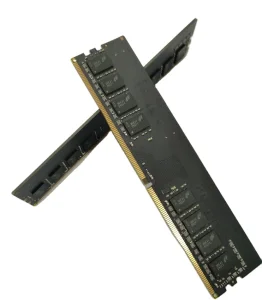
Combining high-efficiency production lines with international standards to ensure reliable delivery to South American markets.
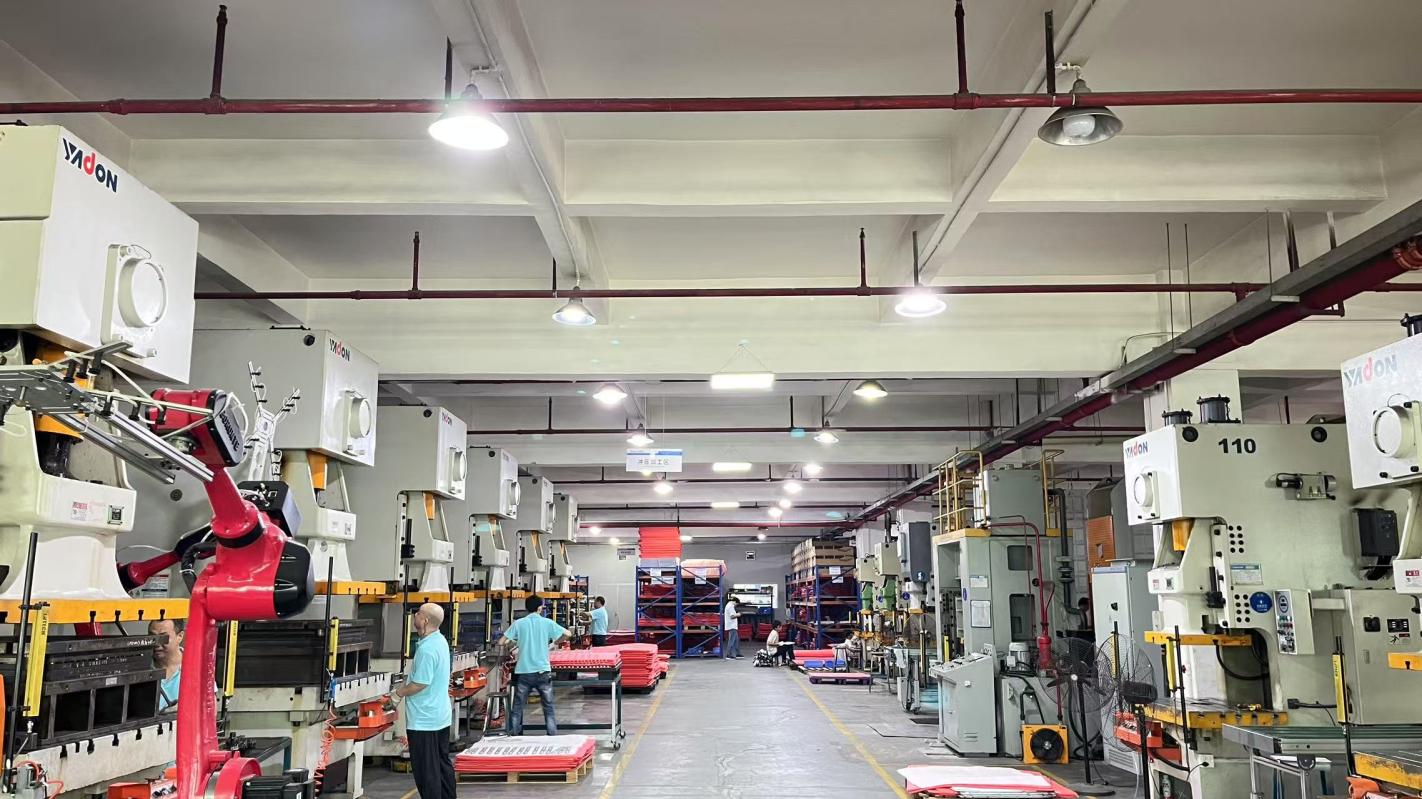
China's Pearl River Delta remains the global center for thermal engineering manufacturing, housing advanced raw material processing facilities, stamping presses, and automated CNC tooling centers. By working directly with us, Chilean buyers bypass intermediate markups and secure enterprise-grade hardware directly from the factory floor. This guarantees that copper purity (99.9% oxygen-free copper), heat pipe wall thicknesses, and fin pitches are maintained at tight design specifications.
Additionally, direct factory communication allows for seamless customization. Whether you require specific air-duct shrouds for specialized server chassis, specialized wire harnesses for your cooling fans, or copper heat pipes configured for low atmospheric pressures in high-altitude mining sites, our engineers can prototype, inspect, and ship custom orders directly to you.
The China-Chile Free Trade Agreement (Tratado de Libre Comercio - TLC) offers significant tariff advantages for electronic components, heat exchangers, and server components. B2B importers in Santiago, Valparaíso, and San Antonio can leverage zero-tariff and reduced-tariff access on qualifying industrial server components, lowering the Total Cost of Ownership (TCO) for data center expansion projects.
We coordinate with major ocean freight and express air-cargo carriers to provide reliable shipping pathways. Standard ocean shipments arrive at Valparaíso/San Antonio within 35 to 45 days, while high-priority air freight arrives at Santiago's Arturo Merino Benítez Airport (SCL) within 7 to 10 working days. Every shipment includes comprehensive documentation, including Certificates of Origin (Form F) and customs clearance invoices, ensuring smooth customs processing at the port of entry.
A trusted global OEM/ODM manufacturer specializing in high-performance memory modules and enterprise hardware integrations.
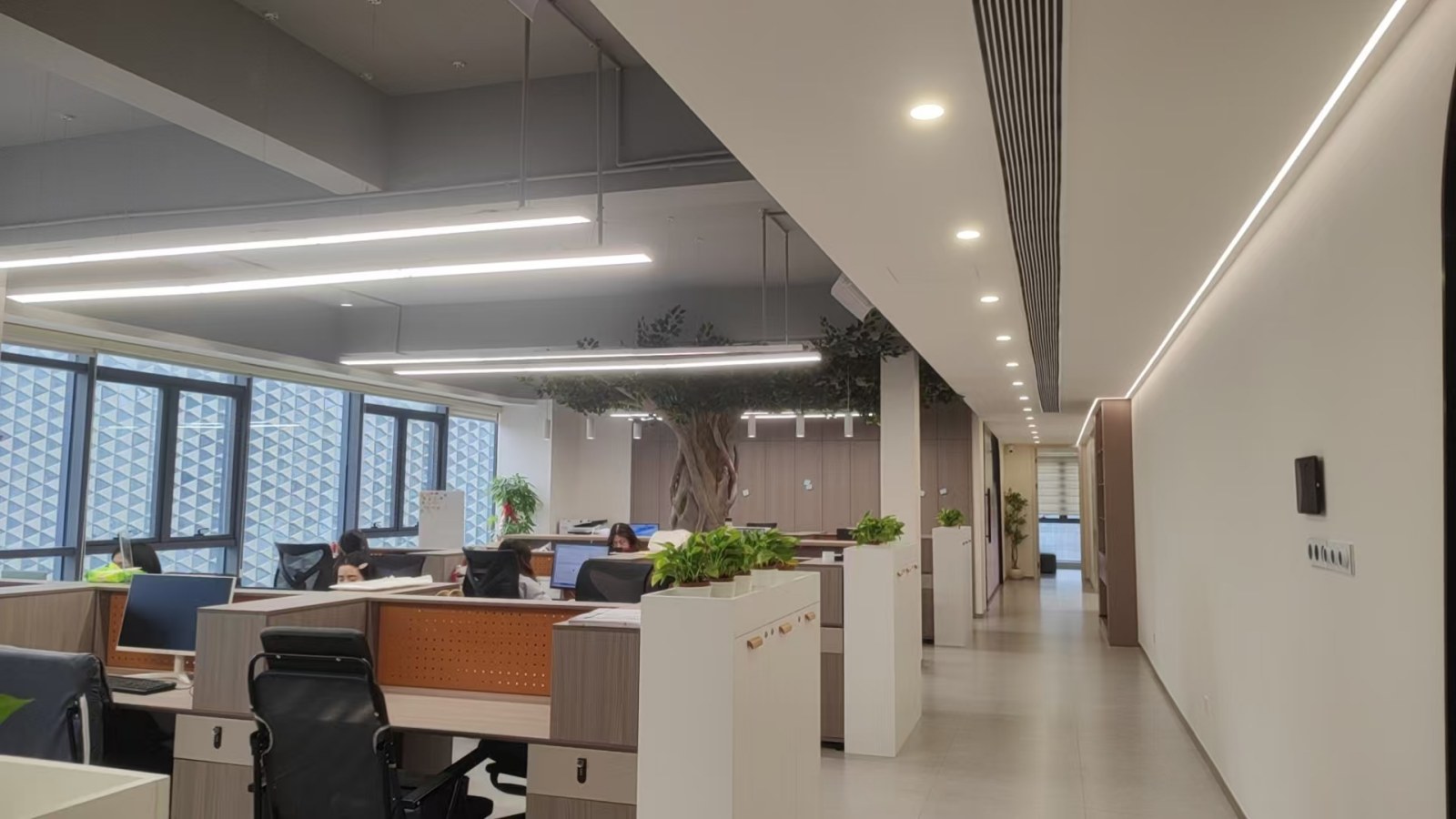
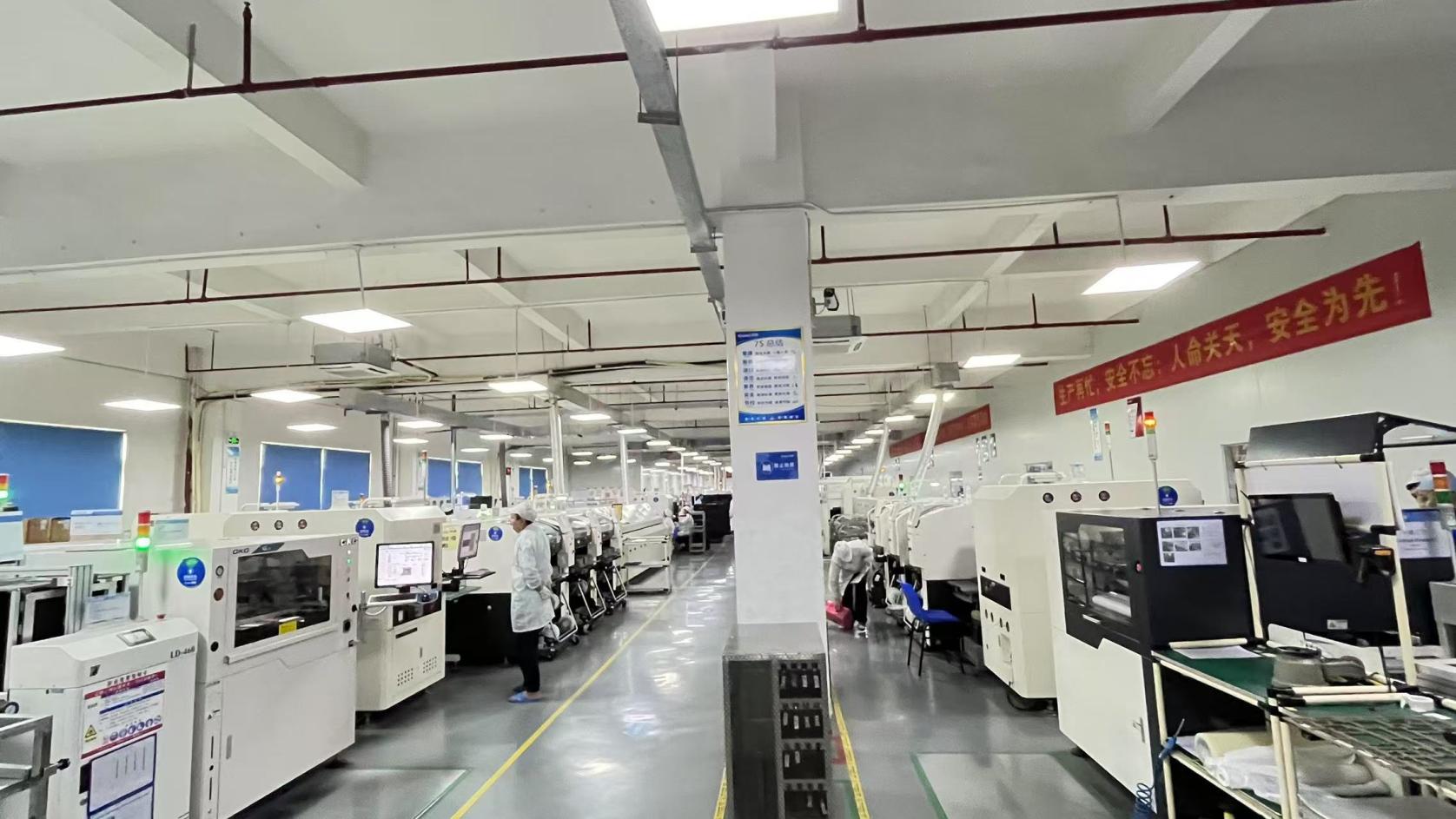
Established in 2016, Vorynex Memory Technology (China) Co., Ltd. is a professional DDR5 memory manufacturer and OEM/ODM solution provider specializing in high-performance memory modules for global markets. Over the years, we have developed strong manufacturing and engineering capabilities. Operating from a modern production facility covering approximately 320㎡, Vorynex focuses on delivering stable, high-speed, and energy-efficient memory solutions for gaming, industrial, and enterprise applications.
Our operations achieved an annual export revenue of approximately USD 12 million, supported by 6 years of export experience and over 12 years of industry experience in memory and semiconductor-related fields. We serve key markets including North America, Europe, Southeast Asia, the Middle East, and South America, maintaining a robust ecosystem with more than 1,200 supply chain partners to ensure a stable supply of DRAM chips and components.
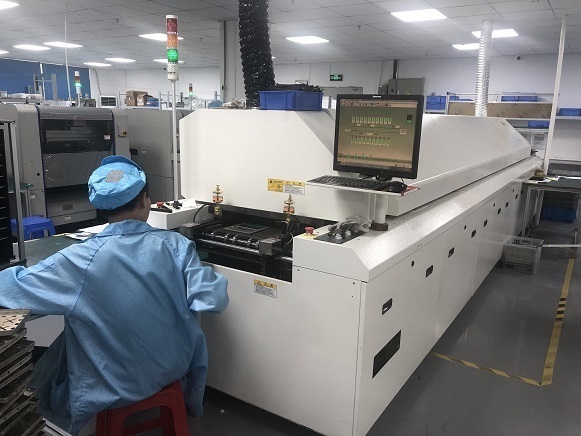
Quality is central to our operations. Our facility employs a dedicated team of approximately 45 professional QC staff, implementing 100% functional testing, aging tests, compatibility testing, and high-temperature stress testing. Inspection methodologies include automated optical inspection (AOI), in-circuit testing (ICT), and final system-level validation to guarantee field reliability.
Supported by a team of approximately 180 R&D engineers, we offer robust hardware customization, including frequency tuning, PCB design, heat sink integration, private label branding, and firmware optimization. In the past year, we launched around 240 new product models, helping customers around the world scale their infrastructure projects.
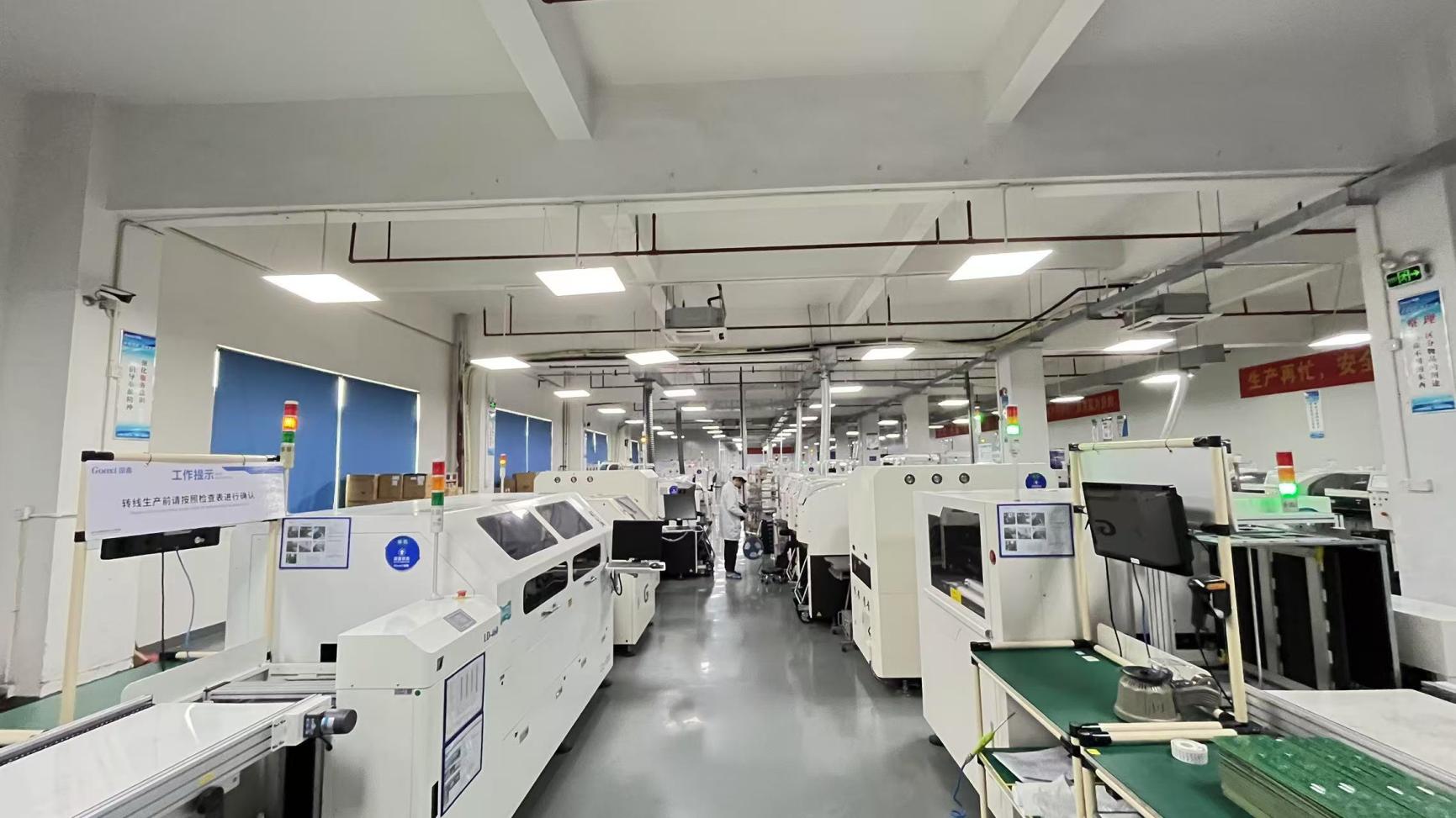
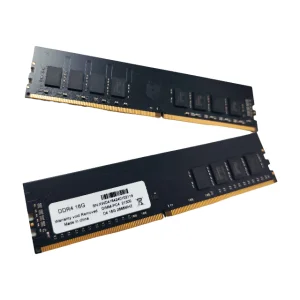
Integrate our professional memory modules with advanced server heat sinks for reliable high-speed data processing.
Expert answers to thermal management, hardware procurement, and local operations in Chile.
 Vorynex