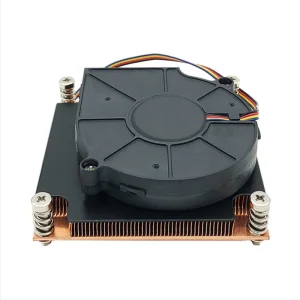
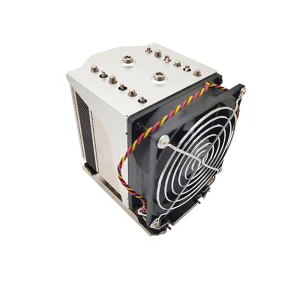
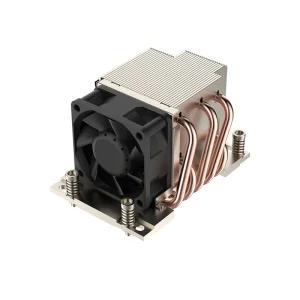
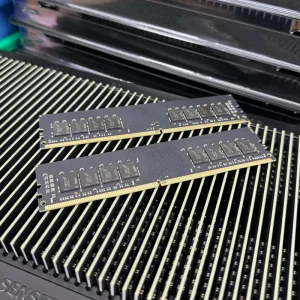
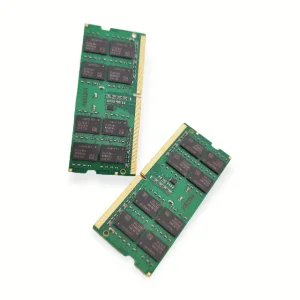
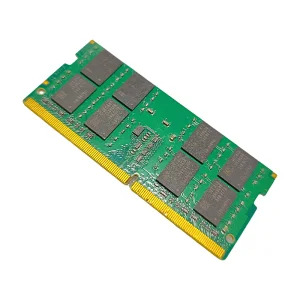
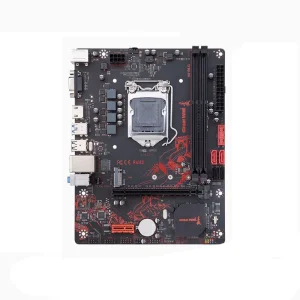
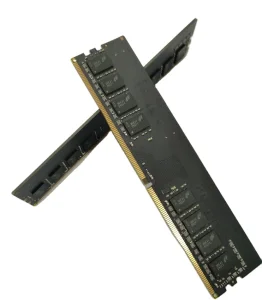
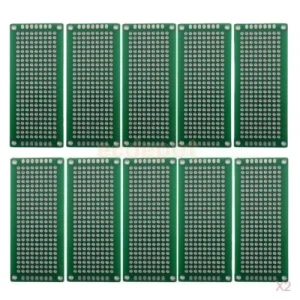
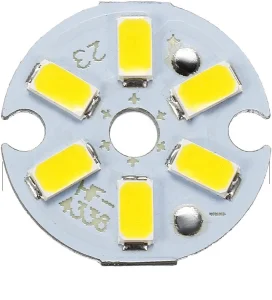
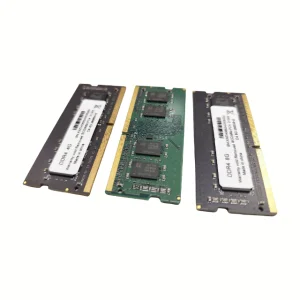
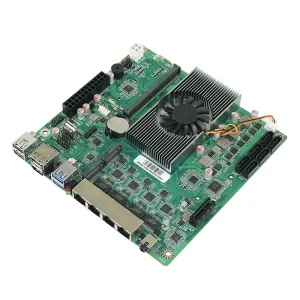
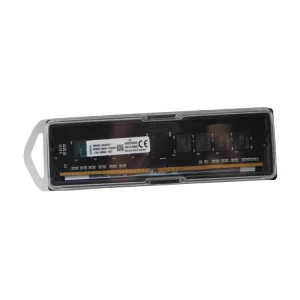
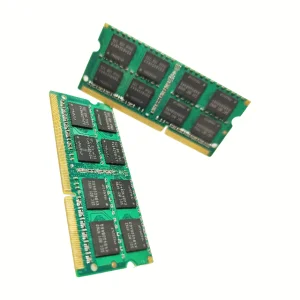
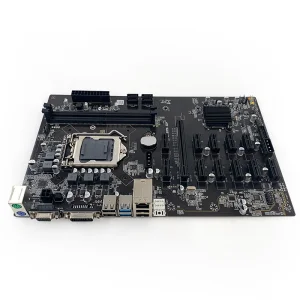
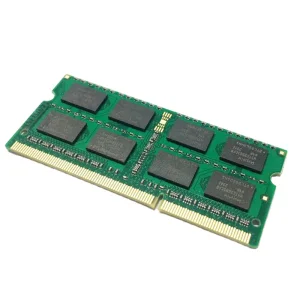
High-performance thermal sinks and core hardware selected for Barcelona's high-density cloud networks and computing infrastructures.
In the era of Artificial Intelligence (AI), Machine Learning (ML), and high-performance computing (HPC), thermal management in datacenter infrastructures has evolved from a utility support system to a primary operational constraint. Modern server chips regularly exceed 300W of Thermal Design Power (TDP). Standard heat dissipation techniques are no longer sufficient to prevent thermal throttling, structural warping, or catastrophic semiconductor degradation. Efficient cooling loops, structured around high-thermal-conductivity copper or aluminum radiators, represent the direct pathway to lower Power Usage Effectiveness (PUE) and optimal server lifespan.
Barcelona is undergoing a rapid, structural transition into one of Europe's most vital Tier-2 datacenter hubs, serving as a primary link between North Africa, Southern Europe, and the global digital networks via the Medusa and 2Africa submarine cable networks. The expansion of colocation and cloud storage infrastructure throughout Catalonia is catalyzed by projects like the MareNostrum 5 supercomputer at the Barcelona Supercomputing Center (BSC) and the growth of tech zones such as the 22@ district.
However, Barcelona's Mediterranean climate introduces distinct challenges. Data centers in coastal Catalonia must operate under high relative ambient humidity and seasonal elevated temperatures. Conventional air-cooling systems become highly inefficient and energy-intensive during peak summer periods. As Spanish and regional Catalan regulations impose strict sustainability targets, the local datacenter operators are demanding high-efficiency server radiators, micro-channel cold plates, and advanced hybrid heat pipe structures. By upgrading thermal dissipation hardware, local operators can align their infrastructures with Catalonia's green transition policies and reduce structural power consumption.
Our server radiators utilize advanced engineering principles to ensure maximum thermal transfer rates. The technological roadmap focuses on two primary paradigms: Two-Phase Vapor Chambers (VC) and Multiphase Liquid Cooling Integrations.
A server cannot be cooled in isolation. Comprehensive hardware efficiency requires the optimization of memory layouts, high-integrity printed circuit boards (PCBs), and processor power delivery zones. Vorynex Memory Technology (China) Co., Ltd., established in 2016, serves as the engineering spine behind our global hardware supplies. With a 320㎡ advanced production facility, Vorynex has accumulated over 12 years of industry experience in high-speed semiconductor integration and 6 years of international export delivery.
DDR4 and DDR5 memory modules running high-frequency operations generate localized thermal hot zones adjacent to the CPU socket. Vorynex optimizes memory PCB architecture and integrated heatsinks to dissipate DRAM-level heat, allowing nearby CPU radiators to process clean, unheated airflow. This global supply chain model integrates custom memory modules, multi-layer PCBs, and advanced heatsinks to deliver a singular, highly efficient hardware suite optimized for the harshest datacenter environments.
Every server radiator and computing hardware component shipped to Barcelona undergo rigorous QA pipelines. Our partner production facility is equipped with automated optical inspection (AOI), in-circuit testing (ICT), and system-level thermal chamber simulation. The quality assurance team consists of 45 professional QC personnel who enforce strict protocol benchmarks:
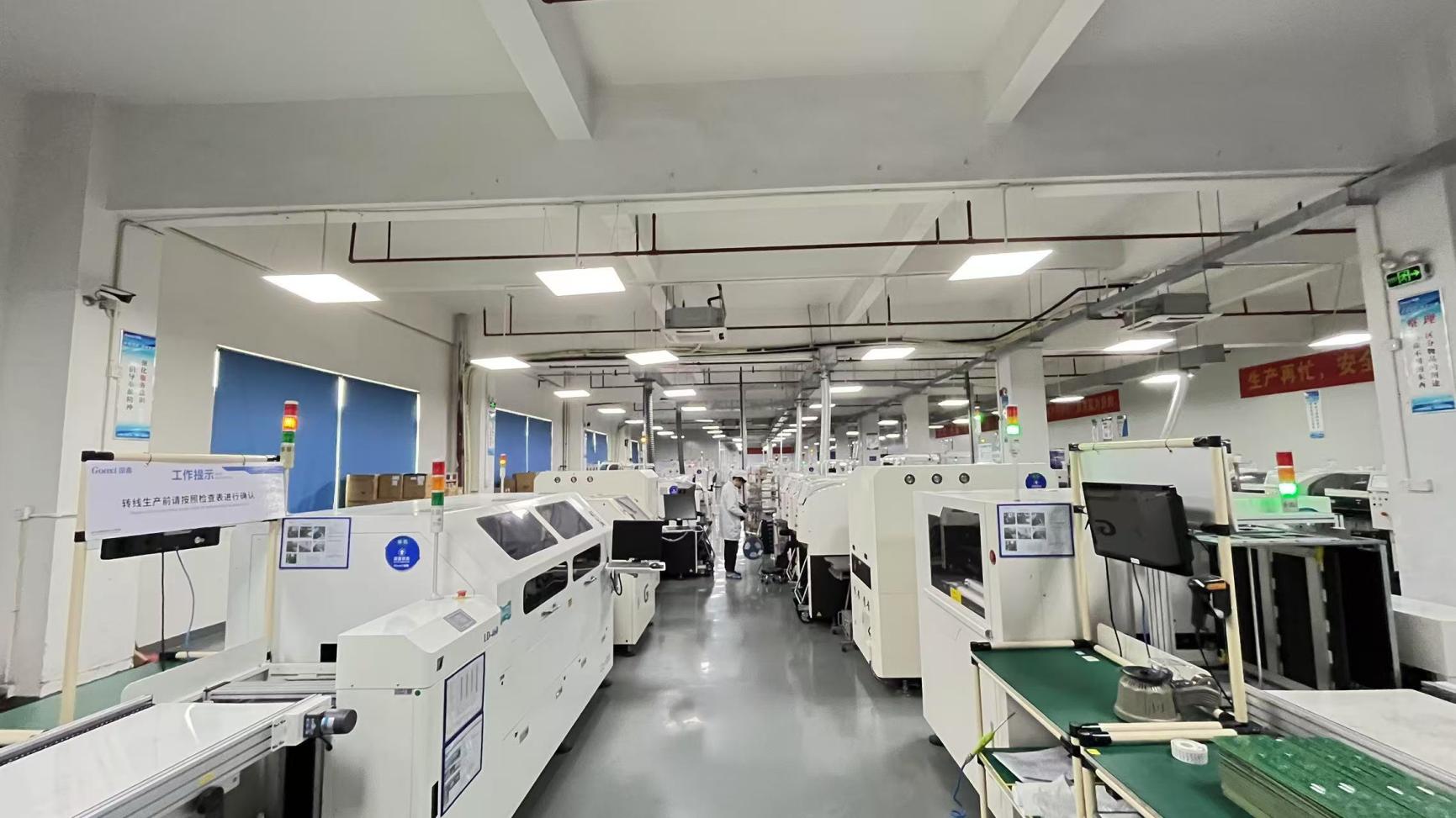
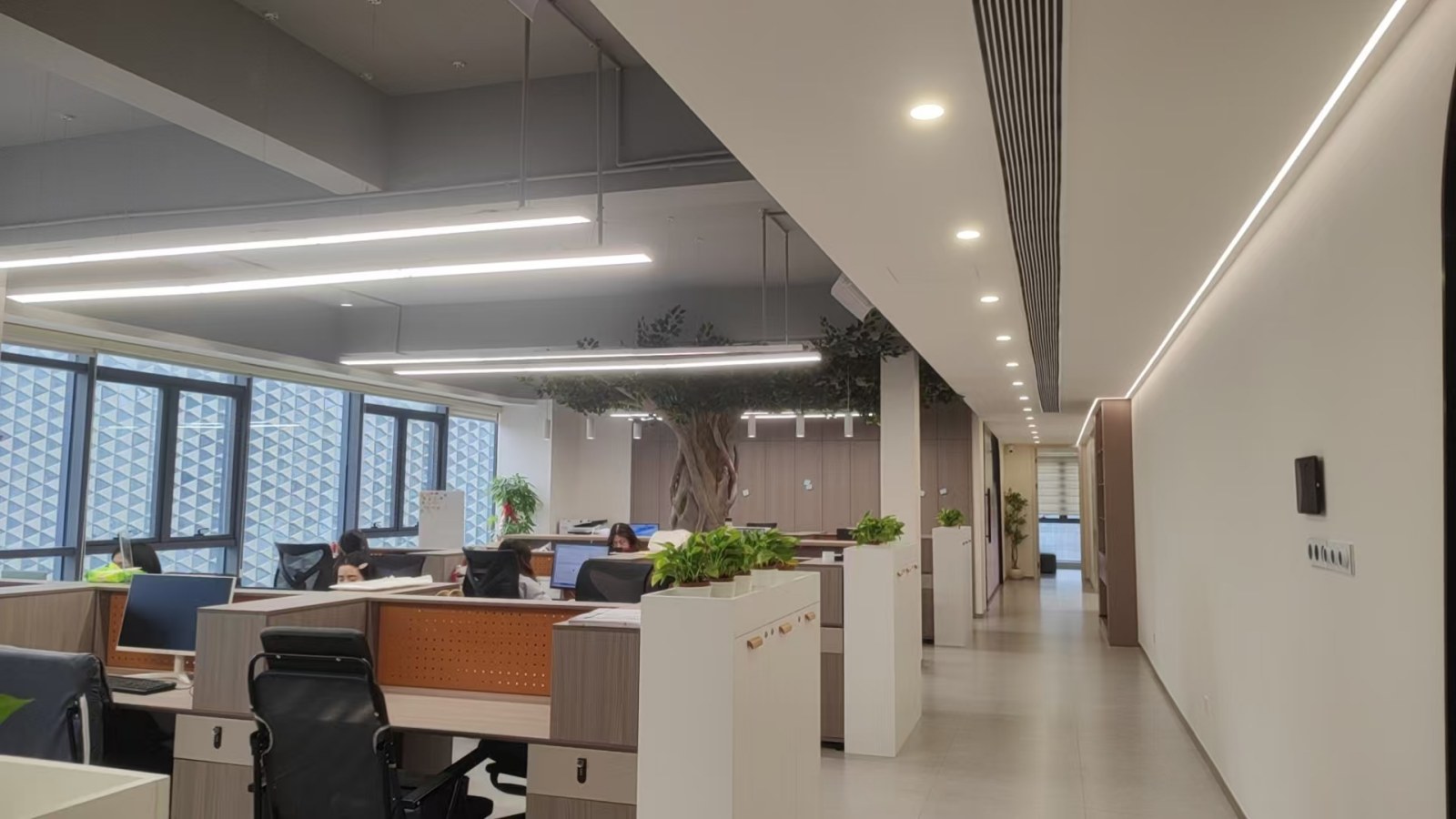
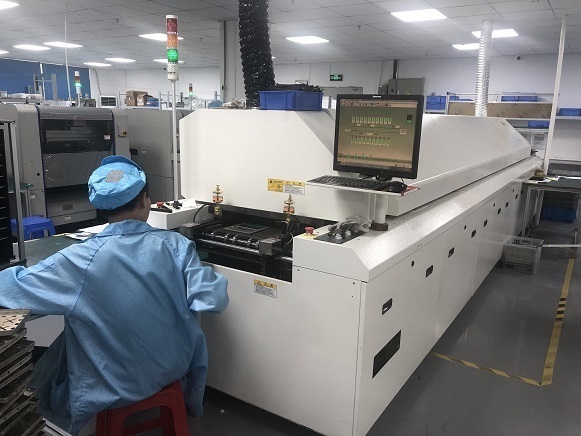
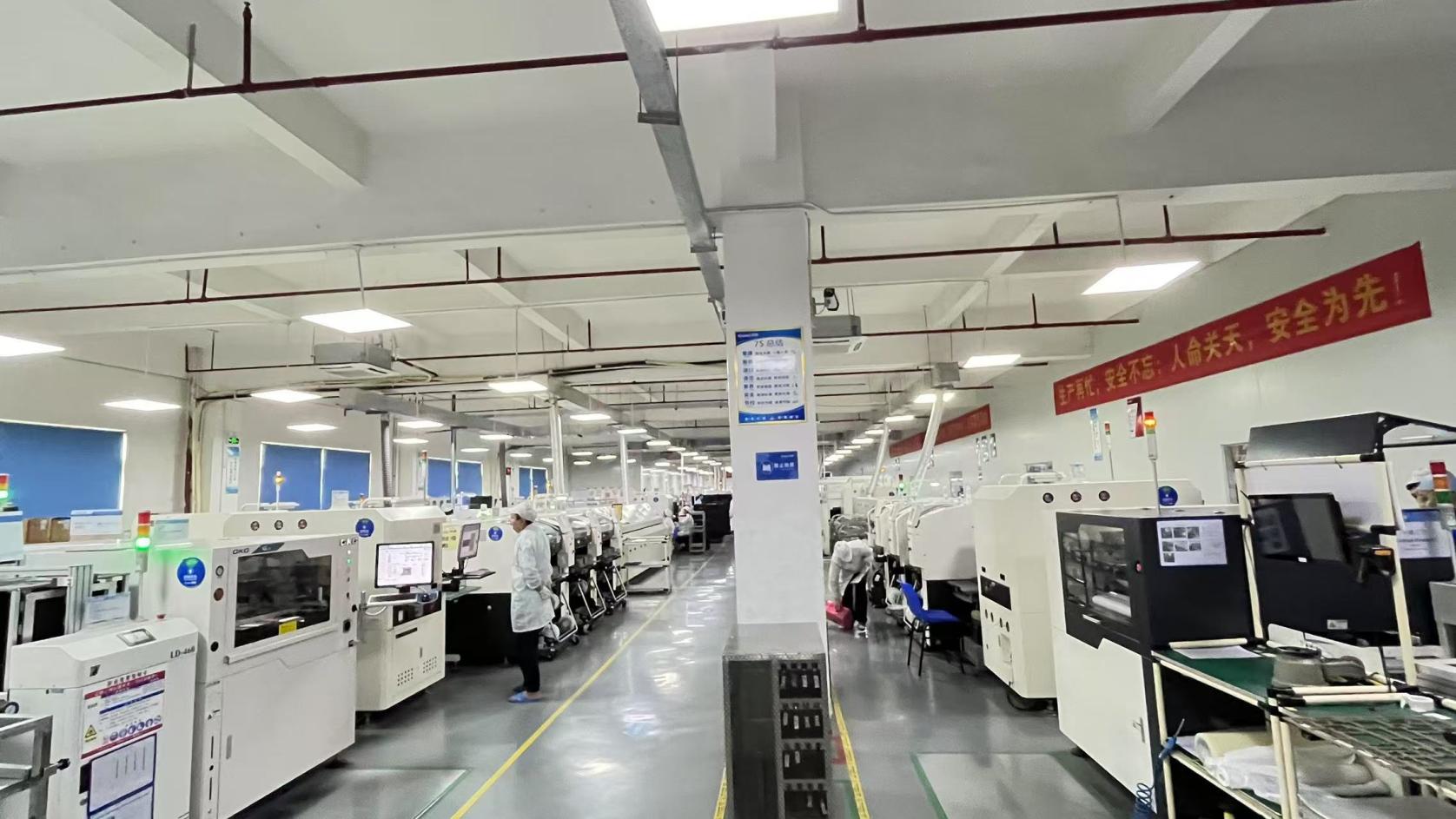
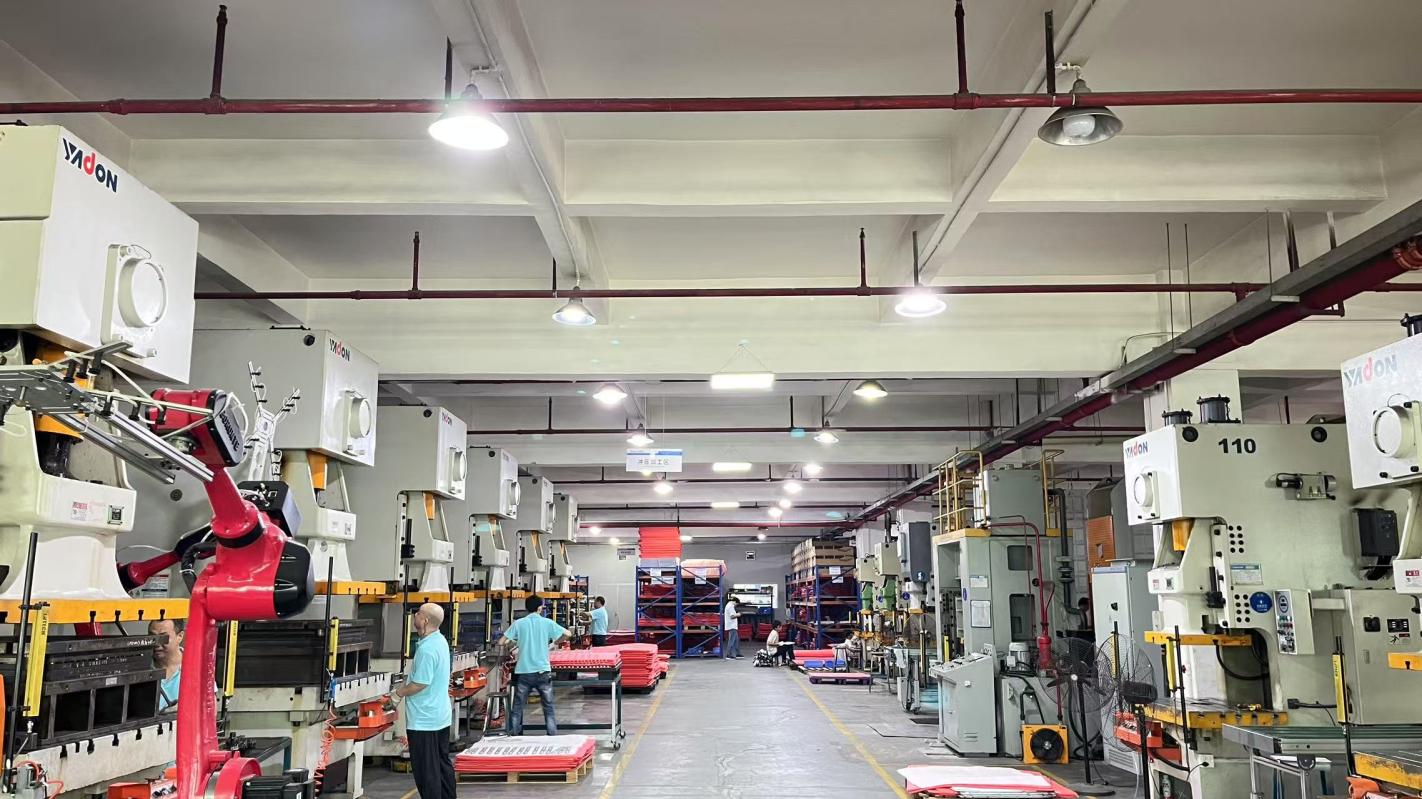
Exporters of hardware products to the Spanish market must strictly comply with regional environmental and safety frameworks. Our components are manufactured with full traceabilities to meet these criteria:
100% lead-free materials, ensuring all radiators and PCB soldering processes comply with European waste restrictions.
Rigorous safety tests on electronic controllers, cooling fans, and PCB traces to verify structural compliance for EU deployment.
Optimized logistics networks routing products from the Shenzhen hub directly to Barcelona El Prat or Port of Barcelona with EORI registration.
Technical and logistics inquiries regarding server radiators and components supplied to Catalonia.
Access our complete inventory of industrial server memories, multi-layer PCBs, motherboard kits, and thermal dissipation systems.
 Vorynex