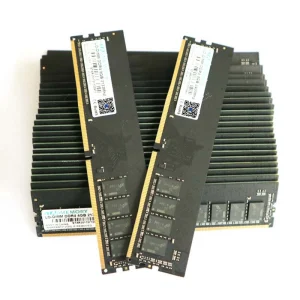
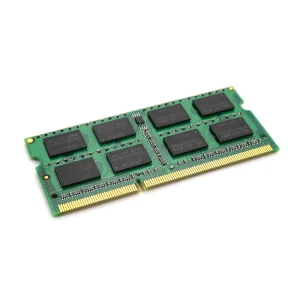
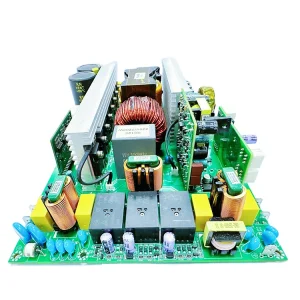
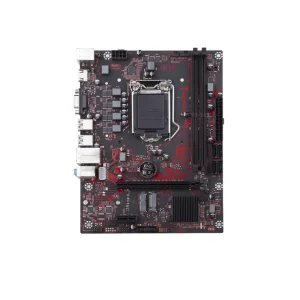
Direct supply of precision electronic components optimized for high-reliability production with advanced laser stencil configurations.
The Kingdom of Saudi Arabia, powered by the transformative mandates of Vision 2030, is executing a massive modernization sweep in localized electronics manufacturing. Through the National Industrial Development and Logistics Program (NIDLP), KSA is transitioning from component importation to localized production of smart infrastructure, utility meters, and IoT assemblies.
Central to this manufacturing pivot is the Surface Mount Technology (SMT) pipeline. At the core of every high-yield SMT production line lies the Laser Cut Stencil. As assembly operations in Riyadh, Dammam, and NEOM scale up, the requirement for precision-engineered SMT stencils featuring advanced nanocoatings, specialized step-up/step-down profiles, and micro-aperture configurations has grown exponentially.
Vorynex Memory Technology (China) Co., Ltd. addresses this vital manufacturing nexus. By manufacturing and exporting ultra-precise laser stencils engineered from premium fine-grain tension-relieved stainless steel foils, we empower Saudi manufacturing plants to achieve stable solder deposition, reducing post-reflow defect rates (such as bridging, voiding, and solder balls) to single-digit DPMO (Defects Per Million Opportunities).
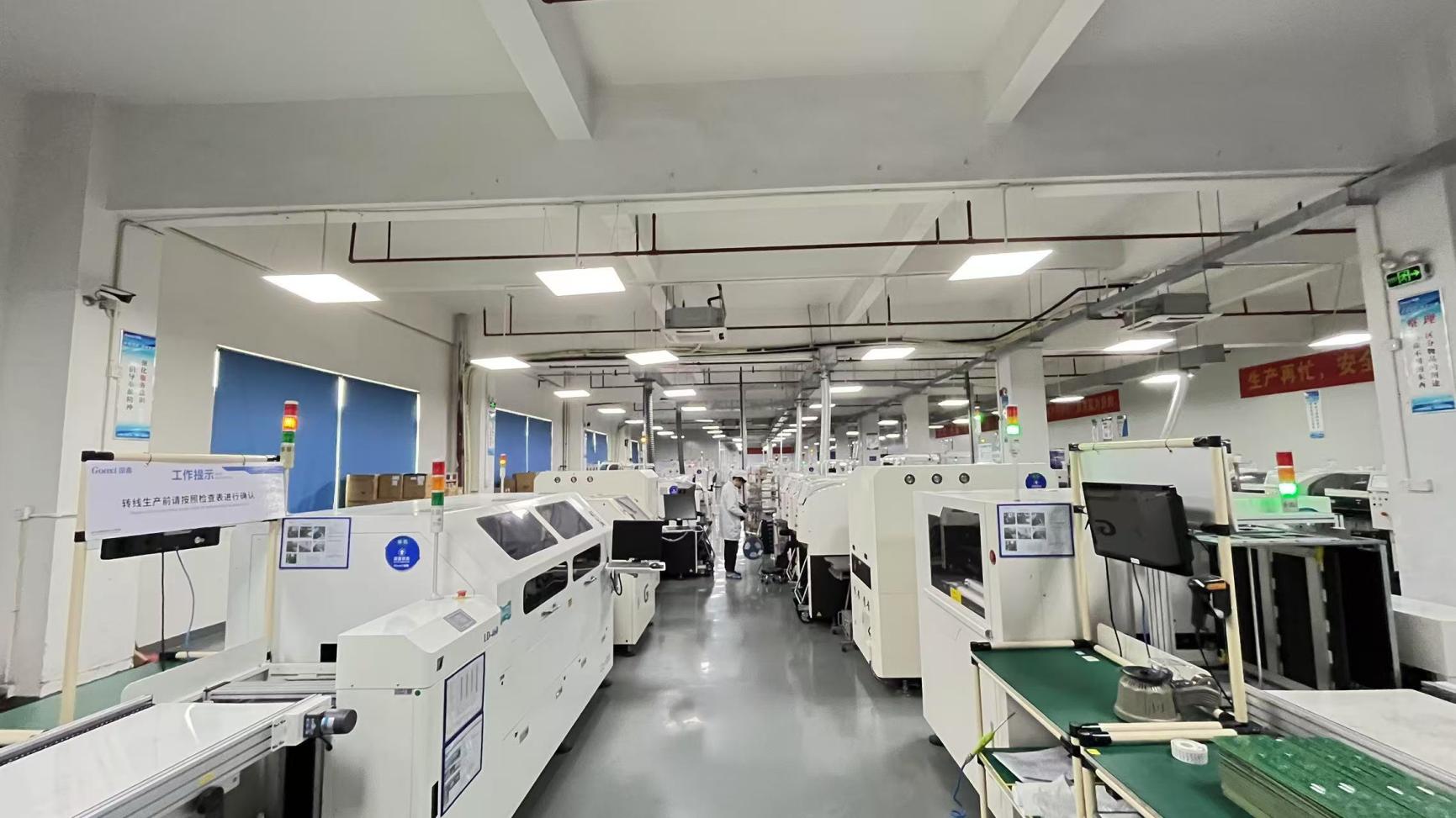
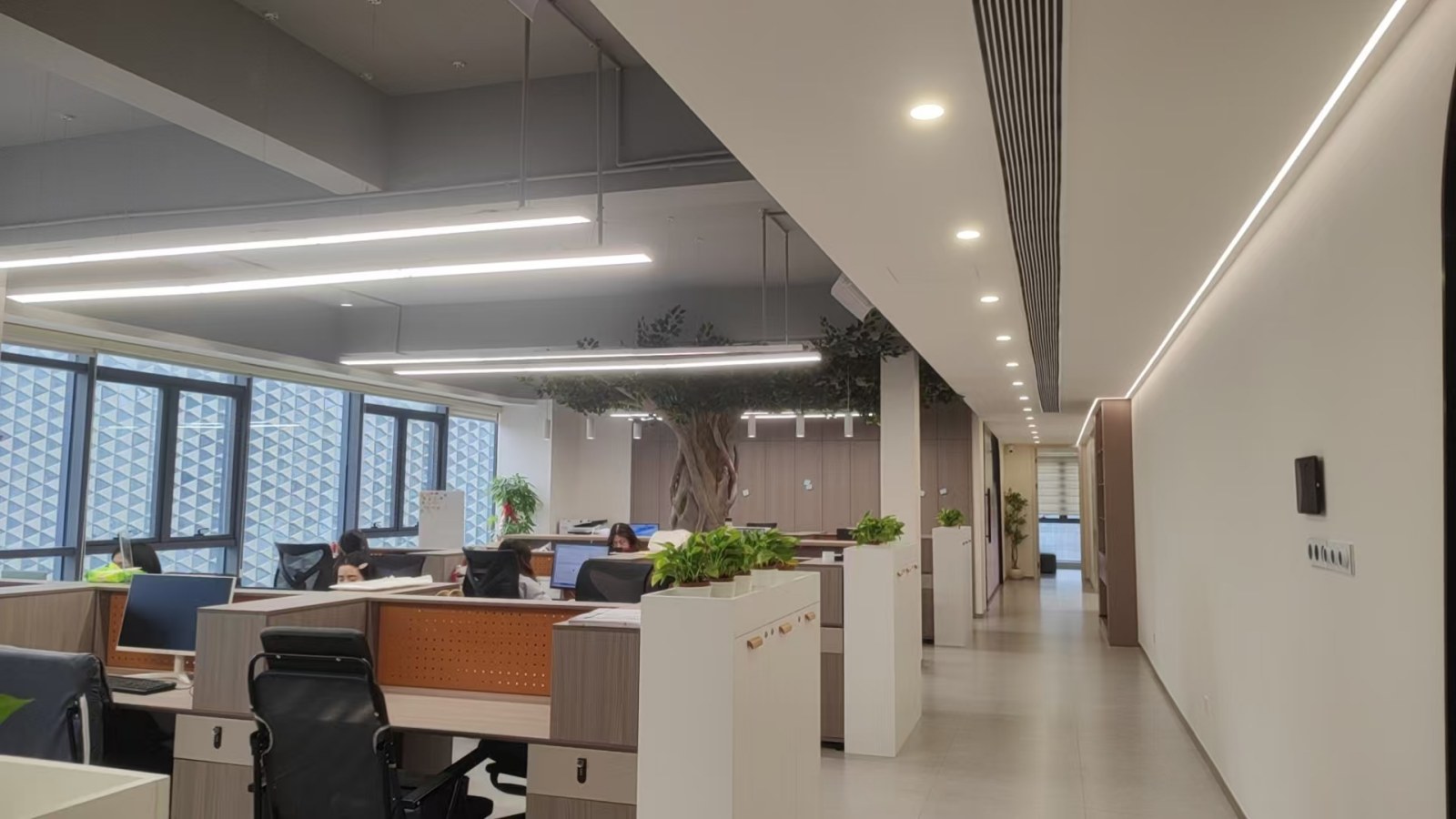
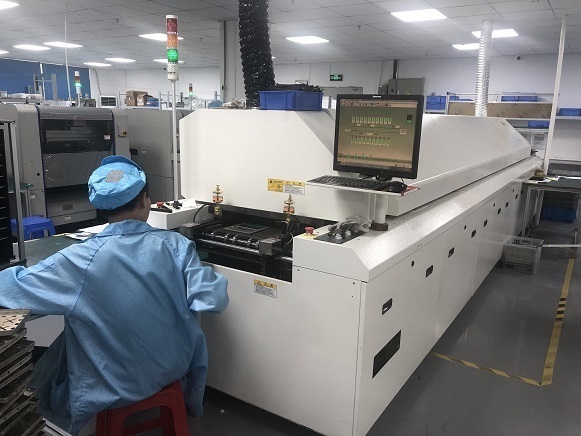
Exploring the material science, aperture optimization, and micro-geometric criteria necessary for high-yield Solder Paste Printing.
Traditional stainless steel fails at pitch sizes below 0.4mm. Our stencils leverage Fine Grain (FG) steel foils (grain size < 5 µm), reducing aperture wall roughness. This translates to an exceptional area ratio release factor, critical for micro-BGAs, CSPs, and 0201 passive components in advanced smart grid meters.
By applying Self-Assembled Monolayer Phosphonate (SAMP) nano-coatings directly to the contact side and aperture walls, we reduce paste sticking. Under high-speed print cycles, this minimizes under-stencil cleaning frequency by up to 60% and guarantees zero solder transfer failure on micro-pads.
Modern telecommunication PCBA designs in Saudi Arabia require high-power components (requiring massive paste volume) adjacent to ultra-fine-pitch chips. Our precision chemical etching and micro-laser welding allow 3D step stencils to achieve localized thickness alterations (e.g., 100 µm to 150 µm transition zones).
For engineering teams in KSA looking to achieve consistent solder transfer efficiency, the mathematical foundation of stencil design rests on the Area Ratio ($A_R$):
Our CAD department uses automated engineering checks to cross-reference every design file (Gerber RS-274X, ODB++) against the exact thermal paste parameters, humidity variables, and machine profiles utilized by Saudi assemblers, ensuring your stencils arrive optimized for local ambient conditions.
1. Solar & Renewable Energy Infrastructure (NEOM & Red Sea Projects): Saudi Arabia's extreme climate requires ruggedized photovoltaic inverters that can withstand elevated heat cycles. We manufacture heavyweight copper-frame laser stencils optimized for soldering thick-lead power diodes, thermal vias, and terminal connectors to ensure long-term mechanical reliability under harsh desert operations.
2. Military, Aerospace & High-Reliability Systems (SAMI Compliance): With localization demands from the Saudi Arabian Military Industries (SAMI), high-reliability Class 3 PCBs must have perfectly uniform solder joints. Our electro-polished laser cut stencils eliminate micro-burrs completely, minimizing the incidence of microscopic solder voids during the reflow stage.
3. Smart Metering & Grid Edge Infrastructure: KSA's nationwide smart meter deployment uses complex PCBAs containing advanced transceivers and microcontrollers. Our stencils feature optimized aperture aspect ratios to enable smooth printing on dense double-sided boards, saving valuable assembly time and reducing rework costs.
Navigating importing regulations into Saudi Arabia requires a solid understanding of local compliance frameworks. As a long-term exporter to the Middle East, Vorynex manages the registration process through the SABER Portal, ensuring that all shipped stencils, memory units, and PCB assemblies conform to the latest SASO (Saudi Standards, Metrology and Quality Organization) standards.
Every shipment is dispatched with standardized documentation, including Certificate of Conformity (CoC), HS codes, and localized commercial invoices. Partnering with major logistics operators allows us to guarantee reliable delivery to King Khalid International Airport (RUH) in Riyadh, King Abdulaziz International Airport (JED) in Jeddah, and King Fahd International Airport (DMM) in Dammam, keeping your SMT lines moving without customs delays.
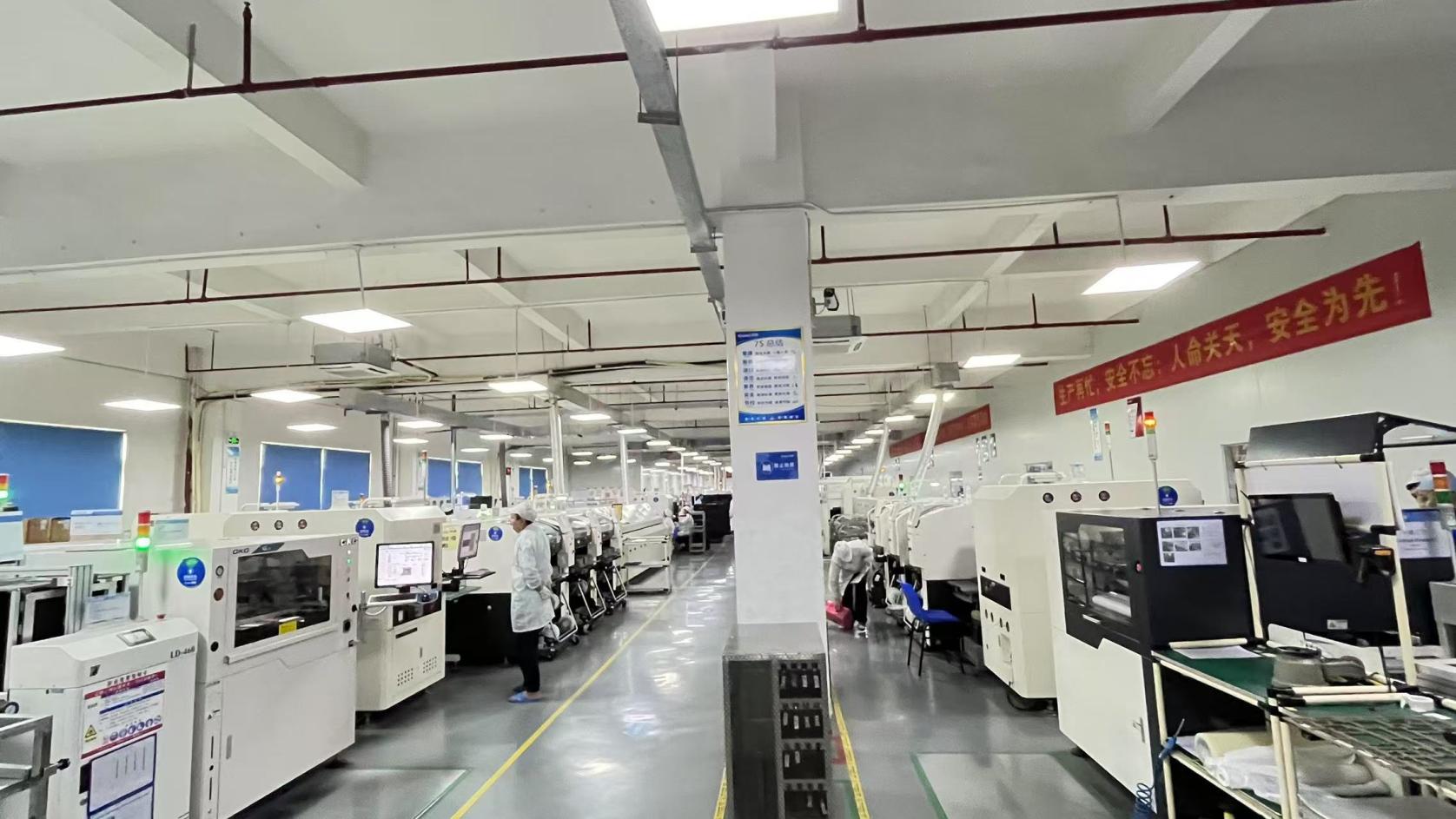
Operating from Shenzhen, the global hub of SMT and electronic manufacturing, Vorynex Memory Technology (China) Co., Ltd. combines advanced component fabrication with modern mechanical tooling. Our facility is equipped with automated optical inspection systems (AOI), high-capacity fiber laser cutters, and post-cut chemical polishers, operating under a unified ERP backbone.
By producing both high-end memory modules (DDR4/DDR5) and the precision laser stencils needed to assemble them, we provide a complete feedback loop for engineering optimization. We test our stencils on our own production lines daily, giving our engineering team firsthand data to continuously refine aperture geometries for challenging component layouts.
This vertical integration ensures our clients in Saudi Arabia receive more than just steel foils; you get production-verified solutions designed to keep your line yield as close to 100% as possible.
Find answers to common engineering questions regarding CAD modifications, shipping to KSA, and stencil lifetimes.
Consult with our engineering team for custom aperture optimization, nano-coated stencil pricing, and SABER compliance support for your next project in Saudi Arabia.
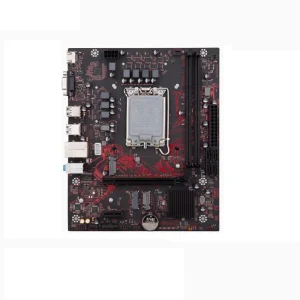
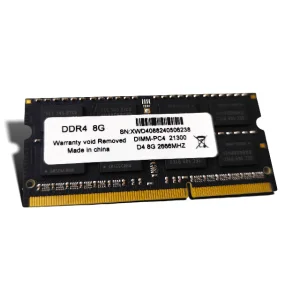
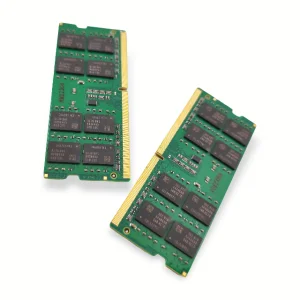
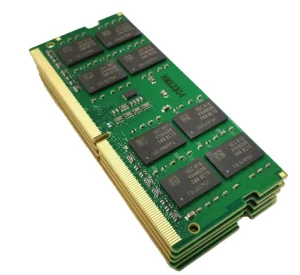
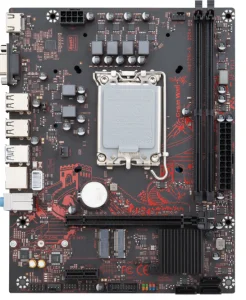
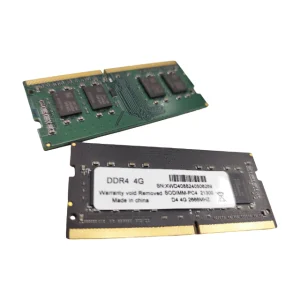
Send Inquiry NowComplementary high-reliability memory components and motherboards configured for local industrial automation and telecommunications in KSA.
 Vorynex