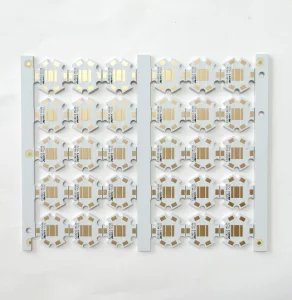
Advanced custom control PCBA and thermal-management modules engineered to deliver uninterrupted performance under severe operating temperatures in Kuwait.
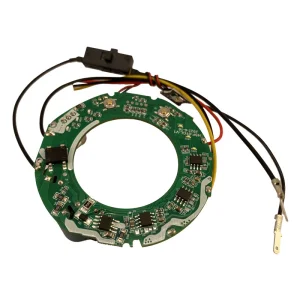
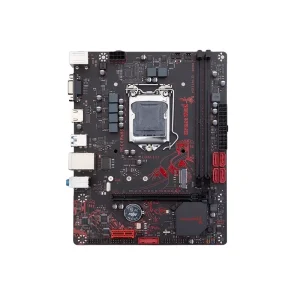
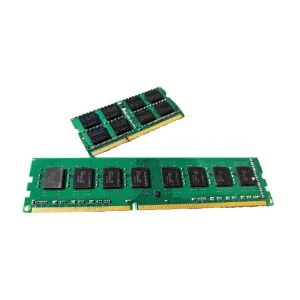
In electronic engineering, the Glass Transition Temperature (Tg) is a critical material parameter representing the temperature threshold where the base resin matrix transitions from a hard, rigid, glassy state to a flexible, rubbery state. Standard FR-4 PCBs typically exhibit a Tg value between 130°C and 140°C. However, for industrial facilities operating in the extreme thermal and environmental conditions of Kuwait, standard materials fail rapidly. High-Tg PCBs (specifically engineered with Tg ≥ 170°C and Tg180+) are critical to maintaining electrical and physical structural integrity under elevated heat loads, cyclic thermal stress, and high relative humidity.
Kuwait experiences some of the highest ambient desert temperatures on Earth, frequently exceeding 50°C (122°F) in the summer. Direct sunlight on metal enclosures can easily drive interior cabinet temperatures past 80°C. Coupled with internal localized heat generated by high-power semiconductors, the operational temperatures of field control units approach the limit of standard FR-4 substrates. A transition to a rubbery state causes rapid changes in the board's physical properties, leading to via cracking, delamination, and critical signal drift.
When a circuit board's temperature surpasses its designated Tg value, it does not melt but undergoes structural changes. The physical dimensions, dielectric properties, and mechanical strength deteriorate. High-Tg PCBs feature a higher glass transition temperature, offering low coefficients of thermal expansion (CTE) along the X, Y, and especially Z-axis. Z-axis thermal expansion is the leading cause of Plated Through-Hole (PTH) copper trace rupture. Utilizing specialized phenolic-cured epoxy resins, High-Tg laminates minimize Z-axis dimensional changes, ensuring reliable vias and solder joints.
| Property Parameter | Standard FR-4 | Medium Tg FR-4 | High-Tg FR-4 (Tg170/180) |
|---|---|---|---|
| Glass Transition Temp (Tg) | 130°C - 140°C | 150°C - 160°C | ≥ 170°C to 180°C+ |
| Thermal Decomposition (Td) | 310°C - 320°C | 325°C - 335°C | ≥ 340°C to 360°C |
| Z-Axis CTE (Before Tg) | 55 - 60 ppm/°C | 45 - 50 ppm/°C | 35 - 45 ppm/°C |
| Z-Axis CTE (After Tg) | 280 - 300 ppm/°C | 250 - 270 ppm/°C | 220 - 240 ppm/°C |
| T260 / T288 (Time to Delaminate) | < 30 min / < 5 min | 30-45 min / 5-10 min | > 60 min / > 15 min |
Kuwait's economy is centered around large-scale oil, gas, chemical processing, and infrastructure projects. The Kuwait National Petroleum Company (KNPC) and Kuwait Oil Company (KOC) operate massive petrochemical networks. Modern refining technologies require advanced instrumentation and telemetry boards. Electronic systems inside refineries, pipeline monitoring hubs, and downhole drilling tools must run continuously. Delays or circuit board failures in an oil rig can cost operators hundreds of thousands of dollars per hour. High-Tg PCBs are crucial for keeping downstream, midstream, and upstream petroleum technologies running.
Additionally, Kuwait's ambitious infrastructure initiatives, such as the Silk City (Madinat al-Hareer) development and modern municipal waste-to-energy projects, demand stable smart-grid infrastructures. High-voltage transmission lines, substation control rooms, and outdoor smart metering systems require high-reliability PCBs to withstand continuous summer heat and thermal cycling.
Globally, electronics OEMs are transitioning toward halogen-free, lead-free high-reliability materials. Multi-layer High-Tg boards are the industry standard for server backplanes, automotive control modules, defense electronics, and medical equipment. When sourcing high-temperature PCBs, international buyers prioritize quality certifications (ISO9001, UL 94V-0, IPC-Class 3), trace impedance testing, and reliable raw materials (e.g., Shengyi, Isola, Nelco, ITEQ laminates).
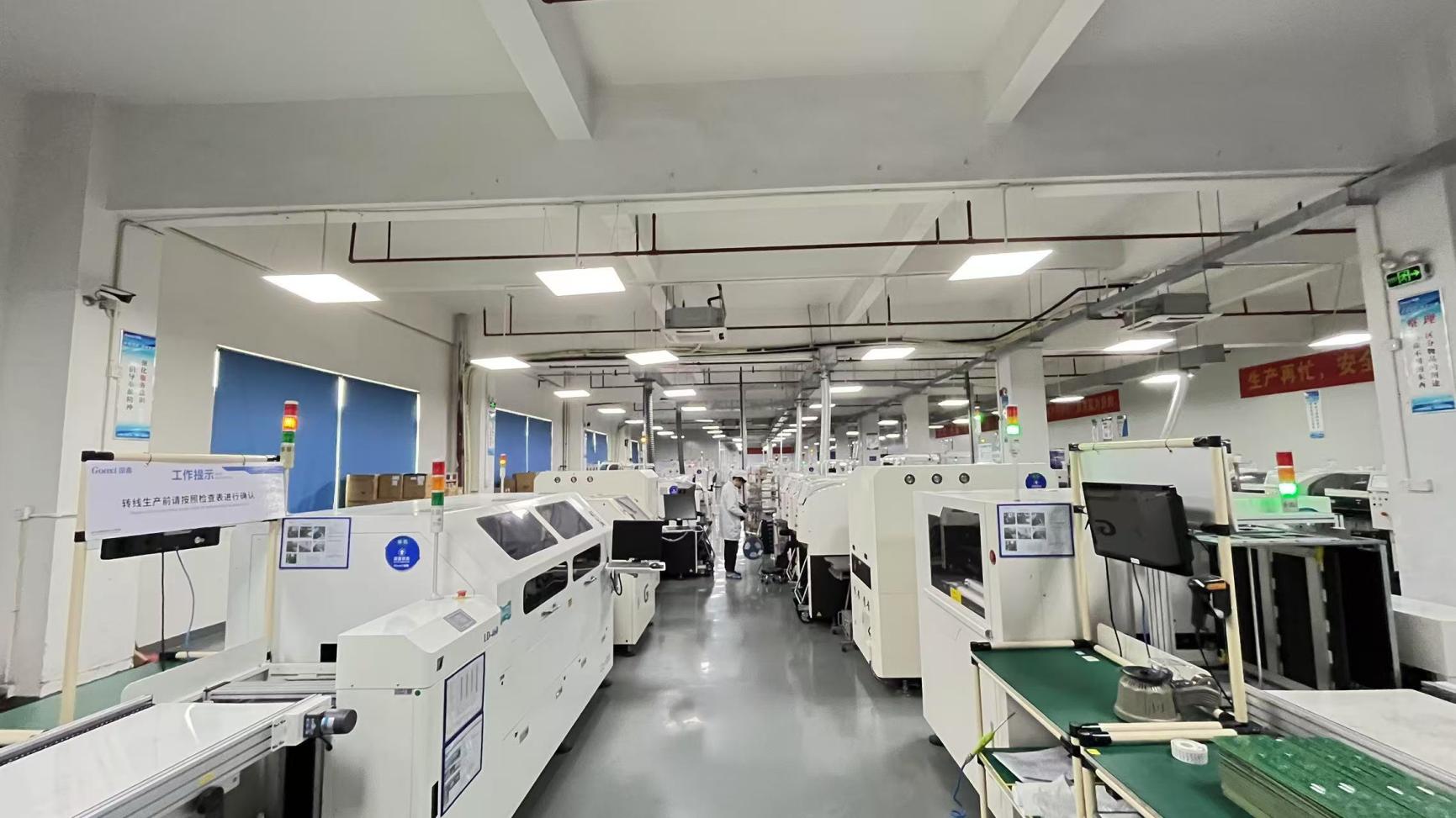
As a global hub for electronics manufacturing, China offers unparalleled advantages in High-Tg PCB fabrication and assembly. Companies like Vorynex Memory Technology (China) Co., Ltd. bridge the gap between advanced R&D and cost-efficient production. Our state-of-the-art facilities leverage direct relationships with top-tier laminate suppliers, ensuring consistent raw material quality. Advanced automated processes (including Automated Optical Inspection, In-Circuit Testing, and System-Level Validation) allow us to manufacture high-yield multi-layer, complex impedance-controlled High-Tg boards at a fraction of the lead time and cost of domestic Middle Eastern fabricators.
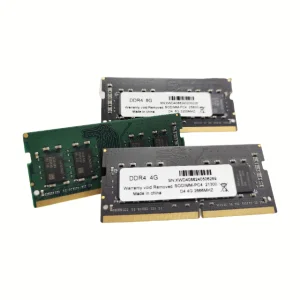
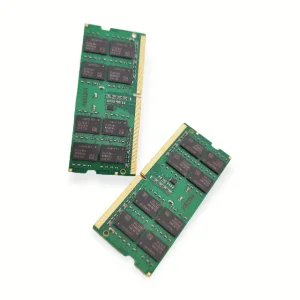
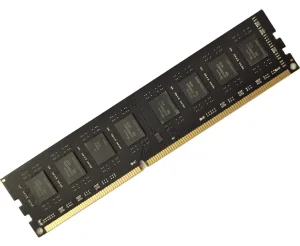
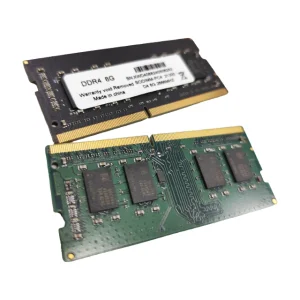
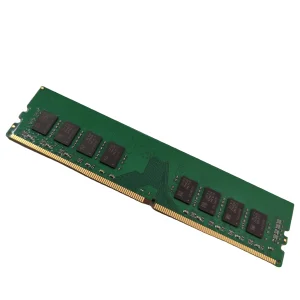
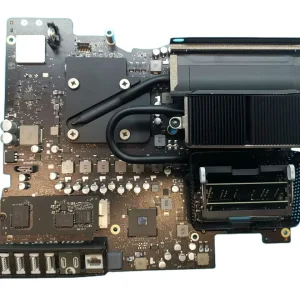
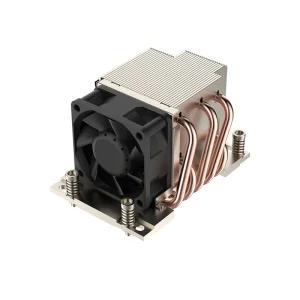
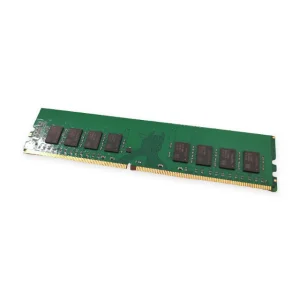
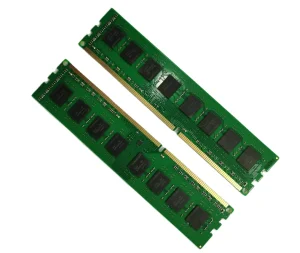
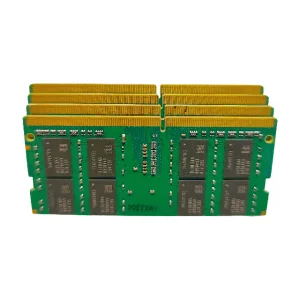
Our complete range of high-stability memory, processing logic, and heat dissipation modules designed for continuous industrial operation in extreme desert temperatures.
Sourcing electronics for Middle Eastern deployments requires close attention to structural parameters. In Kuwait, high-reliability design practices dictate that engineers evaluate more than just standard specifications. Consider these three key metrics when ordering:
As industrial automation incorporates internet-of-things (IoT) devices, the demand for High-Tg HDI (High Density Interconnector) boards is accelerating. Modern installations require compact micro-vias, thinner laminates, and finer copper traces. High-frequency RF circuits deployed for telemetry must withstand hot conditions without experiencing dielectric drift. Advanced manufacturers utilize ceramic-filled High-Tg resins to ensure consistent dielectric constants (Dk) and dissipation factors (Df), maintaining reliable high-frequency signal integrity across a wide operating temperature range.
Technical answers to common questions about sourcing and utilizing High-Tg printed circuit boards in Middle Eastern environments.
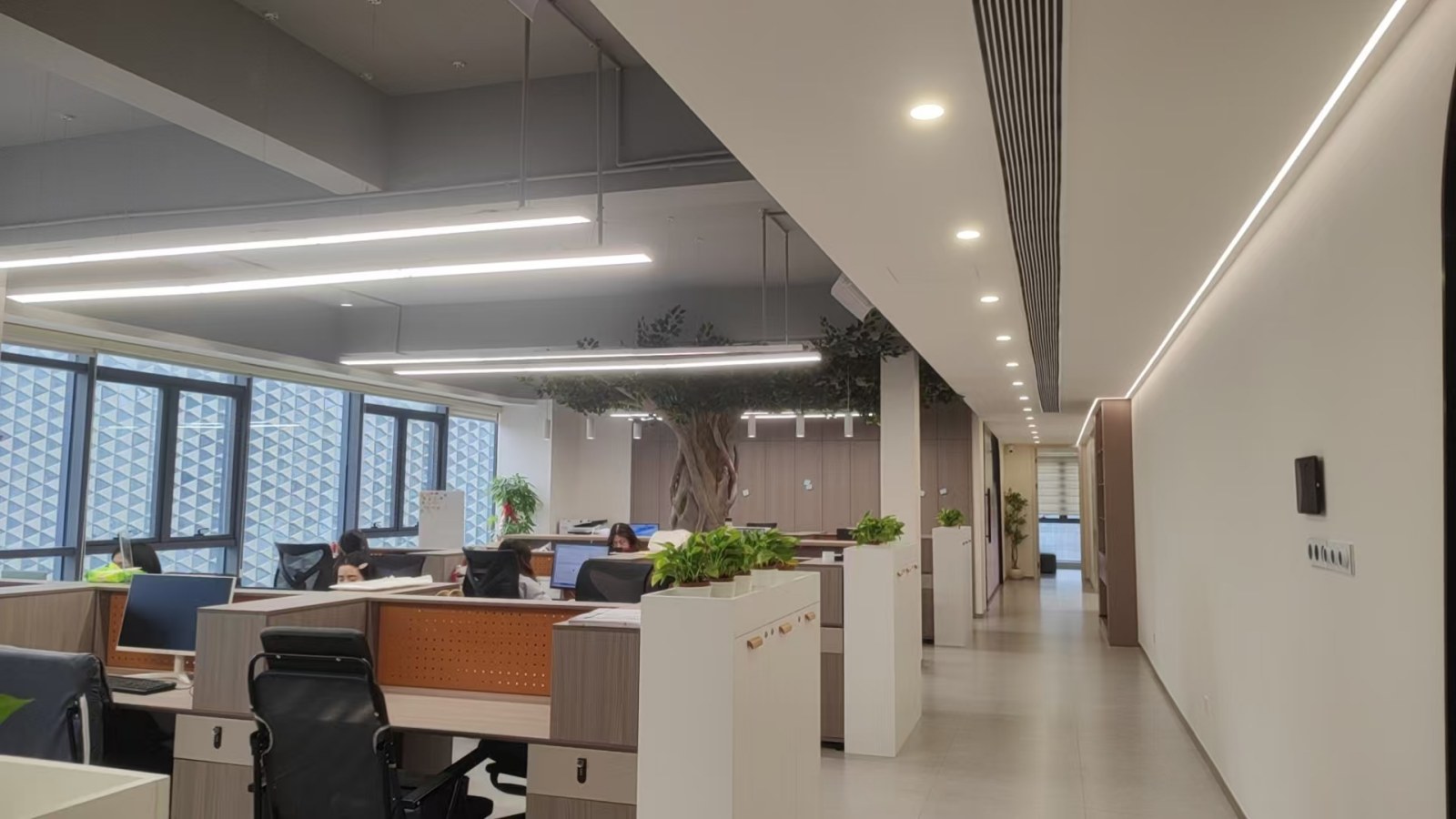
Vorynex Memory Technology (China) Co., Ltd. is a professional DDR5 memory manufacturer and OEM/ODM solution provider specializing in high-performance memory modules for global markets. Established in 2016, the company has developed strong manufacturing and engineering capabilities over the years. With a modern production facility covering approximately 320㎡, Vorynex focuses on delivering stable, high-speed, and energy-efficient memory solutions for gaming, industrial, and enterprise applications.
The company achieved an annual export revenue of approximately USD 12 million, supported by 6 years of export experience and over 12 years of industry experience in memory and semiconductor-related fields. Vorynex maintains strict quality control standards, including 100% functional testing, aging tests, compatibility testing, and high-temperature stress testing. Product inspection methods include automated optical inspection (AOI), in-circuit testing (ICT), and final system-level validation. The quality assurance team consists of approximately 45 professional QC staff ensuring consistent product reliability.
With a strong international trade background, Vorynex serves key markets including North America, Europe, Southeast Asia, the Middle East, and South America. The company collaborates with more than 1,200 supply chain partners, enabling stable sourcing of high-quality DRAM chips and components. Its primary customer base includes brand distributors, system integrators, industrial equipment manufacturers, and gaming hardware companies. Vorynex also has strong R&D capabilities, supported by a team of approximately 180 R&D engineers, focusing on memory architecture optimization, compatibility enhancement, and thermal performance improvement.
Customization is fully supported, including frequency tuning, PCB design customization, heat sink design, branding (private label), and firmware optimization. In the past year, the company successfully launched around 240 new product models, covering DDR4, DDR5, and specialized industrial memory solutions.
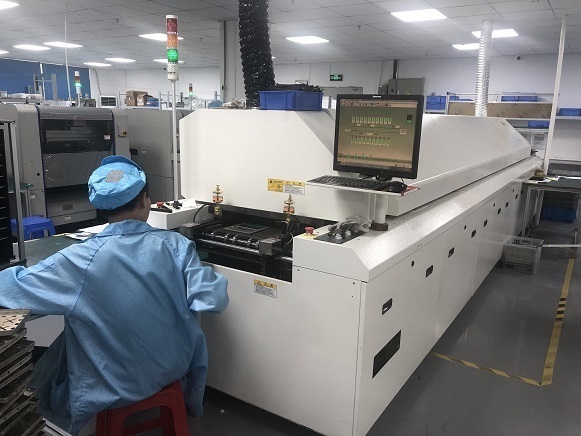
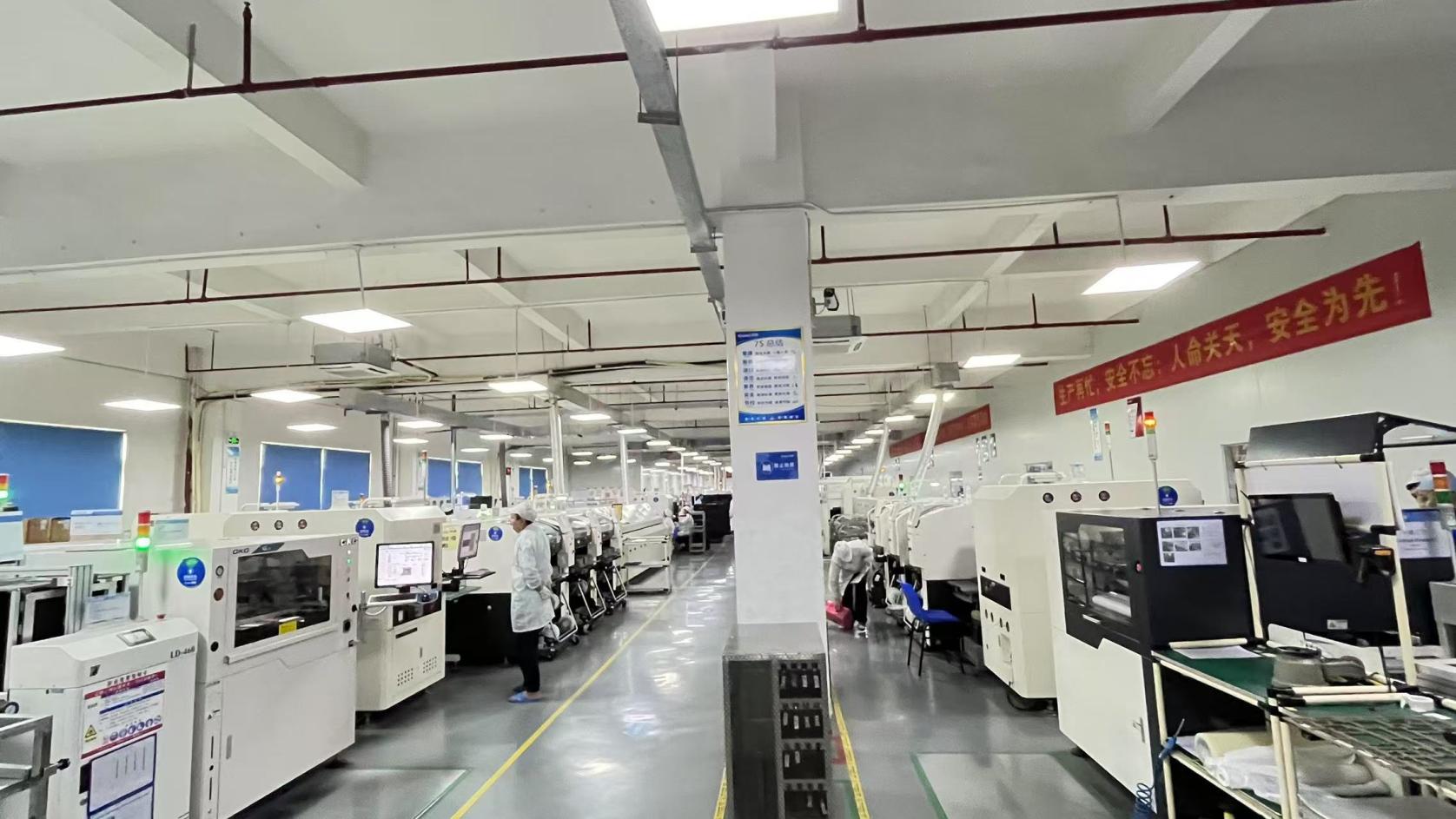

Retaining access to our wholesale product catalog to support all computing, infrastructure, and lighting projects.
Consult with our engineers to select the optimal substrate materials (TG170/TG180+) and receive a custom manufacturing quote for the Kuwaiti market.
Send Inquiry Now Vorynex