From smartphones to wearable tech, the demand for cable-free ecosystems is no longer a luxury but a baseline expectation. China's factories are now leading the transition from 15W standard charging to 50W+ proprietary protocols.
Hermetically sealed wireless chargers are revolutionizing sterile medical environments and dusty industrial floors where physical connectors fail due to contamination or mechanical wear.
In-car wireless charging has evolved into a standard feature. China exporters are providing Tier-1 and Tier-2 automotive manufacturers with Qi-certified modules that include advanced thermal protection.
As a global epicenter for electronics, China offers an unparalleled infrastructure for wireless charger production. The synergy between raw material suppliers, PCB assembly lines, and logistics hubs ensures a lead time that is 40% shorter than other regions.
Factories in Shenzhen and Dongguan benefit from being within a 2-hour radius of chip distributors, coil manufacturers, and plastic injection molding facilities, reducing overhead and transit risks.
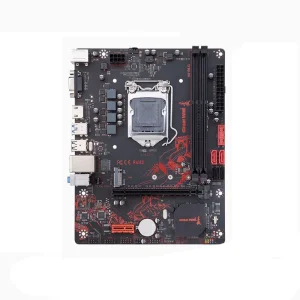
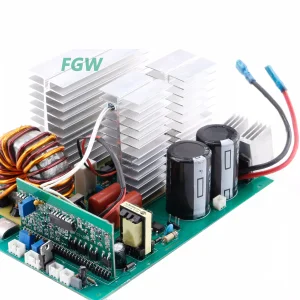
With R&D teams like those at Vorynex, custom PCB designs and 3D-printed housing prototypes can be completed within 72 hours, accelerating the time-to-market for global brands.
Modern China exporters utilize AOI (Automated Optical Inspection) and robotic soldering to ensure every inductor coil is perfectly aligned, minimizing EMI and maximizing charging speed.
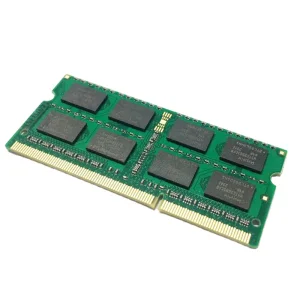
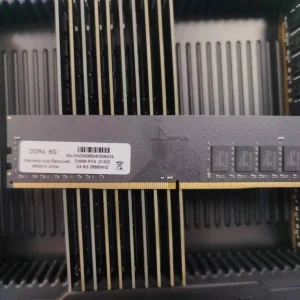
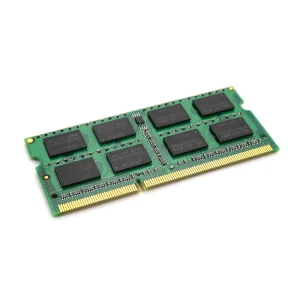
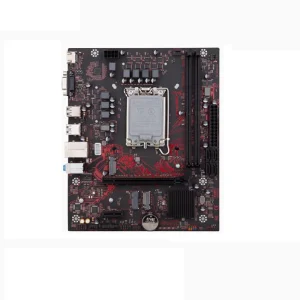
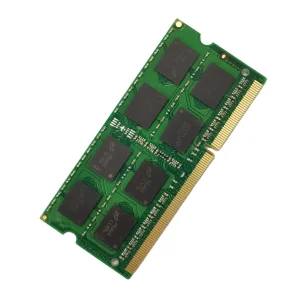
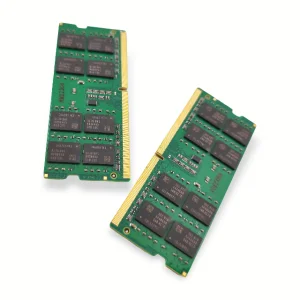
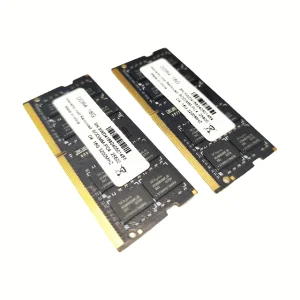
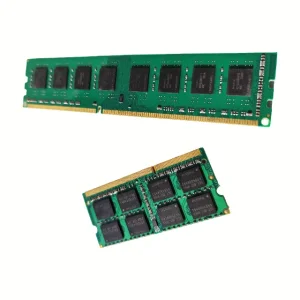
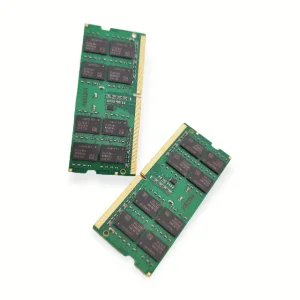
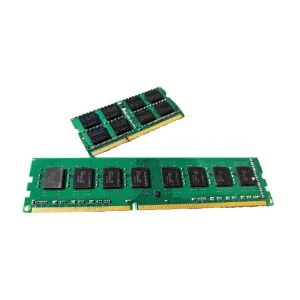
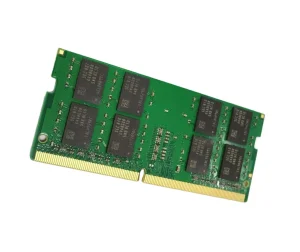
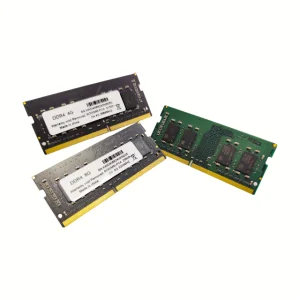
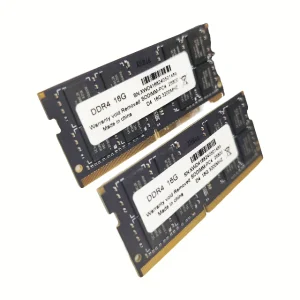
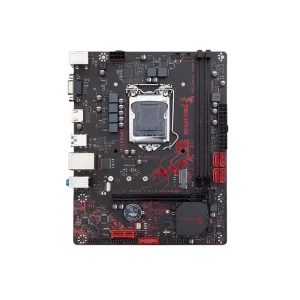
Founded in 2016, Vorynex has evolved into a formidable powerhouse in the semiconductor and power electronics sector. While our roots are deep in DDR memory manufacturing, our expertise in high-frequency circuit design and thermal management has positioned us as a premier OEM/ODM for advanced charging solutions.
Our 320㎡ precision facility is a hub of innovation, where we bridge the gap between high-performance computing components and efficient power delivery systems.
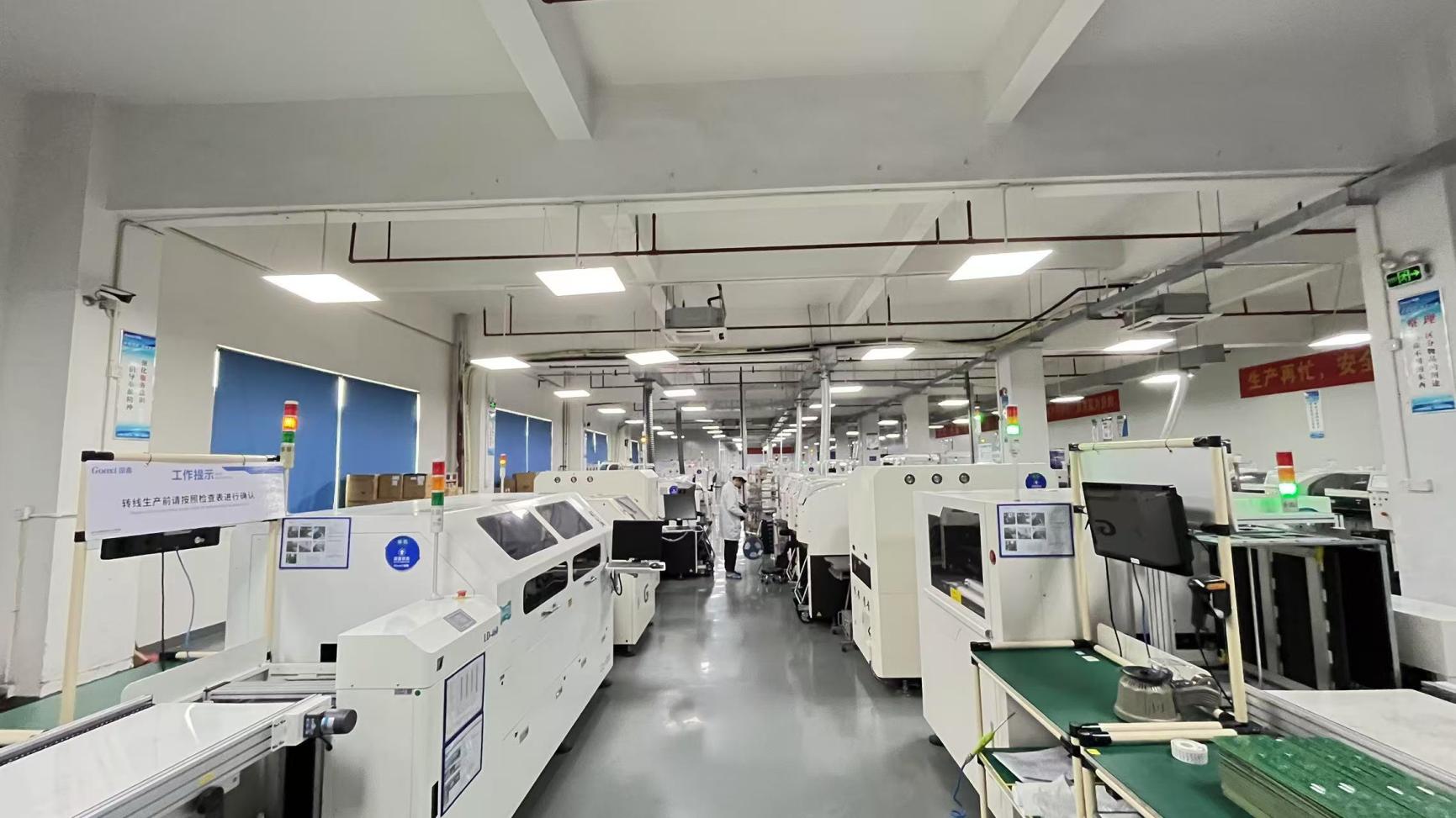

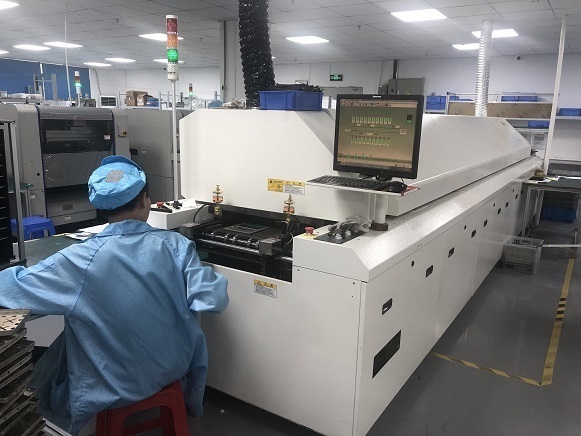
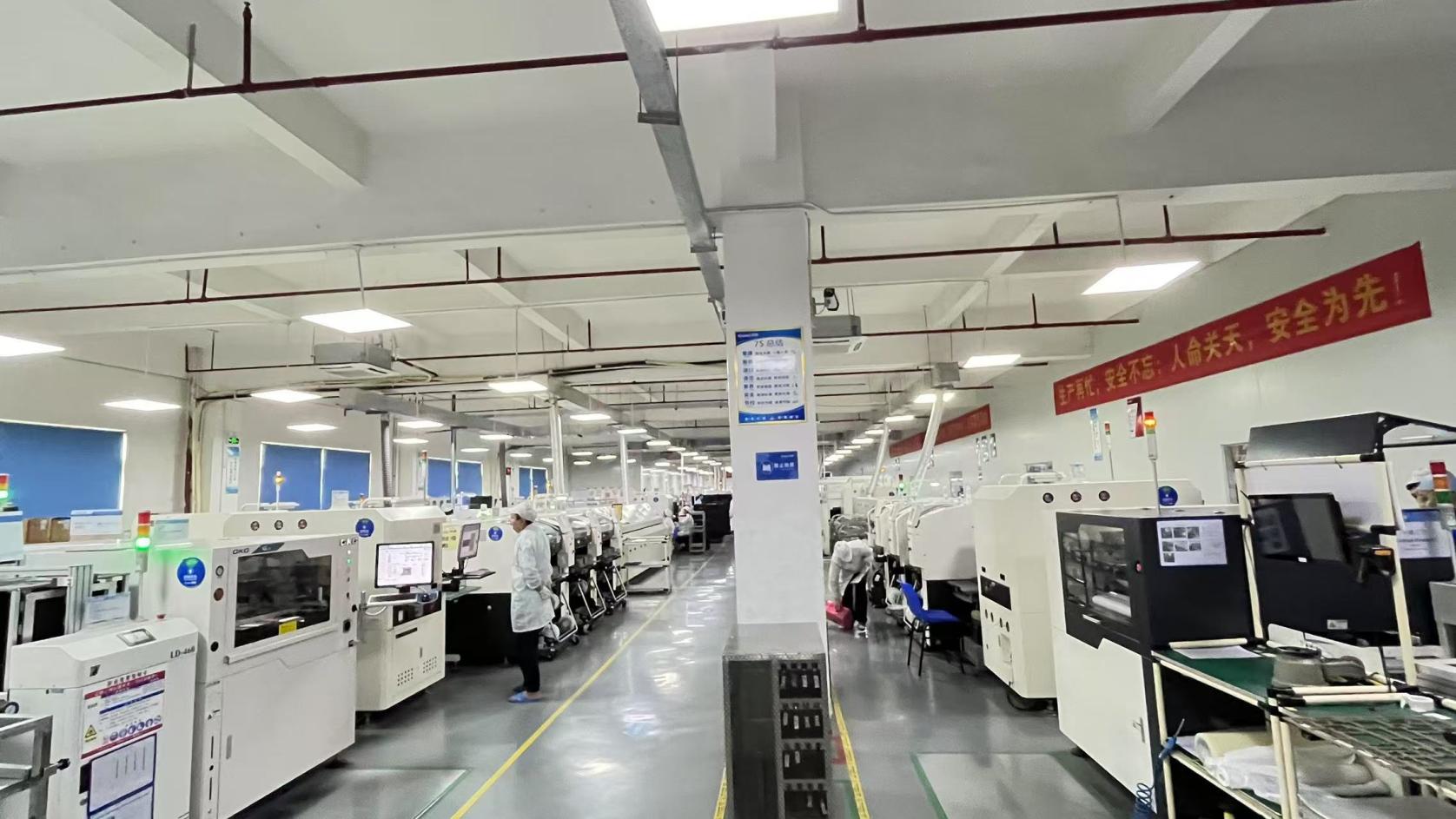
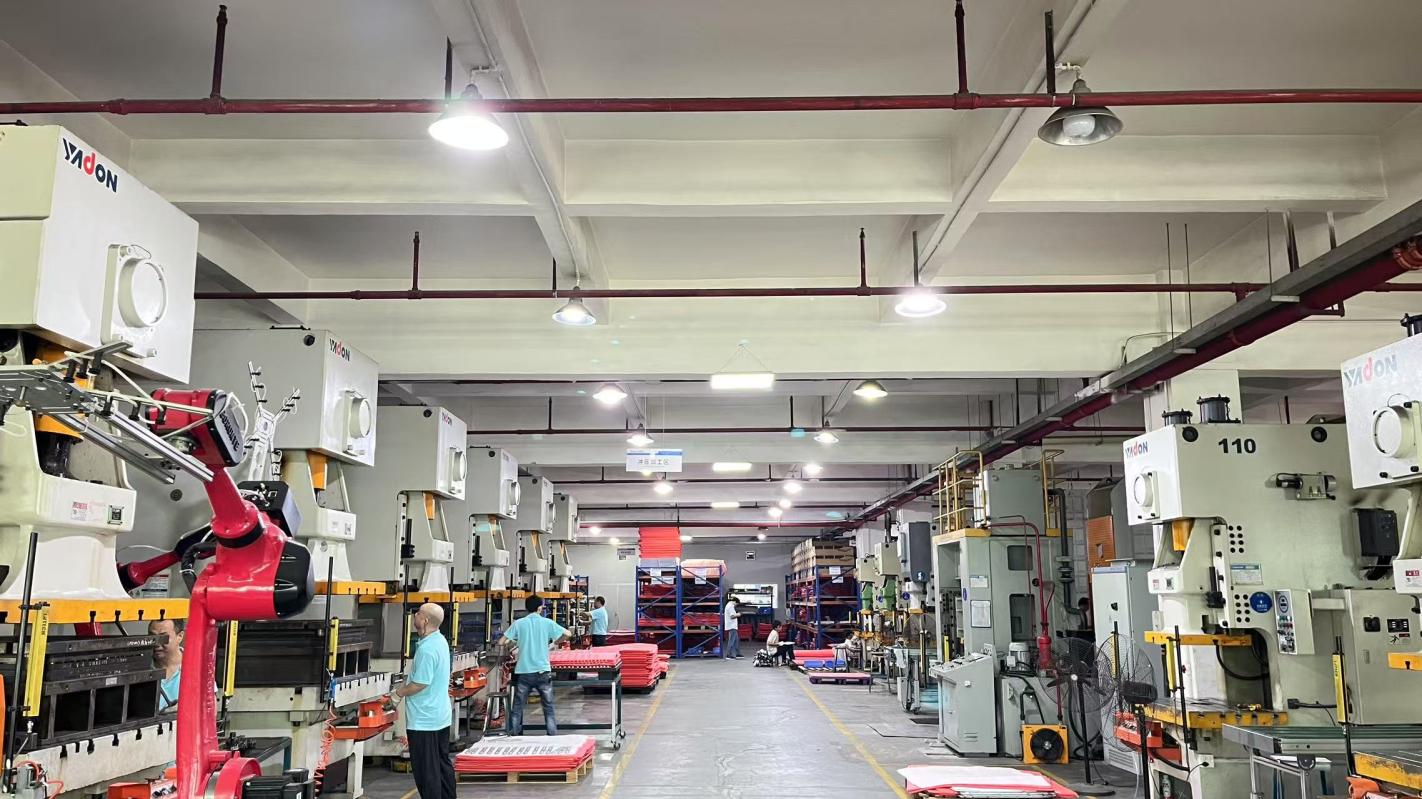
The transition to MPP (Magnetic Power Profile) ensures that the transmitter and receiver coils are always perfectly aligned, reducing energy waste through heat and increasing charging speeds for both Android and iOS devices.
By using GaN semiconductors in the charging cradle, we can reduce the footprint of the device by 30% while maintaining superior thermal stability, even at 100W output levels.
The future lies in RF-based charging, where devices can charge from up to 3 meters away. Our R&D labs are currently exploring resonant coupling to enable "room-scale" power ecosystems.
At Vorynex, we understand that power electronics carry a high responsibility for user safety. Our wireless chargers and memory modules undergo a rigorous 4-stage testing protocol: Initial functional testing, 48-hour high-temperature aging tests, cross-brand compatibility validation, and final system-level stress testing.
We ensure all exports meet international safety standards including CE, FCC, RoHS, and UL. Our QC team of 45 experts utilizes AOI and ICT testing to eliminate human error. Furthermore, we provide localized support for our partners in North America and Europe, ensuring that every product batch meets the specific regulatory nuances of the destination country.
A: Leading exporters implement FOD (Foreign Object Detection) and NTC thermal sensors. These systems automatically cut power if a metal object (like a coin) is detected or if temperatures exceed 45°C.
A: Yes. Vorynex provides full OEM/ODM services, including private label branding, custom PCB layout for unique form factors, and firmware optimization to support specific charging protocols.
A: Qi2 introduces magnetic alignment which requires higher precision in manufacturing. China’s supply chain has already pivoted, with magnetic component suppliers increasing capacity to meet the global shift toward MagSafe-compatible ecosystems.
A: Our background in high-speed memory (DDR4/DDR5) gives us a unique advantage in signal integrity and high-frequency electronics, ensuring our chargers have lower EMI and higher longevity than standard consumer-grade products.
 Vorynex