Precision-engineered hardware components optimized for enterprise environments, system integrators, and OEM/ODM distributors worldwide.
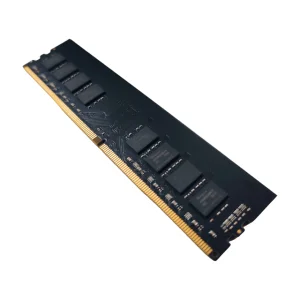
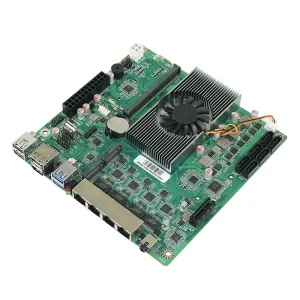
Analyzing market forces, technical bottlenecks, and architectural evolutions shaping the IT procurement sector in 2025.
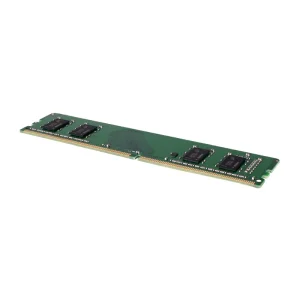
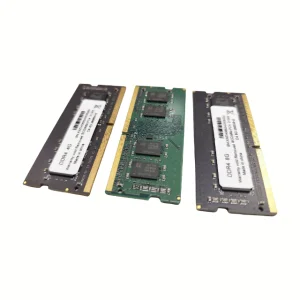
The global demand for high-performance computing (HPC) has broken containment from central hyper-scale datacenters. Today, critical infrastructure relies heavily on Edge AI, Industrial IoT gateways, and complex embedded controllers. This deployment paradigm requires modular systems that can maintain signal integrity and operating reliability under variable environments. Memory architectures have responded with structural shifts, migrating from legacy DDR3 networks to dense DDR4 configurations, and rapidly transitioning into next-generation DDR5 channels.
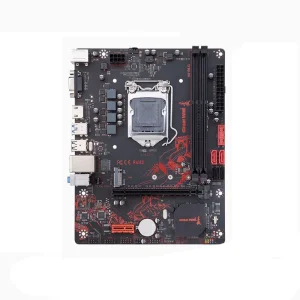
For global buyers, navigating this landscape means prioritizing hardware that integrates both high-density computing capabilities and thermal durability. The introduction of platforms such as Intel's N100 systems and ultra-compact ITX motherboards highlights a critical movement: computing power is shrinking in size while multiplying in interface complexity.
In modern server clusters, memory bandwidth is the primary determinant of application response speed. Enterprise servers executing financial transactions, database queries, and AI model inference are vulnerable to transient electrical noise. This demands standard implementation of ECC (Error Correcting Code) configurations.
Furthermore, DRAM scaling limits demand that silicon wafers feature superior fabrication yield. Advanced packaging techniques and high-quality PCB layering (e.g., 6-layer to 10-layer server stacks) ensure signal integrity, minimizing crosstalk and jitter across ultra-high frequencies.
Data-driven performance metrics reflecting global logistics capabilities, continuous product innovation, and manufacturing depth.
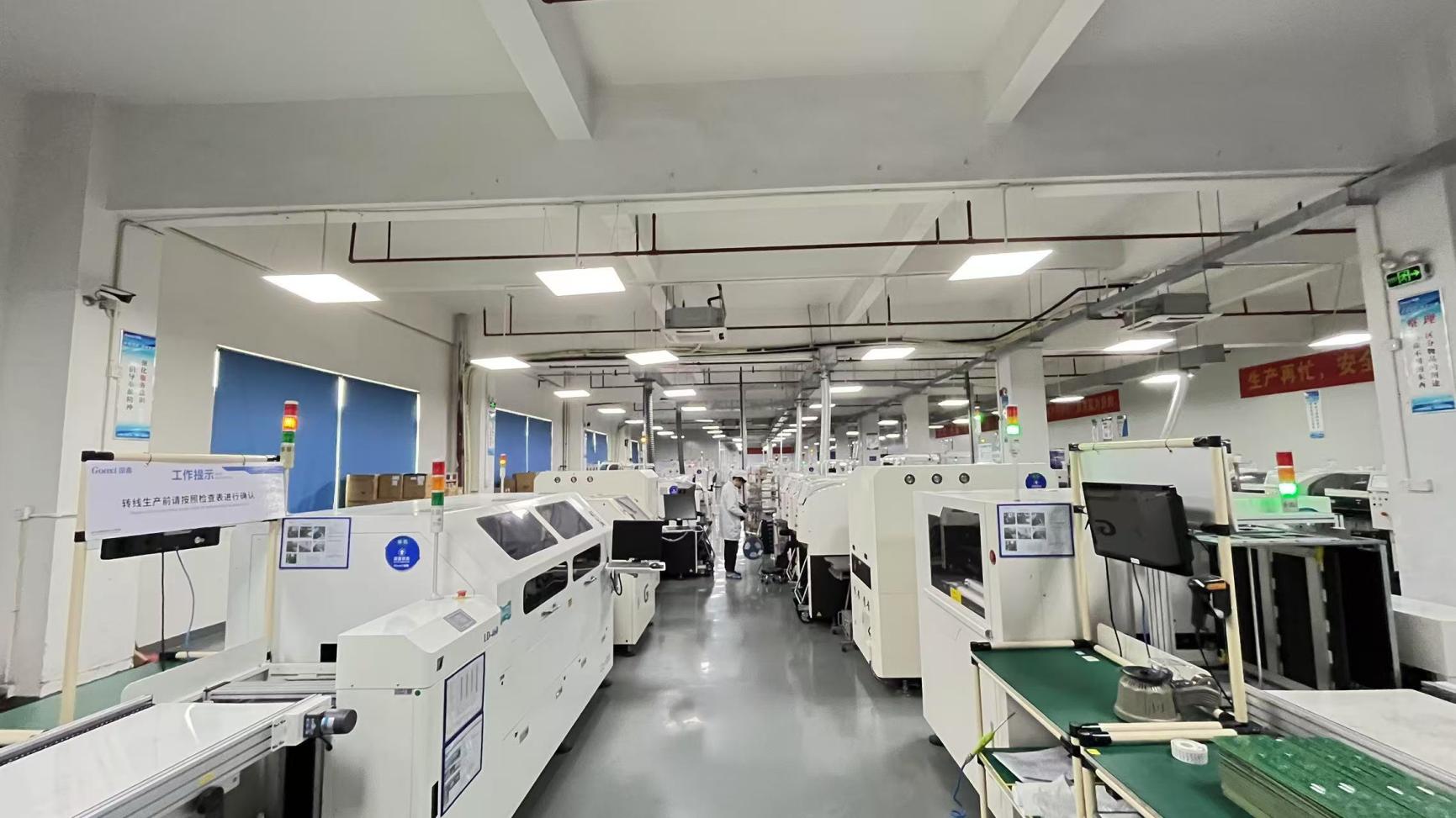
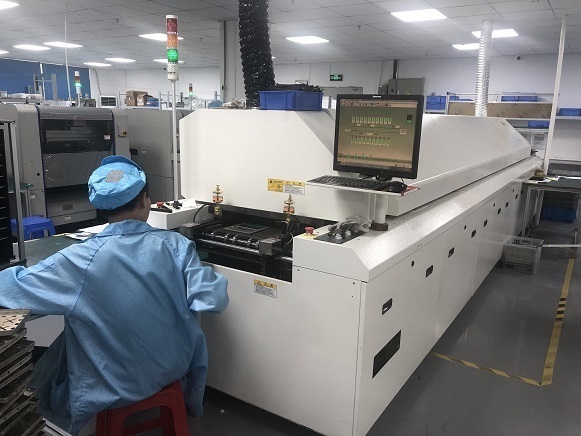
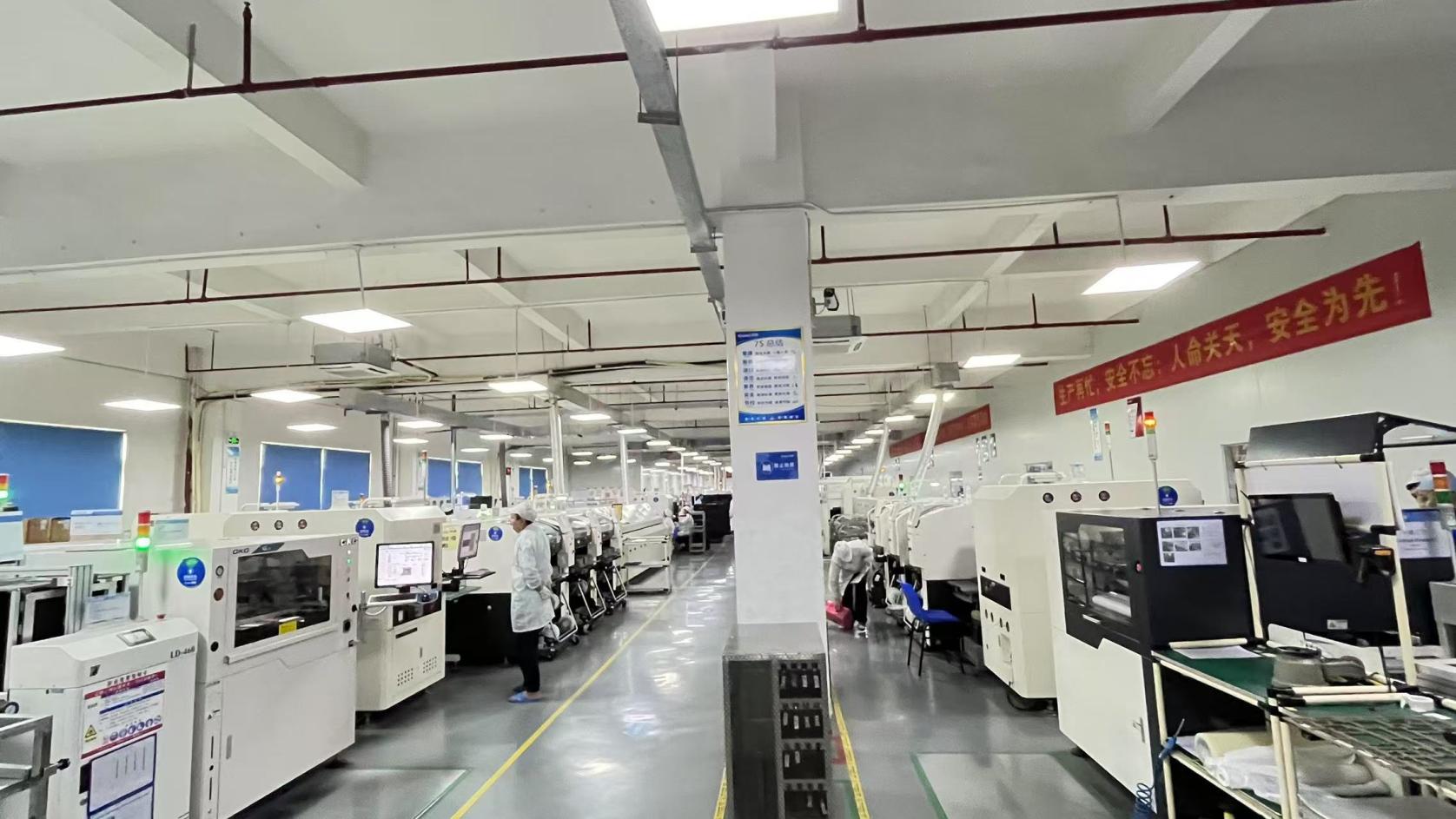
How domestic manufacturing hubs manage component shortages, optimize manufacturing parameters, and achieve 100% defect containment.
Vorynex Memory Technology operates with strict manufacturing disciplines, maintaining a highly skilled quality assurance force of approximately 45 professional QC personnel. To ensure complete operational integrity, every memory module and controller motherboard undergoes a comprehensive three-stage screening loop:
This ensures that OEM clients receive components that perform exactly to specified electrical models under continuous thermal stress, reducing RMA rates to less than 0.2% on standard production runs.
Vorynex’s engineering facility leverages the vast electronics ecosystem of mainland China. Established in 2016, the company combines over 12 years of industry experience in high-density integration with 6 years of specialized export activities, maintaining critical relationships across international boundaries.
Our supply base encompasses over 1,200 verified partners, guaranteeing direct channel allocation of high-performance DRAM wafers (Samsung, SK Hynix, Micron dies) and premium substrate layers. This level of supply integration enables rapid turnaround on customized configurations (frequency tuning, thermal management modifications, bespoke PCB routing) with stable, predictable lead times.

Mapping physical hardware specifications to practical target environments, from edge automation to legacy server maintenance.
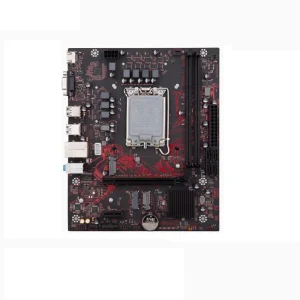
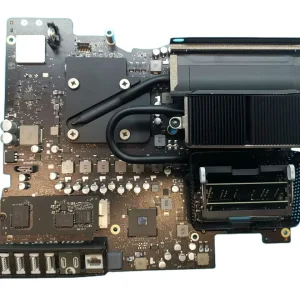
In space-constrained urban micro-datacenters or branch offices, traditional 4U rackmount servers are power-prohibitive and inefficient. Deployments of systems using the N100 mini ITX motherboards equipped with up to 12 SATA connections enable localized storage arrays with minimal physical footprints.
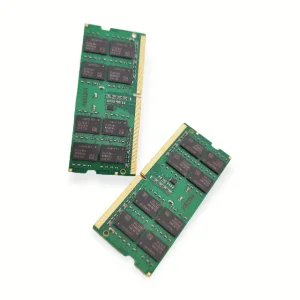
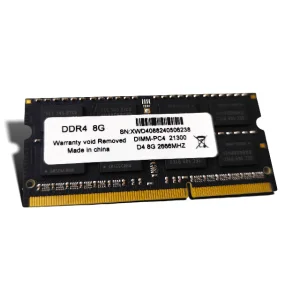
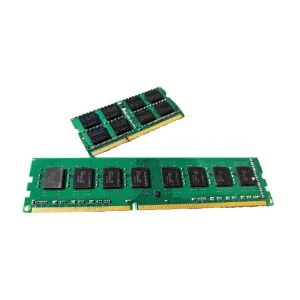
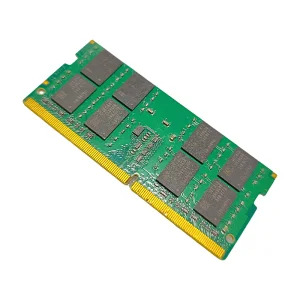
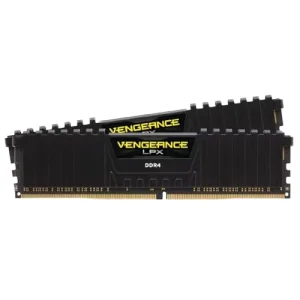
These mini servers require highly energy-efficient RAM arrays to maintain strict thermal envelopes while operating 24/7. System integrators pair these motherboard setups with standard low-voltage DDR4 DRAM modules (1600MHz to 3200MHz), optimizing access times without overloading standard 12V DC power inputs.
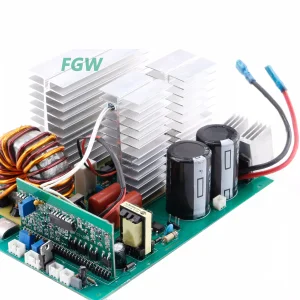
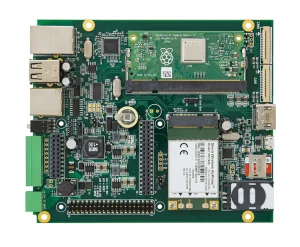
Factory floor controllers operate under intense physical vibration, electromagnetic interference (EMI), and airborne particulates. Standard commercial computer hardware degrades rapidly in these conditions. This is where customized single-board designs (such as Raspberry Pi industrial control PCBAs or specialized welding machine controllers) are deployed.
These control units utilize custom heat sinks and thick, multi-layer conformal coating. By routing power components separately from high-speed logic circuits on the PCB layout, industrial manufacturers prevent EMI spikes from corrupting critical operations.
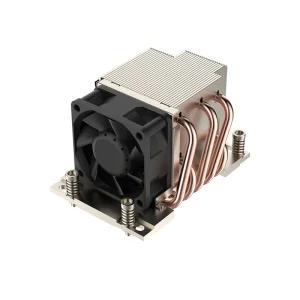
Modern processing architectures, like AMD SP6 platforms, are capable of massive performance scales, but also output considerable thermal density (reaching upwards of 350W TDP per socket). Keeping these cores cool inside a 2U standard rackmount chassis demands advanced, dynamic active-cooling systems. Precision-engineered copper block bases, aluminum fins, and dual ball-bearing fans are required to dissipate heat effectively.
By designing high-performance CPU coolers specifically for server configurations, Vorynex provides cooling solutions that match the mechanical envelopes of rack server enclosures. This design reduces thermal throttling events and extends the operating lifespan of surrounding memory components.
Clear, authoritative technical answers addressing compatibility, fabrication, and custom procurement processes.
Supporting legacy IT lifecycles, advanced workstations, and high-performance computing system architectures.
 Vorynex