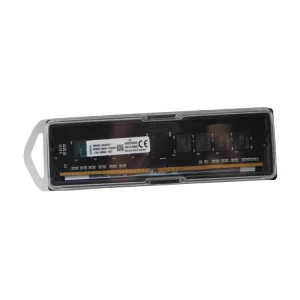
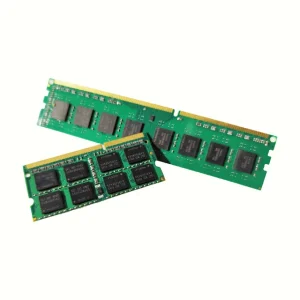
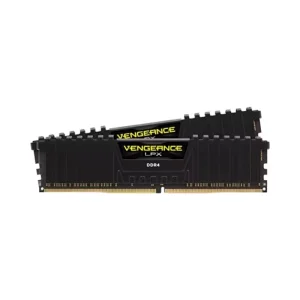
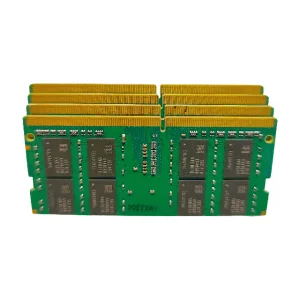
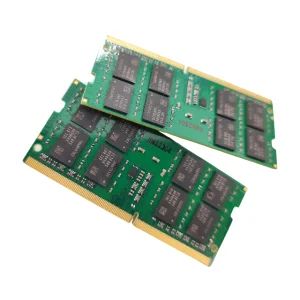
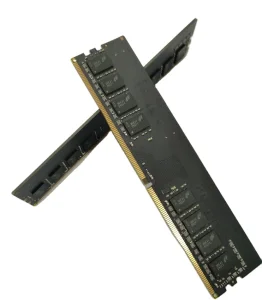
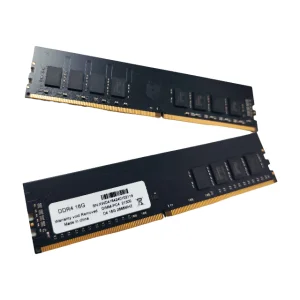
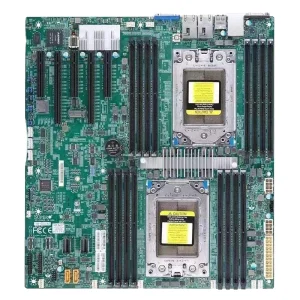
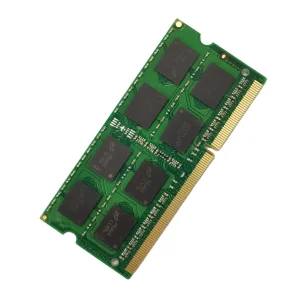
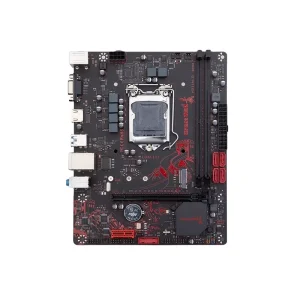
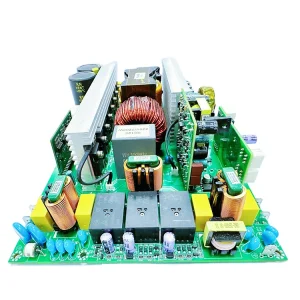
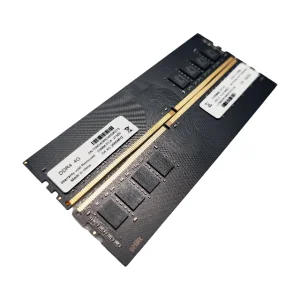
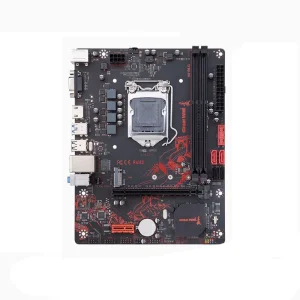
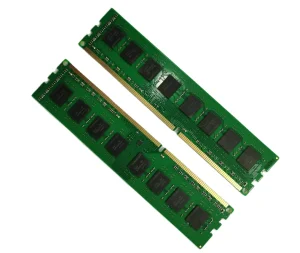
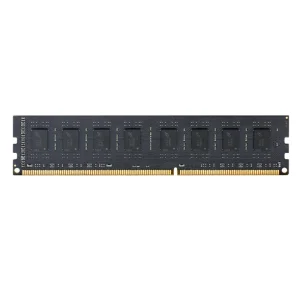
High-performance processing engines, memory chips, and server components engineered using advanced die-attach materials and precision SMT conductive adhesives.
In the rapidly evolving semiconductor fabrication and electronic packaging domains, Electrically Conductive Adhesives (ECAs) have emerged as pivotal substitutes for traditional lead-based and lead-free (SAC305) solders. Conductive adhesives are specially formulated materials consisting of a polymeric resin matrix—primarily epoxy, silicone, or polyimide—heavily filled with conductive metallic particles such as silver (Ag), gold (Au), nickel (Ni), or copper (Cu).
The shift from pyrometallurgical solder reflow interfaces to chemical-crosslinking adhesives is driven by the structural requirement for low processing temperatures, outstanding mechanical flexibility, and high-frequency compatibility. As server memories like DDR5 and mobile processors transition to ultra-fine pitch grids, traditional thermal reflow methods introduce warpage risks and thermal residual stresses. ECAs mitigate these challenges, establishing highly stable pathways for electron flow while providing thermal dissipation interfaces (TIMs) crucial for keeping next-generation computing units within their operational thermal envelopes.
ICAs conduct electricity uniformly in all three spatial coordinates (X, Y, and Z axes). Primarily utilized in surface mount technology (SMT), die attach processes, and high-density chip-on-board configurations, ICAs generally leverage micro-scale silver flakes to maximize percolation thresholds and minimize volume resistivity down to 10-4 Ω·cm.
ACAs, commonly utilized in the form of film (Anisotropic Conductive Film - ACF), provide electrical path conductivity solely along a single vertical axis (Z-axis). This direction-specific conduction is enabled by dispersing microscopic metal-coated polymer spheres at concentrations below the horizontal percolation threshold, preventing lateral short-circuits in fine-pitch connections like liquid crystal displays (LCD) and smart cards.
A detailed breakdown of the global leaders in industrial adhesive formulation, material science engineering, and specialized packaging compounds.
Headquarters: Germany / USA
Key Product Series: Ablestik, Loctite Eccobond
Technical Edge: Industry benchmark for semiconductor packaging, epoxy-based die attach, and automotive camera module assemblies. Henkel sets the global standard for high-reliability thermal and electrical interfaces.
Headquarters: USA
Key Product Series: 3M Electrically Conductive Adhesives (Tapes & Films)
Technical Edge: Global pioneer in pressure-sensitive adhesive tapes (PSA) and Anisotropic Conductive Films (ACF). Renowned for high reliability in flexible print circuit (FPC) bonding and electromagnetic interference (EMI) shielding.
Headquarters: USA
Key Product Series: DOWSIL Silicone Conductive Adhesives
Technical Edge: Specializes in silicone elastomer-based formulations. Ideal for components operating under high-stress thermal cycling conditions, such as automotive ADAS radars and high-power LED systems.
Headquarters: USA
Key Product Series: Tonsan, H.B. Fuller Electronics Adhesives
Technical Edge: Superior engineering in structural bonding combined with high conductivity. Offers customized dispensing rheologies designed for high-throughput mobile device manufacturing and photovoltaic inverter assemblies.
Headquarters: USA
Key Product Series: EP21TDCS, Supreme series
Technical Edge: Leading manufacturer of custom-engineered, specialty epoxy formulations. Offers NASA low-outgassing certified, cryogenic-tolerant conductive epoxies for aerospace and medical imaging systems.
Headquarters: Germany
Key Product Series: Elecolit
Technical Edge: Exceptional formulations in isotropic conducting polymers. Their unique UV-curable and high-speed thermal cure profiles make them standard in micro-acoustic assembly and high-speed medical electronics.
Headquarters: Germany
Key Product Series: DELO DUALBOND
Technical Edge: Pioneers of dual-curing adhesives (UV light plus heat activation) which are highly demanded in optoelectronic packaging, smartcard module manufacturing, and RFID inlay production lines.
Headquarters: USA (Halma Group)
Key Product Series: EPO-TEK H20E, H20S
Technical Edge: Famous for gold and silver-filled epoxies that demonstrate exceptional long-term stability under severe military-spec thermal shock protocols. A primary supplier for aerospace avionics and medical pacemakers.
Headquarters: Japan
Key Product Series: Micropearl, Sekisui ACF
Technical Edge: Global leaders in micro-spherical particle technology, producing extremely uniform polymer cores used as conductive pillars in anisotropic conductive films (ACF) for high-resolution displays.
Headquarters: China
Key Product Series: Vorynex Conductive SMT Epoxies
Technical Edge: Specializes in high-speed, thermal-shock resistant die-attach pastes optimized for DDR4/DDR5 semiconductor packaging, high-speed RAM SMT assembly, and industrial system-level board integrations.
Industrial design criteria for selecting appropriate conductive adhesive platforms based on chemistry, filler particles, and processing dynamics.
| Adhesive Chemistry | Filler Type | Volume Resistivity (Ω·cm) | Curing Mechanism | Primary Industrial Use-Case |
|---|---|---|---|---|
| Epory (Isotropic) | Pure Silver Flakes (Ag) | 1 x 10⁻⁴ to 5 x 10⁻⁴ | Thermal Cure (100°C - 150°C) | Die Attach, DDR/Memory Packaging, SMT component mount |
| Epoxy (Anisotropic) | Au-plated Polymer Spheres | Vertical Conduction Only | Thermal-Compression Bonding | LCD Display Drivers, Smart Cards, FPC to PCB interconnects |
| Silicone Elastomer | Silver/Nickel-coated Glass | 1 x 10⁻³ to 1 x 10⁻² | Moisture/Heat Cure | Automotive ADAS Sensor Sealing, High-vibration PCB units |
| Polyimide Matrix | Gold Powder (Au) | 5 x 10⁻⁵ to 9 x 10⁻⁵ | High Temp Bake (>200°C) | Hermetic Military Avionics, Aerospace, High-temp sensors |
| Acrylic (UV Curing) | Nano-Silver / Nickel | 2 x 10⁻³ | Dual Cure (UV + Thermal) | Smart Card RFID assembly, rapid medical diagnostic strips |
As electronic assemblies shrink and thermal envelopes become increasingly constrained, the chemical composition of conductive adhesives must innovate rapidly.
Replacing traditional resin matrices with direct silver-to-silver sintering technology. Utilizing silver nanoparticles that coalesce at lower processing temperatures (200°C) without melting, achieving high thermal conductivities (>150 W/mK) suitable for silicon carbide (SiC) and gallium nitride (GaN) high-power electronics.
Strict enforcement of RoHS and REACH directives has eliminated lead and cadmium. Emerging formulations now focus on biodegradable matrix polymers derived from plant resins, alongside low-outgassing properties to prevent contamination of optical lenses in automotive ADAS systems.
Standard solder alloys require temperatures above 220°C, which warps flexible substrates. The new frontier is 80°C or room-temperature curing formulations, allowing highly conductive, stable connections on PET, paper, and low-cost bio-polymers used in wearables.
How modern industries optimize reliability and output using conductive bonding formulations.
Memory modules operate at extreme data rates, generating significant localized heat. Conductive adhesives are applied as die attach films (DAF) and thermal interface materials (TIM). This ensures low electrical resistivity and path length between the DRAM silicon dies and the organic substrates, preventing thermal throttling in high-workload cloud servers.
Solar inverter circuit boards (PCBA) operate under massive environmental stresses, including high humidity and thermal fluctuations. Traditional mechanical solders can suffer from fatigue and micro-cracking. Replacing key structural electrical nodes with high-viscosity isotropic conductive adhesives provides long-term vibration dampening and thermal expansion tolerance.
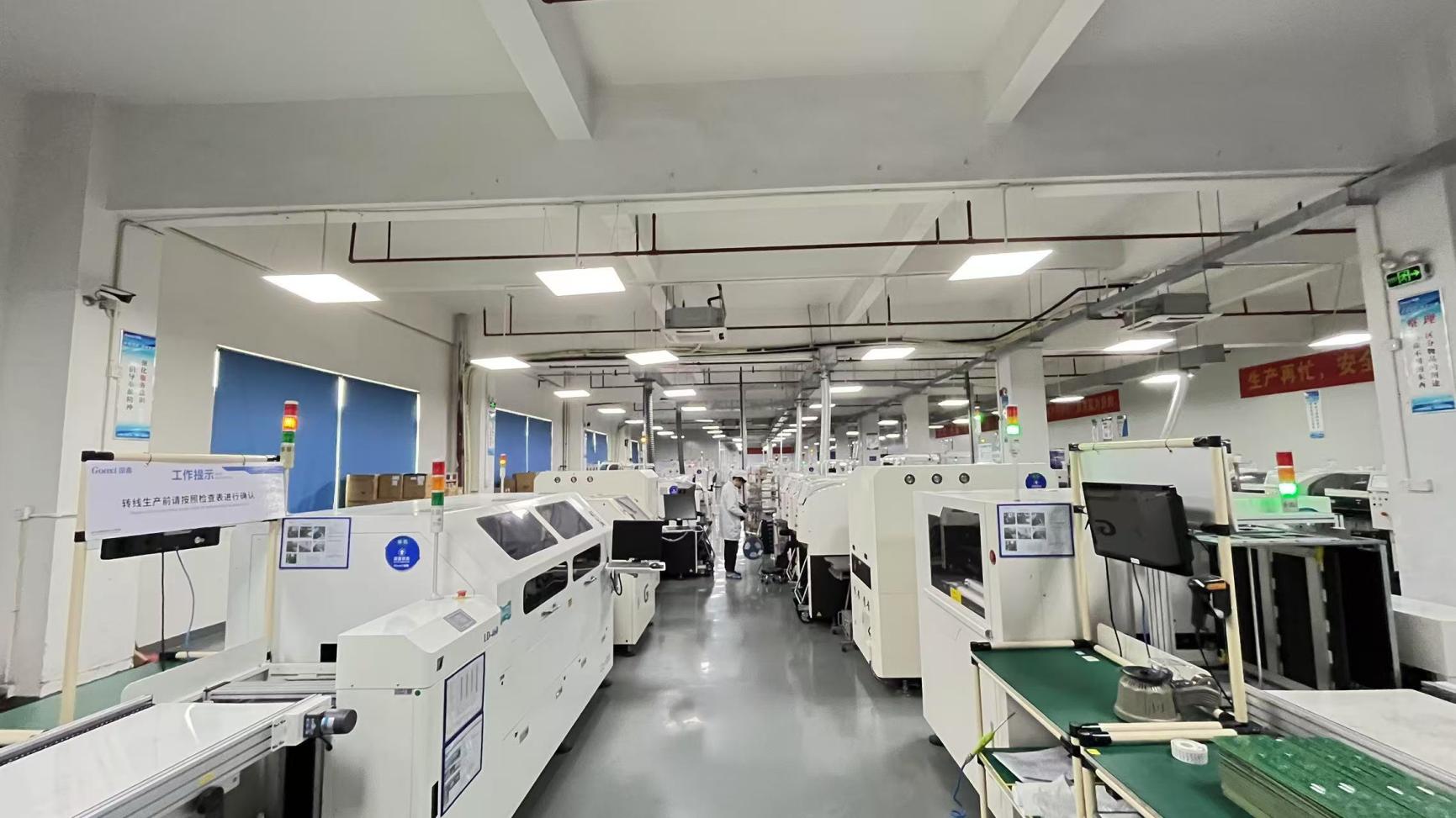
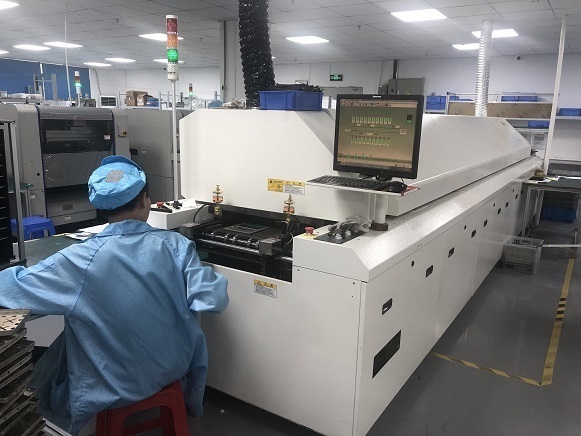
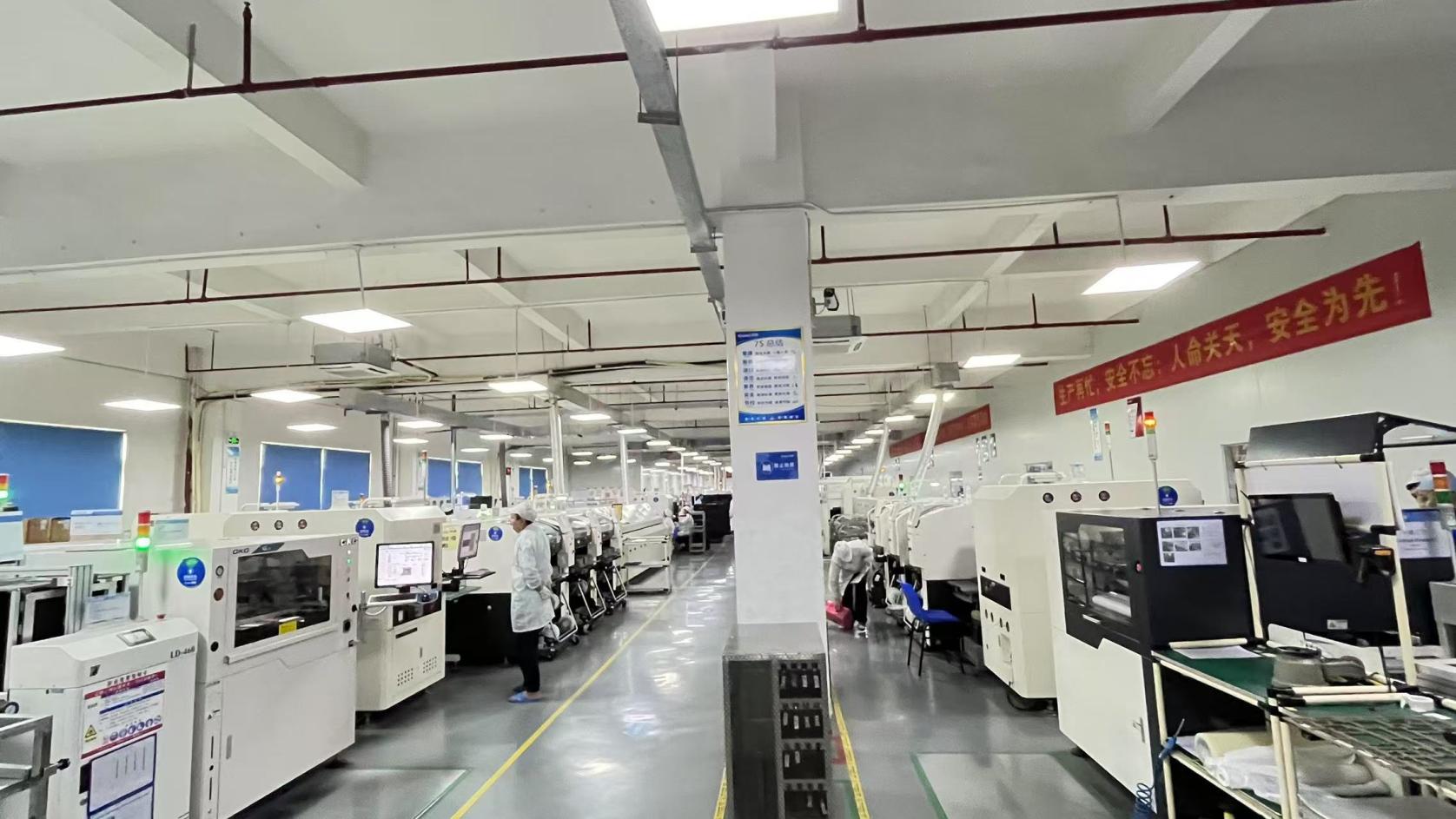
Combining premium conductive materials with high-density semiconductor assembly pipelines to deliver global-standard storage and memory architectures.
Vorynex Memory Technology (China) Co., Ltd. is a professional DDR5 memory manufacturer and OEM/ODM solution provider specializing in high-performance memory modules for global markets. Established in 2016, the company has developed strong manufacturing and engineering capabilities over the years. With a modern production facility covering approximately 320㎡, Vorynex focuses on delivering stable, high-speed, and energy-efficient memory solutions for gaming, industrial, and enterprise applications.
Vorynex maintains strict quality control standards, including 100% functional testing, aging tests, compatibility testing, and high-temperature stress testing. Product inspection methods include automated optical inspection (AOI), in-circuit testing (ICT), and final system-level validation. The quality assurance team consists of approximately 45 professional QC staff ensuring consistent product reliability.
With a strong international trade background, Vorynex serves key markets including North America, Europe, Southeast Asia, the Middle East, and South America. The company collaborates with more than 1,200 supply chain partners, enabling stable sourcing of high-quality DRAM chips and components.
Its primary customer base includes brand distributors, system integrators, industrial equipment manufacturers, and gaming hardware companies. Vorynex also has strong R&D capabilities, supported by a team of approximately 180 R&&D engineers, focusing on memory architecture optimization, compatibility enhancement, and thermal performance improvement. Customization is fully supported, including frequency tuning, PCB design customization, heat sink design, branding (private label), and firmware optimization. In the past year, the company successfully launched around 240 new product models, covering DDR4, DDR5, and specialized industrial memory solutions.


Expert insights addressing common engineering queries regarding conductive adhesive selection, performance limits, and application techniques.
High-durability hardware platforms using precision thermal and structural adhesives to deliver reliable long-term performance.
 Vorynex