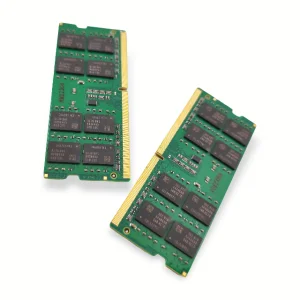
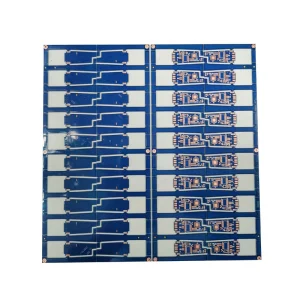
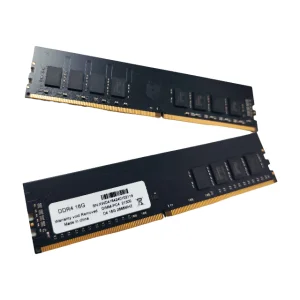
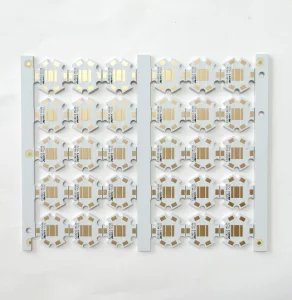
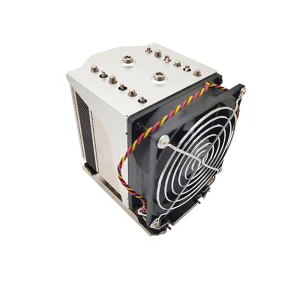
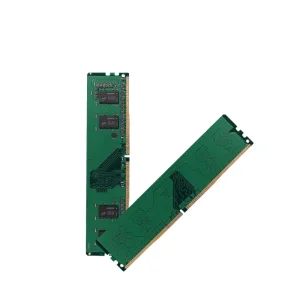
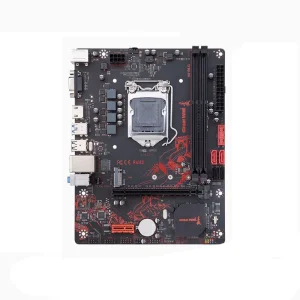
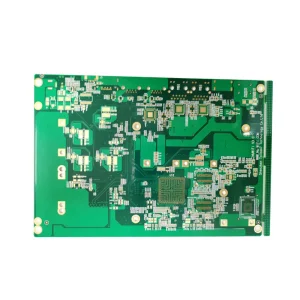
The global IoT ecosystem relies heavily on robust, low-power wireless communication networks. As of 2024, Bluetooth Low Energy (BLE) technology serves as a critical pillar for interconnectivity, enabling energy-efficient transmissions for smart health, industrial automation, and localization platforms. The transition from Bluetooth 5.0 to modern standards like Bluetooth 5.4, and the upcoming BLE Channel Sounding features, has redefined RF engineering limits, allowing precise centimeter-level positioning and high-throughput point-to-point networks.
For B2B procurement managers and systems architects, choosing the right Bluetooth module manufacturer is not merely about sourcing components; it is a long-term strategic decision. A certified, reliable module guarantees compliance (FCC, CE, IC, TELEC), accelerates time-to-market, and minimizes complex RF layout redesigns. Through extensive supply chain integrations, companies are bridging the gap between high-frequency SMT manufacturing and silicon-level compatibility to deliver robust module solutions worldwide.
Industrial Bluetooth modules require high integration, strict antenna impedance matching, and temperature tolerances spanning from -40°C to +85°C. Sourcing from verified manufacturers with deep expertise in multi-layer PCB design and packaging technologies (such as LGA or LCC) is essential for mission-critical deployments.
To assist system integrators in identifying the ideal ODM/OEM partner, we analyze the leading ten entities in the global market. These manufacturers are rated based on their engineering capabilities, certification completeness, global localization support, and manufacturing scale.
An industry benchmark for BLE SoCs and reference modules. Celebrated globally for their ultra-low-power nRF series, Nordic provides highly optimized architectures widely deployed in wearable medical devices and proprietary low-power protocols.
Famous for the SimpleLink™ platform. TI excels in industrial-grade reliability, offering robust RF performance, automotive certifications (AEC-Q100), and dual-band configurations that integrate seamlessly into smart grid and metering hardware.
Specializes in multiprotocol wireless SoCs. Their EFR32 series supports Bluetooth, Zigbee, and Thread concurrently, making them the preferred choice for smart home applications integrating with the new Matter standard.
A Japanese giant in miniaturization. Murata produces ultra-small RF modules with integrated passive devices (LTCC), optimizing footprint requirements for miniature biomedical implants and compact high-density hardware.
Excels in ruggedized wireless modules for extreme industrial environments. They offer extensive certification footprints and advanced firmware libraries, enabling rapid deployment in logistics, shipping, and heavy machinery.
Leveraging the robust semiconductor expertise of Vorynex Memory Technology, this division produces high-yield BLE modules. Backed by 180+ R&D engineers, they specialize in custom firmware tuning, PCB antennas, and strict high-temp SMT lines.
Prominent supplier of long-range Bluetooth modules. By integrating Power Amplifiers (PA) and Low Noise Amplifiers (LNA), Fanstel modules achieve extreme line-of-sight communication distances exceeding 1000 meters.
Focuses on comprehensive BLE solutions, exporting high volumes of Bluetooth beacons, sensors, and gateway modules. Ideal for indoor location tracking, retail analytics, and asset management systems.
Renowned for Bluetooth dual-mode modules (SPP + BLE). Feasycom provides versatile firmware stacks that make serial-port wireless communication seamless for printer modules, OBD readers, and legacy device upgrades.
A key high-volume exporter focusing on cost-effective, certified BLE modules based on Nordic silicon. Highly popular among developers for rapid prototyping, smart home peripherals, and consumer wearables.
Compare structural parameters, transceiver architecture, and target applications across leading Bluetooth modules to make an informed technical selection.
| Manufacturer Group | Core Silicon Platform | TX Power Range | Antenna Options | Primary Industrial Certifications | Target Applications |
|---|---|---|---|---|---|
| Nordic Semiconductor | nRF52 / nRF53 / nRF54 | -20 to +8 dBm | PCB / Pin Pad / External | FCC, CE, IC, TELEC, BQE | Wearables, Advanced Audio, Medical Devices |
| Texas Instruments | CC26xx / CC25xx | -20 to +5 dBm | PCB Trace / Chip Antenna | FCC, CE, BQE, AEC-Q100 (Auto) | Automotive BMS, Smart Metering, Grid Nodes |
| Silicon Labs | EFR32 Wireless Gecko | Up to +20 dBm | U.FL / Integrated Chip | FCC, CE, Japan MIC, Thread/Zigbee | Smart Lighting, Connected Home (Matter) |
| Laird Connectivity | Nordic / Custom Hybrid | -40 to +8 dBm | IPEX / Ceramic SMT | FCC, CE, TELEC, KCC, UKCA | Logistics Tracking, Rugged Industrial Sensors |
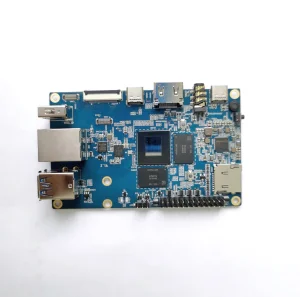
| Vorynex Wireless | Custom / Rockchip Co-proc | -20 to +10 dBm | High-gain PCB / External Pin | FCC, CE, RoHS, ISO9001 | Industrial Motherboards, High-Speed IoT Edges |
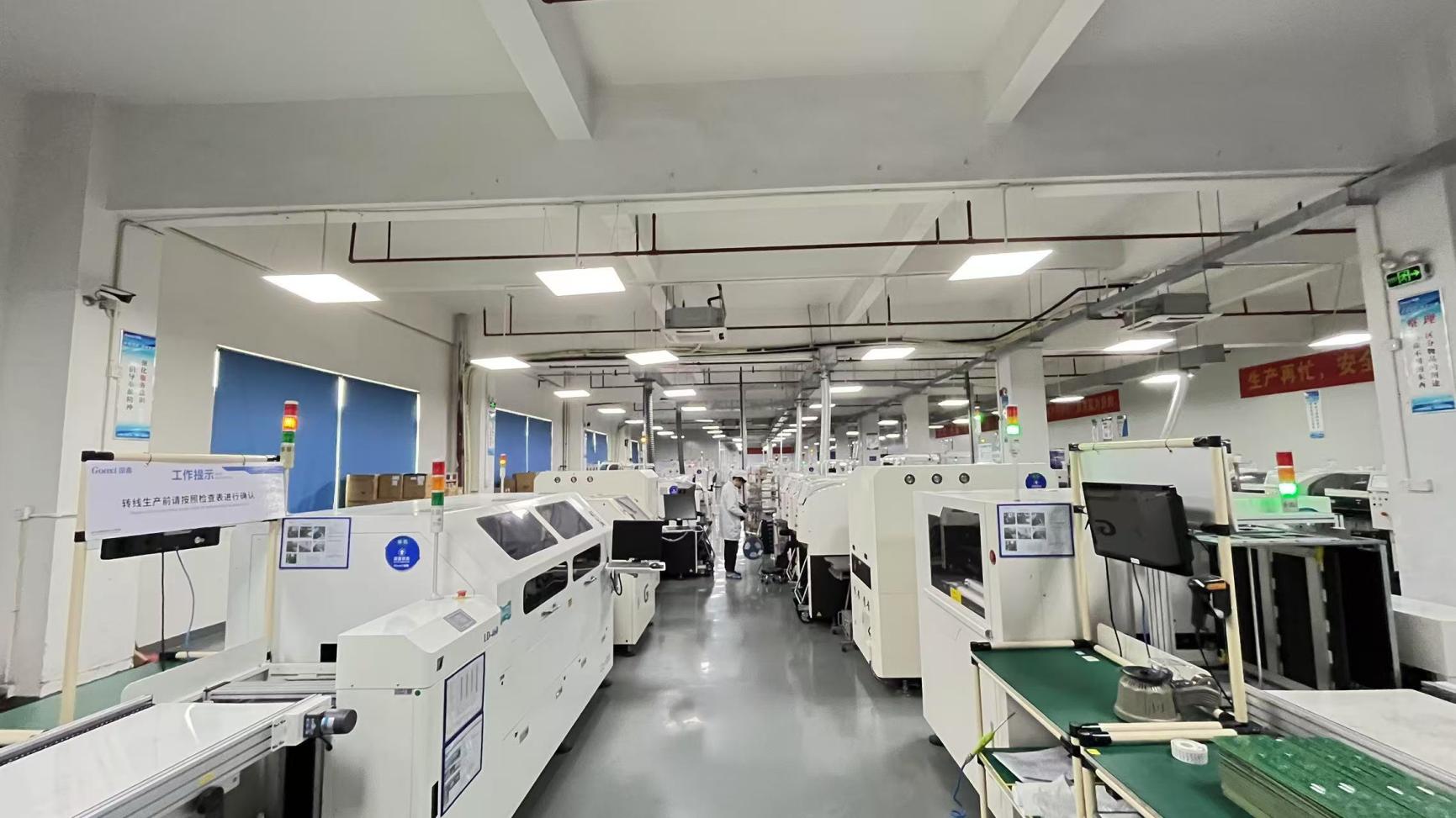
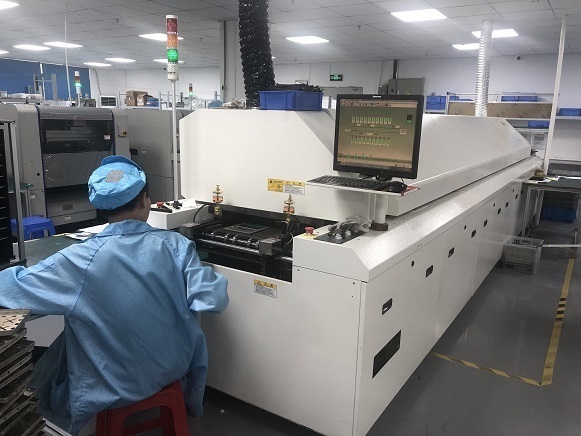
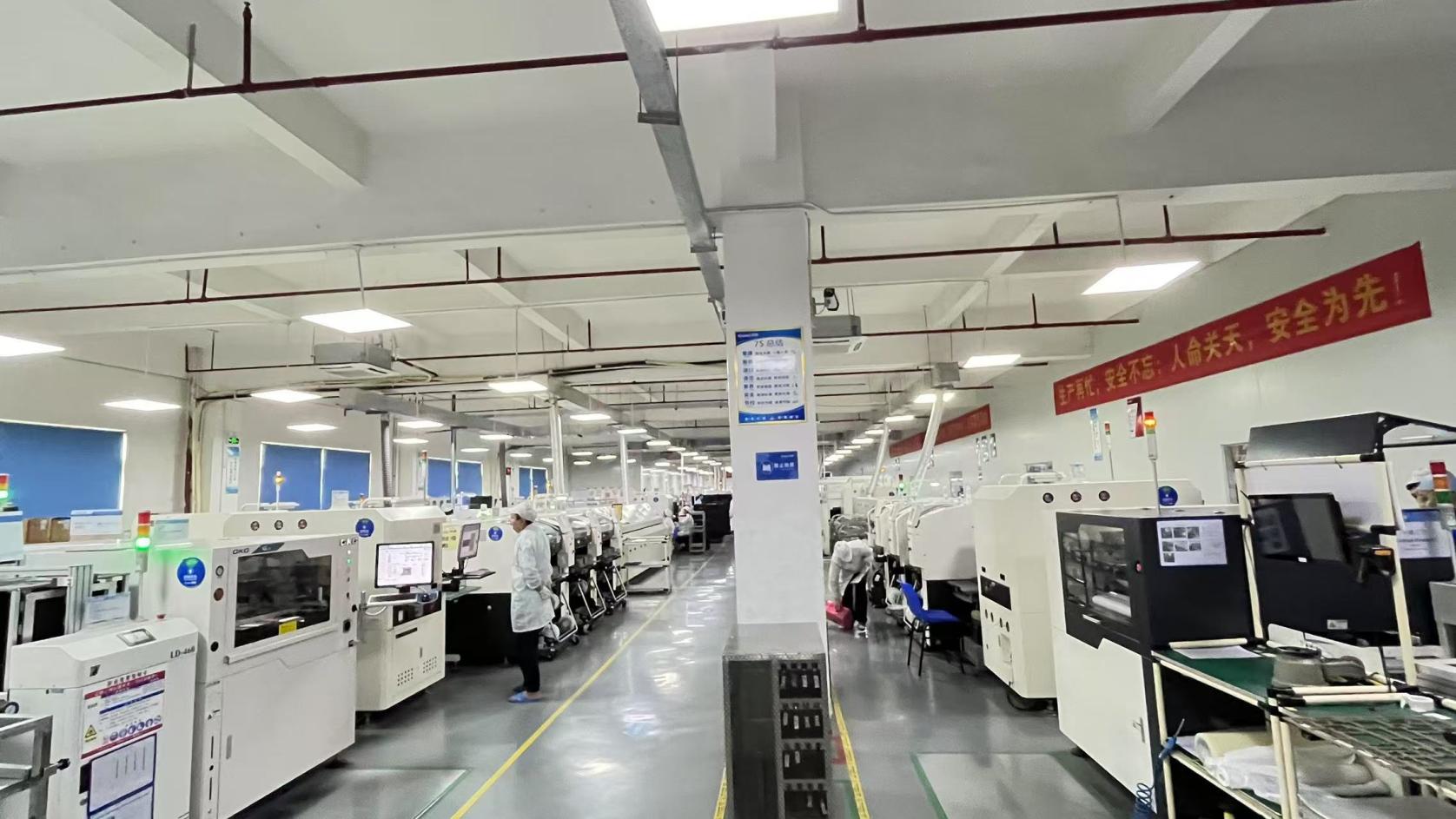
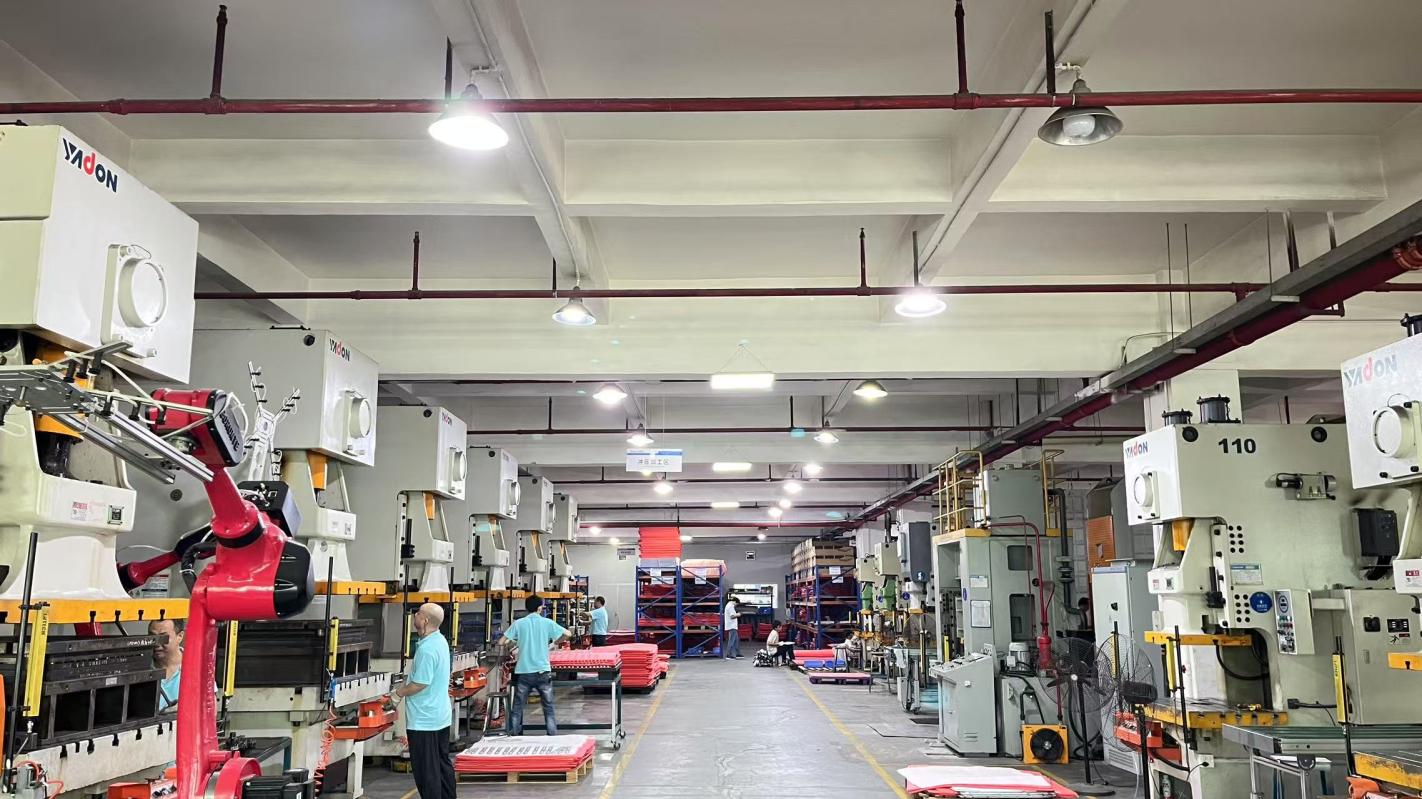
Operating under the banner of Vorynex Memory Technology (China) Co., Ltd., our manufacturing facility represents the pinnacle of modern micro-assembly and high-speed surface mount technology (SMT). Established in 2016, our production floors have scaled to meet rigorous global standards, achieving an annual export revenue of USD 12 million.
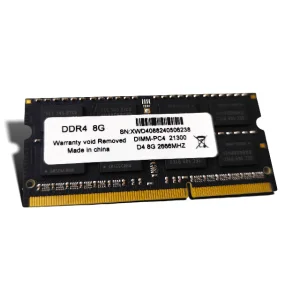
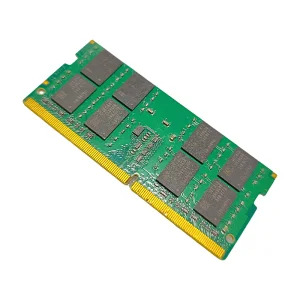
Our facility maintains strict quality control standards. Every wireless motherboard, memory module, and RF transceiver board undergoes 100% functional testing, high-temperature stress testing (up to 85°C), and system-level validation. Backed by 45 professional QC staff, we utilize Automated Optical Inspection (AOI) and In-Circuit Testing (ICT) to eliminate solder bridging or impedance variance.
Our 180 R&D engineers optimize complex circuit routes, managing everything from impedance matching on 4-layer and 6-layer PCBs to customized firmware compilation. This expertise ensures compatibility with diverse basebands, processors, and storage configurations.
Before shipment, all modules must pass through a strict testing cycle, guaranteeing less than 50 PPM failure rates:

Exporting RF transmitters requires meticulous alignment with regional regulations. Our products maintain modular pre-certifications, drastically simplifying your final device certifications:
Sustaining production timelines in North America, Europe, and Southeast Asia requires reliable logistics and responsive support. Our robust supply chain network minimizes component shortages:
As Bluetooth technology evolves, we align our manufacturing plans with upcoming wireless specifications. Explore key developmental stages below:
Leveraging phase-based ranging and Round-Trip Time (RTT) technology to achieve sub-decimeter accuracy. This shift will replace complex RSSI math, offering superior precision for smart locks, secure access systems, and tracking tags.
Integrating PAwR to enable bidirectional communication in massive-scale one-to-many topologies. This is crucial for Electronic Shelf Labels (ESL) and large-scale sensor deployments, ensuring high synchronization with low power draw.
Developing ultra-low-threshold power management units (PMUs) to power modules using ambient RF, solar, or thermal energy, paving the way for battery-free IoT sensors.
 Vorynex