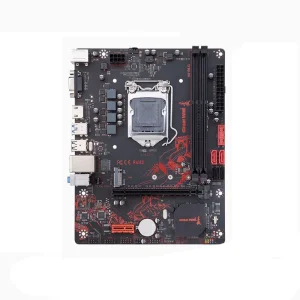
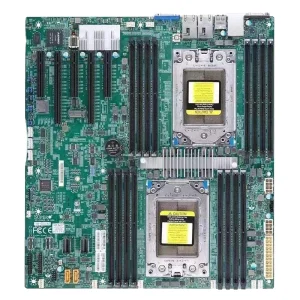
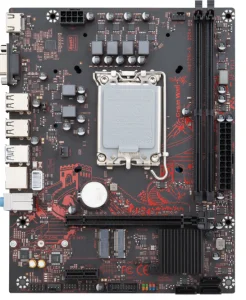
Rugged components serving as the data caching and control gateway layer in massive IoT lighting systems.
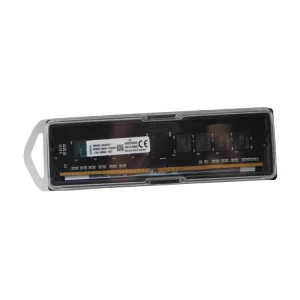
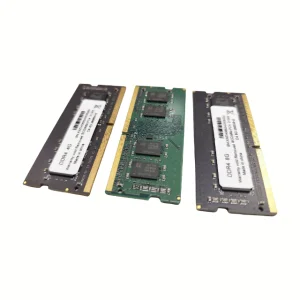
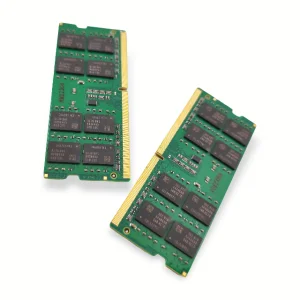
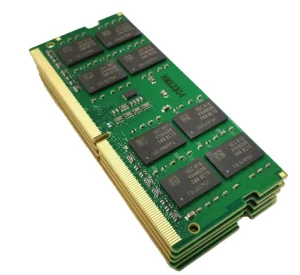
Wholesale DDR4 Desktop Memory Module RAM 4GB 8GB 1600MHz 2666mHz 2400MHz 3200MHz
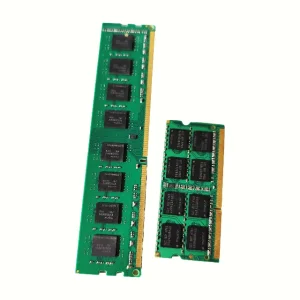
Factory Wholesale DDR4 4GB 8GB ECC RAM for Desktop Laptop 2133MHz 2400MHz 2666MHz in Stock
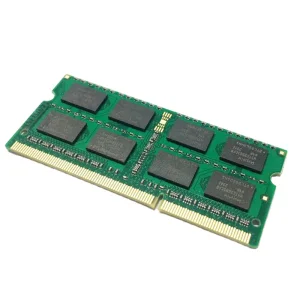
Hot Sale Memory RAM DDR4 4GB 8GB 16GB 2666MHz 3200MHz for Laptop and Desktop Computer Pc NB
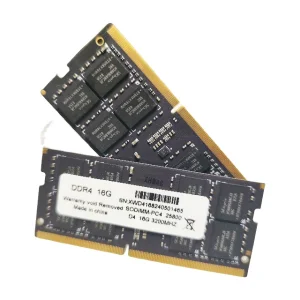
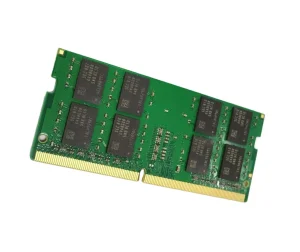
Ram DDR4 8GB Laptop Memory Module Ram DDR4 2133 2400 2666 MHz Memory Module DDR4 Ram
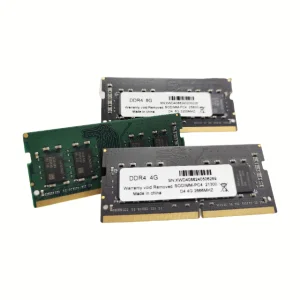
Wholesale DDR4 Notebook Memory Module RAM 4GB 8GB 1600MHz 2666mHz 2400MHz 3200MHz
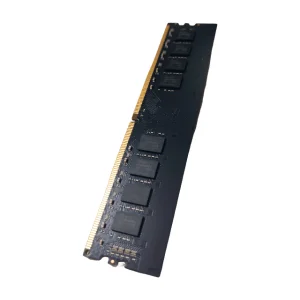
Hot Selling Notebook Desktop Memory RAM DDR4 16GB Memory Module RAM 1600MHz 2666mHz 2400MHz 3200MHz
Decarbonization, Thermodynamic Systems, and SMT Assembly Synergies
The commercial and industrial LED lighting sectors are undergoing a massive evolution. Today's systems are no longer just basic light-emitting diodes connected to a driver; they are intelligent, interconnected thermodynamic platforms. High-lumen industrial bays, smart city infrastructure, and agricultural installations require precise coordination of electrical efficacy (lumens per watt), continuous thermal extraction, and automated network controls (DALI-2/Zigbee protocols).
Global architectural and industrial deployments face stringent thermal limits. With high-intensity LEDs operating continuously in harsh conditions (e.g., steel manufacturing plants, cold warehouses), maintaining junction temperature (Tj) below critical thresholds is essential to prevent rapid lumen depreciation and color shifting. Therefore, heavy-duty industrial fixtures are designed as a integrated thermal loop where physical structural heatsinks are dynamically matched with heat dissipation PCBs.
By leveraging high-speed, high-density Surface Mount Technology (SMT)—originally developed for server memory modules and high-speed motherboard layouts—engineers can build smart LED driver circuits and board layouts with minimal electromagnetic interference (EMI) and optimal electrical efficiency. Precise chip placement, solder paste application, and multi-zone reflow profiling ensure every connection stands up to commercial vibrations and high thermal stress over a 50,000+ hour lifespan.
How component-level logistics and rapid prototyping drive global OEM/ODM superiority.
The manufacturing ecosystem of China offers unparalleled advantages in the production of advanced electronic assemblies. By integrating the sourcing of raw semiconductor memory chips, high-speed controller ICs, and copper/aluminum substrates, domestic facilities achieve vertical integration that significantly reduces lead times. For custom OEM/ODM projects, this means rapid transition from board design layout to actual physical mock-ups, with prototype cycles often completed in days rather than weeks.
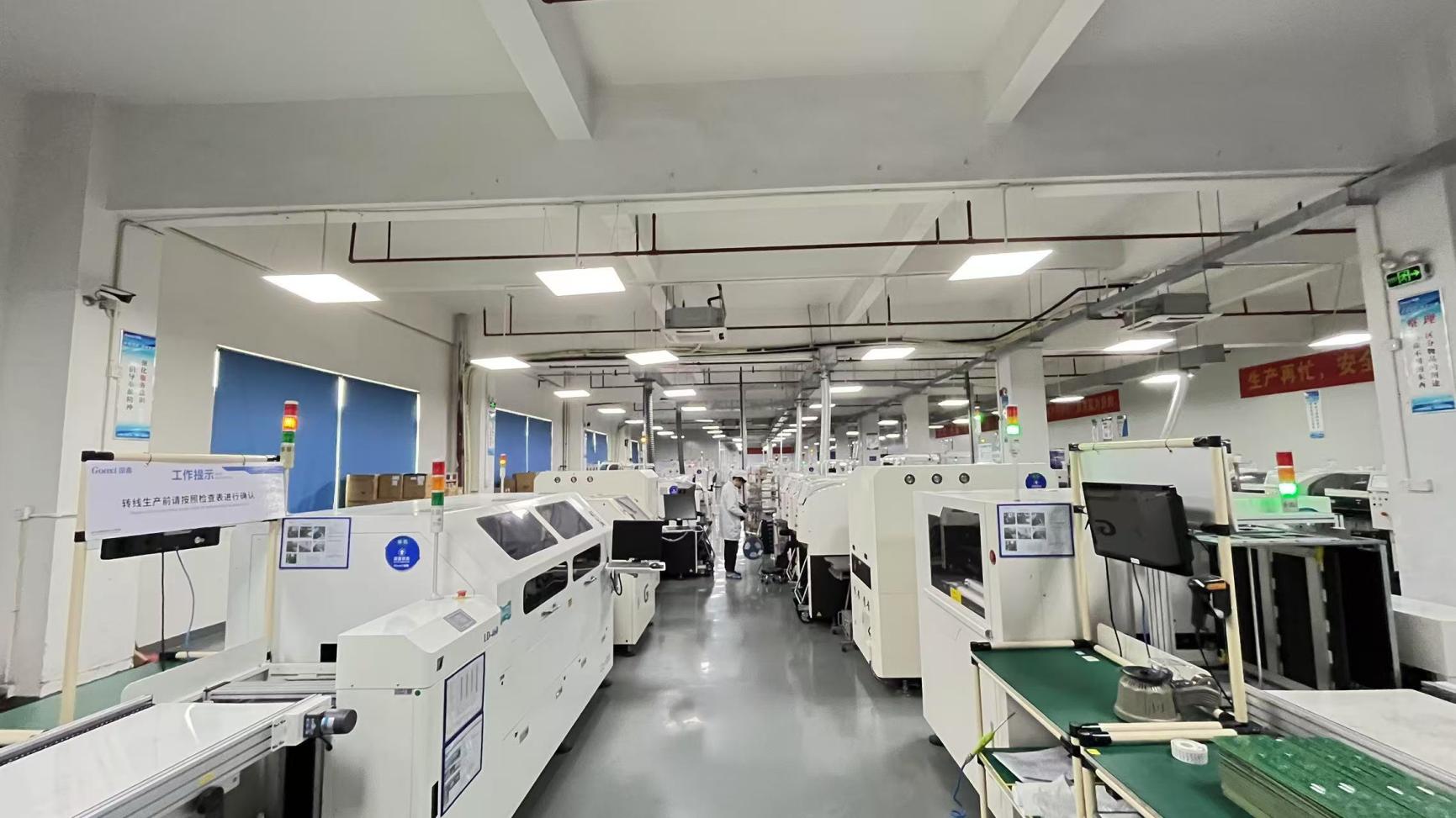
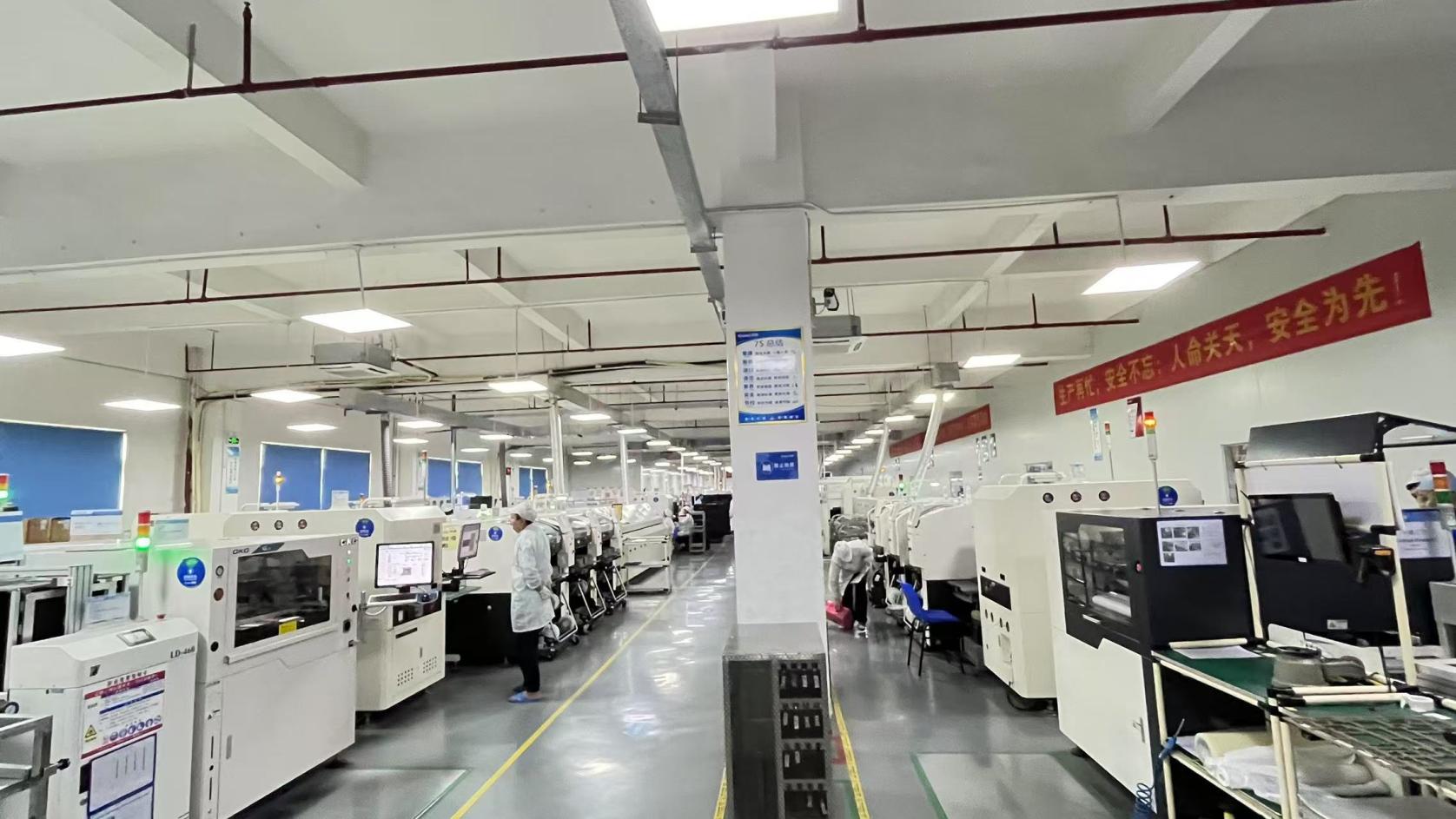
Using high-speed automated placement machines, our production line quickly adjusts to handle custom component layouts for both standard lighting assemblies and custom IoT computing modules.
Every board undergoes Automated Optical Inspection (AOI), In-Circuit Testing (ICT), and functional burn-in under thermal loads to guarantee reliability under field operating conditions.
Close partnerships with international ports and global air cargo services ensure that customized products can be quickly shipped to system integrators worldwide with full tracking.
Empirical data and testing protocols powering Vorynex Memory Technology's high-tech manufacturing facility.
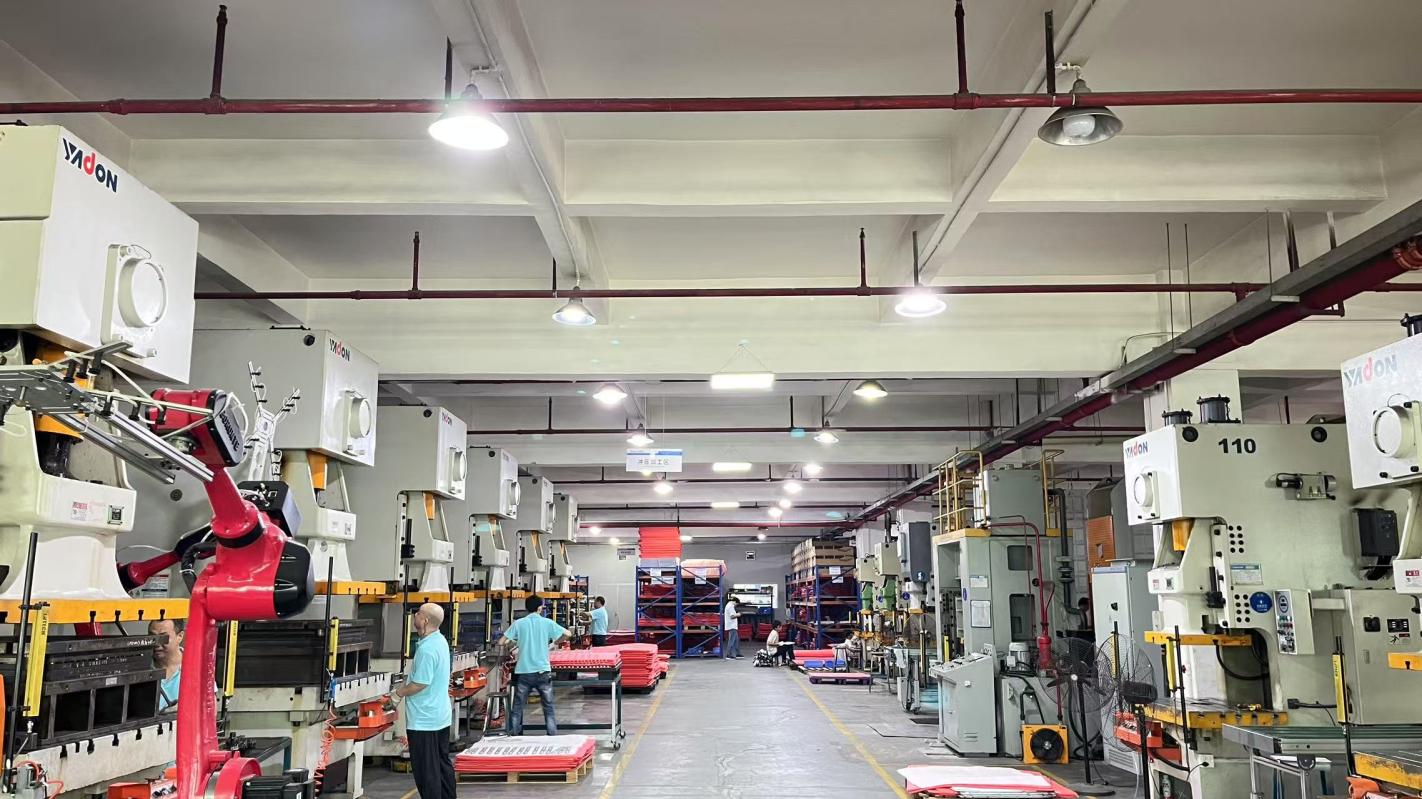
Established in 2016, Vorynex Memory Technology (China) Co., Ltd. has spent over 12 years in industry-related semiconductor manufacturing, high-precision electronic board assembly, and thermal solution engineering. The facility utilizes automated equipment to deliver robust products optimized for extreme durability.
Our strict quality assurance protocols are built around a 100% functional validation framework. This includes:
Custom configurations tailored to specific operational requirements.
Modern street lighting installations serve as physical nodes for smart city mesh networks. In these setups, high-performance controller boards need stable system memory and local processors to manage traffic monitoring cameras, pollution sensors, and adaptive dimming schedules based on real-time pedestrian density.
Steel mills, chemical processing plants, and marine cargo facilities operate under harsh conditions with high ambient temperatures, vibration, and dust. For these installations, heavy-duty physical thermal engines—including customized copper and aluminum heat sinks paired with high-voltage tolerant driver units—are required to prevent component failure.
Indoor vertical farms rely on custom spectrum control and high-output LED grow fixtures. These systems demand precise pulse-width modulation (PWM) drivers and customized logic control units to simulate sunrise/sunset patterns, control photo-synthetically active radiation (PAR), and monitor temperature sensors across large growing areas.
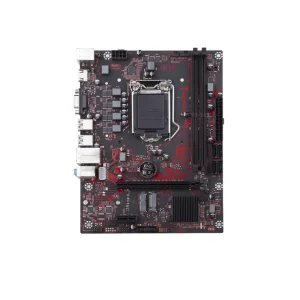
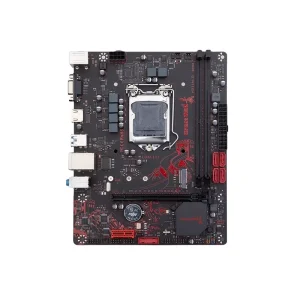
In data centers, status indicator networks are integrated directly with server racks and remote diagnostic equipment. Relaying real-time warnings, network activity, and server temperatures requires highly stable computer motherboards and high-speed ECC RAM modules working in tandem with warning displays to ensure continuous, error-free monitoring.
Technical specifications and configuration options for industrial builds.
| Service Category | Technical Parameters & Configurations Available | Validation Testing Standard |
|---|---|---|
| PCB Layout Design | FR-4, Metal Core PCBs (MCPCB), High Thermal Conductivity, Multi-layer SMT (up to 12 layers) | IPC-A-600 / IPC-A-610 Class II & III |
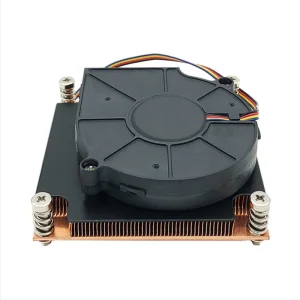
| Thermal Interface Engines | Extruded Aluminum, Cold Forged Pin Finned, Pure Copper heat sinks, Phase-change interface materials | Thermal Junction Temp monitoring (Tj) under continuous load |
| System Control Units | DALI-2, Zigbee 3.0, 0-10V Dimming, Modbus, custom firmware design for edge-AI processing | EMC testing, FCC Part 15 Class B, CE compliance testing |
| Memory/Compute Buffers | DDR4/DDR5 SO-DIMM, UDIMM, ECC modules (4GB to 32GB) for local cache automation nodes | 100% Motherboard Compatibility testing and MemTest stress profiles |
| Optical Profiles | Lenses (30°/60°/90°/120°), asymmetric distribution patterns, PMMA/polycarbonate materials | Goniophotometer measurement, LM-79 & LM-80 test reports |
Analyzing modern market demands and technical regulations.
Global buyers are increasingly focusing on the total cost of ownership (TCO) rather than just initial purchase costs. Selecting components that offer high efficiency and long-term durability helps minimize maintenance expenses over the system's operating lifetime. Keep the following regulatory and technical standards in mind for upcoming procurement cycles:
Precision computer components and thermal management solutions designed for edge gateways and central servers.
Detailed engineering answers for system integrators and procurement agents.
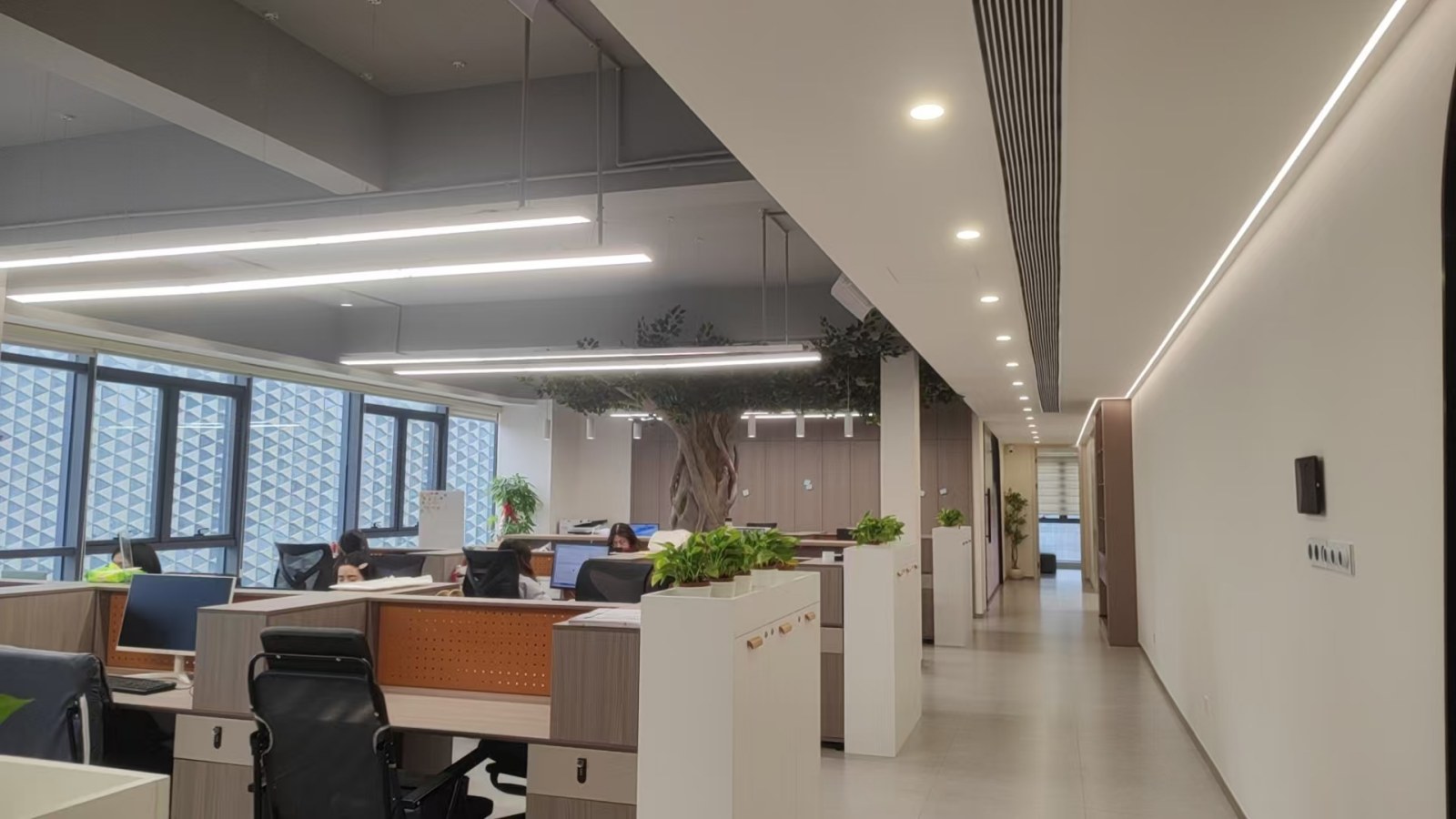
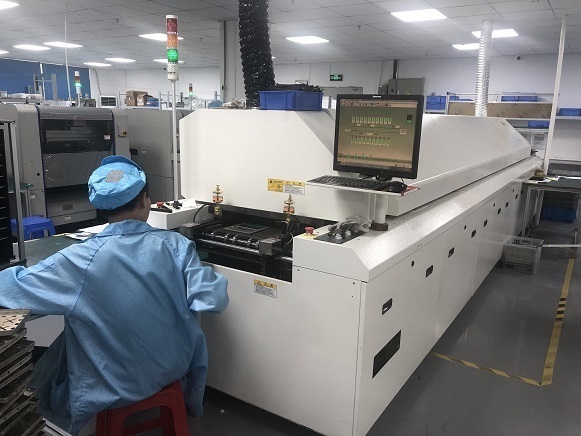
Equipped with modern manufacturing machinery and strict environmental control systems.
Our automated cleanrooms utilize state-of-the-art SMT lines, multi-temperature zone reflow ovens, and precise testing chambers. This advanced infrastructure allows us to control the assembly environment, minimize static discharge, and ensure consistent quality across all production runs.
 Vorynex