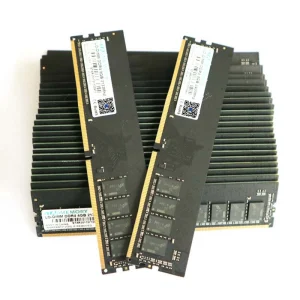
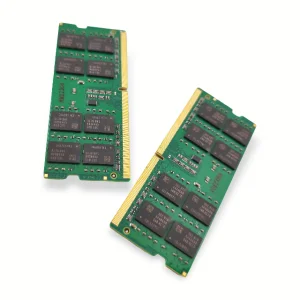
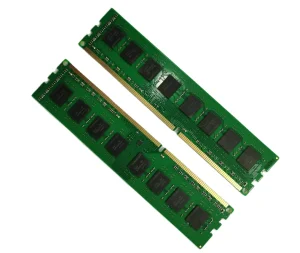
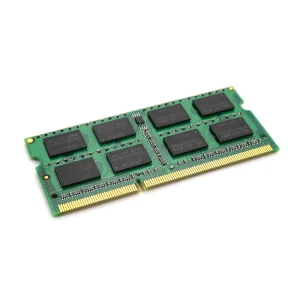
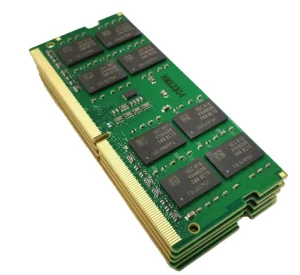
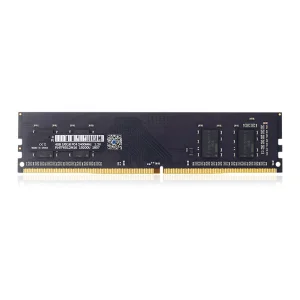
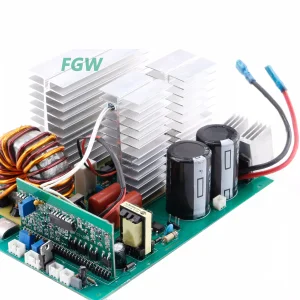
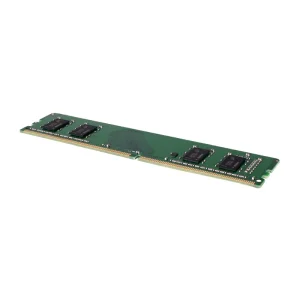
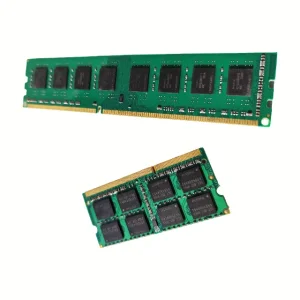
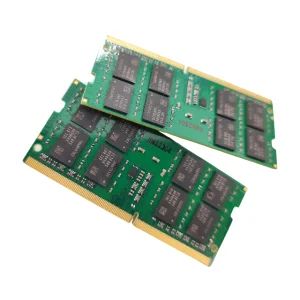
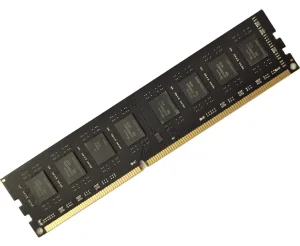
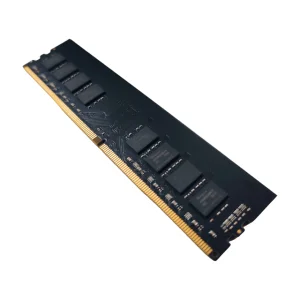
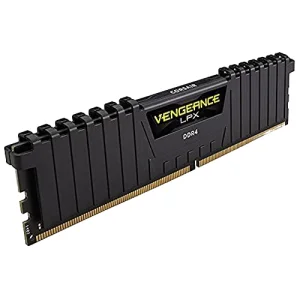
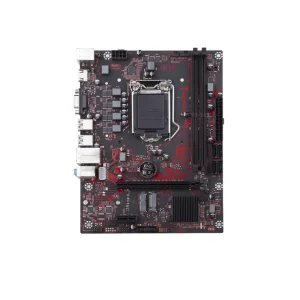
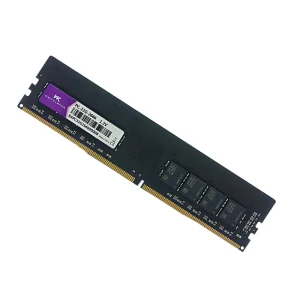
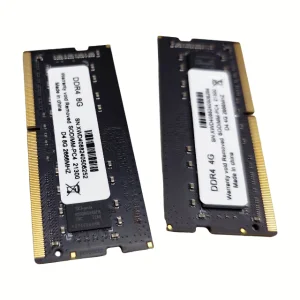
Discover our primary OEM/ODM hardware supply, covering high-performance memory modules and robust circuit boards designed for continuous workload stability.
Analyzing market integration, thermal stress limits, and industrial shifts towards Metal Clad Printed Circuit Boards.
As electronic systems grow more compact and power-dense, traditional FR-4 substrates (thermal conductivity ~0.25 W/m-K) act as thermal insulators. Aluminum PCBs (Metal Clad PCBs) solve this bottleneck by offering thermal conductivity ranging from 1.0 W/m-K to over 8.0 W/m-K, transferring heat away from critical components rapidly.
Globally, sectors like Electric Vehicles (EV drivetrains, onboard chargers), Solid-State Lighting (high-power LEDs), and Telecom Power Distribution systems are standardizing on aluminum boards. This shift is driven by the structural strength, thermal stability, and recyclability of aluminum substrates.
Aluminum PCBs are no longer limited to single-layer layouts. Advanced hybrid designs layer FR-4 or polyimide circuit traces onto an aluminum base plate. This design provides high-speed signal integrity for modules like DDR4/DDR5 high-performance memory while keeping thermal degradation at bay.
Engineering developments in Insulated Metal Substrate (IMS) tech, raw materials, and dielectric performance.
Future iterations focus on increasing dielectric breakdown ratings to >6kV AC using ceramic-filled polymer layers. This improvement allows thin dielectric profiles to safely isolate high-power circuits.
Moving from standard 1000-series pure aluminum to 5052 and 6061 magnesium-silicon aluminum alloys. These alloys offer superior tensile strength, vibration resistance, and flat surfaces for precision SMT assembly.
Under extreme thermal demands, Direct Thermal Path (DTP) technology eliminates the dielectric layer under the thermal pad of the LED or power transistor, allowing direct contact with the aluminum base.
Aluminum is highly recyclable compared to traditional FR-4, which often ends up in landfills. This makes aluminum PCBs a key choice for green electronics design requirements worldwide.
Leveraging high-precision manufacturing, global logistics, and strict testing workflows to deliver high-quality components.
Vorynex Memory Technology (China) Co., Ltd. is a professional DDR5 memory manufacturer and OEM/ODM solution provider specializing in high-performance memory modules for global markets.
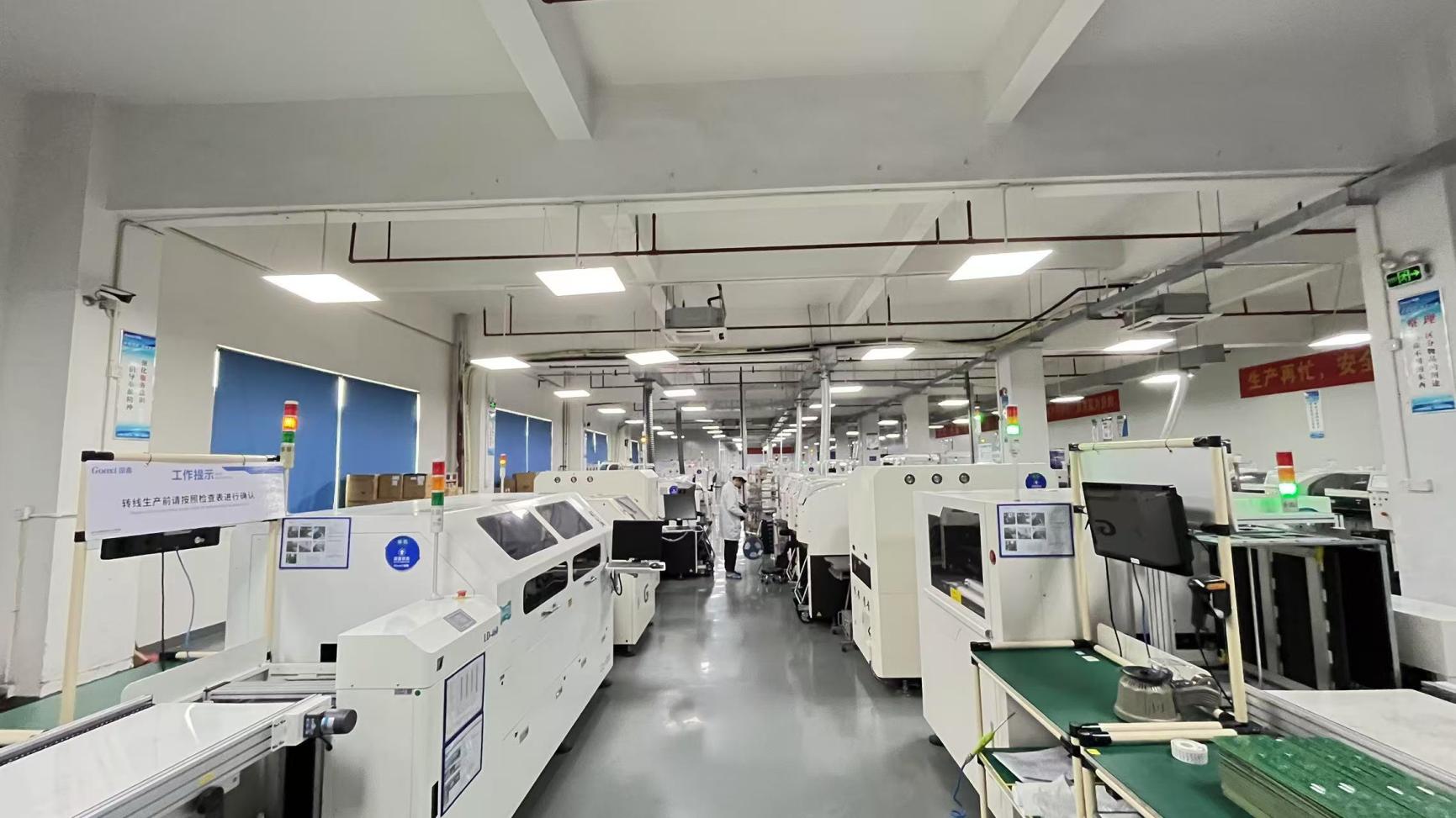
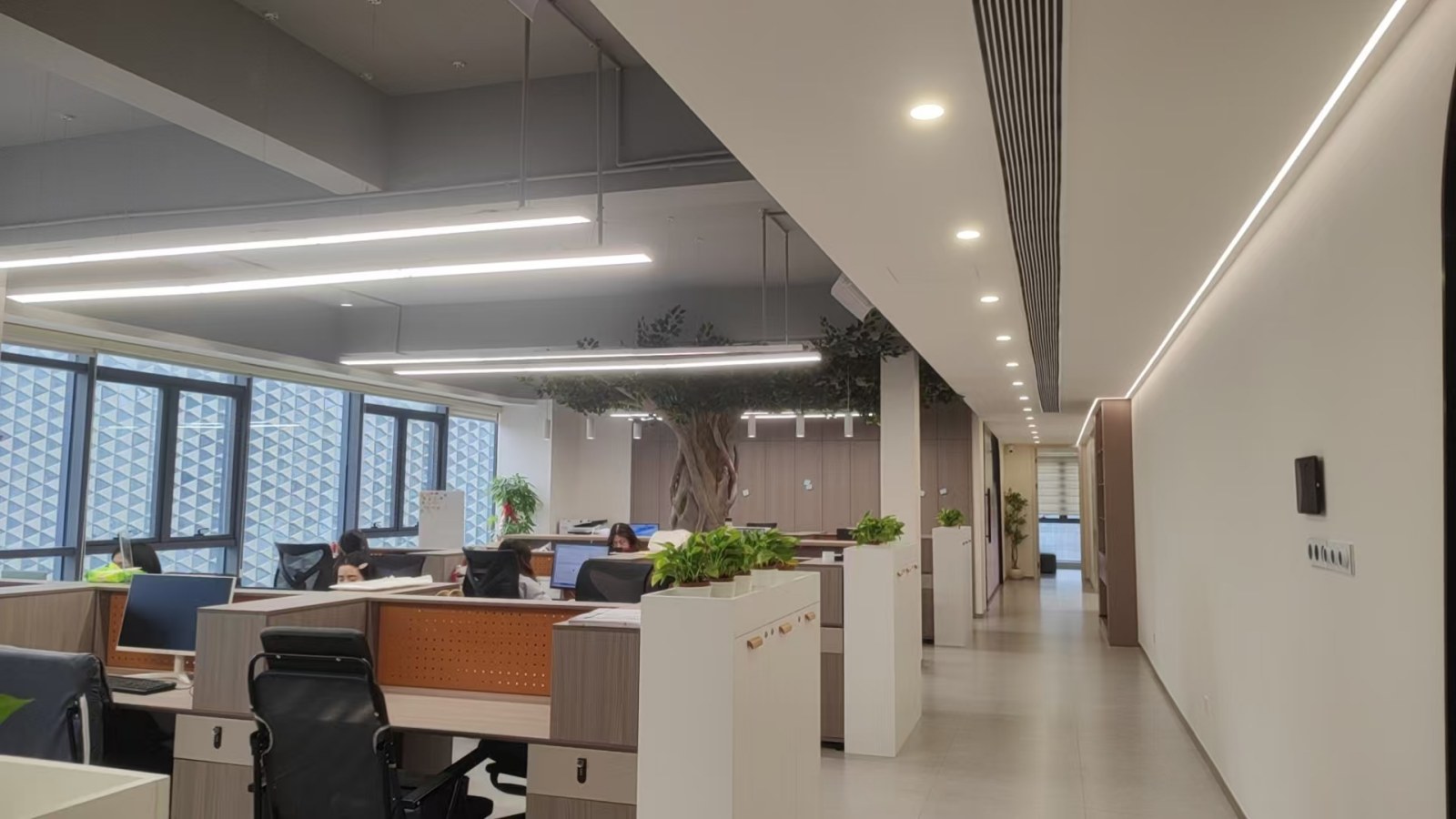
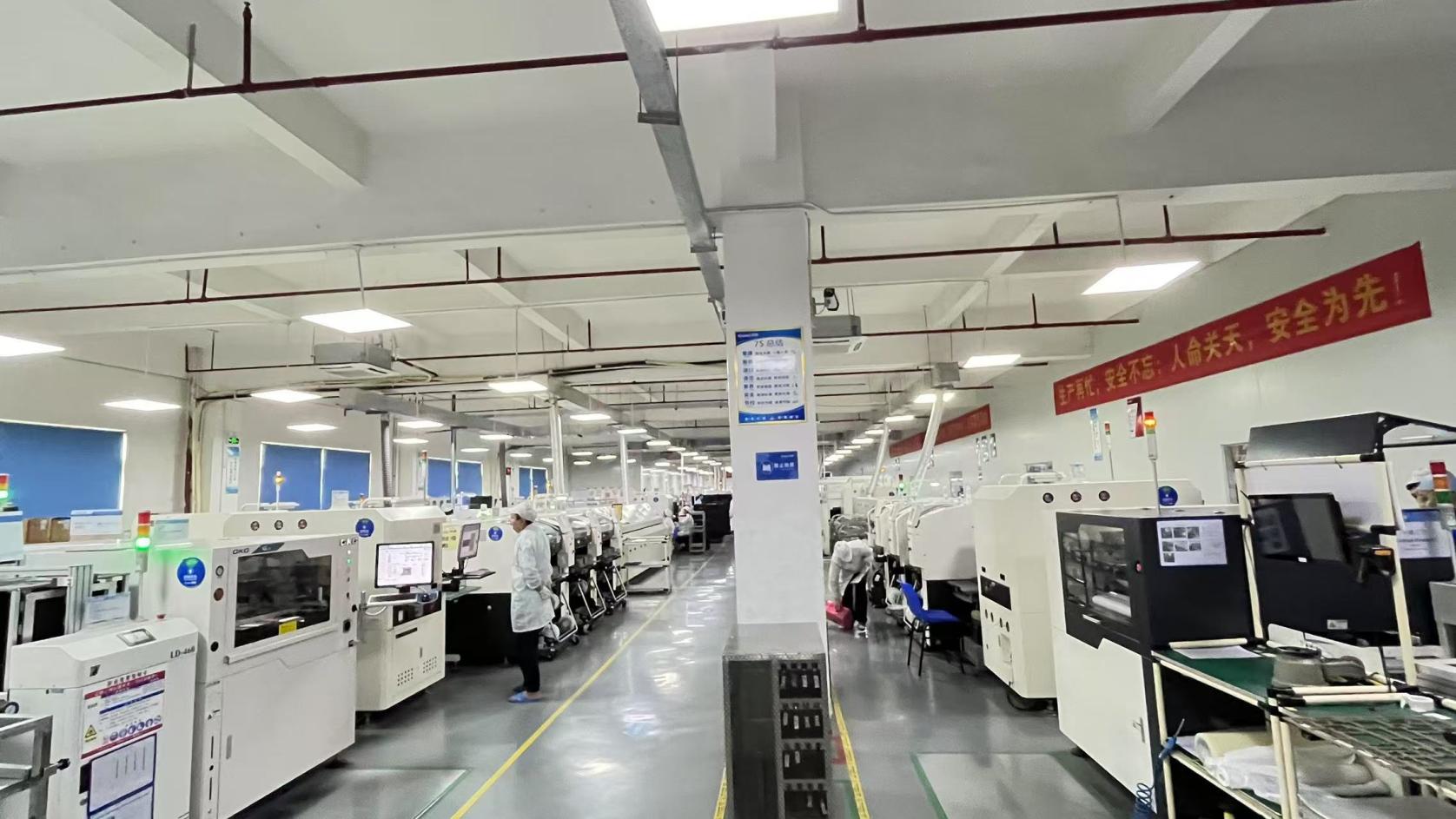
Established in 2016, the company has developed strong manufacturing and engineering capabilities over the years. With a modern production facility covering approximately 320㎡, Vorynex focuses on delivering stable, high-speed, and energy-efficient memory solutions for gaming, industrial, and enterprise applications.
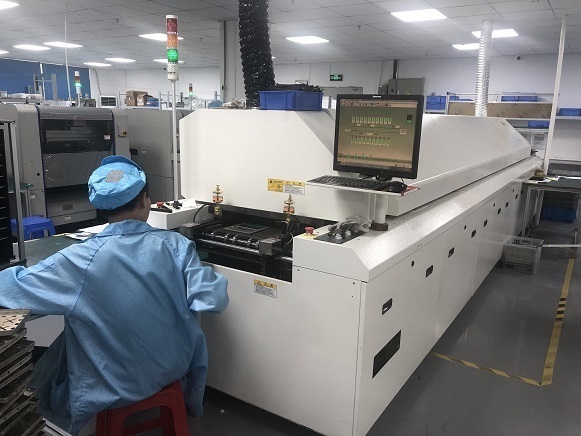
Vorynex maintains strict quality control standards, including 100% functional testing, aging tests, compatibility testing, and high-temperature stress testing. Product inspection methods include automated optical inspection (AOI), in-circuit testing (ICT), and final system-level validation. The quality assurance team consists of approximately 45 professional QC staff ensuring consistent product reliability.
With a strong international trade background, Vorynex serves key markets including North America, Europe, Southeast Asia, the Middle East, and South America. The company collaborates with more than 1,200 supply chain partners, enabling stable sourcing of high-quality DRAM chips and components.
Its primary customer base includes brand distributors, system integrators, industrial equipment manufacturers, and gaming hardware companies. Vorynex also has strong R&D capabilities, supported by a team of approximately 180 R&D engineers, focusing on memory architecture optimization, compatibility enhancement, and thermal performance improvement.
Customization is fully supported, including frequency tuning, PCB design customization, heat sink design, branding (private label), and firmware optimization. In the past year, the company successfully launched around 240 new product models, covering DDR4, DDR5, and specialized industrial memory solutions.

How aluminum-backed substrates solve real-world problems in high-current power electronics and lighting.
High-current power electronics, such as arc welding motherboards (e.g., ZX7-200/250 series), face intense thermal challenges. Standard PCB laminates can heat up and delaminate under these conditions. By mounting high-heat diodes, IGBTs, and thyristors directly onto aluminum circuit boards, engineers can lower thermal resistance and ensure steady operation under continuous loads.
With high-speed RAM like DDR4 and DDR5 reaching higher frequencies, computing modules require smart cooling strategies. Integrating aluminum backing layers directly into the component housing acts as a thermal spreader. This design choice helps protect memory ICs from overheating and avoids performance throttling during heavy workloads.
High-power outdoor LED arrays rely heavily on aluminum PCBs to maintain their lifespan. Standard LEDs release substantial heat from their junctions. An aluminum core board transfers this heat directly to the outer housing, preventing color shifts and premature LED failure.
Direct answers to the most common engineering and sourcing questions regarding metal-clad PCBs.
The primary difference is thermal performance. FR-4 has a thermal conductivity of roughly 0.25 W/m-K, while aluminum circuit boards offer values between 1.0 W/m-K and 8.0 W/m-K. Aluminum substrates also provide better structural strength and resistance to thermal expansion, though they are typically limited to single-layer or two-layer designs due to manufacturing constraints.
We primarily use 5052 and 6061 aluminum alloys. The 5052 alloy is chosen for its excellent heat dissipation properties and ease of fabrication, while the 6061 alloy provides higher tensile strength and structural rigidity, making it suitable for aerospace and heavy industrial use.
Yes, but standard wave soldering must be adjusted. Because the aluminum base rapidly transfers heat away from the soldering points, reflow temperatures and profiles must be carefully managed to ensure reliable solder joints without overheating the active components or components like DDR4/DDR5 chips.
We run strict Hi-Pot (High Potential) isolation checks. This test applies high voltage between the copper circuit layers and the aluminum base plate to confirm the thin dielectric isolation layer can withstand potential voltage surges without electrical breakdown.
Explore our range of high-density memory modules, industrial RAM chips, and integrated computer motherboards.
 Vorynex