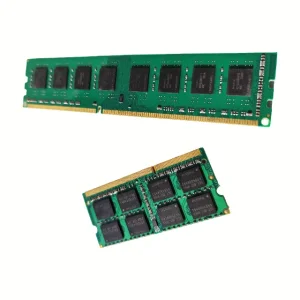
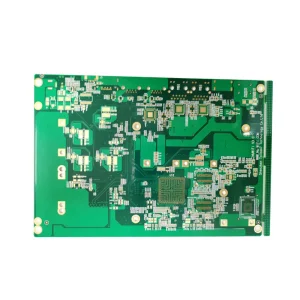
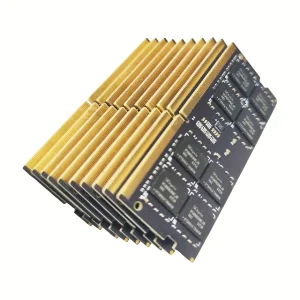
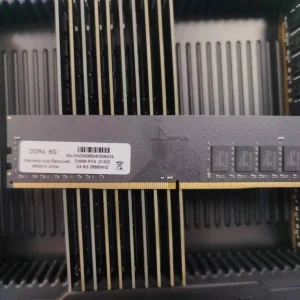
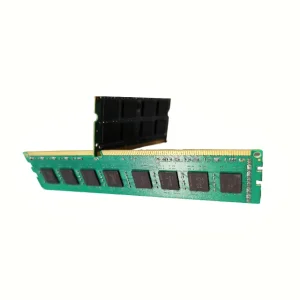
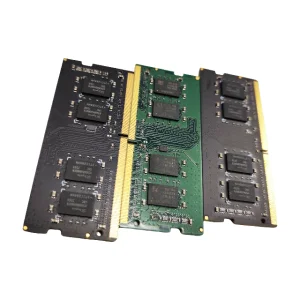
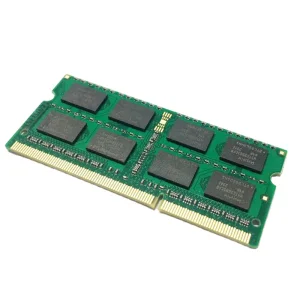
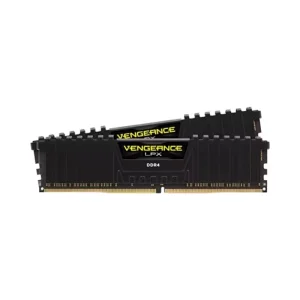
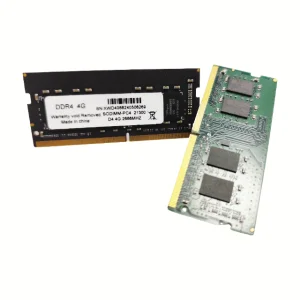
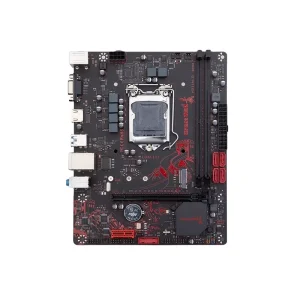
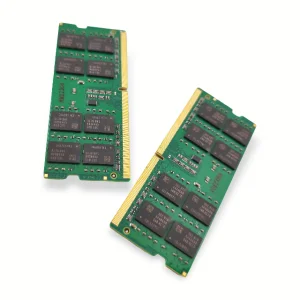
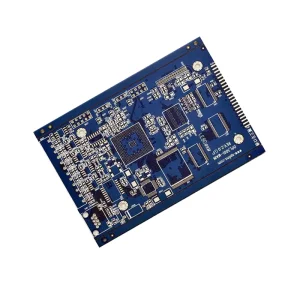
The hardware foundations of telemetry and intelligent processing. Explore our core high-speed components.
The global industrial ecosystem is undergoing an unprecedented digital transition. Legacy sensing architectures, which relied purely on raw analog telemetry transmission to centralized servers, are yielding to Smart Sensors. Modern systems require sensors to not only record physical anomalies (such as thermal expansion, high-frequency vibration, or pressure variations) but to perform real-time data filtering, digital conversion, and edge processing.
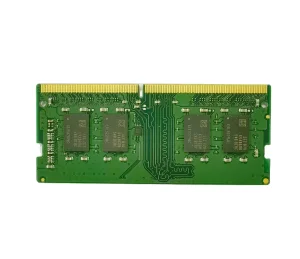
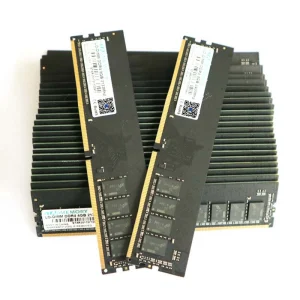
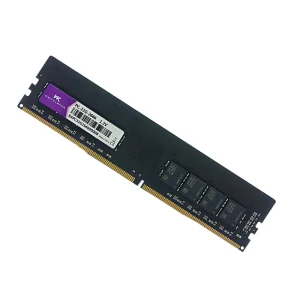
As industrial automation, IoT-driven predictive maintenance, and automotive computing scale, the local memory and micro-processing subsystem of the sensor becomes the determining factor in signal fidelity. High-capacity, robust DDR4 and DDR5 memory modules, alongside high-precision multilayer PCBA assemblies, provide the computation cache required for local DSP (Digital Signal Processing) and TinyML (Micro Machine Learning) models directly on the sensor node.
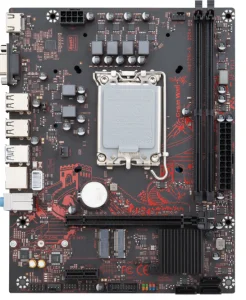
Through the synthesis of advanced SMT component placement, tight-tolerance signal routing, and ruggedized memory controllers, next-generation smart sensors maintain peak operational bandwidth. Global procurement strategies are shifting towards integrated OEM solutions capable of supplying unified sensing, processing, and memory boards from a single verified manufacturer.
A true smart sensor operates via four distinct hardware layers:
Vorynex Memory Technology (China) Co., Ltd. brings enterprise-grade memory and PCBA manufacturing expertise to the global OEM Smart Sensor market.
Vorynex Memory Technology (China) Co., Ltd. is a leading DDR5/DDR4 manufacturer and OEM/ODM solution provider specializing in high-performance memory modules and integrated SMT sensor architectures. With an established footprint since 2016 and engineering expertise spanning over 12 years in semiconductor integration, we provide high-reliability solutions for industrial automation, gaming, server infrastructures, and custom sensor gateways.
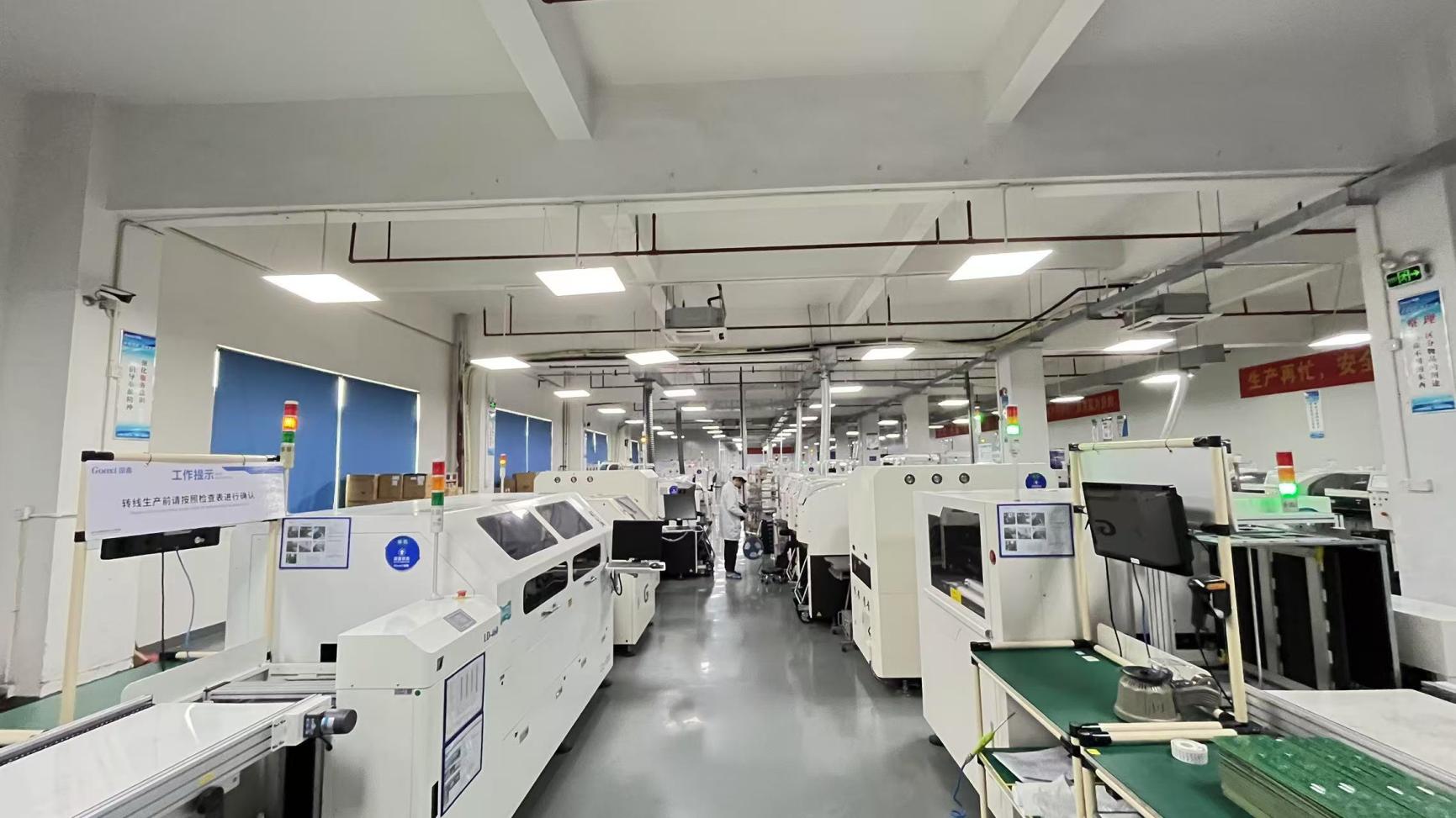
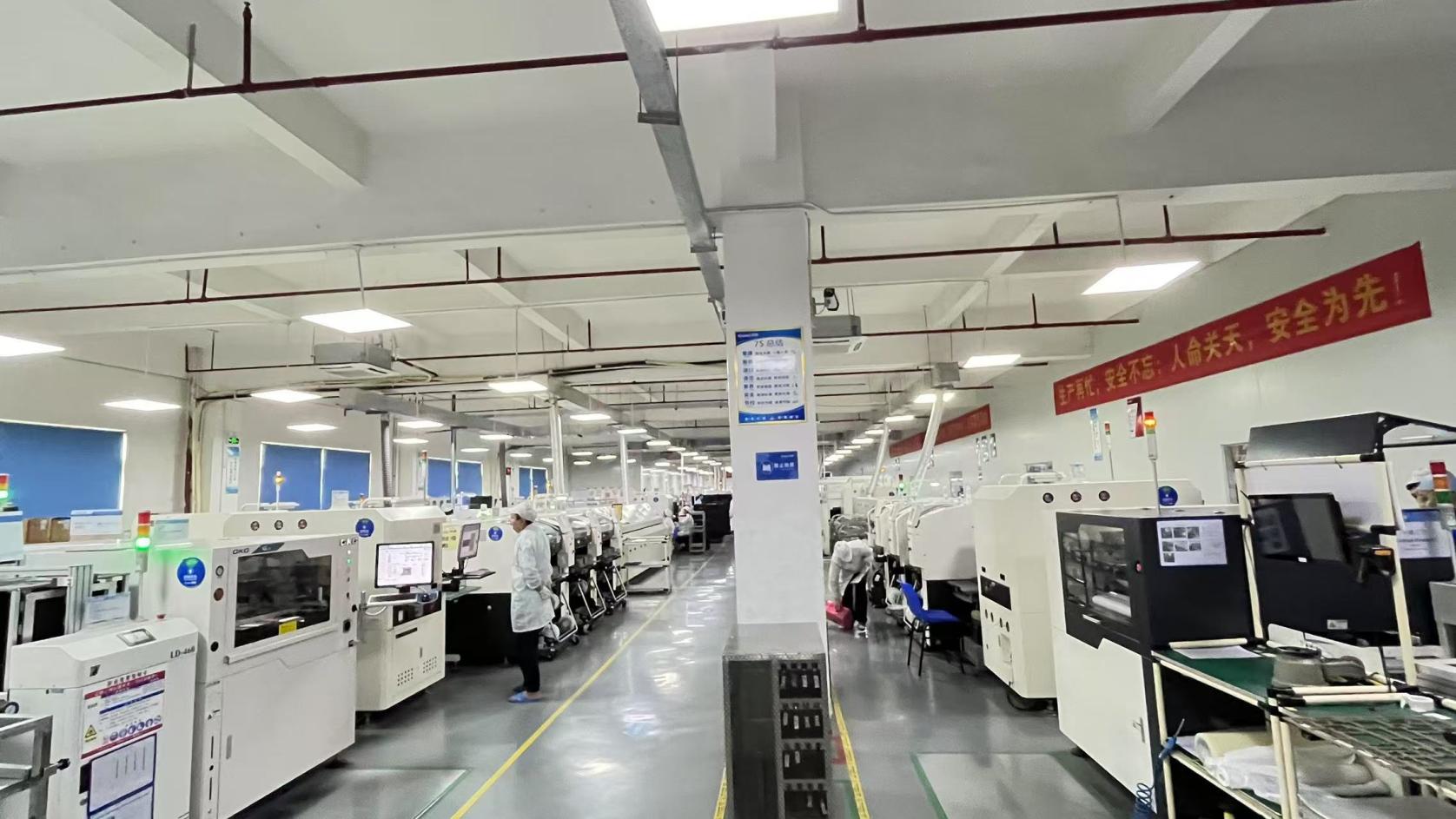
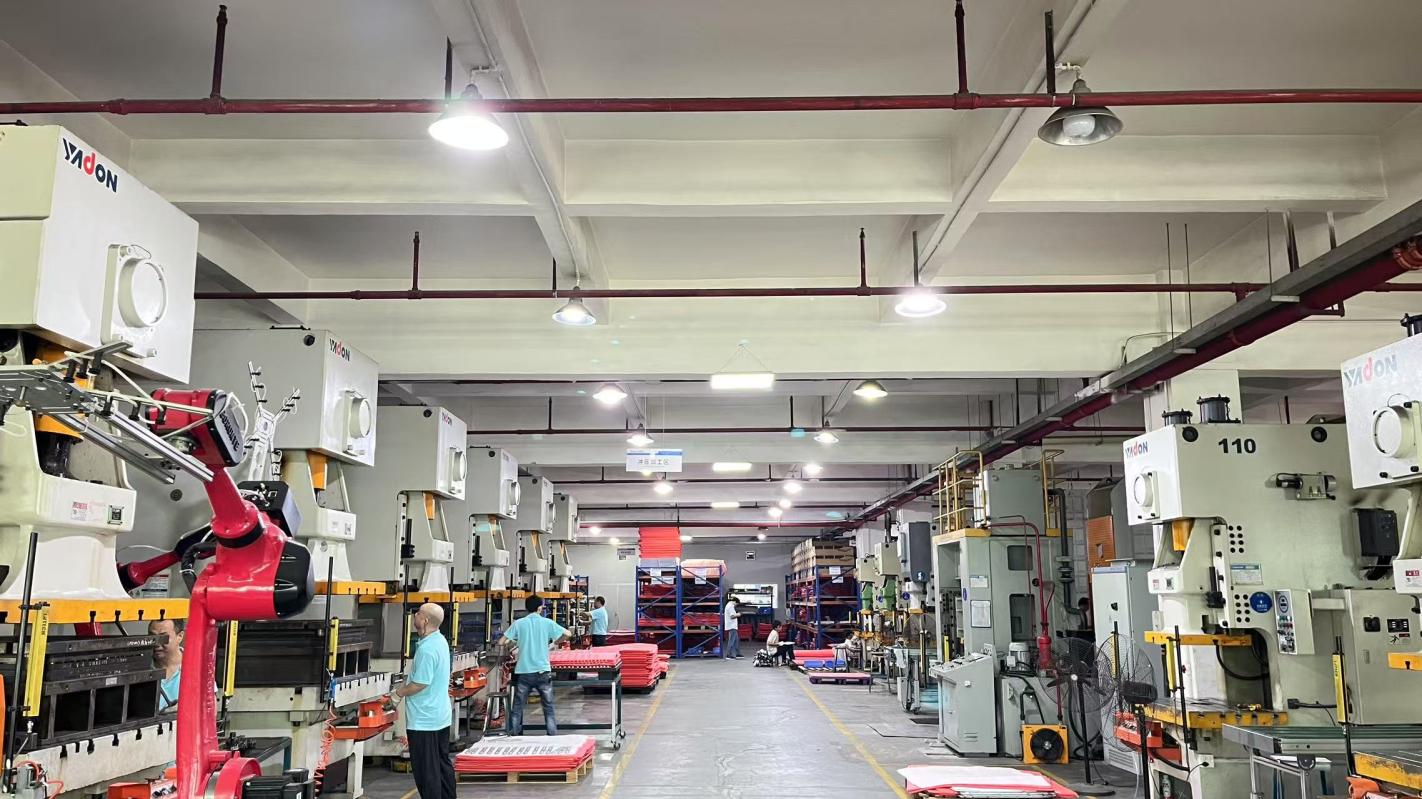
Operating a modernized, highly-efficient production facility of 320㎡ optimized for high-mix, precision SMT assembly, we maintain a collaborative ecosystem containing over 1,200 supply chain partners. This massive network enables us to secure premium-grade DRAM components, advanced PCBs, and specialized microcontrollers even during tight global supply cycles.
Our R&D division, featuring approximately 180 experienced engineers, is dedicated to solving complex integration bottlenecks, including signal integrity optimization, heat sink thermal modeling, specialized PCB architecture design, and firmware tuning. In the past year alone, our team successfully deployed 240 new product designs, including DDR4, DDR5, and specialized industrial memory storage configurations engineered for smart IoT sensor hubs.

Why worldwide industrial enterprises trust China-based fabrication for custom sensor and memory modules.
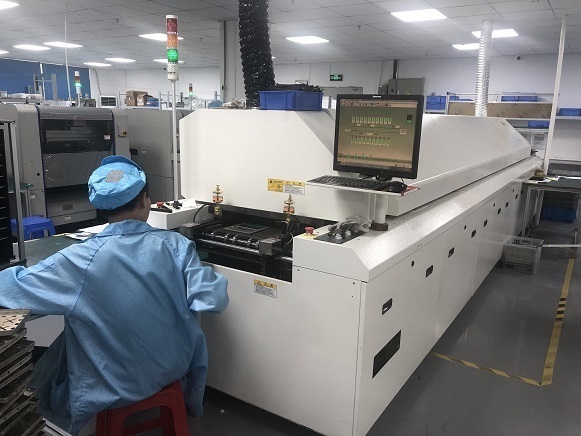
Our state-of-the-art placement machines process ultra-miniaturized passive components (down to 0201 packages) onto high-density PCB layouts, ensuring compact smart sensor designs remain thermal-efficient and mechanically robust.
With more than 1,200 local raw-material and silicon suppliers, we eliminate procurement latency. We source certified original DRAM, high-Tg PCBs, and protective potting compounds at unmatched cost efficiency.
Our rapid SMT tooling methodologies compress the path from CAD schema to pilot runs. We transition customized smart sensor configurations or specialized DDR modules to industrial-scale production in days instead of weeks.
How our custom OEM sensor modules and memory boards solve critical reliability issues across different industries.
The Challenge: High levels of electromagnetic interference (EMI) and constant physical vibrations trigger bit-flips in sensor telemetry caches, leading to system failure.
Our Solution: Integrates dedicated industrial-grade ECC DDR4 memory modules paired with robust multilayer SMT shielding. The ECC architecture detects and corrects single-bit memory faults in real-time, maintaining uninterrupted telemetry flow to programmable logic controllers (PLCs).
The Challenge: High thermal environments inside power inverters degrade component life and cause signal drift in WiFi/telemetry sensor PCBs.
Our Solution: Custom-developed PCBAs built with high-Tg (glass transition temperature) laminates, coupled with automated DIP assembly. These boards support custom heat sinks and specialized thermal paste configurations to operate flawlessly in ambient temperatures exceeding 85°C.
The Challenge: High-bandwidth sensing nodes (such as LiDAR and radar arrays) require massive data buffering capabilities with zero frame drop.
Our Solution: Custom DDR5 memory sub-modules optimized for automotive temperature profiles, featuring ultra-fast bandwidths to support real-time point-cloud rendering and object classification calculations at the edge.
The Challenge: Extreme weather fluctuation, moisture ingress, and remote locations require long-life, maintenance-free operation.
Our Solution: Smart sensor logic boards built with high-durability memory components, utilizing selective conformal coating processes. This protects the active circuitry against humidity, salt spray, and dust particles.
Vorynex operates rigorous testing frameworks to guarantee 100% field reliability of memory and custom sensor modules.
Every single PCB assembly undergoes high-resolution Automated Optical Inspection (AOI) and In-Circuit Testing (ICT) to catch component misalignment, solder bridges, or electrical open circuits prior to shipment.
To eliminate early infant-mortality failures of memory chips and logic units, we employ thermal chamber baking and continuous high-temperature burn-in tests simulating extreme operating environments.
We execute hardware-in-the-loop (HIL) testing, placing modules in real-world host environments (servers, custom motherboards, industrial gateways) to verify firmware handshakes and cross-platform compatibility.
Our quality department is staffed by over 45 specialized quality inspectors. By managing every verification stage in-house—from DRAM incoming wafer tests to final system validation—we achieve consistent electrical parameters across high-volume production orders. This rigorous framework forms the backbone of our global distribution agreements in North America, Europe, and Southeast Asia.
As the smart sensor industry transitions towards decentralized intelligence, global procurement managers are adopting modern hardware criteria. Standard industrial buyers no longer evaluate component cost alone. The total cost of ownership (TCO), mean time between failures (MTBF), long-term component availability, and customization support are now the key decision drivers.
Moreover, the migration from legacy DDR3 architectures to DDR4 and DDR5 memory in smart gateways is accelerating. Designers require larger data pipelines to manage multi-sensor data fusion. Vorynex’s custom manufacturing directly answers this need, providing custom PCB dimensioning, firmware level tuning, and specific speed and latency matching.
Sustainability and regulatory compliance are also critical. Global enterprises require compliance with RoHS and REACH standards alongside clear component traceabilities. Vorynex ensures all raw materials are sustainably sourced and fully certified for international border clearances.
We offer full support for hardware alterations:
Expert technical insights regarding components integration, production capacities, and reliability testing.
High-performance components designed to support edge data acquisition, server storage, and automated computing architectures.
 Vorynex