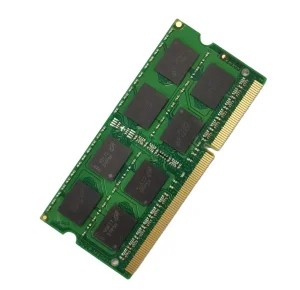
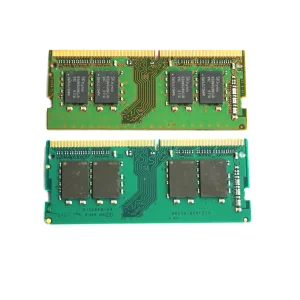
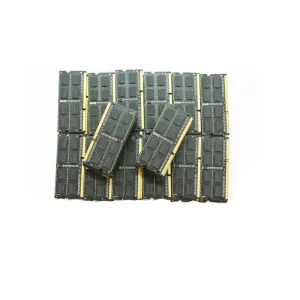
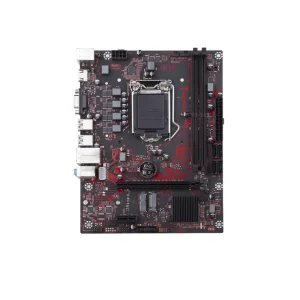
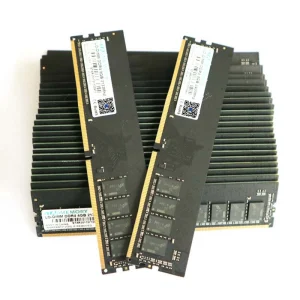
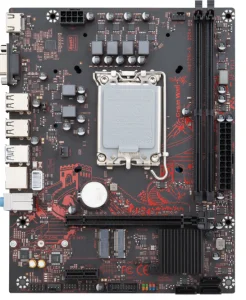
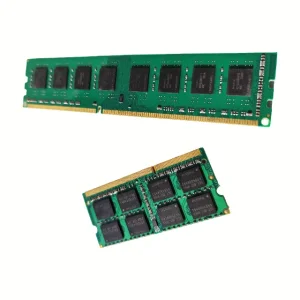
Empowering Global Data Centers, Enterprise Networks, and Cloud Infrastructure with High-Reliability Memory Modules, Performance Processing Hardware, and Bespoke Thermal Architectures.
Direct factory supply of high-performance server memory, motherboard arrays, and precision cooling architectures.
In the era of hyper-scale computing, high-frequency algorithmic trading, and AI-driven data pipelines, the requirements for server infrastructure have shifted from simple commodity hardware to tightly integrated, application-specific systems. Original Equipment Manufacturers (OEMs) and developers need direct routes to factories that can build hardware matching exact thermal, voltage, and memory timing envelopes.
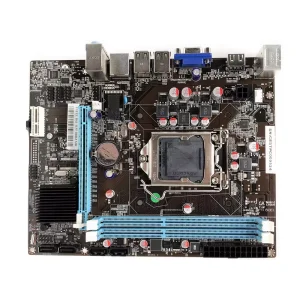
As semantic search optimization and modern enterprise sourcing strategies demonstrate, procurement professionals are no longer seeking generic parts. They seek systematic reliability: motherboards engineered for specific Intel Xeon or AMD EPYC thermal envelopes, memory configurations built to resist high-temperature degradation, and global shipping pipelines that mitigate supply chain blockages. Understanding this shifts the priority to manufacturers who provide end-to-end design, rigorous mechanical testing, and direct component sourcing.
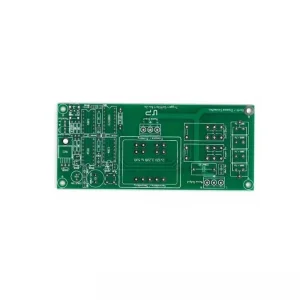
A primary bottleneck in continuous cloud compute matrices is thermal throttling and voltage instability on DRAM registers. For instance, high-speed DDR4 and next-generation DDR5 memory modules function in compact board spacing, facing ambient heat loads generated by multi-core CPUs drawing upwards of 350W TDP. By coordinating directly with custom OEM server factories, enterprises can integrate specialized heat spreaders, specify double-sided layout traces, and dictate copper weights (up to 2oz or higher) within multilayer PCBs to optimize heat dissipation and prevent circuit degradation.
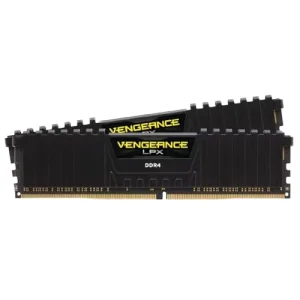
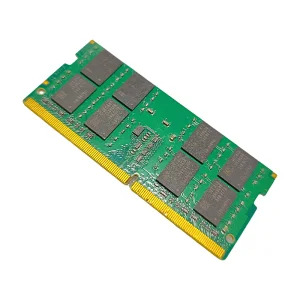
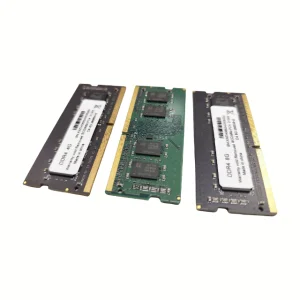
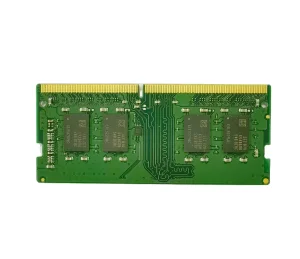
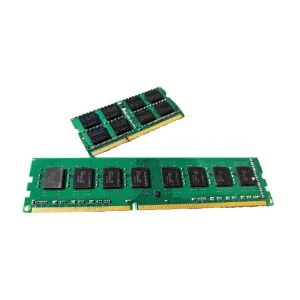
Established in 2016, Vorynex Memory Technology (China) Co., Ltd. is a professional DDR5/DDR4 memory manufacturer and OEM/ODM solution provider specializing in high-performance memory modules for global markets.
Operating an advanced engineering cluster centered around a high-precision testing facility covering approximately 320㎡. Vorynex focuses on delivering stable, high-speed, and energy-efficient memory solutions for gaming, industrial, and enterprise applications.
With 6 years of export experience and over 12 years of industry experience in memory and semiconductor-related fields, the company achieves an annual export revenue of approximately USD 12 million, maintaining strict delivery pipelines worldwide.
Supported by 45 professional QC staff, Vorynex enforces a strict quality control matrix: 100% functional testing, thermal stress runs, compatibility sweeps, automated optical inspection (AOI), in-circuit testing (ICT), and final system validation.
Vorynex collaborates with more than 1,200 supply chain partners, enabling stable sourcing of high-quality DRAM chips and components. A strong R&D team consisting of approximately 180 engineers focuses on memory architecture optimization, compatibility enhancement, and thermal performance improvement. In the past year, the company launched around 240 new product models, covering DDR4, DDR5, and specialized industrial memory solutions.
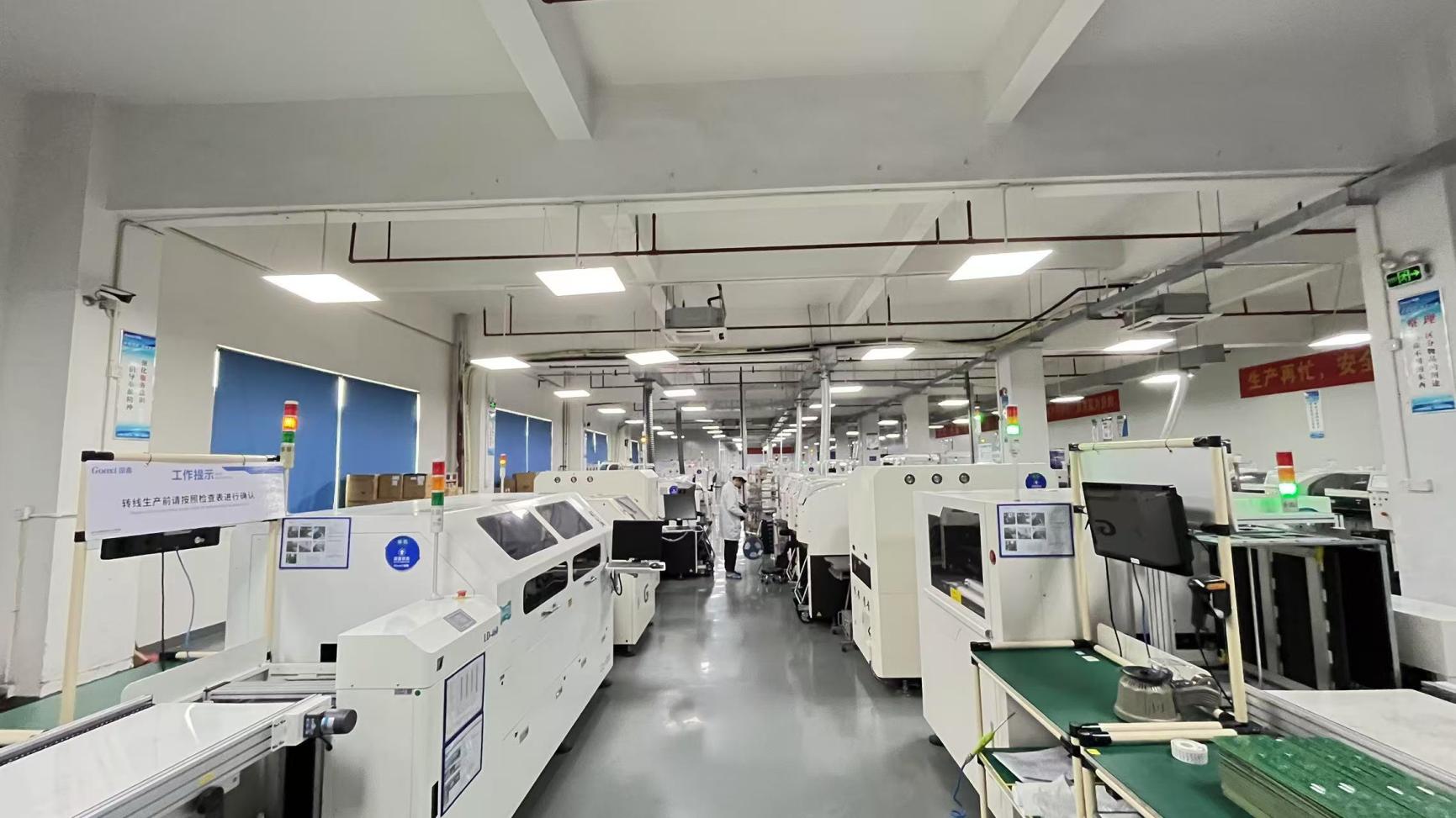
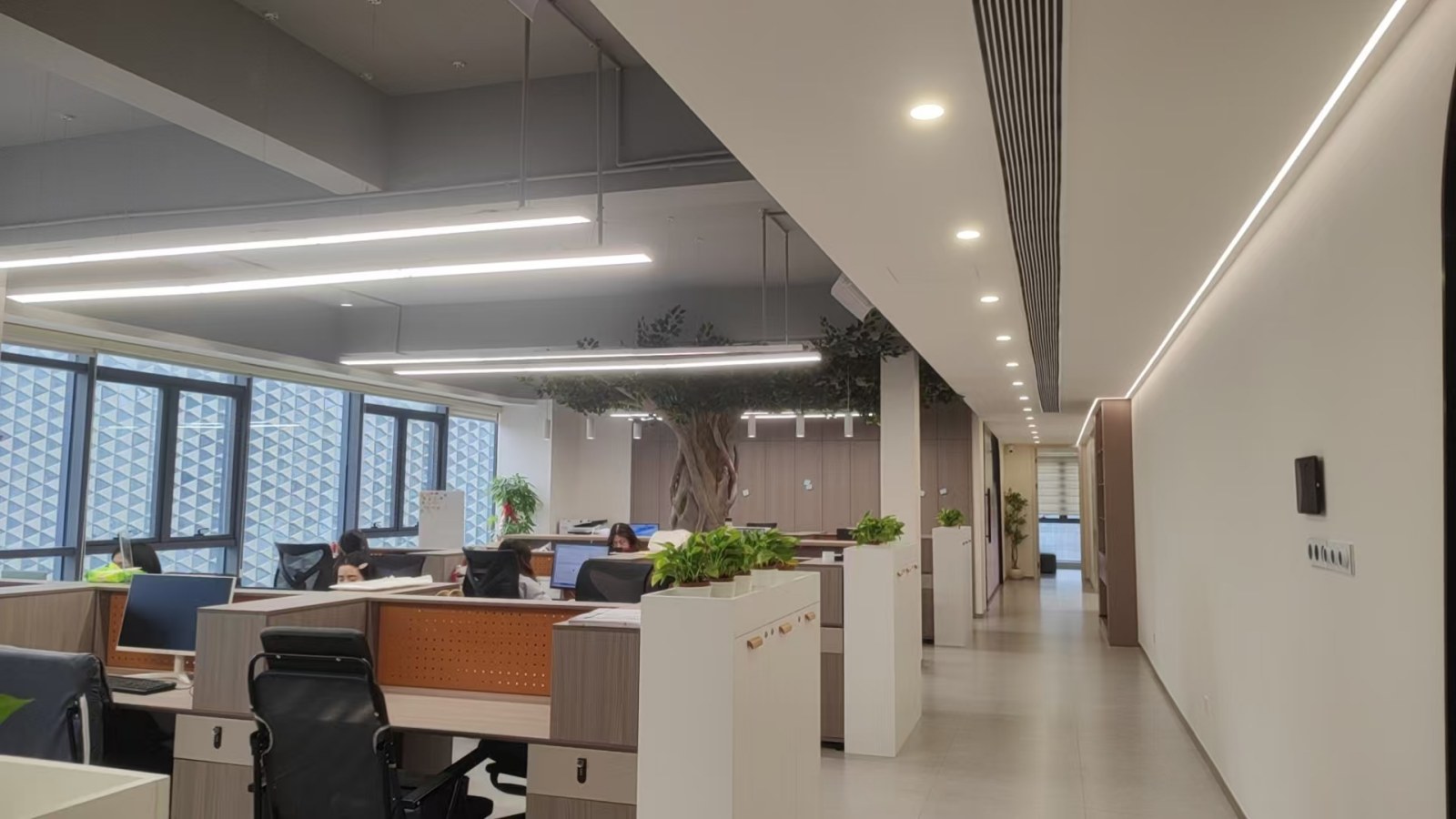
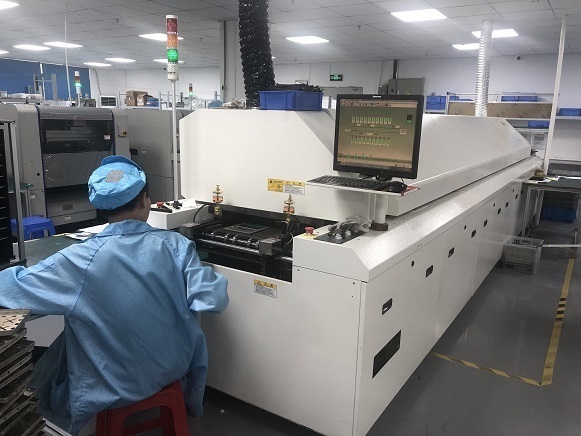
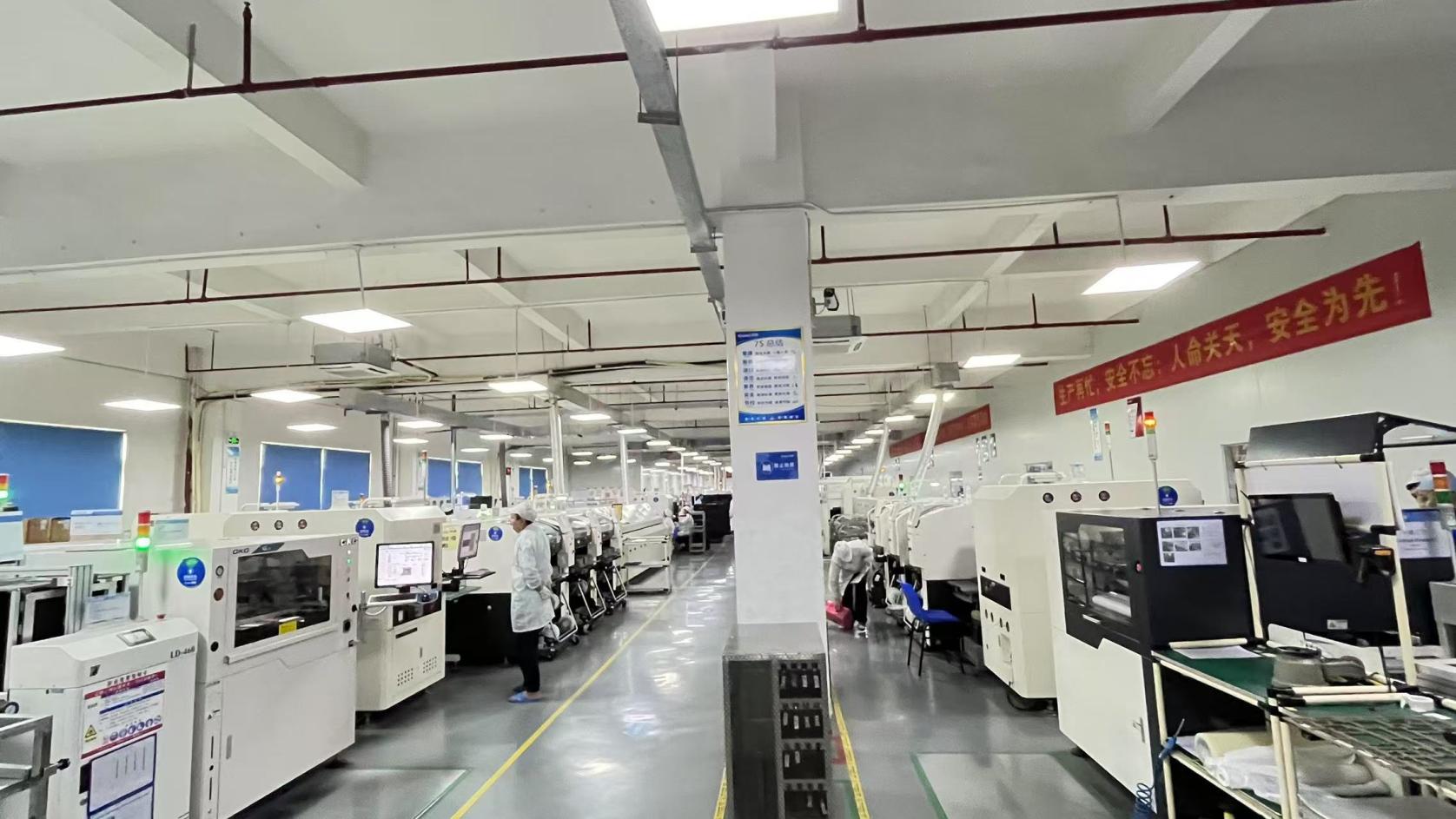
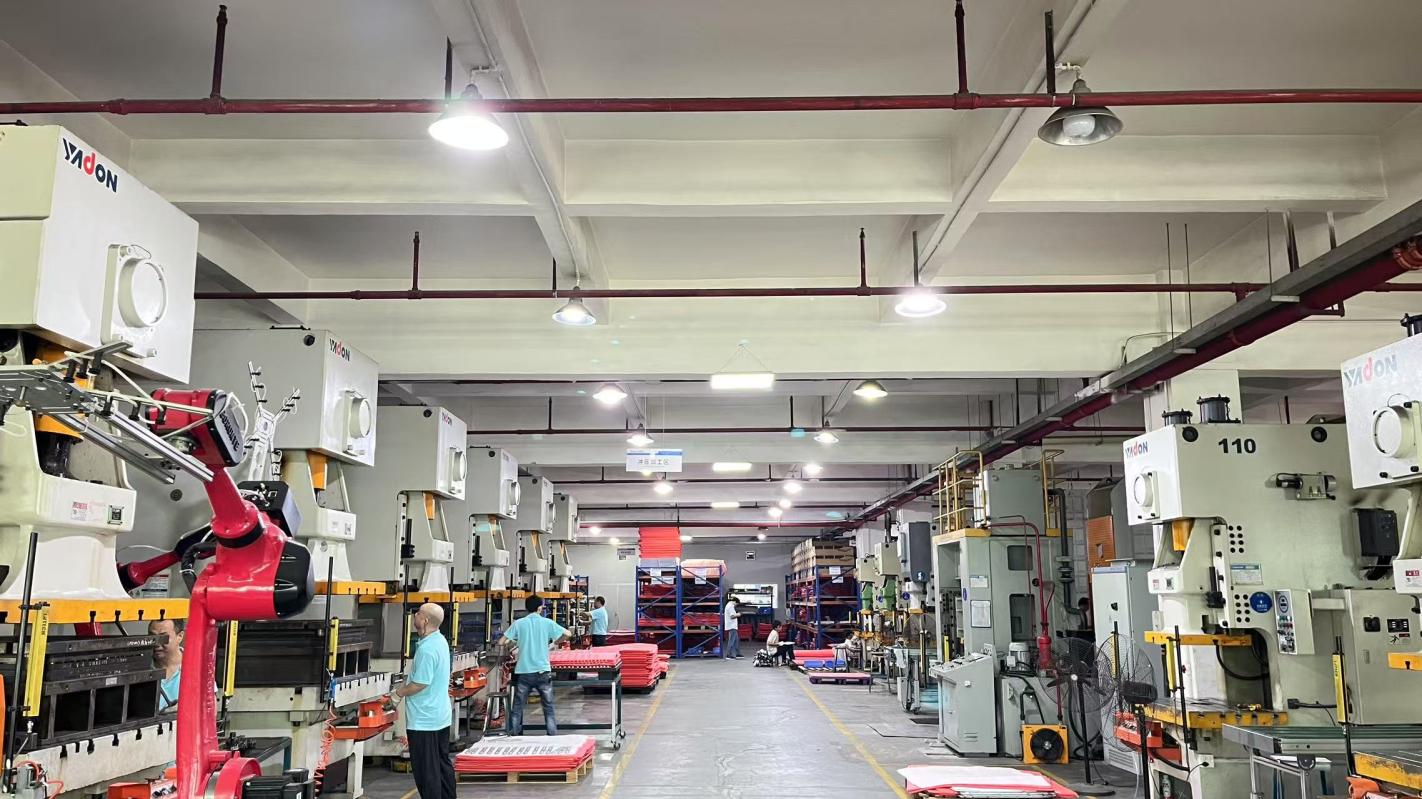
The manufacturing cluster of southern China, particularly within Shenzhen and the Greater Bay Area, offers deep supply chain density for server infrastructure components. This is not simply a matter of cost reduction; it is an integration ecosystem. Factories like Vorynex manage raw substrate sourcing, high-speed SMT placement lines, high-frequency testing equipment, and customs compliance hubs within a tight geographical area.
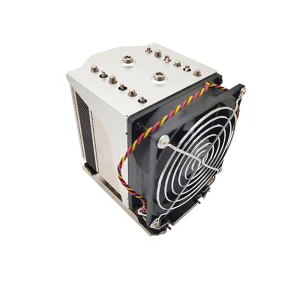
This density drastically shortens the R&D cycle. When a cloud architect requests a specific PCB modification for high-speed signal tracing or asks for custom-profile heatsinks (such as the 320W LGA4189 architecture), prototypes can be routed, manufactured, and physically tested in days rather than months. Access to the global semiconductor supply chain is maintained by deep contracts with tier-one DRAM chip providers, ensuring steady allocation of silicon even during market shortages.
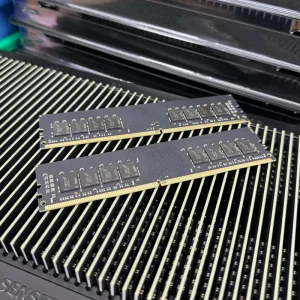
The transition from DDR4 to DDR5 is the dominant trend in data center architecture today. DDR5 brings structural enhancements, moving the Power Management Integrated Circuit (PMIC) from the motherboard directly onto the memory module itself. This allows for cleaner power delivery, reduced noise margins, and a dual 32-bit sub-channel design that maximizes multi-core CPU utilization.
At the same time, computing densities are increasing. The rise of machine learning models requires massive processing nodes. This demands motherboards that can maintain structural integrity under persistent high thermal stress, and cooling modules that prevent thermal throttling. 4U and 6U copper heat-pipe assemblies with high TDP capacities (like 320W LGA4189 models) are crucial to sustain continuous computing speeds without risking localized damage to the CPU socket.
Custom OEM hardware serves critical roles across diverse regional and industrial markets:
In high-density server racks, standard off-the-shelf RAM modules may lack the specialized thermal profiles or timing adjustments needed for optimal operation. Custom DDR4 and DDR5 ECC RDIMMs, calibrated for specific motherboard chipsets, reduce latency and protect databases from bit-flip errors.
Manufacturing floors feature dust, vibrations, and high temperatures. Sourcing custom boards (such as durable FR4 assemblies) and wide-temperature memory kits guarantees system reliability for PLC arrays, conveyor controls, and real-time processing units.
Esports centers and gaming PC integrators demand custom PCB traces, performance heatsinks, and optimized SPD profiles (XMP/EXPO compatibility) to run games smoothly without stability issues. Overclocked desktop DDR4 and DDR5 kits supply the high bandwidth and low latency required.
Enterprise procurement requires more than just high-performance specs; it demands regulatory compliance, long-term supply guarantees, and solid design verification. Modern OEM factories must provide extensive product testing: ICT (In-Circuit Testing) to check electrical connections, AOI (Automated Optical Inspection) to confirm component placement, and environmental chamber sweeps to test components at extreme temperatures.
Maintaining supply chain consistency is also critical. A server board design must remain consistent over 3 to 5-year lifecycles to avoid costly recertifications for enterprise networks. Factories like Vorynex solve this by establishing long-term agreements with component suppliers and using strict Bill of Materials (BOM) control procedures to lock in hardware revisions.
Technical clarification on server hardware manufacturing, customization, and export supply chain logistics.
Reliable, high-frequency modules and system components direct from the engineering floor.
 Vorynex