The global disinfection landscape is undergoing a structural transition. Legacy gas-discharge mercury lamps, which have dominated germicidal irradiation (UVGI) for decades, are being phased out rapidly under the mandate of the Minamata Convention on Mercury. In their place, solid-state Ultraviolet-C (UVC) Light Emitting Diodes (LEDs) have emerged as the definitive clean technology, providing unprecedented flexibility, environmental safety, and target-specific wavelength design capabilities.
As a leading advanced semiconductor manufacturer, Vorynex Memory Technology (China) Co., Ltd. is at the forefront of this convergence. By cross-applying our 12 years of core expertise in high-frequency semiconductor layout design, multi-layer substrate thermal engineering, and automated inspection methodologies, we deliver next-generation optoelectronic sub-systems and complete industrial UVC LED solutions to buyers worldwide.
China is the global epicenter for optoelectronic and semiconductor packaging innovation. The concentration of upstream material suppliers, midstream packaging factories, and downstream system integration providers creates an unparalleled regional supply chain advantage.
Access to localized MOCVD (Metal-Organic Chemical Vapor Deposition) epitaxial growth capabilities for Aluminum Gallium Nitride (AlGaN) structures ensures a highly stable supply of high-efficiency UVC chips.
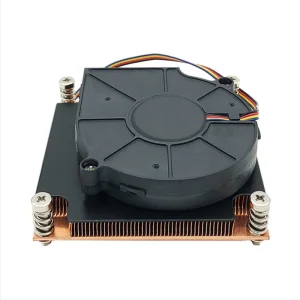
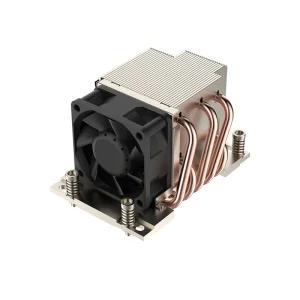
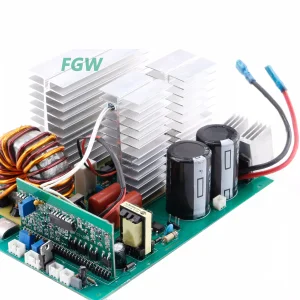
Leveraging deep industrial expertise in multi-layer ceramics, metal-core PCBs (MCPCB), and copper heat sink engineering (similar to server-grade cooling systems) to resolve UVC heat dissipation challenges.
Integrated manufacturing pipelines allow prototype designs to be finalized and manufactured in weeks rather than months, speeding up the time-to-market for global consumer and medical brands.
The next decade of UVC LED advancement is characterized by three core technological trajectories:
Historically, the Wall-Plug Efficiency of UVC LEDs (the ratio of optical output power to electrical input power) hovered around 2% to 5%. Recent breakthroughs in AlGaN material optimization, reflective electrode layers, and high-transmittance encapsulation materials have pushed commercial WPE rates past 6% to 8%, with laboratory milestones exceeding 10%. Higher WPE directly reduces operating temperatures and extends the operating lifespan of the system.
While 260–280nm remains the standard for unoccupied spaces or enclosed fluid systems, 222nm Far-UVC is gaining traction for human-occupied spaces. 222nm radiation cannot penetrate the outer dead-cell layer of human skin or eyes, making it inherently safe for continuous indoor air and surface disinfection while active crowds are present.
UVC light decomposes organic resins over time, meaning conventional plastic LED packages are non-viable. The industry has standardly migrated to inorganic materials, utilizing ceramic submounts paired with quartz glass windows and gold-tin (AuSn) eutectic bonding. This ensures total protection against ambient humidity and degradation from self-radiation.
| Technology Parameter | Legacy Mercury Lamps | Standard UVC LEDs (265-275nm) | Next-Gen Far-UVC (222nm) |
|---|---|---|---|
| Operating Voltage | High Voltage (100V - 220V) | Low DC Voltage (5V - 12V) | Excimer Laser Driven (AC) |
| Toxicity Profile | High (Contains Mercury Vapor) | Zero (Eco-Friendly RoHS Compliant) | Zero (RoHS Compliant) |
| Warm-up Time | 2 - 10 Minutes | Instantaneous (<1 Microsecond) | Instantaneous |
| Form Factor Flexibility | Rigid Glass Tubes (Large Volume) | Micro-Chip Scale (< 3.5mm x 3.5mm) | Moderate to Large Modules |
| Target Dosing Integration | Broad, Omnidirectional | Highly Directional, Smart Sensors | Directional with Optical Filters |
UVC LED modules are not drop-in replacements; they require sophisticated hardware integration. Vorynex collaborates with global system designers to deploy tailored solutions across key industrial and commercial verticals:
Integrated UVC modules are installed directly inside the faucet head or water chamber of residential reverse osmosis (RO) systems. The instant-on/off capability of UVC LEDs ensures that disinfection only occurs when water is flowing, preventing the "hot-water" effect associated with continuously running mercury lamps and saving significant energy.
Modern commercial buildings utilize high-output UVC LED arrays within central air conditioning ducts to continually sterilize recirculated air. By pairing LED drivers with airflow sensors, our clients achieve maximum pathogen reduction (Log 3-4 reduction of airborne viruses) without placing unnecessary thermal loads on the cooling coil units.
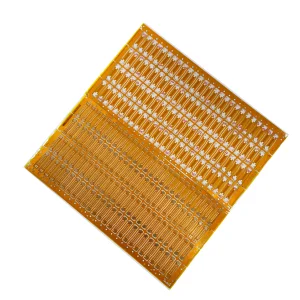
From healthcare sterilizers to self-disinfecting kiosks and public transport handrails, UVC modules are integrated into high-touch surfaces. We configure the optoelectronic boards using highly durable custom PCBs (such as flexible FPC substrates) to allow installation in tight, curved geometries.
Sourcing optoelectronic components at a wholesale scale demands a rigorous verification of the manufacturer's quality control (QC) procedures. Because UVC light is invisible to the human eye, performance testing must be highly quantitative.
For custom ODM projects, global buyers must consider the following factors during their procurement specifications:
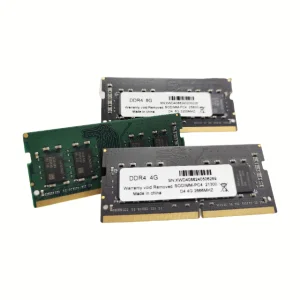
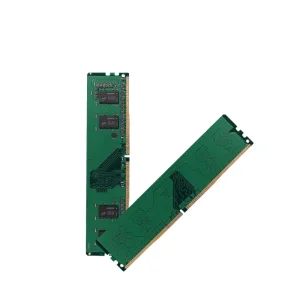
Vorynex Memory Technology (China) Co., Ltd. is a professional DDR5 memory manufacturer and OEM/ODM solution provider specializing in high-performance memory modules and semiconductor sub-assemblies for global markets.
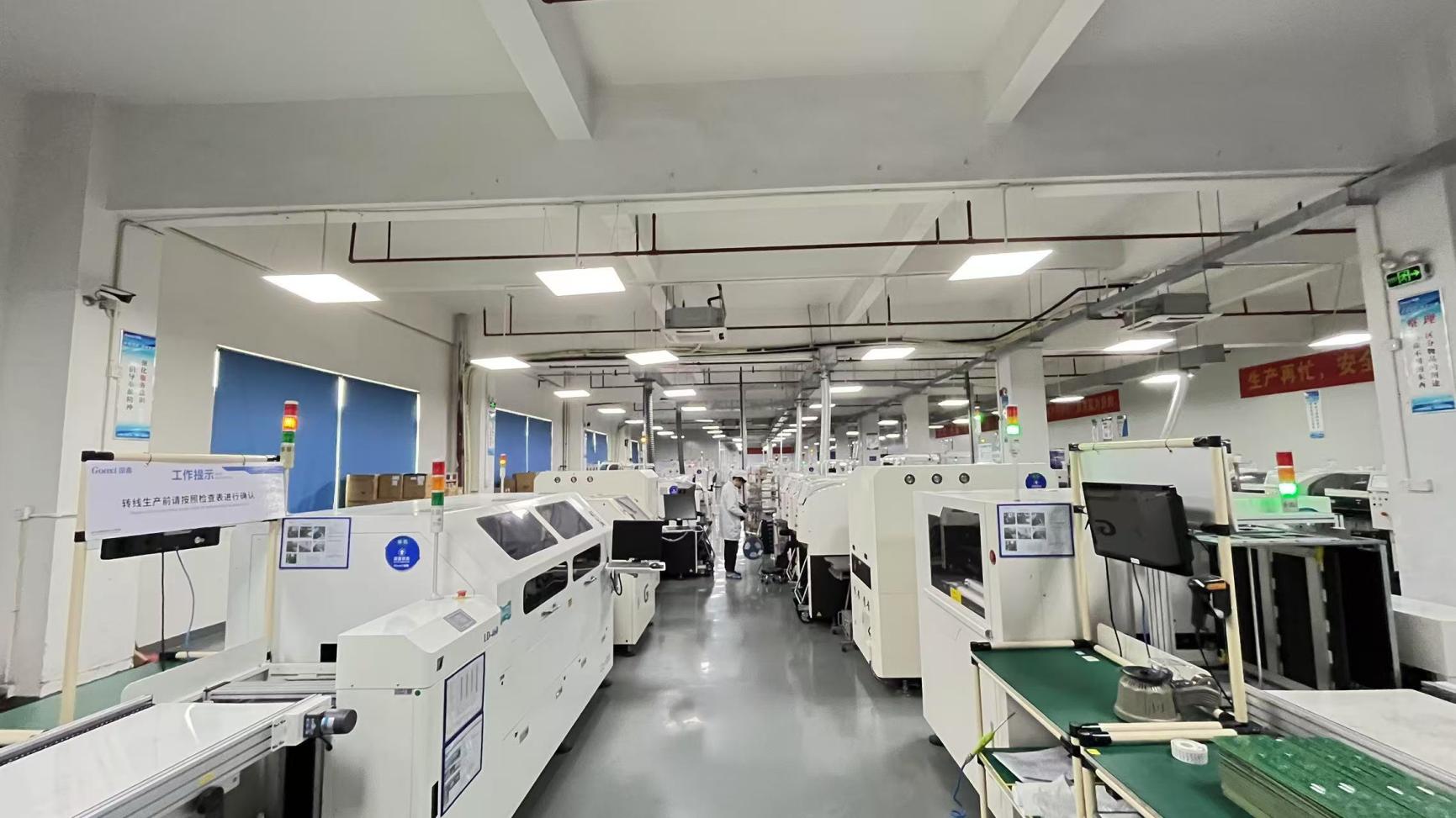
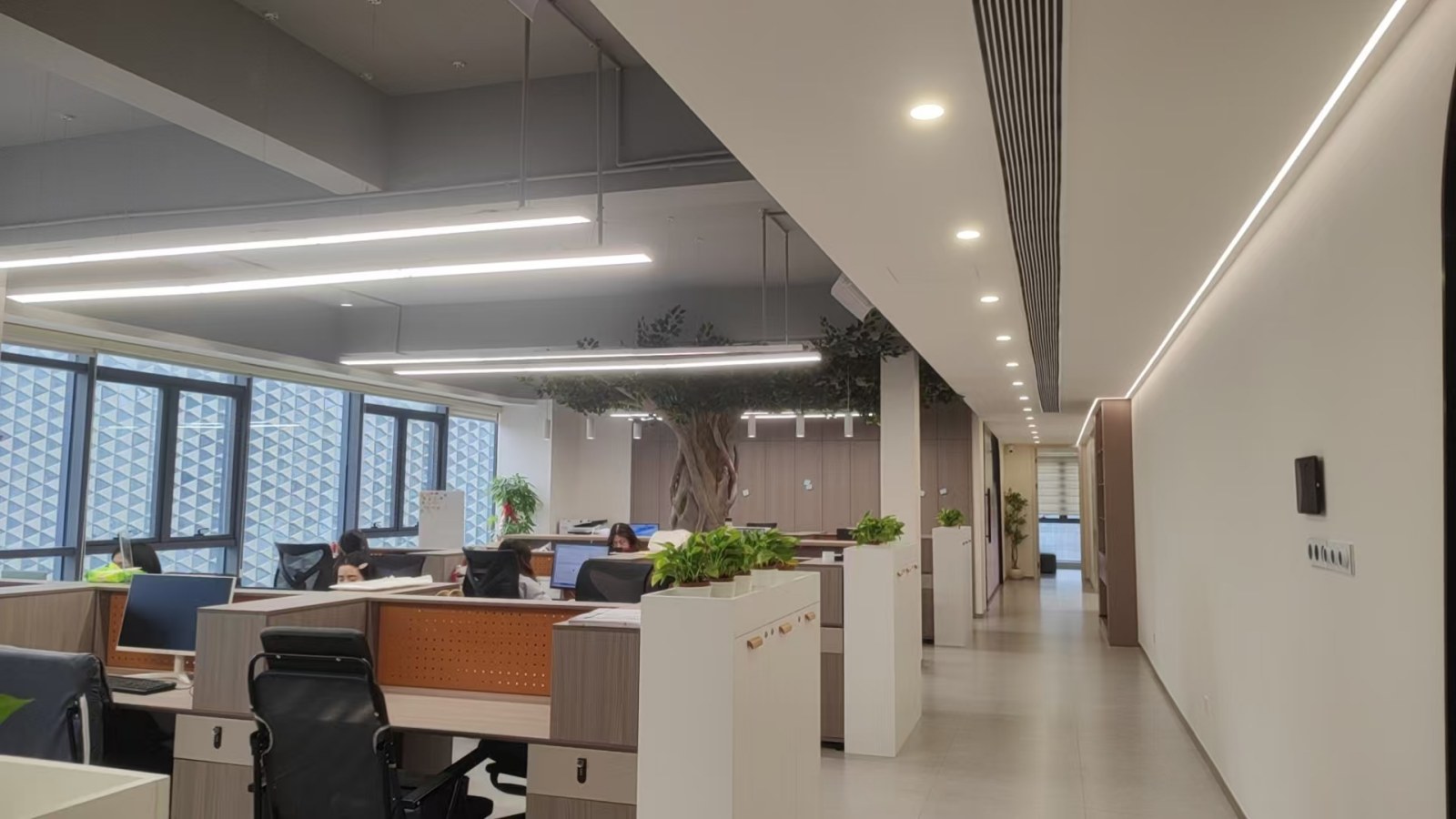
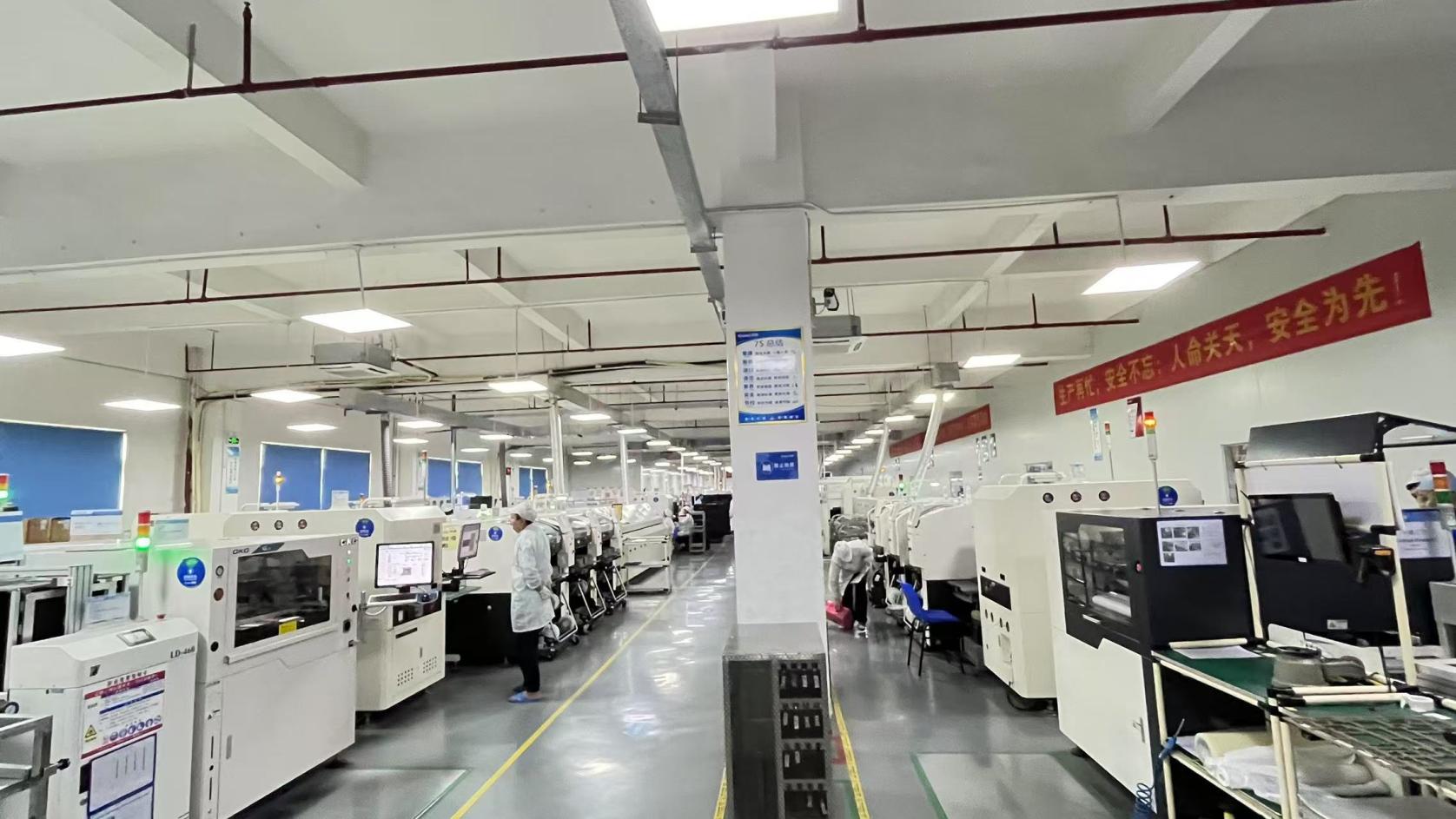
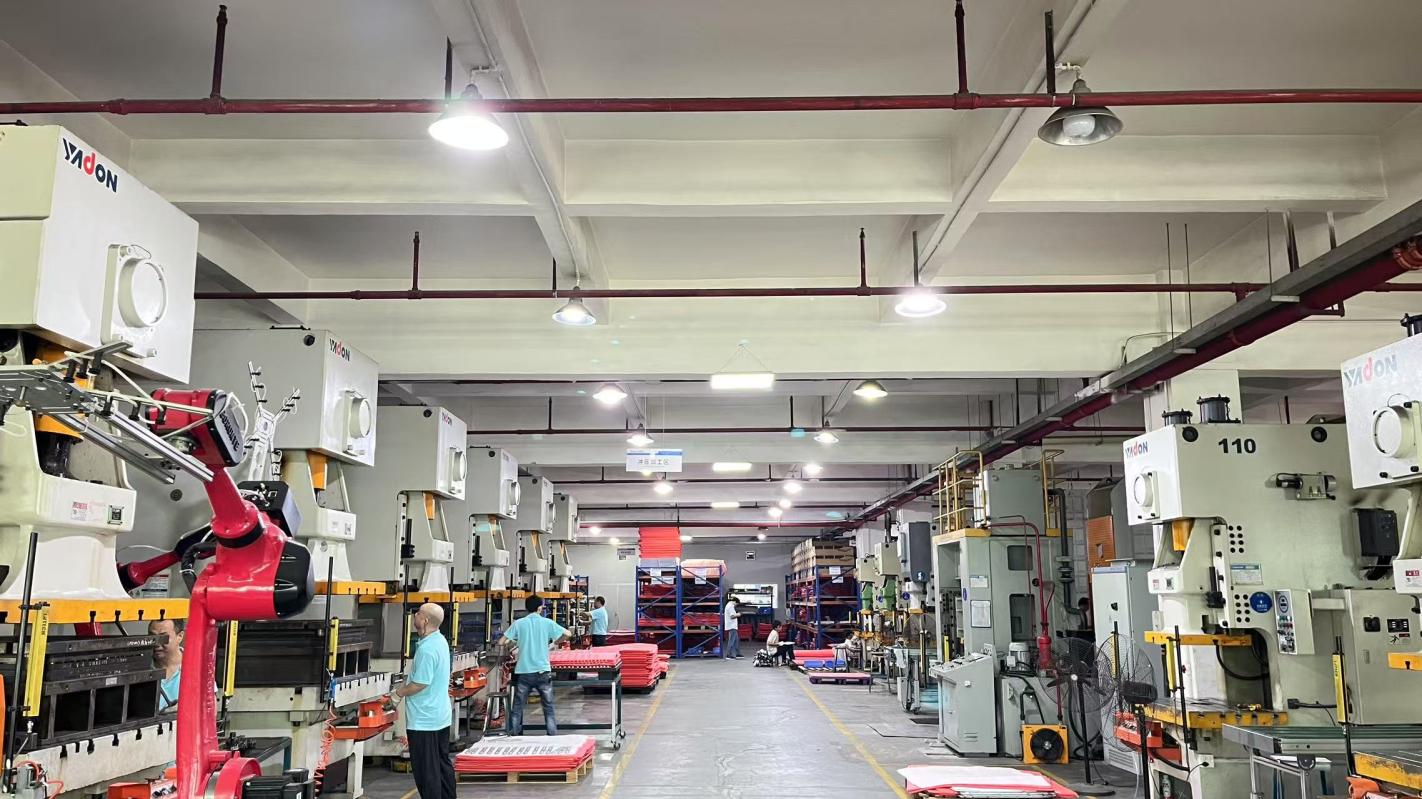
Established in 2016, the company has developed strong manufacturing and engineering capabilities over the years. With a modern production facility covering approximately 320㎡, Vorynex focuses on delivering stable, high-speed, and energy-efficient hardware solutions for gaming, industrial, and enterprise applications. By leveraging standard DRAM packaging methodologies and expanding into advanced optoelectronic thermal substrate assemblies, Vorynex bridges the gap between memory processing power and solid-state UVC LED reliability.
The company has achieved an annual export revenue of approximately USD 12 million, supported by 6 years of export experience and over 12 years of industry experience in memory and semiconductor-related fields.
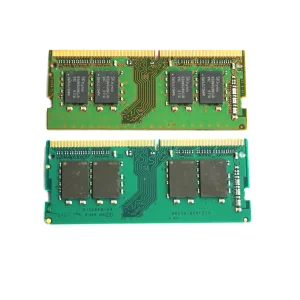
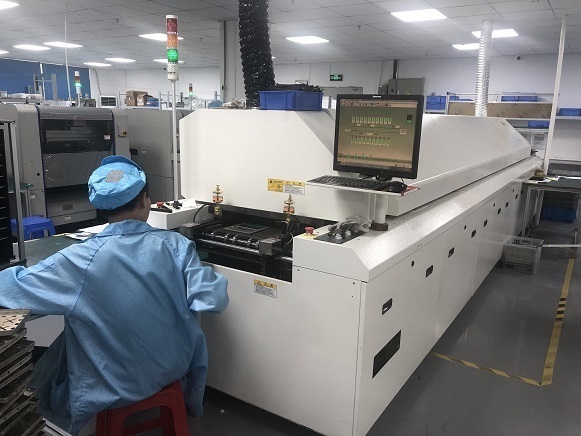
Vorynex maintains strict quality control standards, including 100% functional testing, aging tests, compatibility testing, and high-temperature stress testing. Product inspection methods include automated optical inspection (AOI), in-circuit testing (ICT), and final system-level validation. The quality assurance team consists of approximately 45 professional QC staff ensuring consistent product reliability.
With a strong international trade background, Vorynex serves key markets including North America, Europe, Southeast Asia, the Middle East, and South America. The company collaborates with more than 1,200 supply chain partners, enabling stable sourcing of high-quality DRAM chips, thermal components, and optoelectronic submount materials.
Its primary customer base includes brand distributors, system integrators, industrial equipment manufacturers, and gaming hardware companies. Vorynex also has strong R&D capabilities, supported by a team of approximately 180 R&D engineers, focusing on memory architecture optimization, compatibility enhancement, and thermal performance improvement.
Customization is fully supported, including frequency tuning, PCB design customization, heat sink design, branding (private label), and firmware optimization. In the past year, the company successfully launched around 240 new product models, covering DDR4, DDR5, and specialized industrial semiconductor solutions.
With a strong innovation-driven strategy, Vorynex continues to expand its global presence, delivering reliable and high-performance memory and semiconductor solutions to customers worldwide.
 Vorynex