Explore our collection of microprocessors, thermal sinks, and critical high-speed processing components integrated within industrial smart lighting and communication ecosystems.
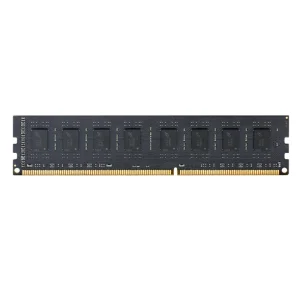
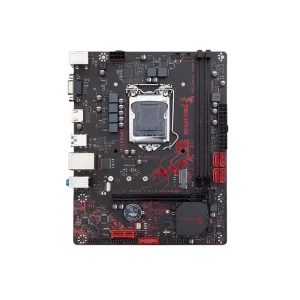
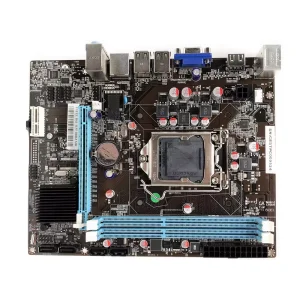
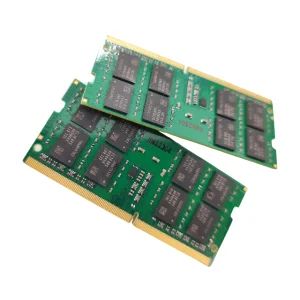
The global solid-state lighting market is undergoing a fundamental shift toward higher optical density and aggressive thermal containment. Modern architectural, automotive, and industrial light engines produce excessive localized thermal flux that standard FR4 substrates cannot adequately dissipate.
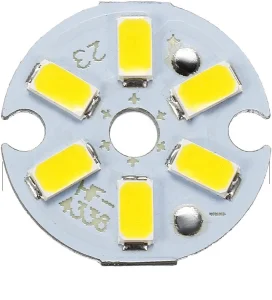
To prevent localized heat buildup, industrial OEMs are transitioning to Metal Clad PCBs (MCPCBs), specifically aluminum and copper-based cores. These advanced LED circuit boards leverage ultra-thin dielectric layers with high thermal conductivities, ranging from 1.0 W/m-K up to 8.0 W/m-K. This configuration keeps junction temperatures low, maximizing both luminous efficiency and the operating lifetime of high-power SMD LEDs.
Additionally, the rising integration of IoT control protocols within smart-city luminaires requires logic circuitry (such as memory elements, dimming controllers, and wireless transceivers) to reside directly alongside the LED emitters. This demand drive the production of multi-layer hybrid PCBs that merge robust thermal metal layers with complex signal paths on a single board.
Engineers face challenges with shrinking luminaire form factors. With Mini-LED and Micro-LED technology, pixel pitch has reduced below 1.0mm, demanding manufacturing precision down to the micron scale. Multi-layer routing and precision vias have become critical to modern PCB design in this sector.
By using direct thermal path (DTP) technology on copper substrates, thermal resistances are reduced virtually to zero, allowing ultra-dense LED arrays to operate safely under intense drive currents.
Procurement teams prioritize factories that offer comprehensive component sourcing, direct material channels (DRAM, raw copper, FR-4 cores), and structural cost efficiency to bypass multi-tier markup margins.
Products entering high-liability sectors (such as automotive headlights, medical lighting, and industrial avionics) require compliance with UL 94V-0 flammability ratings, RoHS environmental compliance, and CE/FCC marking.
Fast development cycles demand prototypes within 48 to 72 hours, along with the flexibility to quickly adjust layout profiles, dielectric layers, surface finishes (HASL, ENIG, OSP), and copper weight variations (1oz to 6oz).
Industry Expertise
R&D Engineering Experts
AOI & Functional Testing
Annual Export Value
Our commitment to reliable performance includes strict testing methodologies designed for enterprise electronics:
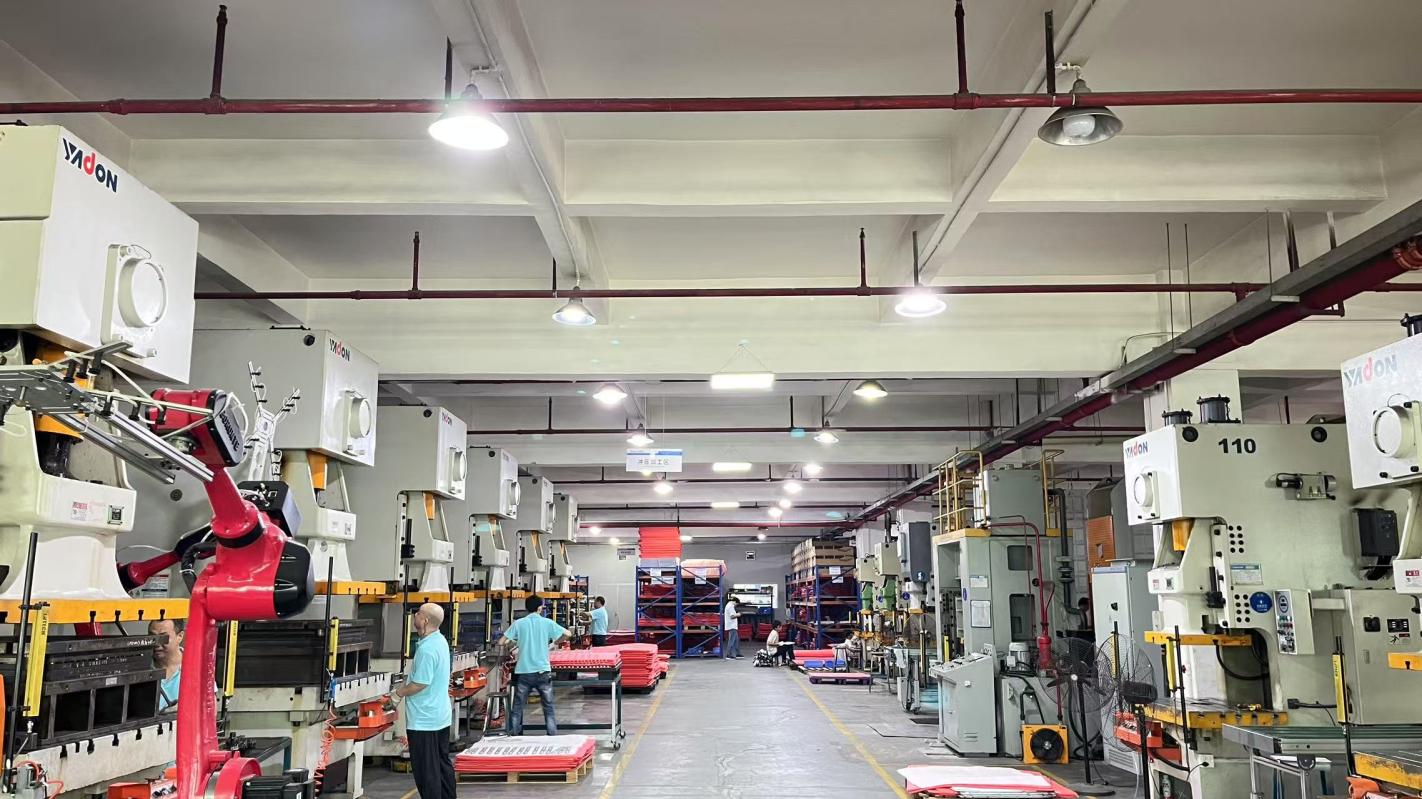
Our production facilities utilize modern industrial automation, integrating ERP and MES systems for end-to-end component traceability. This digital integration connects raw material supply directly to production schedules, helping buffer against component shortages.
With over 1,200 supply chain partners, we maintain stable access to raw copper laminates, high-performance thermal dielectrics, and reliable semiconductor components. This supplier network enables us to secure material allocations during global shortages, keeping projects on schedule.
By combining SMT placement, reflow soldering, thermal compound dispensing, and final mechanical assembly under one roof, we shorten processing loops. As a result, design revisions transition from CAD files to physical prototypes in days rather than weeks.
A detailed comparison of board materials to guide design engineers in selecting substrates based on thermal and electrical requirements.
| Substrate Material | Thermal Conductivity (W/m-K) | Dielectric Breakdown (kV) | Thermal Stress Resistance | Target Applications |
|---|---|---|---|---|
| Standard FR4 | 0.2 - 0.4 | > 50 | Moderate | Low-power Indicator LEDs, Signal Processing, Basic Control Logic |
| Aluminum Substrate (MCPCB) | 1.0 - 4.0 | > 4.0 | High | General LED Illumination, Architectural Spotlights, Backlight Units |
| Copper Substrate (DTP MCPCB) | 8.0 - 400.0 | > 6.0 | Excellent | Automotive Headlights, High-Bay Industrial Fixtures, Projection Lamps |
| Ceramic Substrate (Al2O3 / AlN) | 24 - 180 | > 15 | Outstanding | High-frequency COB Array Packaging, Aerospace, Semiconductor Heat Sinks |
Modern smart environments require close integration between light engines and processing logic. We customize boards for diverse, high-performance environments.
With critical safety margins, automotive LED boards require high heat dissipation. Combining direct thermal copper boards with reliable control electronics ensures stable high-beam, low-beam, and daytime running light performance.
Street lighting networks use wireless control modules to manage dimming and energy output. We design system boards that combine LED drivers with microprocessors and flash memory to ensure reliable performance across variable weather conditions.
Large LED walls require continuous high-speed data delivery. To avoid image latency and maintain screen performance, these systems rely on multi-layer driver boards paired with high-performance memory modules.
Vorynex Memory Technology (China) Co., Ltd. is a manufacturer and OEM/ODM solution provider specializing in high-performance electronics and memory systems for global markets. Established in 2016, the company has built manufacturing and engineering capabilities over the years. With a production facility covering approximately 320㎡, Vorynex focuses on stable, high-speed, and energy-efficient solutions for gaming, industrial, and enterprise applications.
Backed by 12 years of industry experience, the company maintains an annual export revenue of approximately USD 12 million. Quality assurance is managed by a team of approximately 45 professional QC staff, implementing 100% functional testing, thermal aging tests, compatibility testing, and structural inspections.
We work with brand distributors, system integrators, and industrial manufacturers worldwide. Supported by approximately 180 R&D engineers, we offer customization services that include circuit profile routing, thermal management design, brand private-labeling, and firmware optimization.
Answers to key questions from procurement officers and engineering teams regarding LED circuit board design and assembly.
Aluminum has a thermal conductivity 10 to 30 times higher than standard FR4. High-power LEDs generate significant localized heat. Using an aluminum substrate (MCPCB) allows this heat to transfer quickly away from critical components, protecting the junctions, preventing thermal degradation, and maintaining consistent light output over time.
Thermal efficiency is primarily defined by the thermal conductivity of the dielectric layer (measured in W/m-K), the thickness of the dielectric (typically 50 to 150 microns), the thickness of the copper circuit layer, and the quality of the thermal interface material (TIM) used to mount the board to the heat sink.
Our quality control program includes 100% automated optical inspection (AOI), in-circuit testing (ICT), and system-level validation. We also perform thermal stress tests and environmental aging tests to verify long-term performance under continuous operations.
Yes. Our engineering division supports complete system customization. We configure control boards, modify copper layer weights (from 1oz up to 6oz), design multi-layer structures, and optimize layouts for integration with high-speed memory modules, heat sinks, and communication systems.
Inside our production facilities, testing zones, and storage areas.
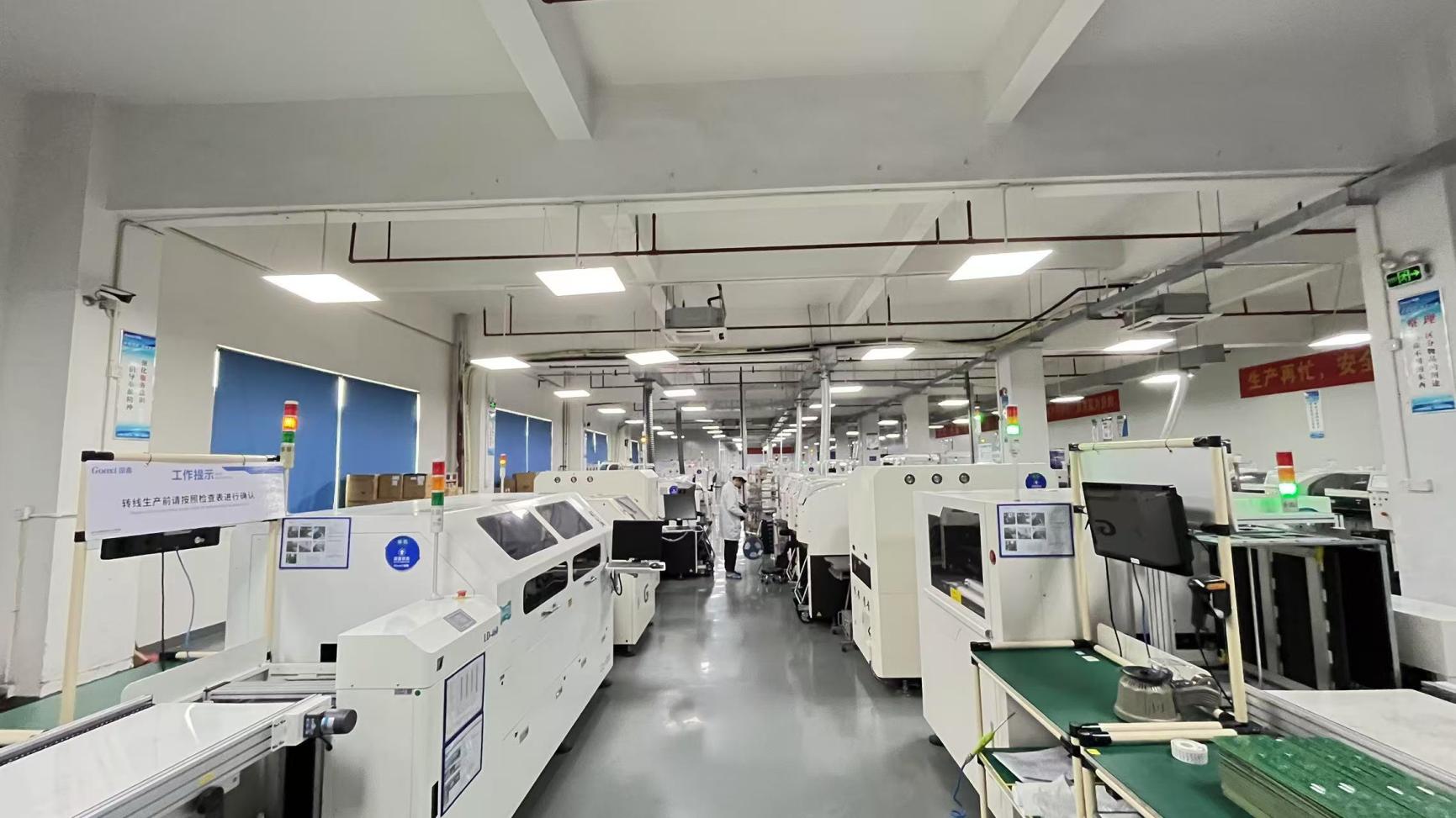
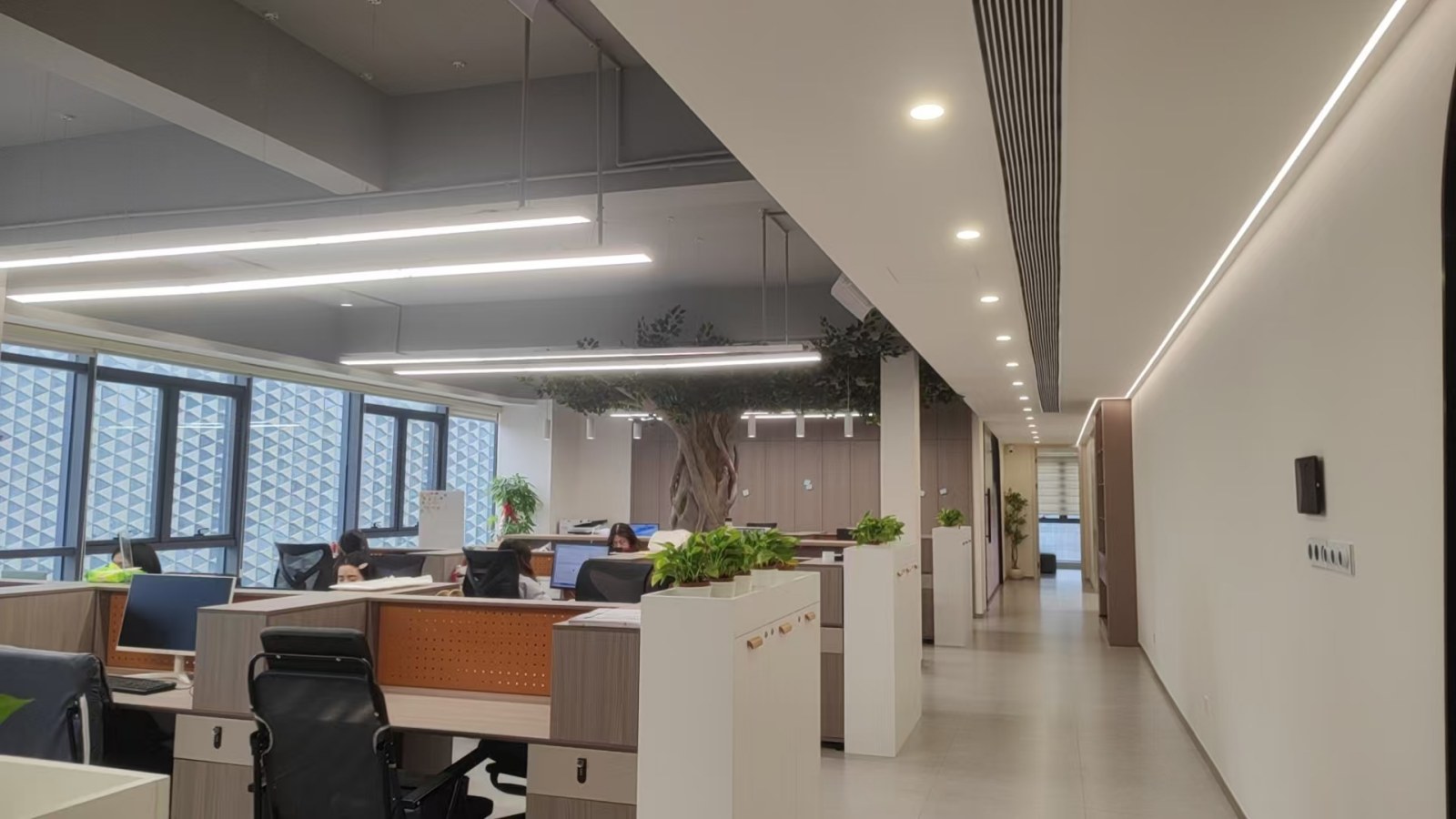
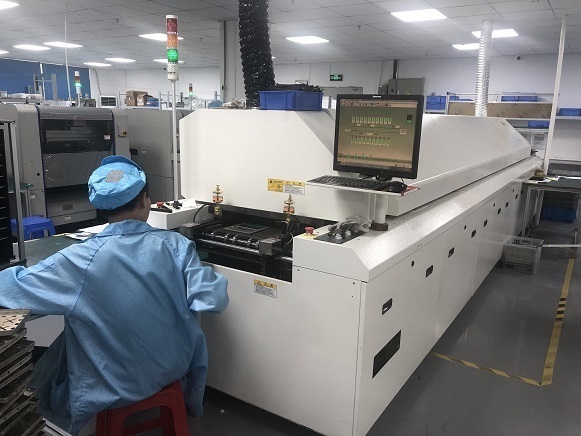
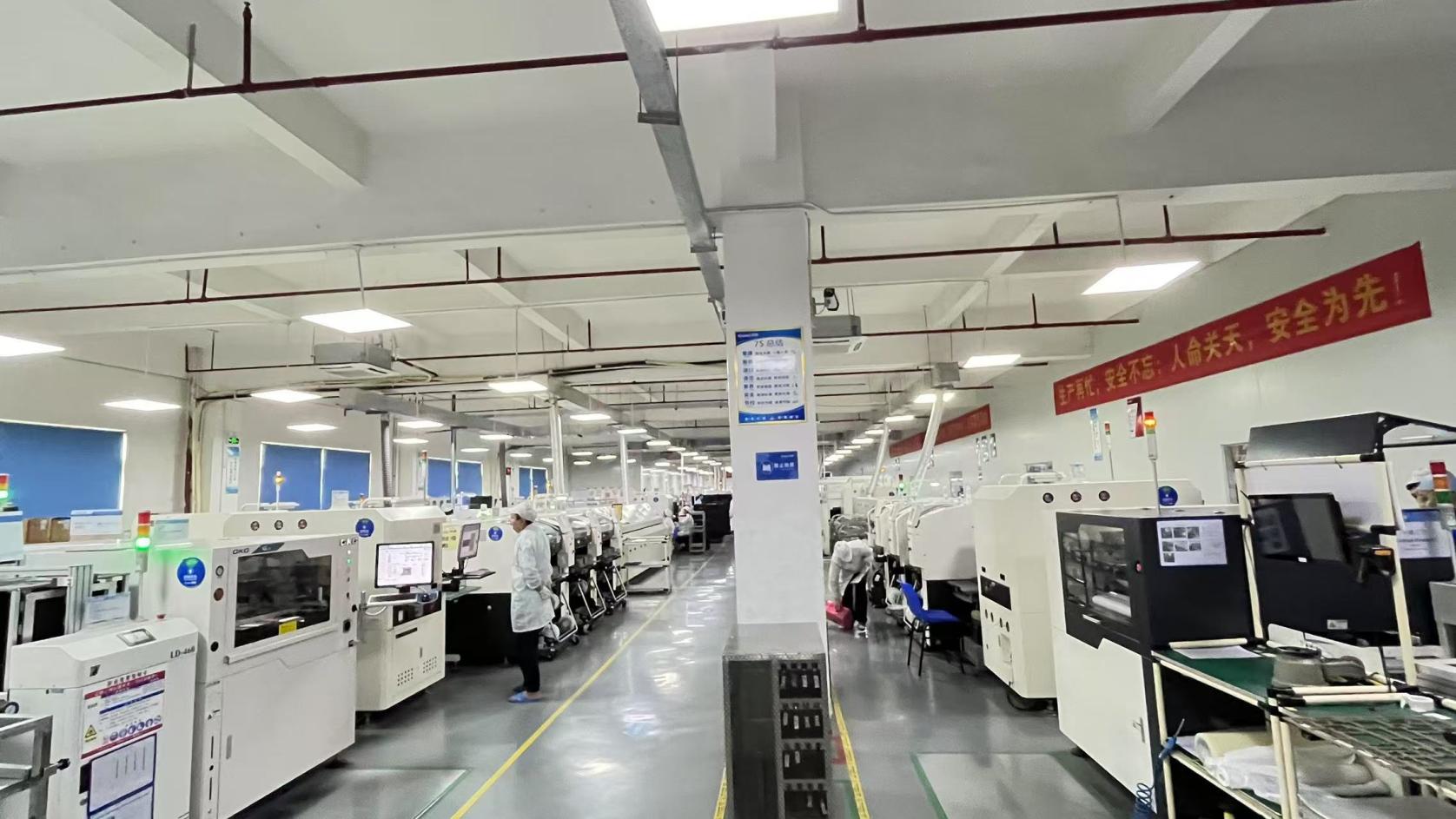
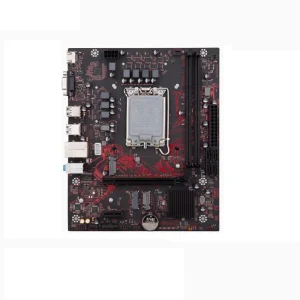
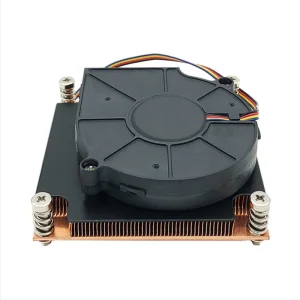
Browse our system controllers, copper heat sinks, and PCB solutions configured for industrial, gaming, and commercial application standards.
 Vorynex