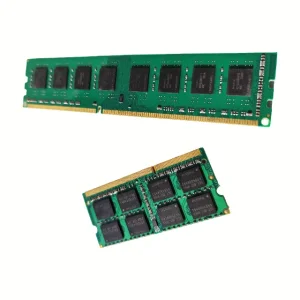
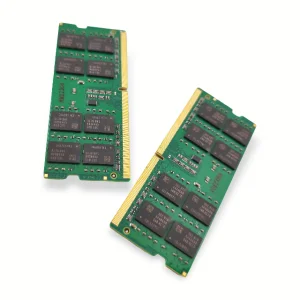
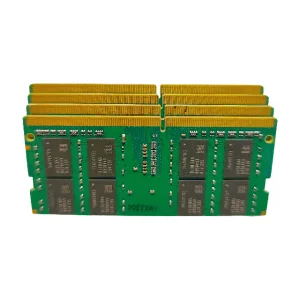
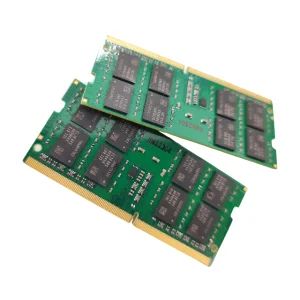
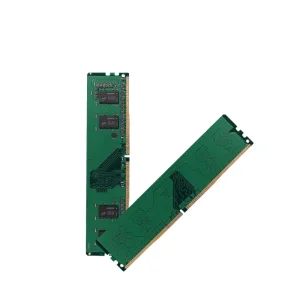
Explore our industrial-grade computing solutions, high-speed RAM assemblies, and semiconductor PCB designs manufactured under rigorous ISO standards.
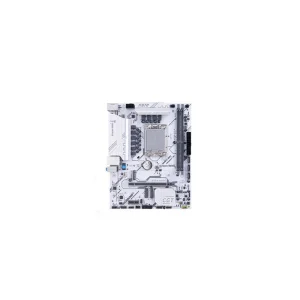
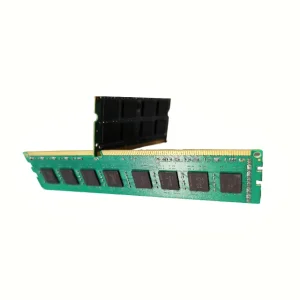
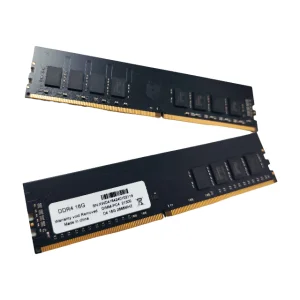
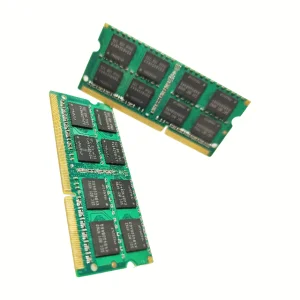
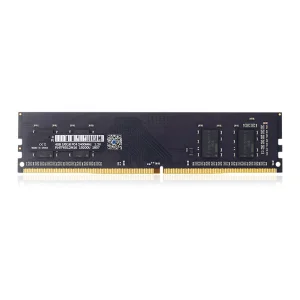
Transitioning from conventional mercury-based lamps to state-of-the-art AlGaN (Aluminum Gallium Nitride) semiconductor technology.
The optoelectronics industry is witnessing a paradigm shift. Ultraviolet-C (UVC) electromagnetic radiation in the range of 200 to 280 nm acts directly upon the genetic blueprint of microorganisms. Our advanced UVC LED Modules leverage state-of-the-art AlGaN (Aluminum Gallium Nitride) quantum well epitaxy structure to emit highly concentrated peak germicidal wavelengths, primarily engineered between 265nm and 275nm. This specific waveband maximizes DNA and RNA absorption, disrupting replication pathways and offering a log-4 (99.99%) pathocide performance within fractions of a second.
Looking to the future, our R&D pipeline is aggressively targeted at the development of Far-UVC (222nm) Krypton-Chloride excimer-like solid-state modules and hybrid multi-band architectures. These developments aim to establish human-safe continuous disinfection barriers for occupied dynamic environments.
Tailoring deep UV purification arrays to water, air, surface, and scientific applications globally.
High-flow hydraulic modules designed for point-of-use (POU) and point-of-entry (POE) water purification. Engineered with flow-switch activation sensors, food-grade materials, and quartz glass protective sleeves to handle up to 20L/min flow rates with minimal pressure drop.
Integrated duct modules featuring high-intensity optical output. Positioned inside HVAC systems, air conditioners, and laminar flow hoods to target airborne bio-aerosols, ensuring high single-pass kill rates in rapid air current configurations.
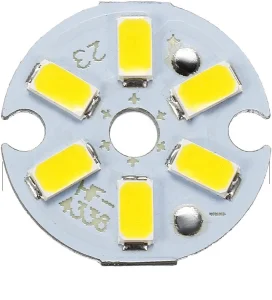
Custom PCB arrays built on specialized metal-core PCBs (MCPCB) for medical instruments, automated teller machines, smart retail devices, and packaging lines. These arrays provide directional radiation fields to eradicate pathogens quickly.
| Application Category | Target Waveband (nm) | Recommended Optical Density | Critical Design Considerations |
|---|---|---|---|
| Static / Dynamic Water | 265 - 275 nm | 10 - 40 mJ/cm² | IPX8 waterproofing, Quartz window transmission, quartz scale mitigation. |
| HVAC Air Ducts | 270 - 280 nm | 5 - 15 mJ/cm² (dynamic flow) | Aerodynamic module structure, high-temperature stability, wind resistance. |
| Medical Equipment | 265 - 270 nm | 30 - 60 mJ/cm² | High optical uniformity, sensor-based auto-shutoffs, material compatibility. |
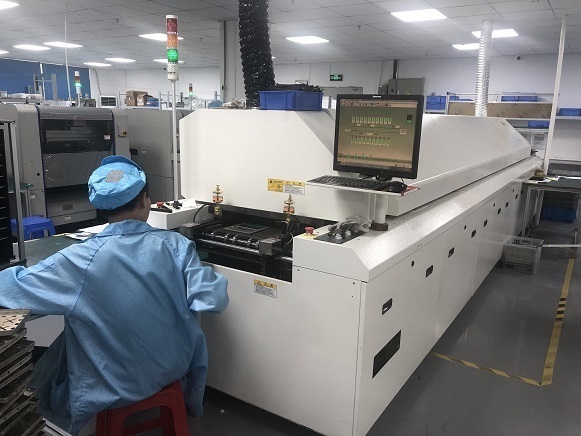
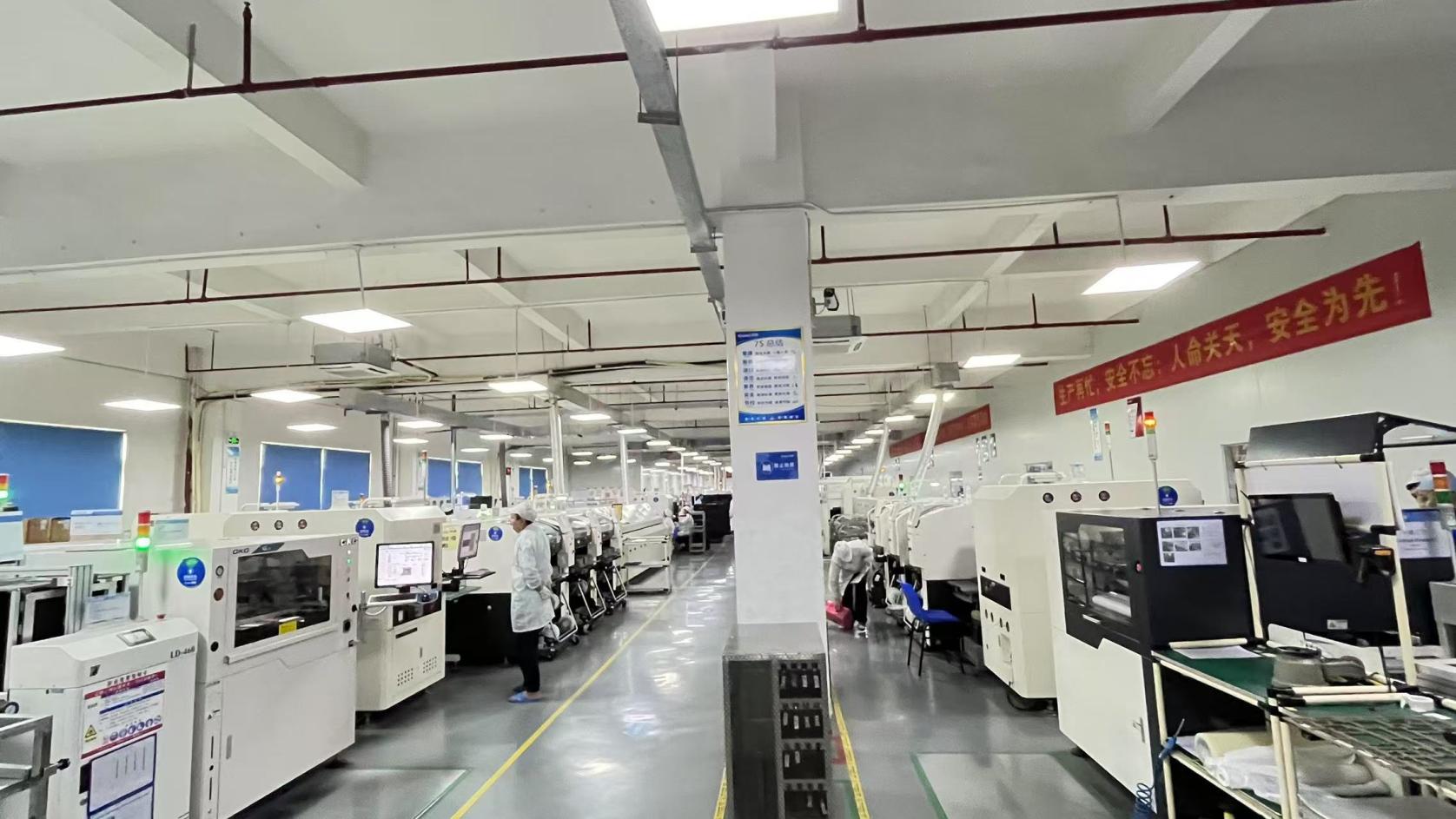
Leveraging Vorynex's advanced semiconductor packaging, SMT lines, and deep engineering expertise to power next-generation optical and memory components.
Key technical parameters procurement officers and design engineers must evaluate before selecting a UVC LED partner.
For B2B procurement, procuring reliable UVC LED modules requires evaluating key performance indicators beyond cost. Industrial buyers must optimize designs for efficiency, thermal performance, and long-term durability:
UVC LEDs convert over 90% of electricity into heat. If the junction temperature exceeds rated parameters (typically 80°C), the internal quantum efficiency collapses rapidly, leading to permanent wavelength shift or device failure. Enterprises must demand modules built on Metal Core PCBs (MCPCB) or AlN (Aluminum Nitride) substrates combined with high-grade thermal interface materials (TIM).
Voltage fluctuation in deep UV diodes is highly temperature-dependent. Operating modules via simple resistive drop networks introduces significant risk of thermal runaway. Secure systems mandate constant-current step-down buck regulators integrated directly onto the PCBA board to stabilize forward current (If).
Ensure your supplier offers raw measurement data, specifically radiometric flux (mW) profiles tested using integrated spheres and spectroradiometers. Enterprise designs must match the module's irradiance footprint with the flow speed of liquid or target surface exposure times.
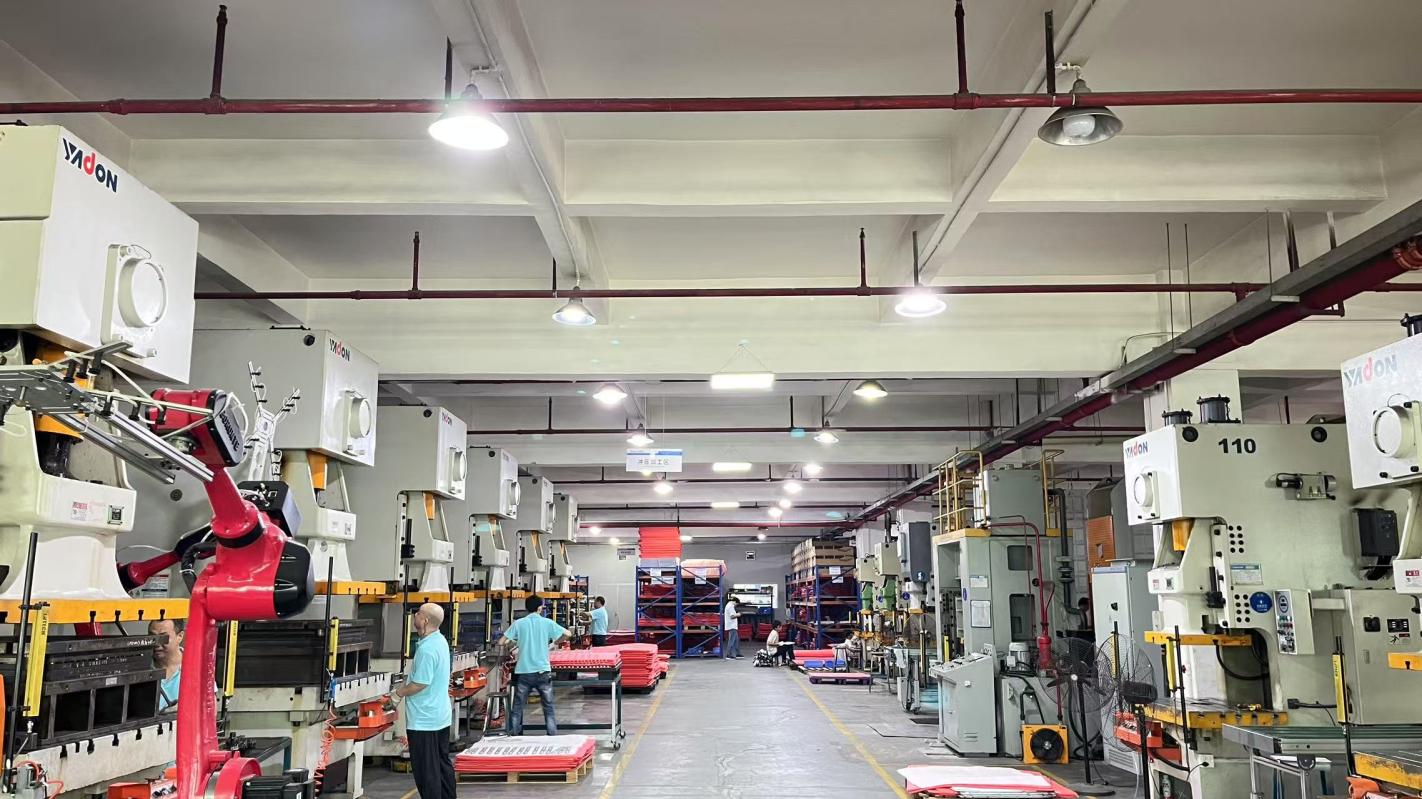
Verifiable semiconductor competence, manufacturing scope, and engineering capacity.
Company Profile – Vorynex Memory Technology (China) Co., Ltd.
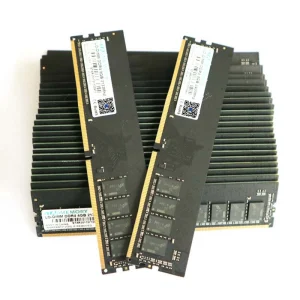
Vorynex Memory Technology (China) Co., Ltd. is a professional DDR5 memory manufacturer and OEM/ODM solution provider specializing in high-performance memory modules for global markets.
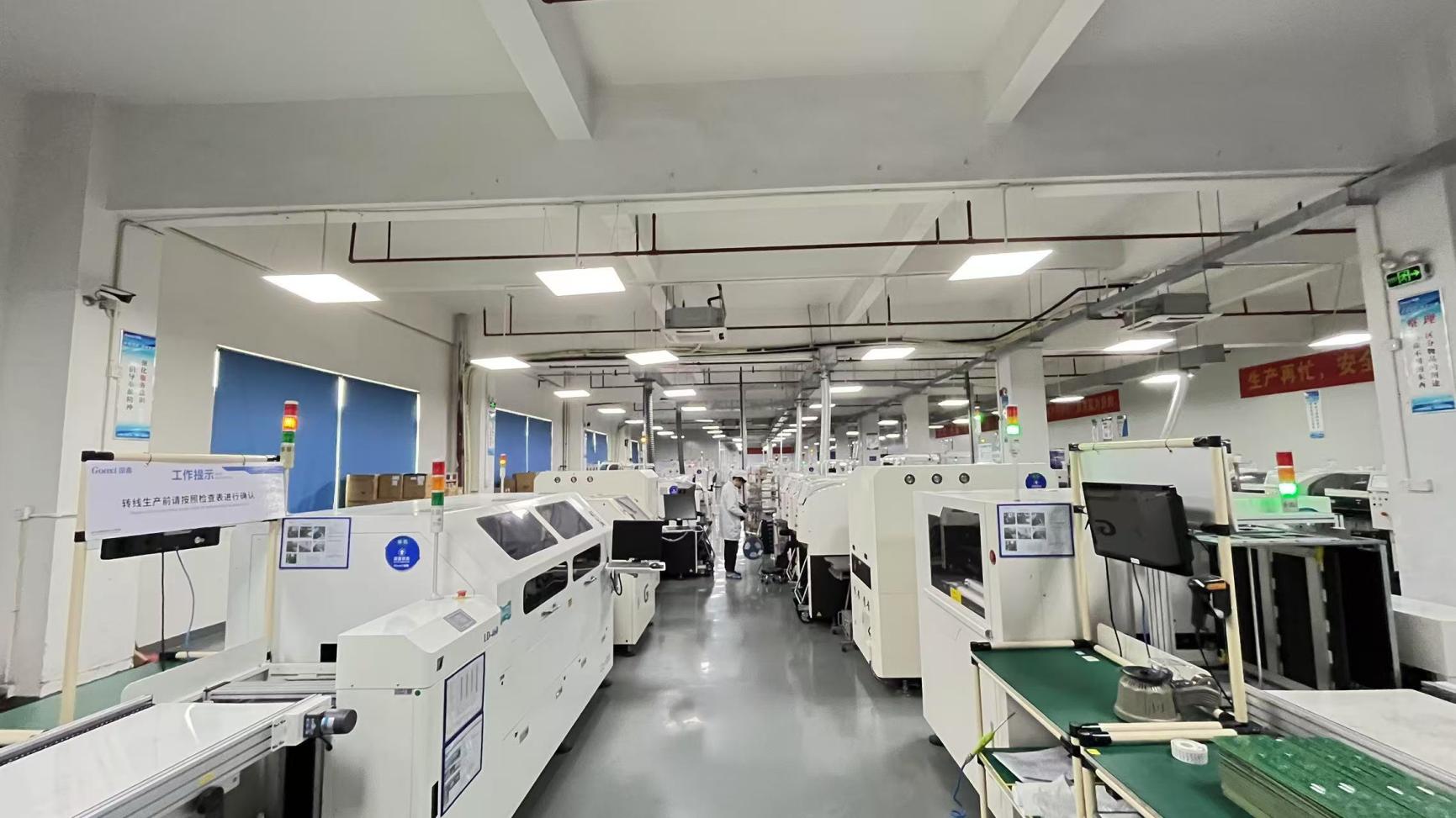
Established in 2016, the company has developed strong manufacturing and engineering capabilities over the years. With a modern production facility covering approximately 320㎡, Vorynex focuses on delivering stable, high-speed, and energy-efficient memory solutions for gaming, industrial, and enterprise applications.
The company achieved an annual export revenue of approximately USD 12 million, supported by 6 years of export experience and over 12 years of industry experience in memory and semiconductor-related fields.
Vorynex maintains strict quality control standards, including 100% functional testing, aging tests, compatibility testing, and high-temperature stress testing. Product inspection methods include automated optical inspection (AOI), in-circuit testing (ICT), and final system-level validation. The quality assurance team consists of approximately 45 professional QC staff ensuring consistent product reliability.
With a strong international trade background, Vorynex serves key markets including North America, Europe, Southeast Asia, the Middle East, and South America. The company collaborates with more than 1,200 supply chain partners, enabling stable sourcing of high-quality DRAM chips and components.
Its primary customer base includes brand distributors, system integrators, industrial equipment manufacturers, and gaming hardware companies. Vorynex also has strong R&D capabilities, supported by a team of approximately 180 R&D engineers, focusing on memory architecture optimization, compatibility enhancement, and thermal performance improvement.
Customization is fully supported, including frequency tuning, PCB design customization, heat sink design, branding (private label), and firmware optimization. In the past year, the company successfully launched around 240 new product models, covering DDR4, DDR5, and specialized industrial memory solutions.
With a strong innovation-driven strategy, Vorynex continues to expand its global presence, delivering reliable and high-performance memory solutions to customers worldwide.
Navigating stringent global frameworks to ensure safe operational implementation.
Our UVC LED modules operate down to 260nm-280nm wavebands, strictly avoiding the 185nm ozone-producing wavelength. This guarantees complete compliance with FDA, CE, and EPA ozone safety rules, making them safe for indoor installations.
All packaging components, solder alloys, substrates, and protective encapsulants meet RoHS (Restriction of Hazardous Substances) and REACH criteria, ensuring eco-friendly disposal and zero heavy-metal leakage.
Supported by 6 years of international trade operations, we offer comprehensive trace verification documents, strict ISO 9001 quality audits, and robust shipping packaging for safe global transit.
Crucial technical answers regarding the deployment and maintenance of high-power UVC LED modules.
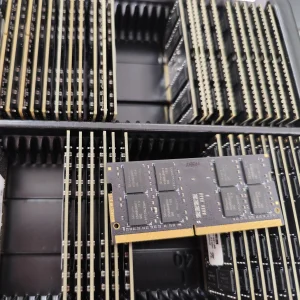
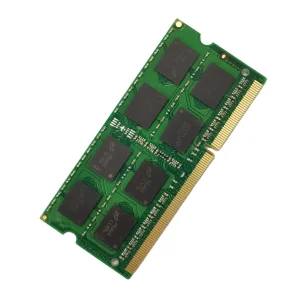
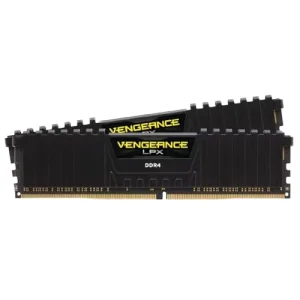
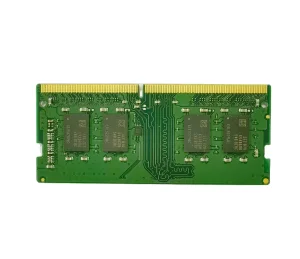
Our core memory modules, PCB prototypes, and high-frequency DRAM modules designed for extreme operating conditions.
 Vorynex