Explore high-performance computing modules, custom multi-layer PCBs, and advanced processing units designed for remote operations and industrial IoT infrastructures.
A technical overview of global smart infrastructure procurement challenges and quality parameters.
As enterprise architectures shift toward decentralized intelligence, the global demand for robust Internet of Things (IoT) Solutions has moved past software integrations. Today's commercial, industrial, and municipal networks require resilient physical foundations. From municipal traffic grids to heavy industrial manufacturing environments, the hardware driving edge computations must endure extreme environments, sustain continuous data flows, and secure end-to-end transmissions.
Developing an end-to-end IoT deployment depends on sourcing high-performance Printed Circuit Board Assemblies (PCBAs), high-frequency memory modules, and specialized thermal dissipating components. System integrators and project directors face complex procurement demands: securing chips, confirming global compliance standards, and validating mechanical designs for durability under continuous operations.
Vorynex Memory Technology (China) Co., Ltd. addresses these hardware infrastructure needs. Operating out of specialized facilities and supported by a robust network of 1,200 partners, Vorynex delivers OEM/ODM memory configurations, custom controller PCBAs, and advanced thermal management solutions to global system integrators and enterprise buyers.
Aligning component-level specifications with multi-industry application demands.
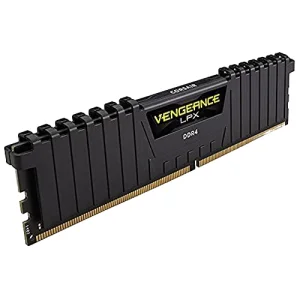
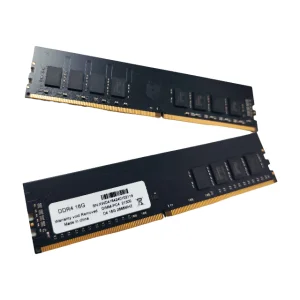
Deploying high-speed DDR4/DDR5 modules and multi-layer PCBs within edge computing gateways to process real-time analytics, machine vision models, and telemetry pipelines without latency bottlenecks.
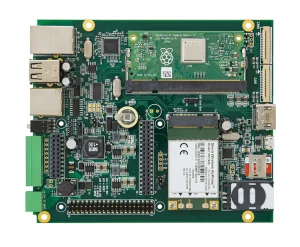
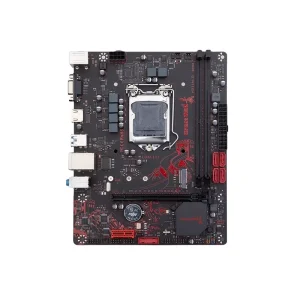
Providing robust, custom control boards (like Raspberry Pi bases and H311M architecture motherboards) built to run continuously in smart factories, chemical units, and robotic assemblies.
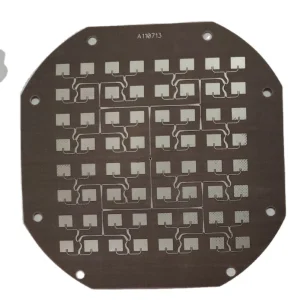
Leveraging high-frequency Taconic TLY-5 laminates, aluminum substrates, and low-loss PCBs to ensure signal integrity across RF transceivers, Smart Grid telemetry points, and urban sensory nodes.
| IoT Application Node | Core Component Requirement | Critical Engineering Metric | Vorynex Corresponding Platform |
|---|---|---|---|
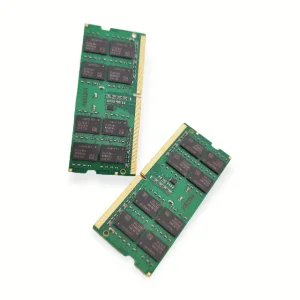
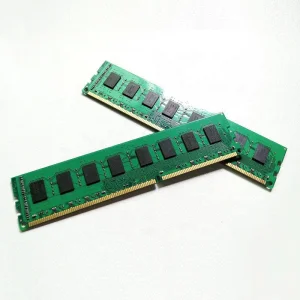
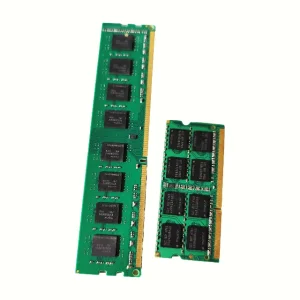
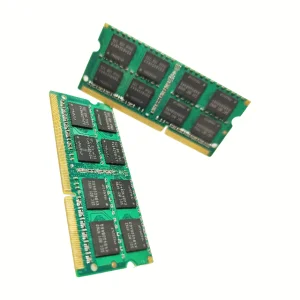
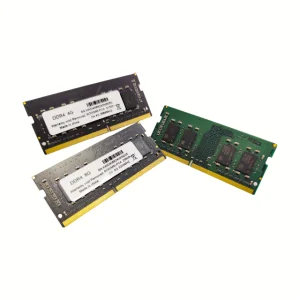
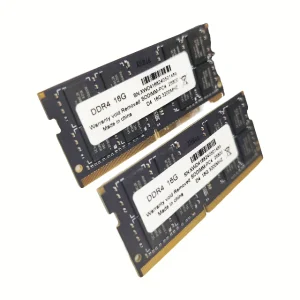
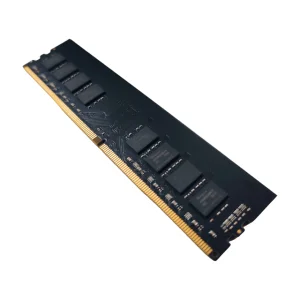
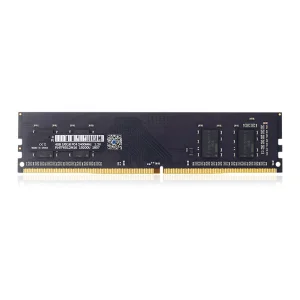
| Edge AI Gateway | DDR4/DDR5 ECC SODIMM / UDIMM | 3200MHz / 4800MHz + Error Correction Code | Vorynex 64GB/16GB DDR4 ECC Modules |
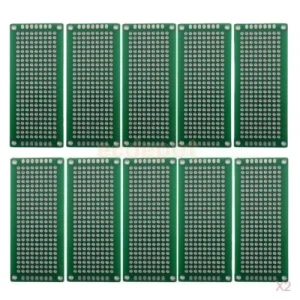
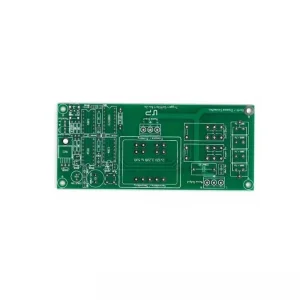
| Industrial Control PC | Custom Controller Mainboard & PCBA | FR4 1.6mm / Double-Sided SMT Process | Raspberry Pi Base / H311M-G Motherboard |
| RF Telematics & Antennas | High-Frequency Low-Loss Substrates | Taconic TLY-5 (0.254mm) / Aluminum core | High-Frequency Custom RF PCBs |
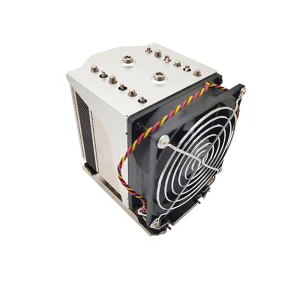
| Edge Datacenter Node | Active Thermal Management Solutions | 320W TDP support (e.g. LGA4189 socket) | 320W LGA4189-N96 4U 6U Heat Sinks |
Translating manufacturing capacity into reliable solutions for global markets.
Established in 2016, Vorynex Memory Technology (China) Co., Ltd. has developed high-performance memory modules and custom PCB configurations for international markets. Drawing on 12 years of industry experience in semiconductors and memory architecture, we support brands, system integrators, and industrial manufacturers with scalable OEM/ODM services.
Our design capability is supported by 180 R&D engineers focused on memory layout optimizations, signal integrity, thermal dissipation, and custom firmware configurations. In the past year, we developed and launched approximately 240 new product models, addressing client requirements across consumer, enterprise, and industrial electronics markets.
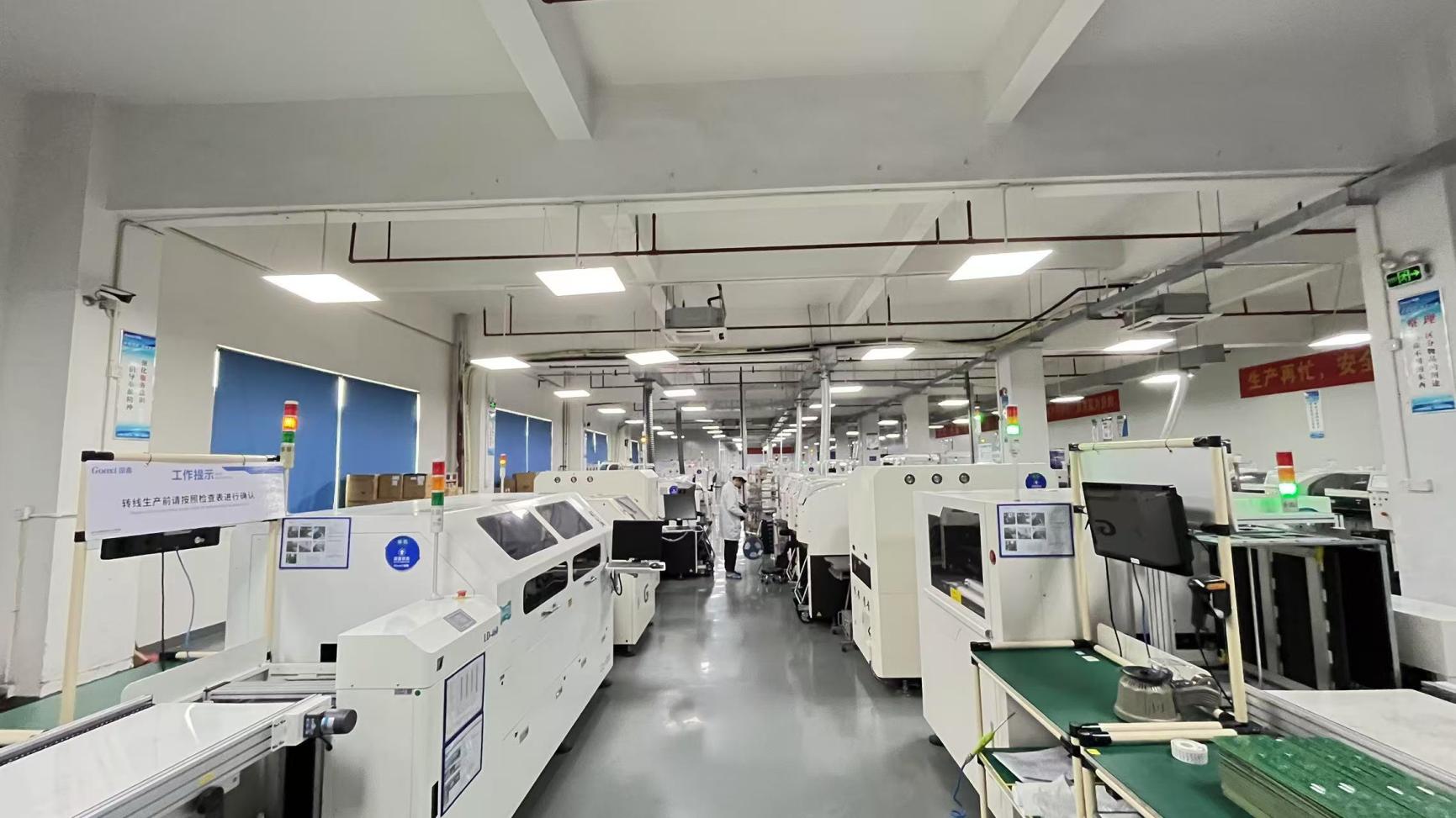
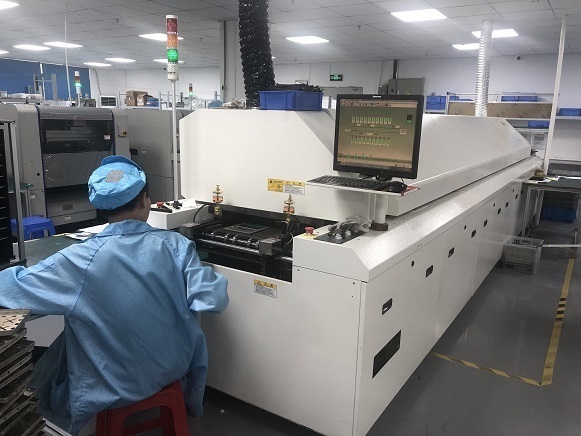
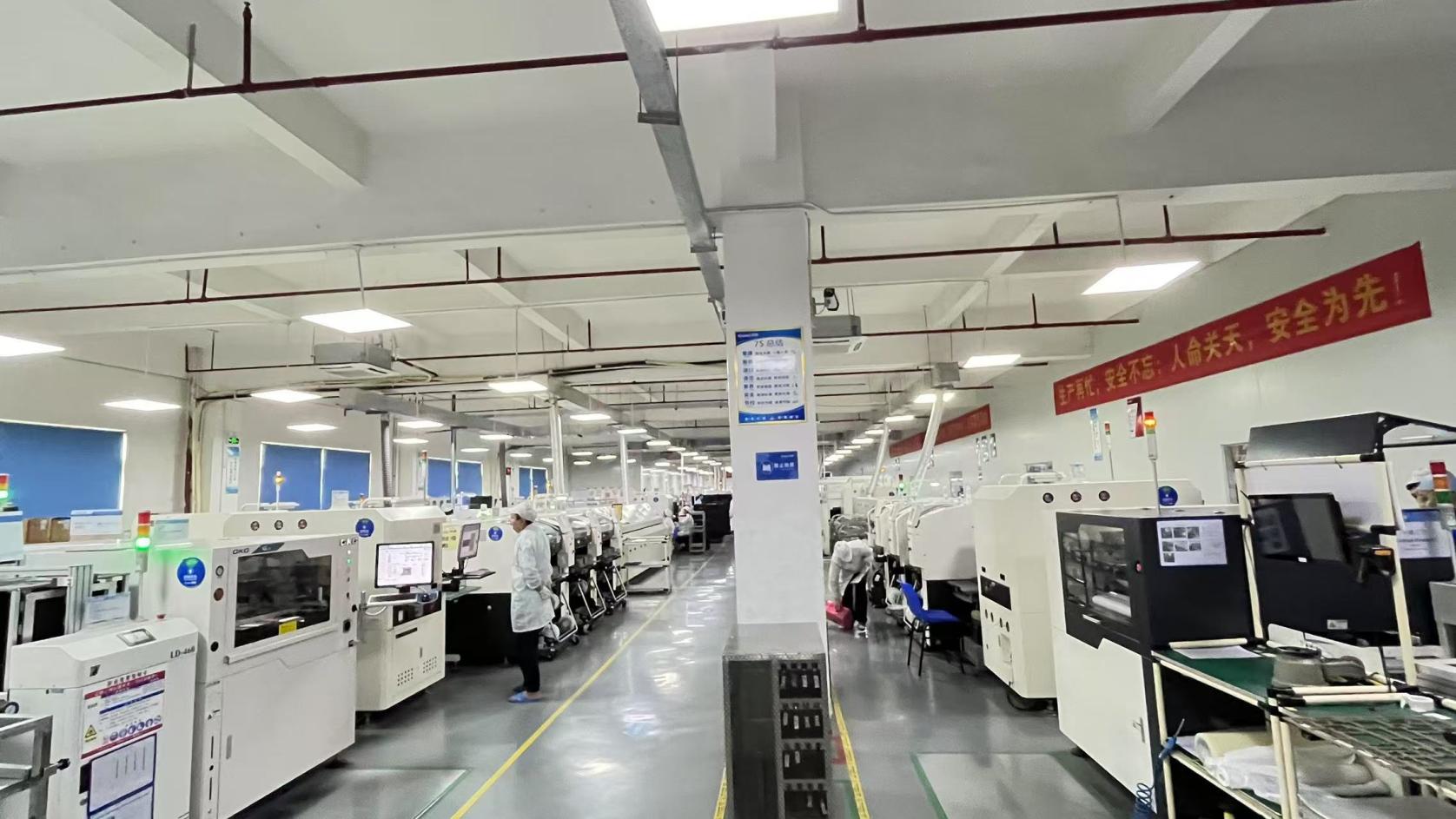
Quality control is central to our manufacturing process. We employ 45 professional QC staff who enforce a multi-layered testing regimen. Each component undergoes automated optical inspection (AOI), in-circuit testing (ICT), and system-level validation alongside high-temperature stress and aging tests to ensure long-term stability in demanding environments.
How component architecture is adapting to meet future IoT requirements.
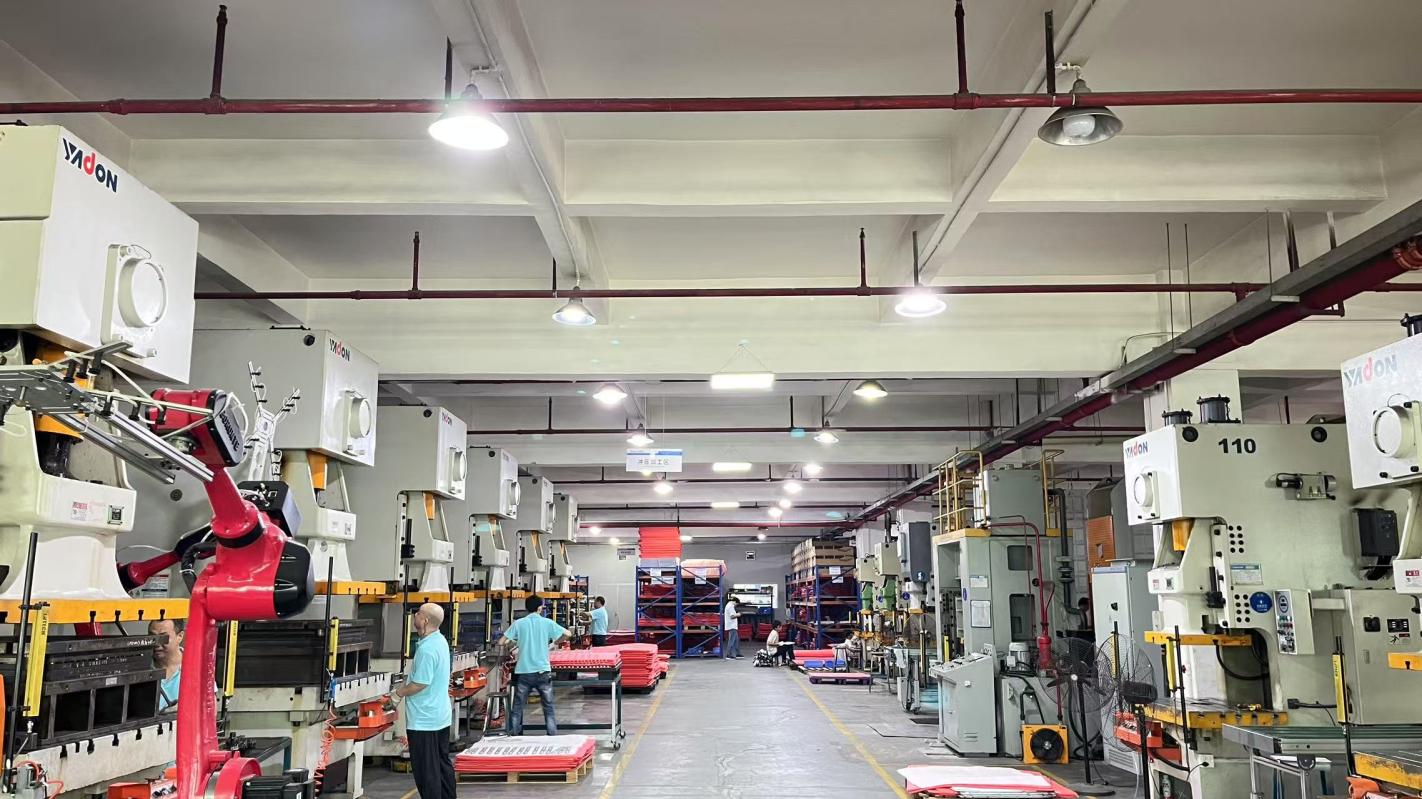
Visualizing the engineering practices behind our IoT memory and PCBA production lines.
We source DRAM chips and components through a network of 1,200 supply chain partners. Our quality assurance process features automated optical inspection (AOI), in-circuit testing (ICT), and system-level validation to maintain performance standards across all production runs.

Addressing common queries from technical buyers, hardware designers, and supply chain managers.
Explore our line of server-grade memory, specialized audio decoders, and heavy-duty active heat sinks.
 Vorynex