Discover our CE certified high-frequency modules, multi-layer PCBs, and advanced aluminum substrate components engineered for rigorous thermal dissipation environments.
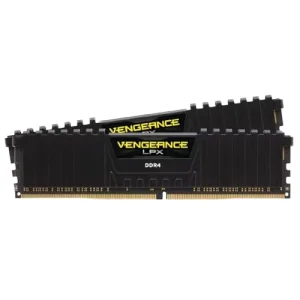
In the contemporary era of hyper-scale computing, high-frequency telecommunications, and industrial automation, thermal management has evolved from a secondary mechanical consideration into a primary architectural determinant. Modern high-density electronics, including DDR5/DDR4 server memory kit structures, high-frequency multilayer PCBs, and robust power conversion modules, produce intense localized heat fluxes. Failure to maintain internal junction temperatures within optimized parameters directly results in thermal throttling, electromigration, and premature system failure.
As a premier CE Certified Thermal Management Solutions Supplier and Exporter, Vorynex Memory Technology (China) Co., Ltd. addresses this paradigm by combining hardware-level innovation with advanced thermodynamic materials. Securing CE certification indicates complete compliance with essential European safety, health, and environmental protection requirements (such as EMC Directive 2014/30/EU and LVD Directive 2014/35/EU). This ensures that global enterprise customers receive solutions built for absolute operational continuity under severe, continuous-load parameters.
The thermal management landscape is undergoing rapid, structural evolution, heavily catalyzed by three macro-trends: the proliferation of generative AI computing nodes, the deployment of 5G edge networks, and the electrification of industrial drivetrains. In these environments, traditional passive air cooling struggles to dissipate heat from processors and high-speed memory arrays effectively.
To meet these needs, leading developers are turning to advanced heat dissipation architectures. In memory modules, integrating premium thermal interface materials (TIMs) with specialized heat spreaders is crucial to prevent DDR5 thermal throttling. In circuit layout design, using aluminum substrate PCBs provides thermal conductivity that is 5 to 10 times higher than traditional FR-4, establishing these substrates as the industry standard for high-power LED drivers, solid-state relays, and industrial power conversion systems.
| Material Class | Thermal Conductivity (W/m·K) | Dielectric Breakdown (kV/mm) | Primary Industrial Application Scenario |
|---|---|---|---|
| Standard FR-4 Glass Epoxy | 0.25 - 0.4 | ≥ 30 | Low-power consumer logic, non-critical control boards |
| Taconic TLY-5 (PTFE fiberglass) | 0.5 - 0.8 | ≥ 60 | High-frequency RF, aerospace radar, high-speed telecom |
| Aluminum-Substrate PCB (Al-base) | 1.5 - 4.5 | ≥ 40 | High-power LED arrays, power supply PCBA, motor drivers |
| Copper-base MCPCB (Direct Bond) | 380 - 400 | Custom Layer Dependent | Ultra-high-density power electronics, automotive EV inverters |
Industrial procurement specialists, system integrators, and design engineers must navigate complex operational requirements. Key concerns extend beyond component costs to include product reliability, regulatory compliance, and customized thermal adaptations. When sourcing memory modules and high-speed PCB assemblies, international buyers focus on several critical performance benchmarks:
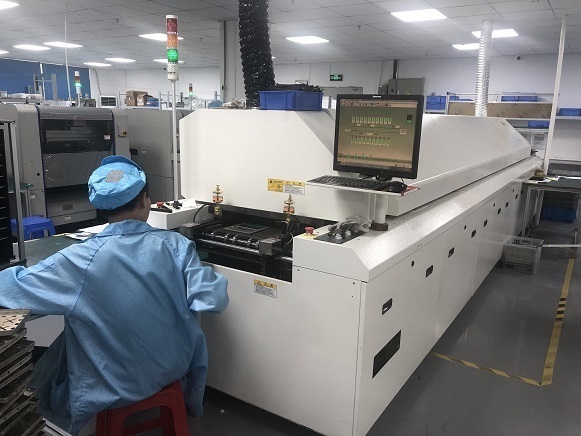
Modern computing environments require highly stable hardware components. Components undergo multi-stage quality assurance tests, including Automated Optical Inspection (AOI) for solder joint structural integrity, In-Circuit Testing (ICT) to verify electrical functionality, and system-level validation under elevated operational temperatures. These testing phases ensure that shipments perform reliably in field deployments.
Standard off-the-shelf components rarely meet the spatial and thermal constraints of specialized systems. Consequently, global buyers seek manufacturers capable of supplying custom services, including:
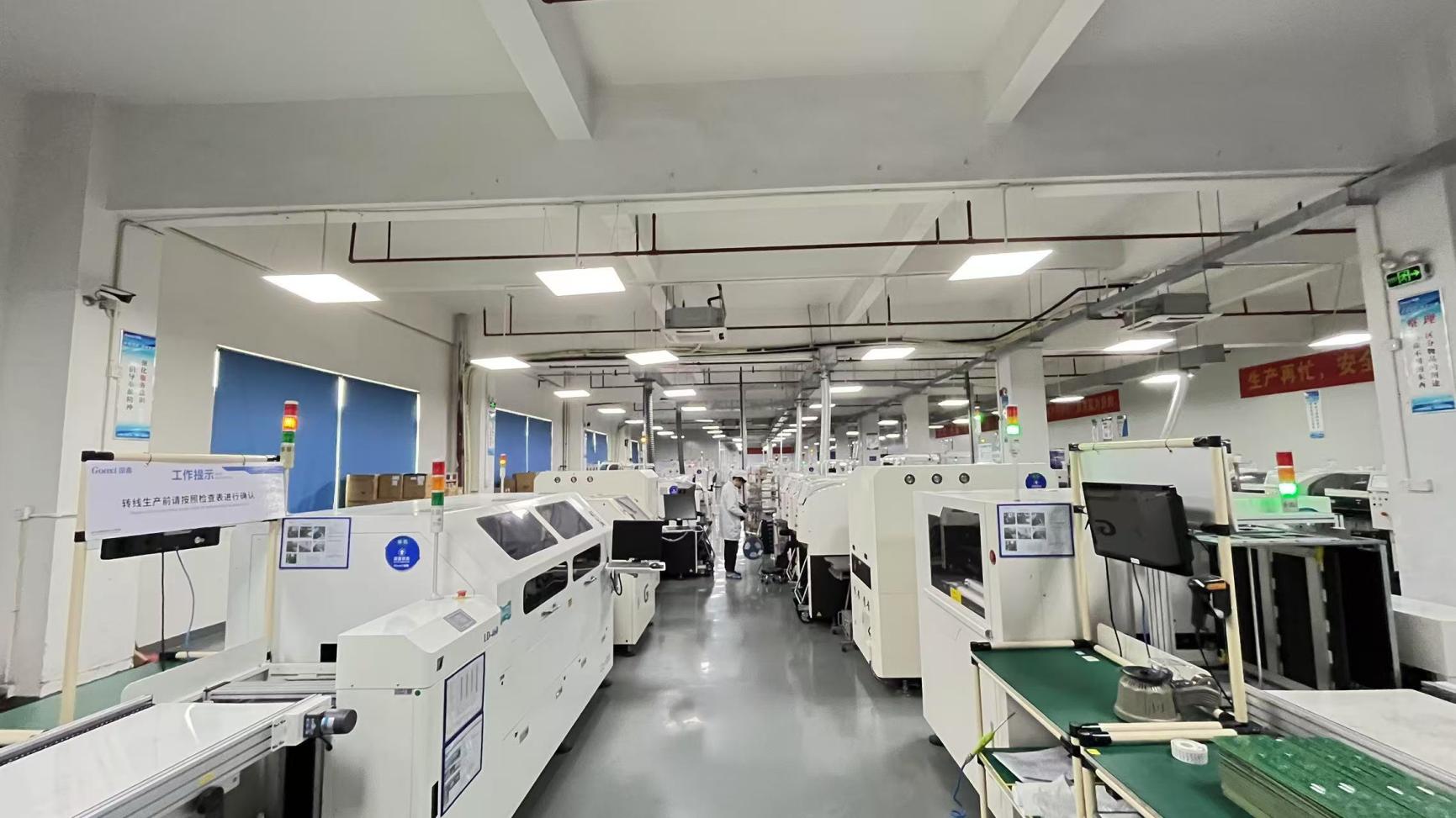
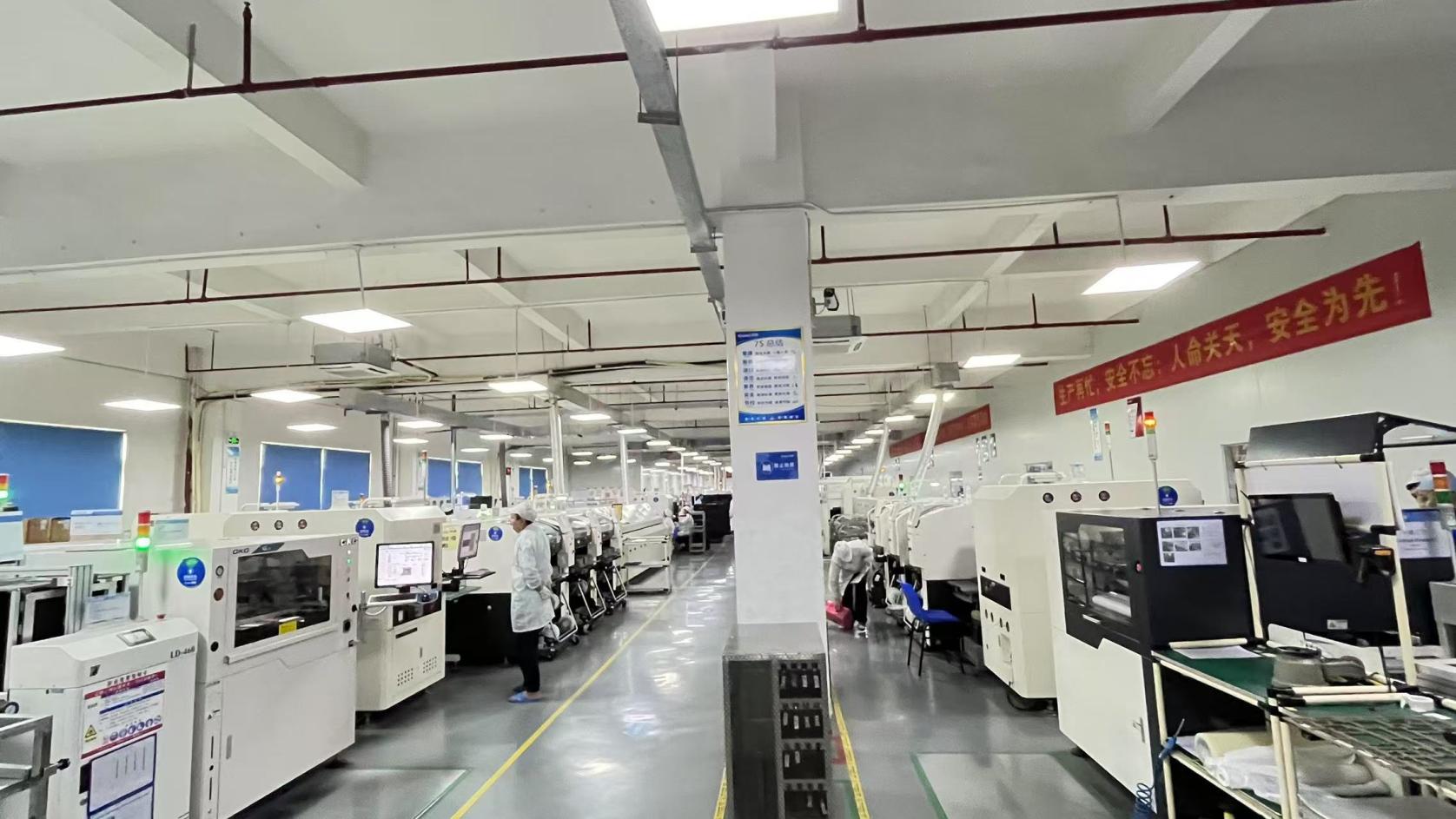
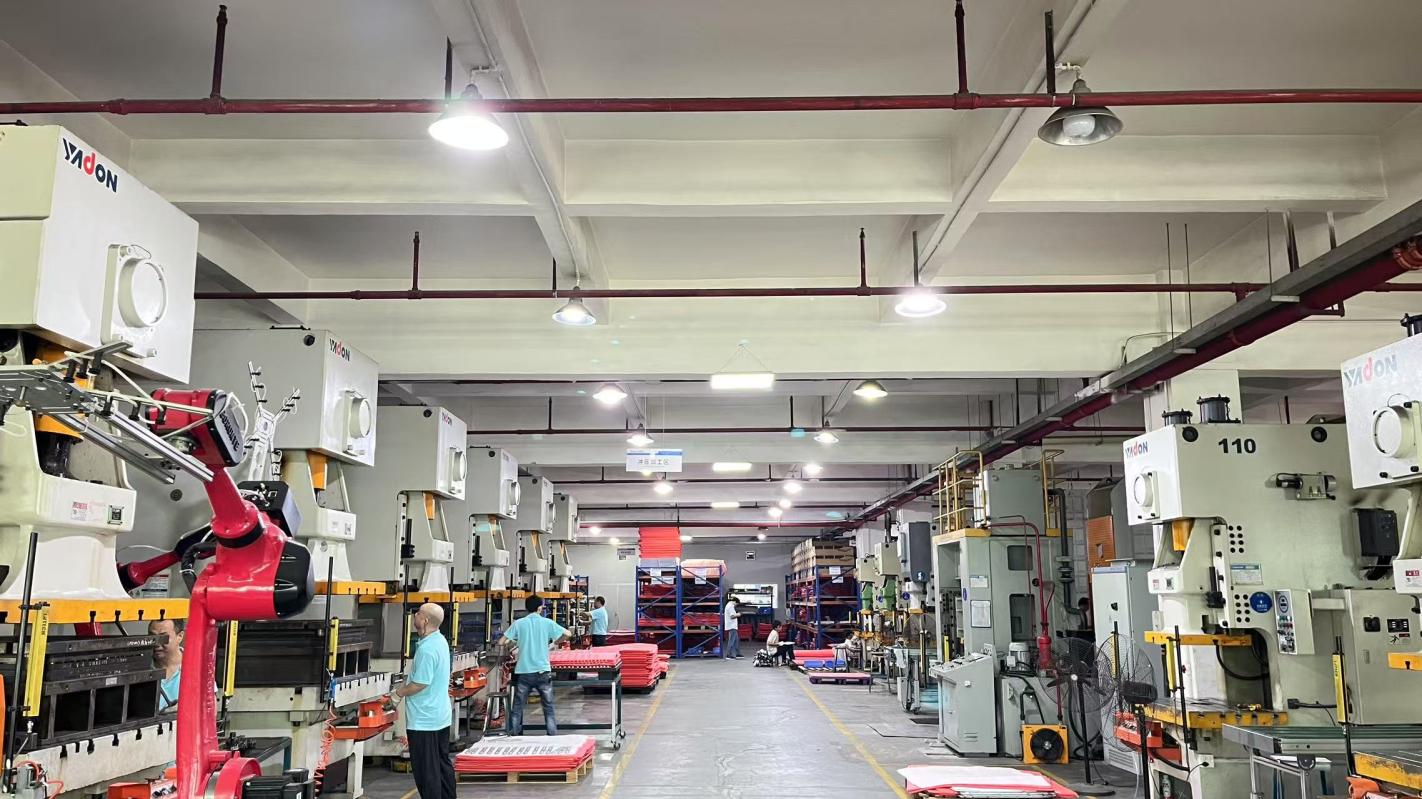
Manufacturing high-precision electronic and thermal solutions requires scalable capacity and absolute repeatability. By implementing "Factory 4.0" manufacturing models, Chinese facilities lead the global market in supply chain integration. The transition from manual assembly to automated, data-driven production lines ensures high levels of operational reliability.
Leveraging an extensive local network of over 1,200 supply chain partners, production facilities secure stable access to premium raw materials, such as high-purity copper, aluminum ingots, specialized dielectric films, and premium DRAM ICs. This strong sourcing network minimizes lead times and insulates clients from global component shortages.
This operational infrastructure, combined with rigorous testing protocols, allows manufacturing lines to deliver consistent, high-performance electronics. Advanced facilities deploy multi-layered automated processing lines that reduce assembly tolerances to micrometer levels, providing dependable quality across high-volume production runs.
Thermal management solutions must be tailored to their operating environments. Real-world applications demonstrate how integrated thermal design protects hardware systems from heat-related failures:
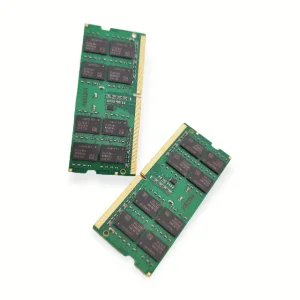
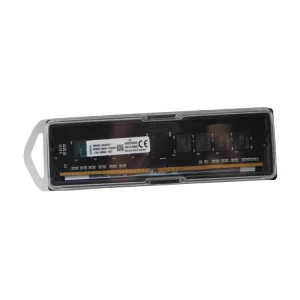
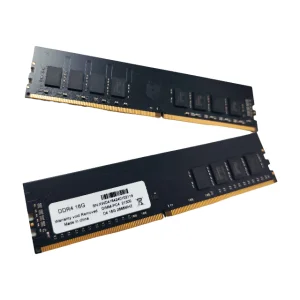
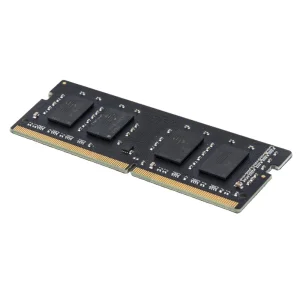
In high-density server configurations, DRAM thermal performance directly impacts overall system uptime. Standard memory modules operating under continuous processing loads risk exceeding critical junction thresholds, causing data corruption or system crashes. Utilizing ECC DDR4 or high-capacity DDR5 server memory modules equipped with custom alloy heat spreaders and high-performance thermal interface materials ensures stable, uninterrupted operation even during peak compute demands.
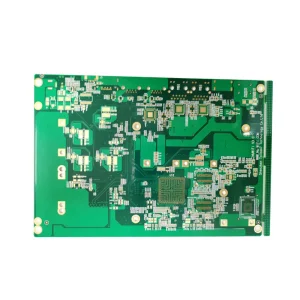
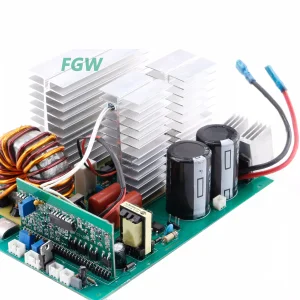
Industrial control components, such as high-power welding machines or heavy-duty inverters, operate in high-temperature, high-vibration conditions. Using specialized circuit boards, such as 220v single-board ZX7-200/250 welding machine motherboards, requires robust thermal layouts to prevent thermal stress and component fatigue. Similarly, multi-layer PCBs with thick copper traces are used to dissipate high heat loads from power components, maintaining systemic stability during long operational cycles.
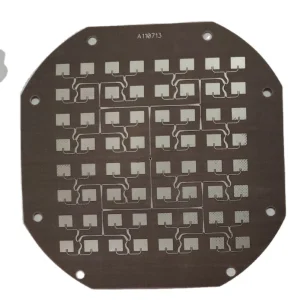
In high-frequency applications, dielectric stability is critical. Standard PCB substrates experience dielectric drift when subjected to fluctuating temperatures, which degrades signal performance. Specifying high-frequency PCB substrates, such as 0.254mm Taconic TLY-5 aluminum substrate PCBs, enables design engineers to maintain stable dielectric properties and low signal loss while leveraging the underlying metal base to quickly dissipate heat.
Examine our technical selection of reliable computer memory modules, industrial-grade motherboards, and high-frequency substrate assemblies.
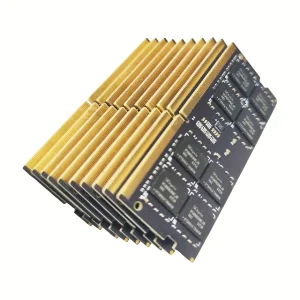
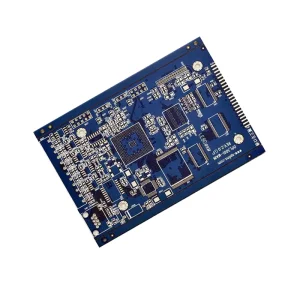
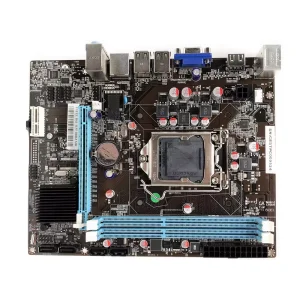
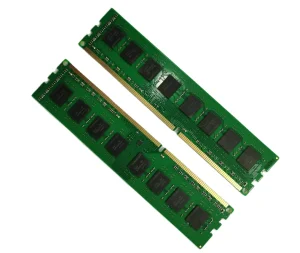
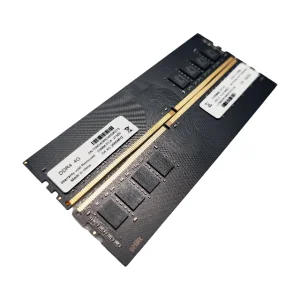
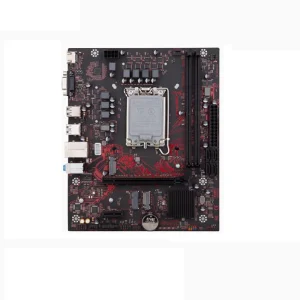
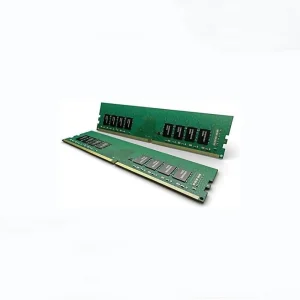
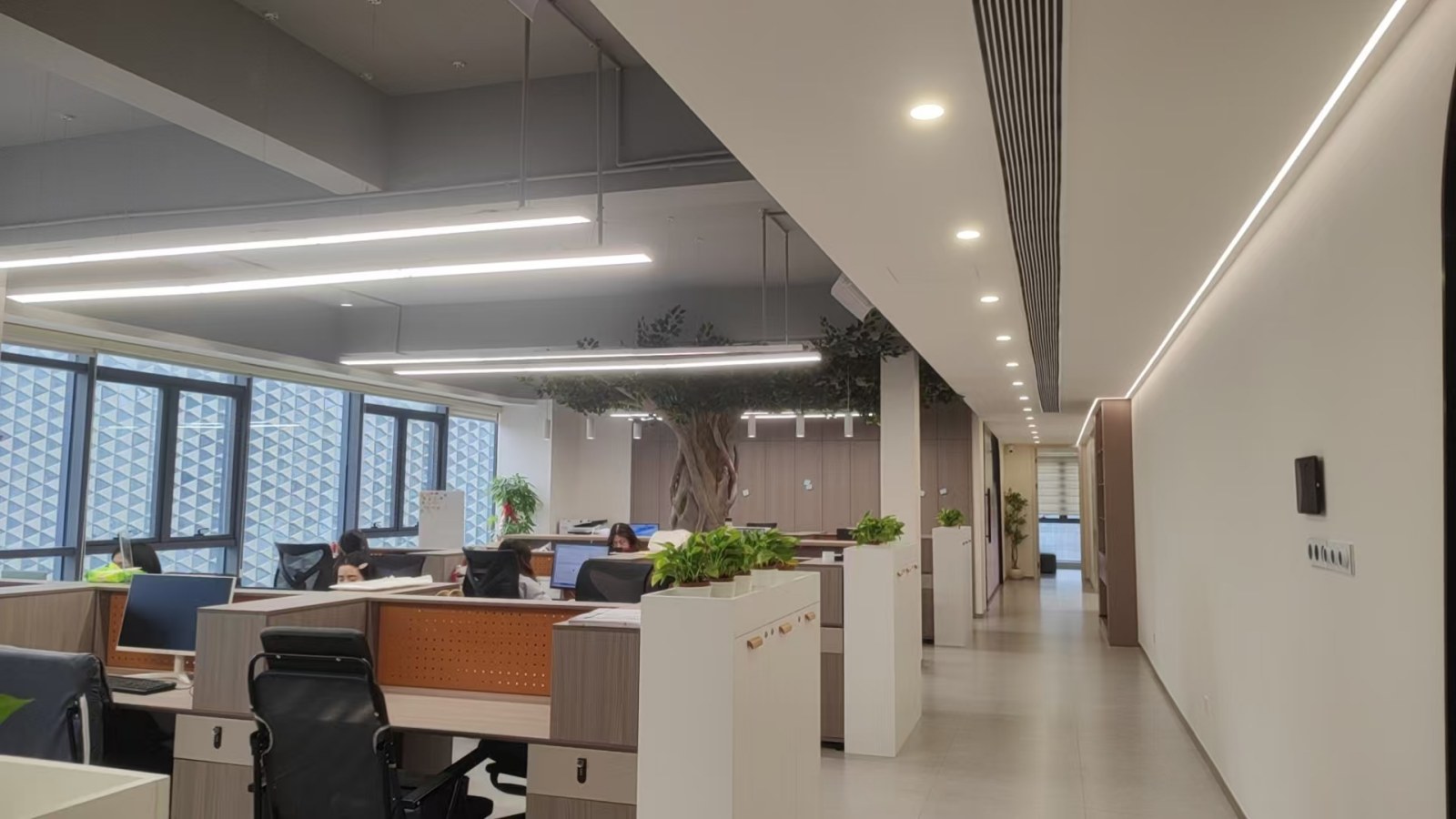
Established in 2016, Vorynex Memory Technology (China) Co., Ltd. has developed strong manufacturing and engineering capabilities over the years. Operating a modern production facility, the company delivers stable, high-speed, and energy-efficient memory and thermal solutions for gaming, industrial, and enterprise applications.
Supported by 6 years of export experience and over 12 years of industry experience in memory and semiconductor-related fields, Vorynex achieves an annual export revenue of approximately USD 12 million. The company serves key markets across North America, Europe, Southeast Asia, the Middle East, and South America.
The quality assurance system employs approximately 45 professional QC staff to maintain strict standards. Inspection protocols include 100% functional testing, thermal stress aging tests, compatibility testing, Automated Optical Inspection (AOI), In-Circuit Testing (ICT), and final system-level validation.
Vorynex supports comprehensive OEM/ODM customization, including frequency tuning, PCB design modifications, heat sink configurations, private labeling, and firmware optimization. Backed by a team of approximately 180 R&D engineers, the company successfully launched around 240 new product models in the past year, covering DDR4, DDR5, and specialized industrial memory solutions.
Addressing technical inquiries regarding CE certified thermal designs, substrate performance, and global compliance standards.
 Vorynex