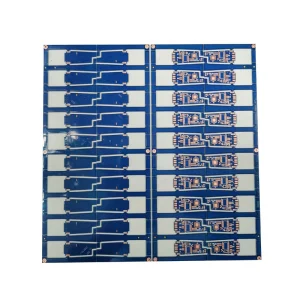
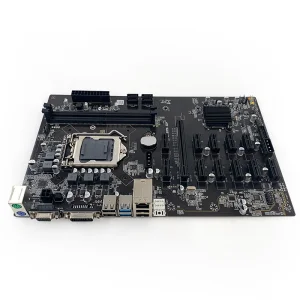
Explore our production-ready components, custom motherboards, processing heatsinks, and core memory units engineered for low-latency streaming infrastructure.
In the era of 4K/8K content distribution and cloud-driven dynamic transcoding, media streaming solutions demand hardware platforms built to handle heavy thermal dissipation and constant high-bandwidth operations. Enterprise streaming encoders, content delivery networks (CDNs), and high-density set-top box (STB) infrastructures must guarantee zero frame drop, minimal latency, and robust continuous operation cycles.
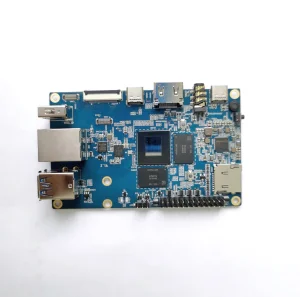
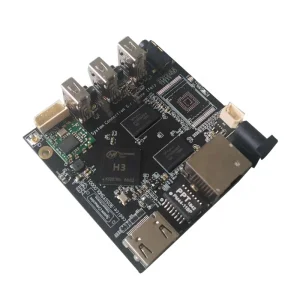
Using advanced system architectures such as the Rockchip RK3588S SoC with integrated NPUs ensures real-time deep learning capabilities, ultra-fast 8K hardware decoding, and versatile peripheral connectivity for edge processing.
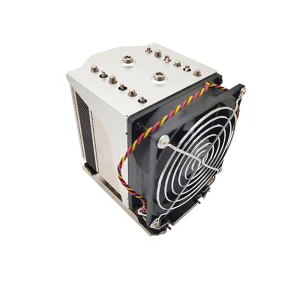
High-power processing components generate significant thermal load. Utilizing high-efficiency heat dissipation structures, such as 320W server-grade heat sinks, prevents CPU throttling and ensures system integrity under persistent rendering and encoding loads.
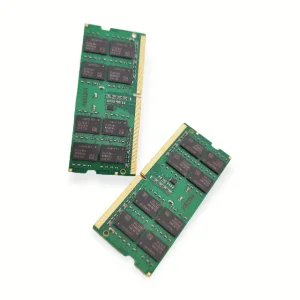
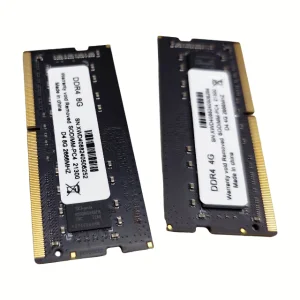
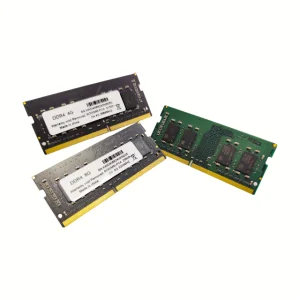
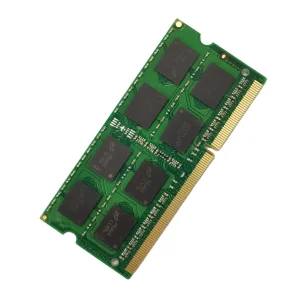
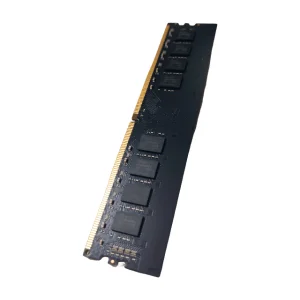
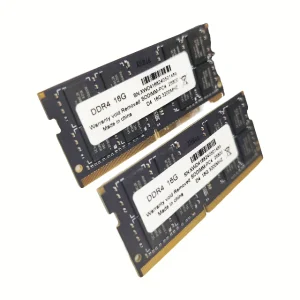
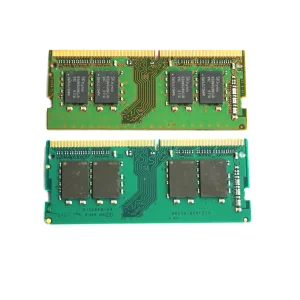
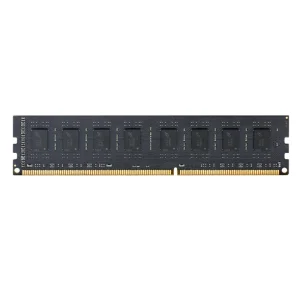
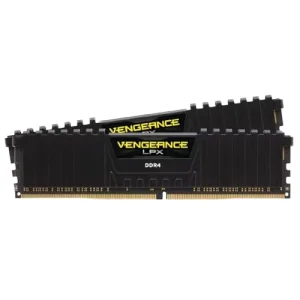
Fast buffering relies on high-speed DRAM modules. Deploying 3200MHz ECC (Error-Correcting Code) DDR4 memory modules in servers and receiver boxes dramatically minimizes system crashes, correcting single-bit errors in stream packets dynamically.
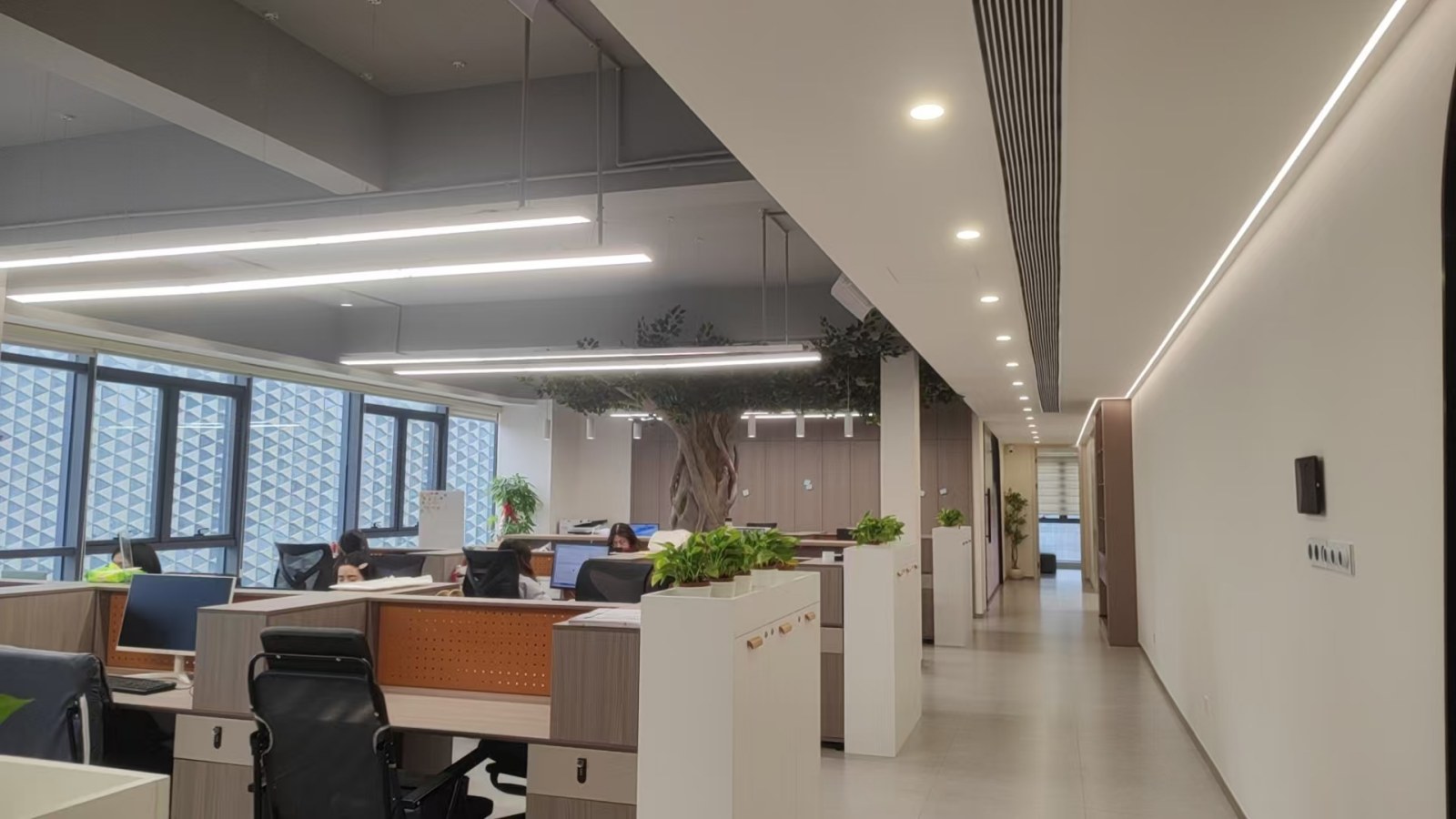
Underpinning the supply chain for advanced streaming solutions is Vorynex Memory Technology (China) Co., Ltd., a professional DDR5/DDR4 manufacturer and OEM/ODM solution provider specializing in high-performance computing components. Established in 2016, the company maintains robust design, validation, and manufacturing structures to satisfy strict industrial and consumer-grade markets globally.
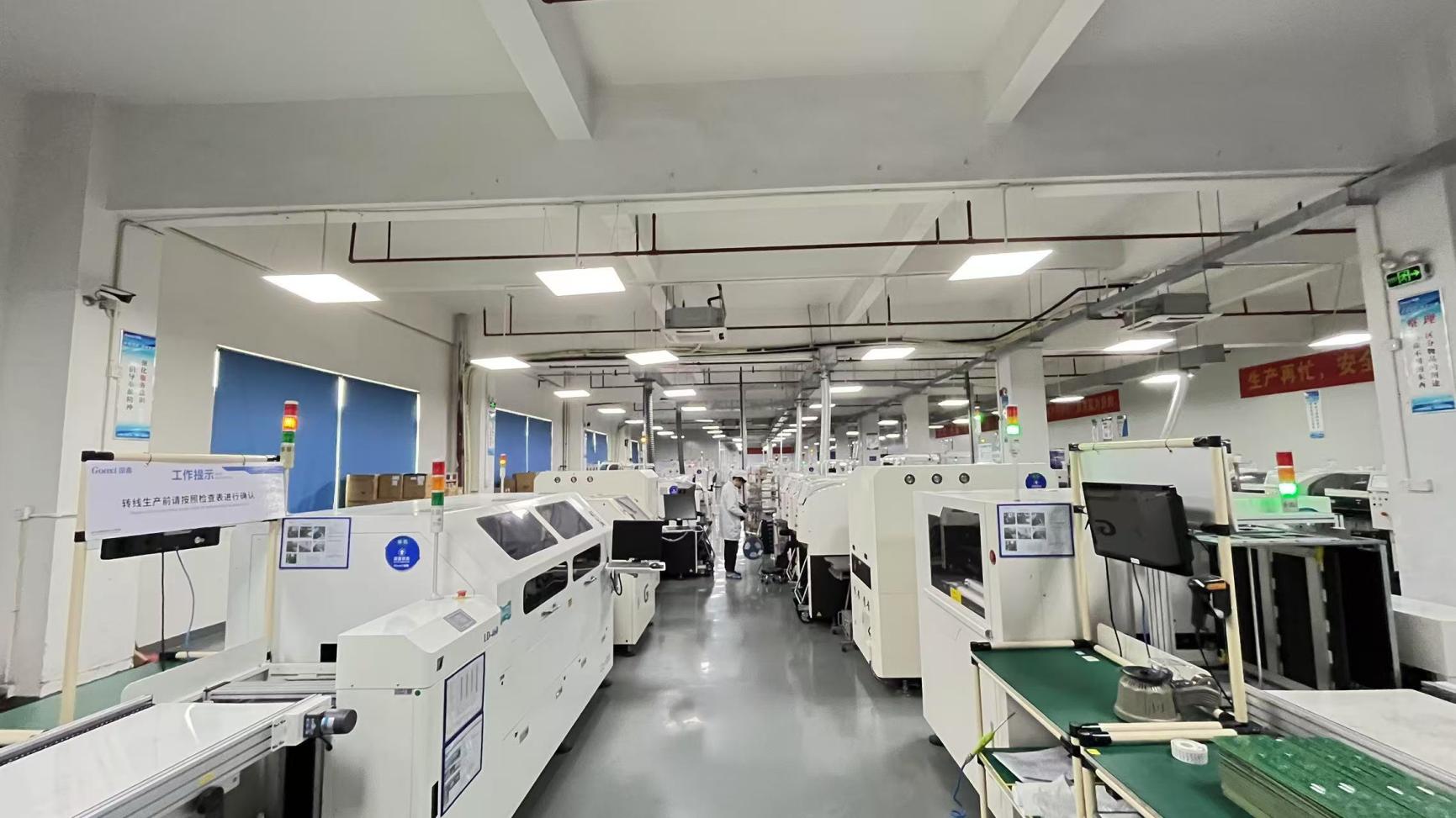
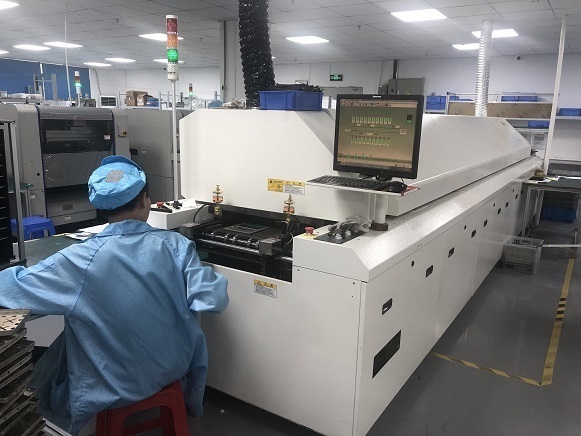
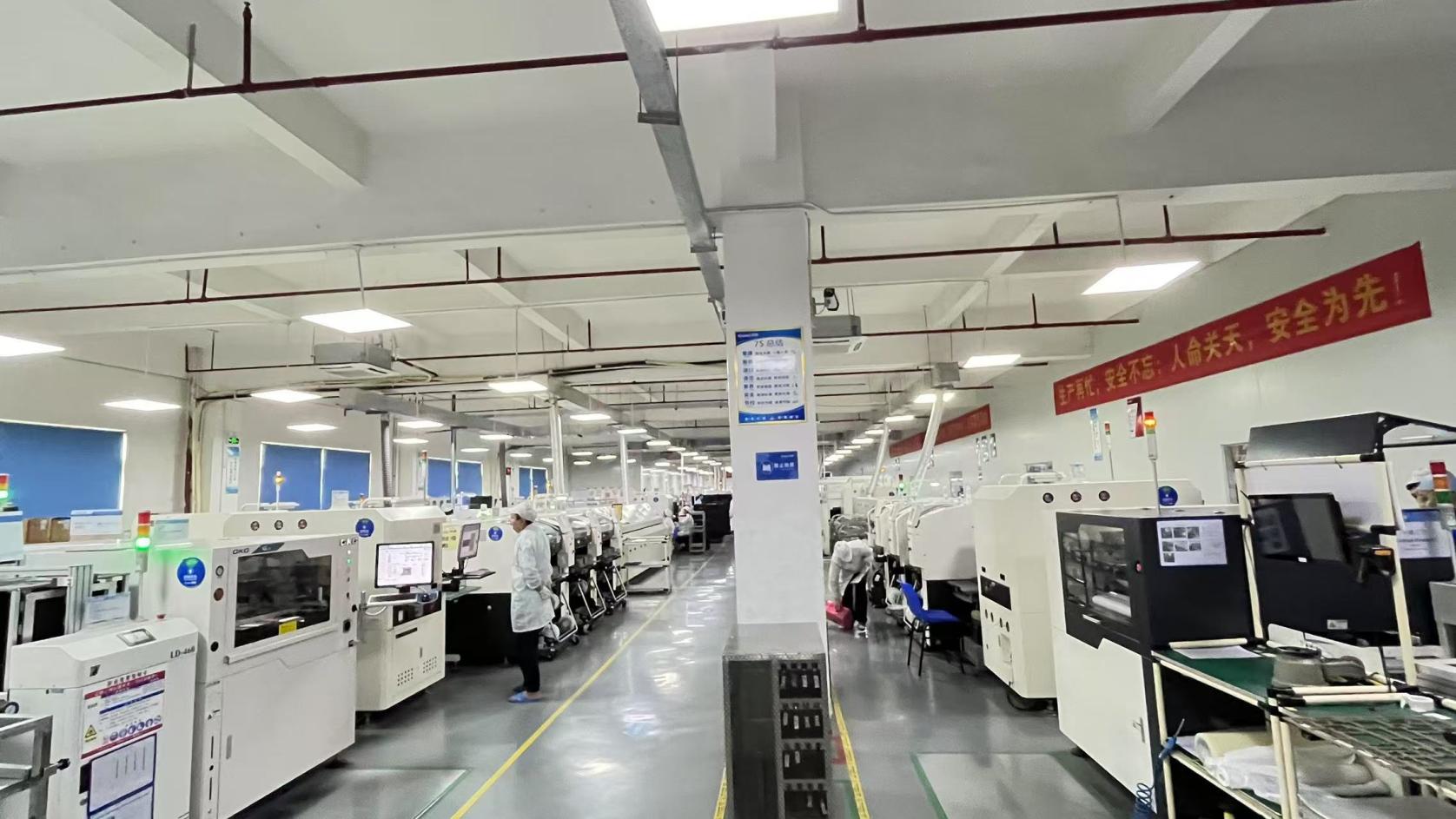
Vorynex implements a multi-tier quality assurance protocol, consisting of 100% functional validation, aging tests, platform compatibility assays, and high-temperature stress testing. The inspection procedures deploy state-of-the-art Automated Optical Inspection (AOI), In-Circuit Testing (ICT), and full system-level deployment simulation before final packaging.
From specialized PCB design and customized frequency tuning (DDR4/DDR5 interfaces) to unique thermal heatsinks and target firmware optimizations, the company facilitates direct hardware adaptation to align with client-specific OS configurations and software stacks.
Vorynex services global markets—spanning North America, Europe, Southeast Asia, the Middle East, and South America. Leveraging strong relationships with over 1,200 raw chip providers, storage module fabs, and semiconductor vendors ensures production stability even in volatile market phases.
Deploying hardware inside the European Economic Area (EEA) and global enterprise sectors demands rigorous adherence to regional regulatory frameworks. "CE Certified" is not merely a label; it is a declaration that the media streaming hardware complies with fundamental health, safety, and environmental protection benchmarks.
Ensures that your media streaming devices do not generate electromagnetic noise that disrupts neighboring radio, cellular, or other signal equipment.
Verifies that the electrical power input structures (e.g., in heavy-duty streaming boxes or server units) protect users against hazards like shock or high-voltage leakage.
Confirms restriction of hazardous substances. Free from Lead, Mercury, and Cadmium in lead-free solder pastes and chemical surface coatings of components.
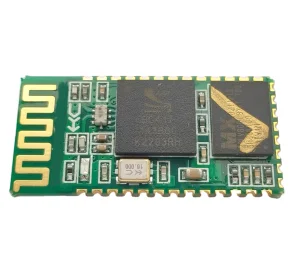
Applies to any system incorporating Wi-Fi, Bluetooth, or RF transceivers, safeguarding correct spectrum deployment and data privacy paths.
By utilizing memory architectures validated under international safety testing regimes and pairing systems with efficient heat distribution and stable PCBA layouts, Vorynex-supported media infrastructures consistently meet CE thresholds. This streamlined compliance pipeline eliminates market entry barriers for enterprise system integrators across the continent.
Producing highly competitive media players, motherboards, and memory configurations requires access to an integrated manufacturing network. The Shenzhen-Guangdong hardware cluster represents the pinnacle of global electronics manufacturing efficiency.
With raw silicon, passive components, multi-layer PCBs, and enclosure fabs operating within short geographic distances, prototyping phases decrease from months to weeks. This speed accelerates the deployment of customized systems, like multi-channel decoder cards.
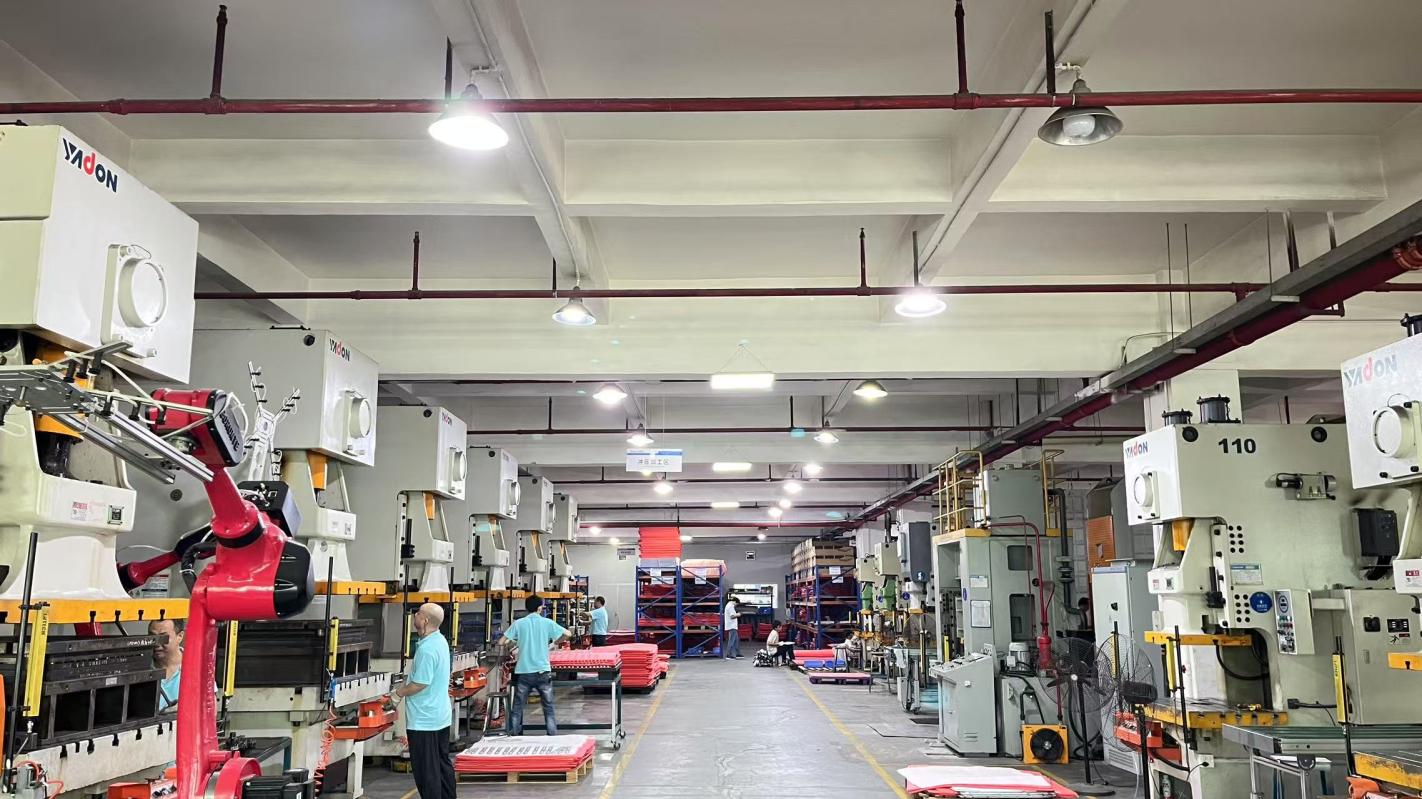
Employing high-speed solder paste printing, automatic chip placement systems, and computer-guided AOI inspections translates to low defect rates. Precision alignment allows for complex packaging like BGA (Ball Grid Array) microchips on motherboards.
Secured by long-term partnerships with leading DRAM wafer fabs, Vorynex provides predictable pricing curves and materials safety, insulating clients from global wafer price fluctuations and raw component supply shortages.
Where high-bandwidth processing and compliance-certified hardware interfaces deliver reliable, 24/7 mission-critical operations.
Centrally managed local content servers and in-room streaming endpoints. Systems must withstand warm environment conditions and require continuous operation with automatic power-cycling and local cache handling.
Deploying server clusters loaded with multi-core processors, specialized graphics units, and high-frequency DDR4/DDR5 system memory to decode, render, and encode gaming signals within milliseconds to reduce latency.
Managing video-wall processors at global transit hubs. High thermal resilience and hardware-level stability are crucial to protect against operating system hangs that result in blank screens or error prompts.
The global media ecosystem is shifting from centralized processing to distributed edge architectures. Key technical trends driving the evolution of physical streaming hardware include:
Clear, technical insights to help purchasing managers and hardware engineers make informed procurement decisions.
High-efficiency memory kits, system boards, and machinery solutions sourced directly from our production partners.
 Vorynex