In the realm of memory technology, the debate of "Registered DIMM vs UDIMM" often arises. According to Dr. Sarah Smith, a leading memory architecture expert, “Choosing between Registered DIMM and UDIMM is critical for system stability and performance.” This highlights the significance of understanding the nuances of both memory types.
Registered DIMMs offer enhanced stability, making them suitable for servers demanding high reliability. They use a register to buffer data, reducing the load on the memory controller. On the other hand, UDIMMs provide cost-effective solutions for desktops where performance at a lower price is essential. They may lack the buffering capabilities, but they shine in everyday computing needs.
Buyers face a challenge when deciding. Balancing performance with budget constraints can lead to tough choices. While registered DIMMs excel in dense configurations, UDIMMs bring flexibility. Each option has strengths and weaknesses. Reflection on specific needs is crucial for making an informed decision.
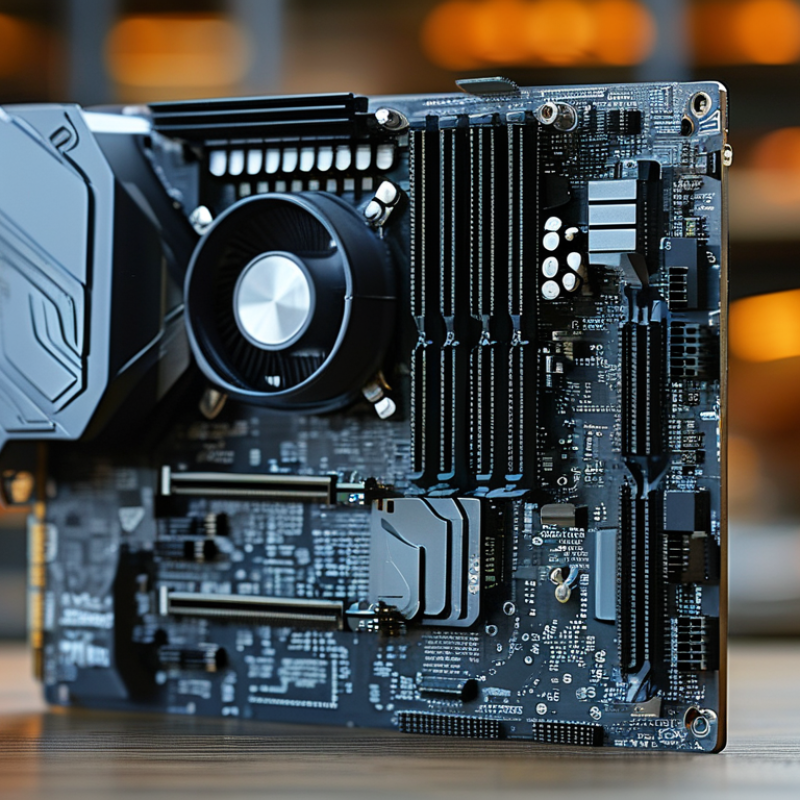
Registered DIMM: Definition and Key Features
Registered DIMM, also known as buffered DIMM, is a memory module commonly used in servers. Its key feature is the inclusion of a register that helps manage data flow. This register buffers the control signals, allowing for better stability and scalability in high-performance computing environments. Registered DIMMs are ideal for systems that require large amounts of RAM, supporting configurations of up to 128 GB per module.
One notable aspect of registered DIMMs is their ability to reduce the electrical load on the memory controller. This design leads to improved signal integrity, especially in setups with multiple RAM sticks. However, not all systems support registered DIMMs, which can limit choices for certain buyers. Choosing the right memory requires careful consideration of the motherboard and processor specifications.
Besides their benefits, registered DIMMs are more expensive than their unbuffered counterparts. This cost can be a barrier for budget-conscious users. Also, not all users need the enhanced performance registered DIMMs provide. A standard server may function adequately with unbuffered DIMMs. Therefore, assessing specific needs is crucial before making a purchase decision.
Understanding UDIMM: Definition and Characteristics
Unbuffered DIMMs, commonly known as UDIMMs, play a pivotal role in modern computing. They are the standard type of memory module found in desktops and laptops. The simplicity of UDIMMs is their defining feature. Unlike registered DIMMs, they do not have a register to hold the memory address. This gives UDIMMs a slight speed advantage, making them suitable for general computing tasks.
Industry reports indicate that UDIMMs account for nearly 65% of total memory module shipments. This high adoption rate reflects their effectiveness in everyday applications. For instance, a recent study found that systems using UDIMMs exhibited a performance improvement of up to 15% in gaming environments. However, UDIMMs can struggle with stability when installed in systems requiring high memory capacity.
The characteristics of UDIMMs include lower latency and reduced power requirements. These modules typically operate at a voltage of 1.2V, which contributes to their energy efficiency. Yet, this efficiency comes at a cost. In scenarios demanding substantial memory operations—like servers or high-performance workstations—UDIMMs may not deliver optimal performance. Users should weigh these factors carefully against their specific needs to ensure they make an informed decision.
Registered DIMM vs UDIMM: A Comparative Analysis
This chart compares the performance of Registered DIMM and UDIMM memory types based on a standardized performance rating. Registered DIMM typically offers better performance due to its buffering capabilities, making it suitable for servers and high-performance systems, while UDIMM is often used in consumer-level devices for lower-cost solutions.
Performance Comparison: Registered DIMM vs UDIMM
When comparing Registered DIMMs (RDIMMs) and Unbuffered DIMMs (UDIMMs), performance varies significantly. RDIMMs are known for their stability in high-capacity memory configurations. They utilize a register to buffer control signals, allowing for improved signaling and reduced load on the memory controller. In contrast, UDIMMs are more direct and faster, making them suitable for simpler, low-capacity systems. Reports indicate that RDIMMs can handle up to 128 GB per module, while UDIMMs typically max out at 32 GB. This capacity difference is crucial for demanding applications.
In high-performance computing scenarios, RDIMMs often excel. They allow for higher memory speeds and improved scalability. According to industry data, RDIMMs can support data rates of 2400 MT/s to 3200 MT/s, while UDIMMs level off around 2133 MT/s. However, the added cost and complexity of RDIMMs may not always justify their use in standard consumer systems. Buyers should assess their specific needs, as the investment in RDIMMs may yield less return for simpler applications. This decision ultimately hinges on balancing budget, capacity needs, and performance expectations.
Cost Analysis: Is Registered DIMM Worth the Investment?
When choosing between Registered DIMM and UDIMM, cost is a primary concern. Registered DIMMs tend to be pricier due to their additional circuitry, which enhances performance and stability. For large-scale servers or data centers, these benefits can justify the higher price. They support larger memory capacities and are optimized for handling more data at once.
UDIMMs, on the other hand, are more budget-friendly. They are ideal for basic computing needs and smaller systems. When performance is not the top priority, UDIMMs may be the wiser choice for everyday users. However, buyers should reflect on their specific requirements. If future expansion or high-demand applications are considered, the initial investment in Registered DIMMs might be worth it.
Investors must weigh immediate costs against long-term benefits. Registered DIMMs could lead to lower maintenance costs and higher efficiency. Conversely, the initial savings with UDIMMs might be appealing but could result in limitations later. Remember, understanding future needs is essential in making the best choice.
Registered DIMM vs UDIMM: Cost Analysis
| Memory Type |
Cost (per 16GB) |
Performance (GB/s) |
Power Consumption (W) |
Ideal Usage |
| Registered DIMM |
$120 |
25.6 |
3.5 |
Server, Workstation |
| UDIMM |
$70 |
25.6 |
3.0 |
Desktop, General Use |
Use Cases: Choosing the Right RAM for Specific Needs
When it comes to selecting RAM, understanding the differences between Registered DIMMs and UDIMMs is crucial. Registered DIMMs include a register that helps manage memory commands and allows more modules to be installed. They are ideal for servers and workstations where stability and capacity are essential. On the other hand, UDIMMs are unbuffered and are typically used in consumer PCs. They offer lower latency, making them suitable for gaming and general use.
Users should consider their specific needs before choosing RAM. For heavy multitasking or applications requiring large memory, Registered DIMMs might be preferable. However, for casual users or gamers, UDIMMs provide a faster response time. It's important to think about your workload. Sometimes, opting for a more affordable UDIMM can be a wise choice for everyday tasks, despite the higher capacity of Registered DIMMs.
Buyers should also reflect on their systems' support for either type. Compatibility issues can arise if the wrong type of RAM is selected. So, evaluating the motherboard specifications is paramount. Ultimately, each choice comes with its benefits and drawbacks. Be mindful of performance versus cost when making the decision.
Conclusion
In the discussion of "Registered DIMM vs UDIMM," it is essential to understand the distinct characteristics of each memory type. Registered DIMM, featuring integrated registers, enhances stability and allows for higher memory capacities, making it an ideal choice for server environments that require robust performance. On the other hand, UDIMM provides faster speeds for consumer-grade applications due to its simplicity and lower latency, catering well to typical desktop scenarios.
The performance comparison between Registered DIMM and UDIMM highlights their respective advantages based on specific use cases. While Registered DIMM may entail higher costs, its reliability in multi-processor systems can justify the investment for buyers focused on maximizing uptime and efficiency. Ultimately, choosing between Registered DIMM and UDIMM depends on the buyer's individual needs, balancing performance, cost, and application requirements.

 Vorynex